Joko Susilo
The United States Senate on Thursday passed a limited spending package designed to largely fund several critical science and land-related federal agencies at their current operational levels, a significant legislative move that now awaits President Donald Trump’s signature after securing House approval on January 8. This bipartisan agreement allocates resources to departments and agencies including the Department of the Interior, the U.S. Forest Service, the National Oceanic and Atmospheric Administration (NOAA), and the U.S. Environmental Protection Agency (EPA), effectively delivering a congressional rebuke to the administration’s earlier proposals that sought drastic reductions in funding for vital environmental and scientific services. The passage underscores a persistent tension between congressional priorities for environmental stewardship and scientific research, and an executive branch often advocating for deregulation and fiscal austerity in these sectors.
For many advocates, this legislative outcome represents a crucial victory for the nation’s natural heritage and scientific infrastructure. Miranda Badgett, a senior government relations representative for The Wilderness Society, articulated this sentiment, stating, "It really shows that our public lands are meant to be managed for everyone in this country and not just private industry looking to turn a profit. This bill really rejected some of the reckless budget cuts we saw proposed by the administration that would impact our national public-land agencies." This perspective highlights the ongoing philosophical debate over the primary purpose of America’s vast public lands, whether they are primarily for resource extraction and economic development or for conservation, recreation, and ecological preservation. The congressional action signals a clear preference for the latter, ensuring continued management for a broad array of public benefits.
Despite averting more severe cuts, the spending package is not without its compromises and drawbacks for conservation and science proponents. The bill enacts modest trims to the 2025 budget projections, affecting agencies such as NASA, the U.S. EPA, and the U.S. Geological Survey (USGS), with millions of dollars pared from their proposed allocations. Moreover, a significant concern raised by experts like Jacob Malcom, executive director of Next Interior, an organization advocating for the Department of the Interior, is the failure of the budget to account for inflation. Funding agencies at "current levels" in an inflationary environment effectively translates to a real-term reduction in purchasing power and operational capacity, potentially eroding their ability to maintain services, conduct essential research, and address growing environmental challenges.
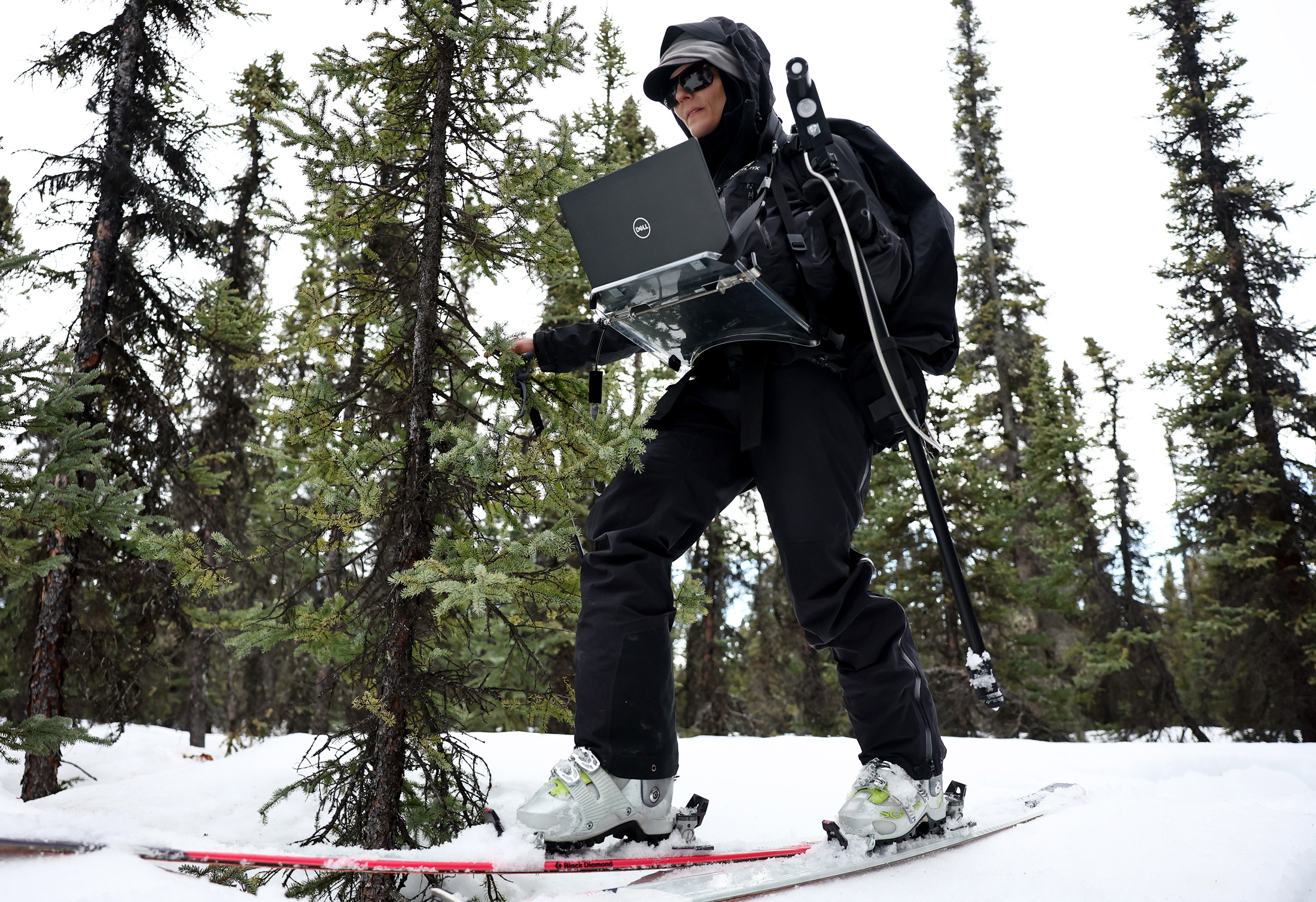
A key triumph for environmental policy within the Senate’s action was the rejection of nearly 150 budget riders proposed by the House of Representatives. These riders, if enacted, would have severely constrained the operational capabilities and policy enforcement of federal agencies. Among the most contentious rejected provisions were those that sought to prohibit the Bureau of Land Management (BLM) from expending funds to enforce the Public Lands Rule, a significant regulation finalized in 2024 aimed at elevating conservation as a "multiple use" alongside grazing and energy development on federal lands – a rule the Trump administration has actively sought to repeal. Other rejected riders included mandates for quarterly oil and gas lease sales across at least nine states, which would have significantly expanded fossil fuel extraction regardless of market demand or environmental concerns, and prohibitions on implementing the BLM’s Onshore Oil and Gas Leasing Rule, a measure designed to ensure a fair return for taxpayers by boosting royalty rates paid by oil and gas companies for extraction on federal lands. The rejection of these riders prevents a substantial rollback of environmental protections and ensures that agencies retain discretion over how public lands are managed and resources are utilized, aligning with a more balanced approach to natural resource management.
However, the bill also delivers a significant blow to critical climate science infrastructure, particularly impacting the National Center for Atmospheric Research (NCAR) in Boulder, Colorado. NCAR, a globally renowned institution, is responsible for creating the advanced modeling and analysis that underpins much of the world’s weather forecasting and climate change projections, information crucial for everything from agricultural planning and disaster preparedness to aviation safety and national security. The current spending package conspicuously omits a specific line item for NCAR’s funding, instead vaguely directing the National Science Foundation (NSF), which oversees the center, to "continue its functions." This lack of explicit funding language leaves NCAR’s future precariously uncertain, especially in light of the administration’s expressed desire to dissolve the center, as noted by Hannah Safford, associate director of climate and environment for the Federation of American Scientists. Despite concerted efforts by Colorado Senators Michael Bennet and John Hickenlooper to secure dedicated funding, their attempts proved unsuccessful.
This destabilization of NCAR’s funding could have far-reaching consequences for climate science and public safety. Safford warns that while an immediate, sudden loss of specific services might not occur, the long-term impact could manifest as increasingly unreliable weather forecasting and a diminished capacity for robust climate modeling. This uncertainty threatens not only America’s leadership in atmospheric science but also the global scientific community’s ability to understand and respond to the escalating impacts of climate change, from extreme weather events to long-term environmental shifts. The ripple effects could extend to global disaster relief efforts, international research collaborations, and the economic sectors heavily reliant on accurate meteorological data.
Concerns also persist regarding the administration’s willingness to faithfully implement the budget as written, even with congressional guardrails in place. Miranda Badgett expressed her personal apprehension, acknowledging that while the bill includes directives requiring federal agencies to seek approval from House and Senate Appropriations Committees for significant changes in staffing or spending, the potential for executive discretion remains a worry. "I’m glad to see there are various guardrails to safeguard the agencies and our public lands and the folks who work hard to do the work at the agencies," Badgett noted, highlighting the importance of congressional oversight in ensuring that the intent of the appropriations is upheld.

Beyond the immediate budget cycle, many environmental agencies face chronic underfunding, a systemic issue that predates this current appropriations bill. Agencies like the U.S. Fish and Wildlife Service (USFWS), for instance, often receive only a fraction of the resources needed to effectively carry out their mandates, such as the recovery of threatened and endangered species. Jacob Malcom emphasized that this persistent under-resourcing undermines the very mission of these agencies, leading to a decline in the health of public lands and waters and hindering critical research necessary to prepare communities for the challenges of climate change. The cumulative effect of years of inadequate funding means agencies are perpetually playing catch-up, struggling to address existing problems while new environmental threats emerge.
Jonathan Gilmour, cofounder of The Impact Project, a data and research platform focused on the value of public service, also raised concerns about staffing levels. He worries that agencies, having endured layoffs and deferred resignations in previous years, may lack the human capital to sustain necessary projects. He expressed hope that the new budget would facilitate the rehiring or recruitment of new employees to fill critical roles, though the actualization of such staffing increases remains an open question. Without adequate personnel, even appropriately funded programs can languish, further impacting the delivery of public services.
Ultimately, while the spending package avoids the "draconian cuts" some feared, it fails to fully address the long-term systemic challenges facing federal environmental and scientific agencies. Malcom encapsulated this sentiment, stating, "not as bad as it could be, but it’s also not as good as it needs to be." He warned that those who live, work, and recreate in the American West and beyond will likely continue to observe a decline in services. This trend, he suggests, aligns with a long-running strategy, dating back decades, of gradually eroding public support for government services by making them less effective through underfunding, thereby making future cuts easier to justify. The current budget, while a partial victory, may simply represent another step in this challenging direction for the nation’s environmental protection and scientific endeavors.