Joko Susilo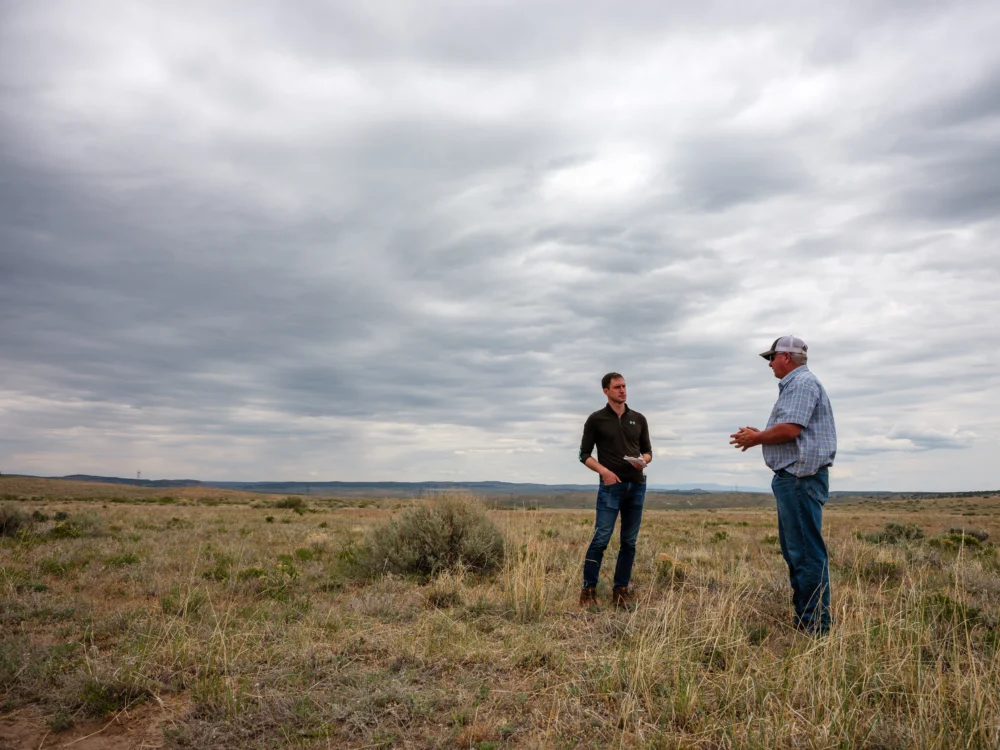
The federal government sanctions livestock grazing across a staggering expanse of publicly owned land, an area more than twice the size of California, solidifying ranching’s position as the single largest land use in the American West. This extensive system relies on billions of dollars in taxpayer subsidies, yet consistently contributes to significant environmental degradation across diverse ecosystems. A recent in-depth investigation has illuminated how this deeply entrenched practice, initially conceived for resource management, has evolved into a formidable subsidy program primarily benefiting a select few, shielded by substantial political influence.
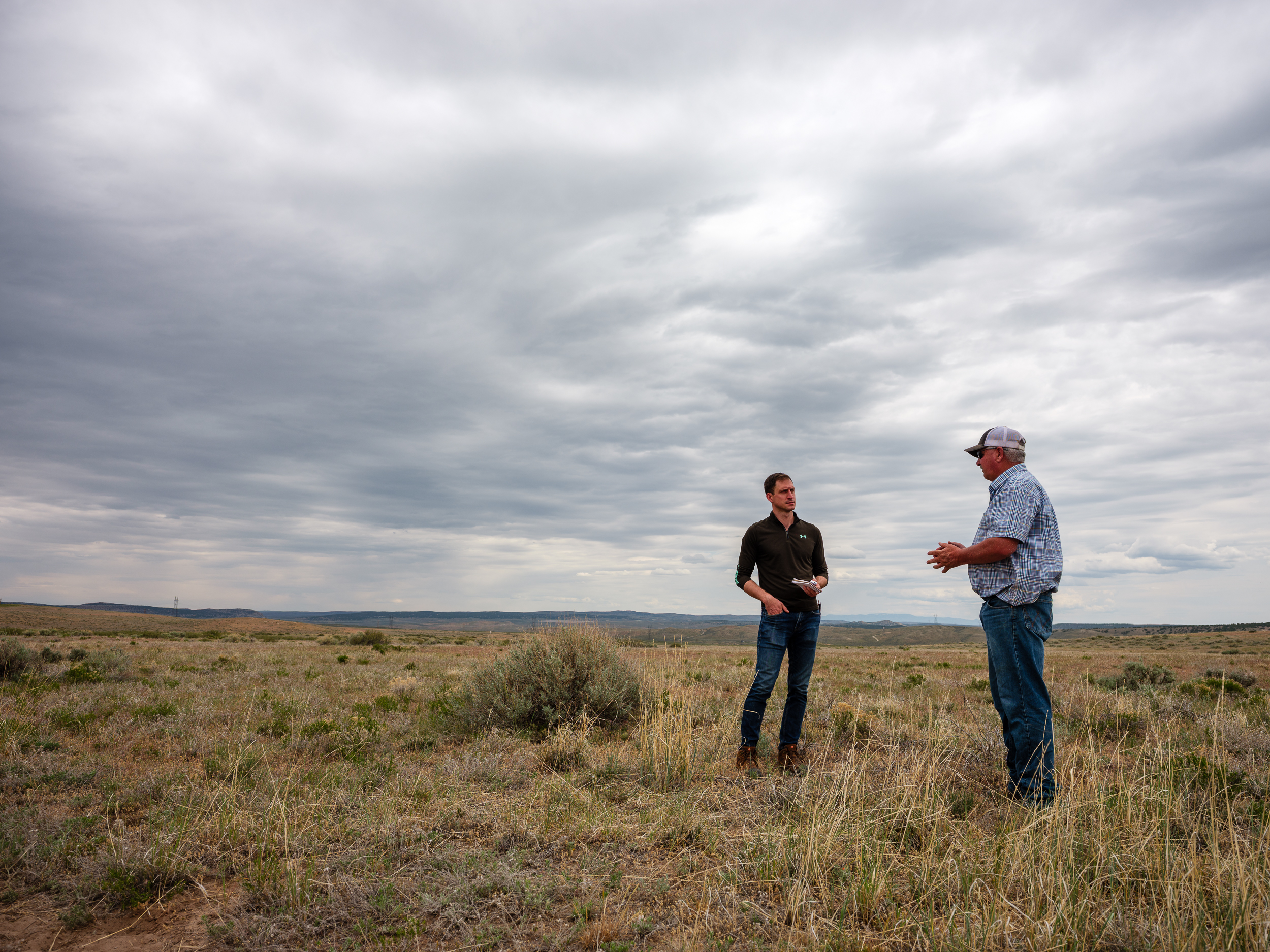
Prompted by the previous administration’s aggressive pro-ranching agenda, a comprehensive journalistic inquiry delved into the intricacies of public lands ranching, tracing its historical trajectory and contemporary impacts. The investigation involved rigorous data collection, including the filing of over 100 public record requests and legal action against the Bureau of Land Management (BLM) to secure crucial documents and operational data. Researchers engaged with a broad spectrum of stakeholders, from long-standing ranching families to dedicated conservationists, and conducted extensive field tours across key ranching operations in Arizona, Colorado, Montana, and Nevada, gathering firsthand observations and diverse perspectives.
The resulting three-part exposé meticulously dissects the financial underpinnings of this system, detailing the profound taxpayer subsidies woven into ranching operations, the widespread and often unmitigated environmental impacts of livestock on fragile Western landscapes, and the formidable political clout that actively preserves this status quo against calls for reform. The findings reveal a system ripe for reevaluation, highlighting the complex interplay of economic interests, ecological concerns, and political realities that define public land use in the United States.
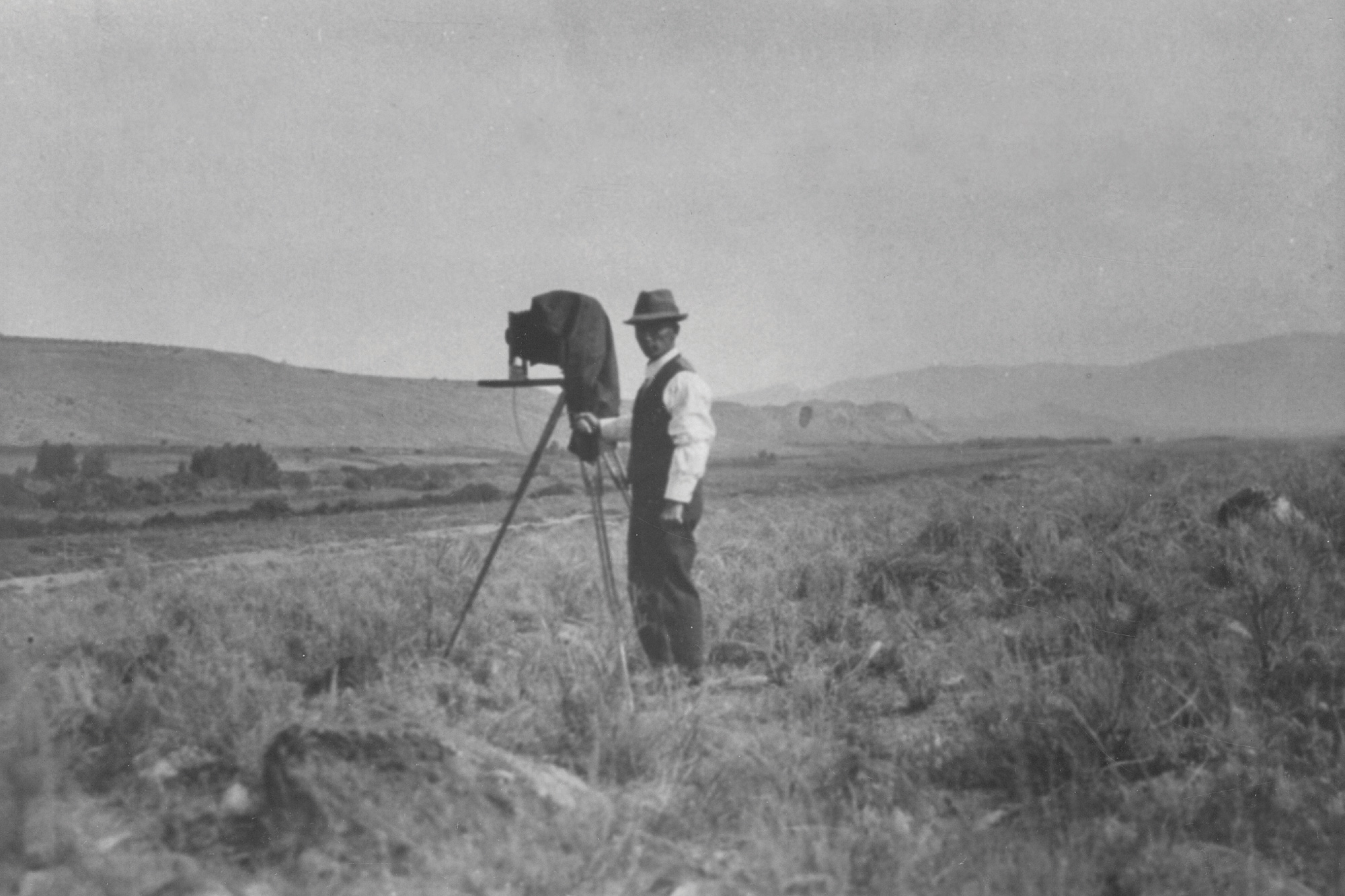
Historically, the public lands grazing system underwent significant modernization in the 1930s, a direct response to the ecological catastrophe of the Dust Bowl. This era of massive dust storms, which ravaged agricultural lands, was largely triggered by unsustainable agricultural practices, including severe overgrazing that denuded vast tracts of prairie. The Taylor Grazing Act of 1934 sought to stabilize the livestock industry and conserve rangelands by regulating grazing on federal lands. However, over the decades, the system has ostensibly transformed from a framework of resource management and conservation into a de facto subsidy program designed to ensure the continuation of grazing, often at considerable public expense and environmental cost.

Today, the Bureau of Land Management (BLM) and the U.S. Forest Service, the nation’s two largest federal land management agencies, jointly oversee the majority of this extensive grazing system. In 2024, these agencies collectively charged ranchers a mere $21 million in grazing fees. Analysis reveals this fee structure amounts to an average discount of approximately 93% when compared to the prevailing market rates for forage on private lands. Beyond these nominal fees, the federal government injects substantial direct and indirect financial support into the sector. In 2024 alone, at least $2.5 billion was channeled into various subsidy programs accessible to public lands ranchers. These programs range from critical disaster assistance in the wake of droughts and floods, increasingly frequent and severe due to climate change, to compensation for livestock lost to predators, and various other forms of agricultural aid, effectively insulating ranchers from many of the inherent risks of their enterprise.
A closer examination of the beneficiaries reveals a striking concentration of wealth and power within the public lands ranching sector. A disproportionately small number of affluent individuals and large corporate entities manage the vast majority of livestock on these federal lands. Data indicates that roughly two-thirds of all grazing on BLM acreage falls under the control of just 10% of permit-holding ranchers. Similarly, on Forest Service land, the top 10% of permittees oversee more than 50% of all grazing activity. Among the most prominent figures in this group are billionaires such as Stan Kroenke and Rupert Murdoch, alongside powerful mining companies and public utilities, entities whose core businesses often extend far beyond traditional ranching. The financial advantages of holding these public land grazing permits extend beyond the direct profits from cattle sales. Even so-called "hobby ranches" can leverage these permits to qualify for significant property tax breaks in numerous jurisdictions. Furthermore, ranching business expenses become deductible from federal taxes, and the private property holdings associated with these grazing permits represent stable, long-term investments, often appreciating in value due to their connection to accessible public resources. Representatives for Mr. Kroenke did not respond to inquiries, while a representative for Mr. Murdoch declined to comment on these findings.
The previous presidential administration actively sought to accelerate and expand this system, notably through initiatives designed to bolster the American beef industry. In October, the administration unveiled a "plan to fortify the American Beef Industry," which specifically directed the BLM and Forest Service to undertake the first significant amendments to grazing regulations since the 1990s. This plan advocated for further increasing taxpayer support for ranching, proposing enhanced subsidies for drought and wildfire relief, expanded compensation for livestock killed by predators, and government-backed insurance programs, effectively shifting more of the industry’s financial risk onto the public. The White House, when questioned, deferred to the U.S. Department of Agriculture (USDA), which issued a statement asserting that "Livestock grazing is not only a federally and statutorily recognized appropriate land use, but a proven land management tool, one that reduces invasive species and wildfire risk, enhances ecosystem health, and supports rural stewardship." While approximately 18,000 permittees utilize BLM or Forest Service land for grazing, with the majority operating as smaller enterprises, these ranchers frequently argue that sustained government support and discounted grazing fees are essential to prevent insolvency, particularly in the face of rising operational costs and volatile market conditions.
Compounding the issues of subsidy and wealth concentration, the investigation uncovered a systematic loosening of already insufficient oversight mechanisms. Federal law mandates that ranchers renew their permits to use public lands every 10 years, a process that is supposed to include a thorough environmental review to assess and mitigate potential ecological damage. However, a significant legislative change in 2014 allowed for the automatic renewal of these permits if federal agencies proved unable to complete the required environmental reviews. This provision has had a profound impact: in 2013, the BLM approved grazing on 47% of its land open to livestock without conducting an environmental review, with the status of an additional 10% remaining unclear. A decade later, this figure dramatically escalated, with the BLM authorizing grazing on roughly 75% of its acreage without proper environmental scrutiny. This decline in oversight directly correlates with a shrinking workforce dedicated to rangeland management. Data from the Office of Personnel Management shows that the number of BLM rangeland management employees plummeted by 39% between 2020 and 2024, and approximately one in ten rangeland staff departed the agency between the previous presidential election and June of the prior year, according to BLM records. This severe understaffing cripples the agencies’ ability to conduct the necessary reviews, effectively making the automatic renewal provision the de facto standard.
The consequences of this lax oversight and extensive grazing are stark and widespread environmental harm across the American West. The BLM manages 155 million acres of public lands designated for grazing. Its own assessments on land health have concluded that grazing activities have degraded at least 38 million acres—an area roughly half the size of New Mexico. Alarmingly, the agency possesses no records of land health assessments for an additional 35 million acres, leaving their ecological status unknown. Throughout their field observations in multiple states, investigators documented widespread evidence of overgrazing, including streambeds severely trampled by cattle, grasslands denuded of vegetation, leading to increased soil erosion, and vital creeks fouled by cow carcasses and waste, directly impacting water quality and aquatic ecosystems. These impacts extend beyond localized damage, contributing to broader ecological challenges such as desertification, habitat fragmentation, and reduced biodiversity, threatening sensitive species and crucial wildlife corridors. While healthy rangeland management can sequester carbon, degraded lands release it, adding a climate change dimension to the issue.

Ranchers, however, present a counter-narrative, arguing that public lands grazing offers critical ecological benefits. They contend that maintaining active ranching operations prevents nearby private lands from being sold off for residential or commercial development, thereby preserving open spaces and wildlife habitat. Bill Fales, whose family has run cattle in western Colorado for over a century, articulated this perspective, stating, "The wildlife here is dependent on these ranches staying as open ranch land." He noted that while development encroached on habitat in surrounding areas, the lands grazed by his cattle are increasingly shared by diverse wildlife, including elk, bears, and mountain lions, suggesting a symbiotic relationship. This argument highlights the complex balance between economic viability, land conservation, and environmental impact in the West.
Despite these environmental concerns and the clear financial benefits accruing to the industry, regulators consistently cite the immense political influence of the ranching sector as a primary impediment to significant systemic change. Interviews with ten current and former BLM employees, ranging from upper management to rank-and-file rangeland managers, revealed a consistent pattern of political pressure to avoid stringent enforcement against ranchers. One BLM employee candidly admitted, "If we do anything anti-grazing, there’s at least a decent chance of politicians being involved. We want to avoid that, so we don’t do anything that would bring that about." A BLM spokesperson, in response, stated that "any policy decisions are made in accordance with federal law and are designed to balance economic opportunity with conservation responsibilities across the nation’s public lands," a statement that belies the reported internal pressures.
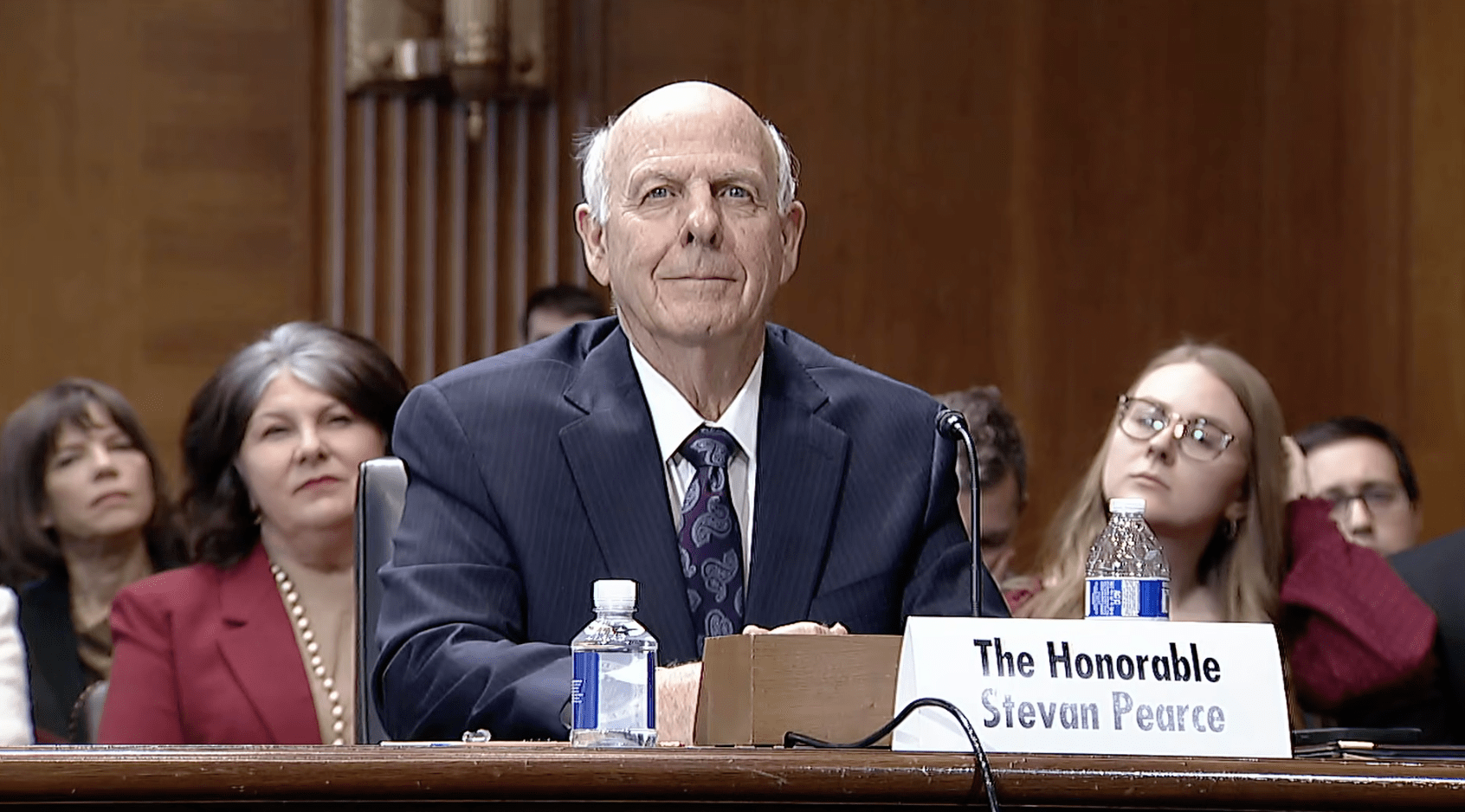
The industry’s political reach extends to the highest echelons of government. The previous administration appointed a lawyer who had previously represented ranchers in legal battles against the government and held a financial stake in a Wyoming cattle operation to a high-level position within the U.S. Department of the Interior, the parent agency of the BLM. Concurrently, a tech entrepreneur who owned a ranch in Idaho was appointed to a post overseeing the Forest Service. These appointments placed individuals with direct ties and vested interests in the ranching industry into key regulatory roles. Furthermore, politicians from both major parties consistently demonstrate a readiness to intervene when they perceive ranchers facing overly onerous oversight. Records obtained through public requests indicate that since 2020, members of Congress from across the political spectrum have sent more than 20 letters to the BLM and Forest Service concerning grazing issues, underscoring the bipartisan nature of this political pressure and the deep entrenchment of ranching interests in federal land management policy. The confluence of vast public land allocation, substantial taxpayer subsidies, significant environmental degradation, and powerful political influence paints a comprehensive picture of a system that warrants urgent and sustained public scrutiny.