Roger Danuarta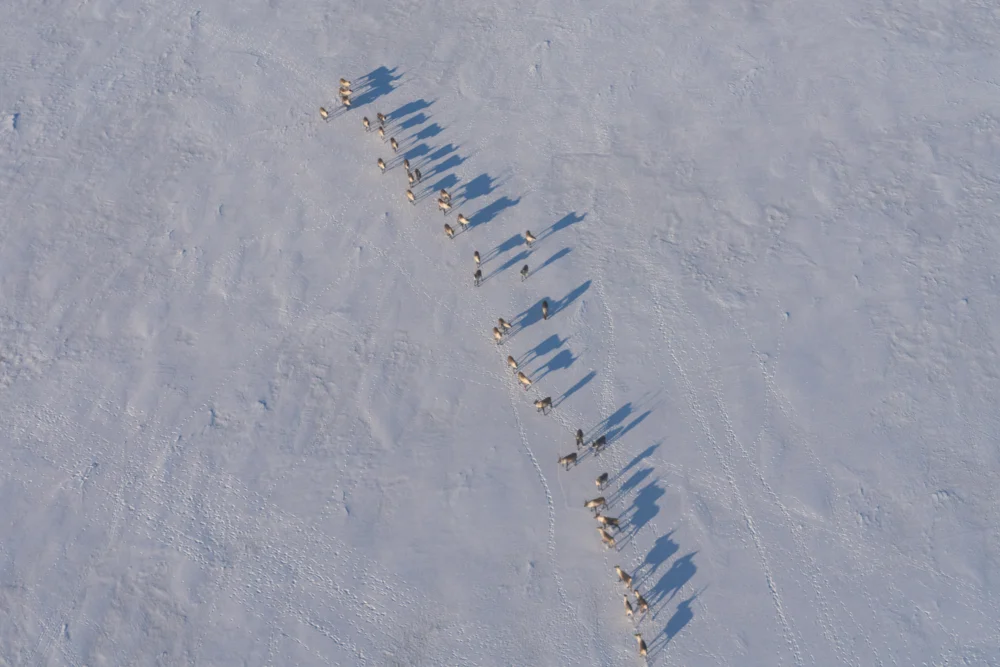
For Janet Bavilla, a Yup’ik elder from Platinum on Alaska’s remote Bering Sea coast, the landscape of her youth was defined by the sweeping migrations of caribou, a vital lifeline for her community. As a teenager, she vividly recalls traversing just a few miles by snow machine to encounter herds numbering in the dozens, often hundreds, an abundance that ensured sustenance for her family and neighbors. Each season, Bavilla would harvest several animals, processing the meat into various forms: dried kinengyak dipped in seal oil, frozen chunks eaten raw, or simply shared to reinforce communal bonds and provide essential nutrition in a region hundreds of miles from the nearest road system, accessible only by air or sea. This traditional way of life, intrinsically linked to the caribou’s rhythms, has now all but vanished, leaving a profound void in her experience. "I can’t remember the last time I went out," Bavilla, now in her 40s, laments, reflecting a deep cultural and nutritional loss.
The Mulchatna caribou herd, a cornerstone of subsistence for communities across Southwestern Alaska, has suffered a catastrophic decline, mirroring a troubling trend observed in several other Alaskan caribou populations. Peaking at an estimated 200,000 animals in the 1990s when Bavilla was in high school, the herd plummeted to a mere 12,000 by 2022. This drastic reduction has coincided with the accelerating impacts of climate change, rendering the landscape increasingly treacherous for both caribou and hunters. Unreliable snow cover and rivers that no longer consistently freeze over make accessing the scattered remnants of the herd exceedingly difficult. The disappearance of this keystone species has left many, including Bavilla, feeling that "a big part of our subsistence is missing," underscoring a deepening food insecurity crisis in a region already grappling with limited, expensive imported goods.

In a desperate attempt to reverse the Mulchatna herd’s decline, state wildlife managers have implemented a series of extreme measures. In 2021, a blanket prohibition on hunting was enacted, a decision that many local Indigenous leaders and hunters, including Bavilla, deemed a painful but necessary step. Two years later, the Alaska Department of Fish and Game (ADFG) escalated its intervention, launching an aerial culling program targeting predators. State employees, operating from helicopters over the herd’s critical calving grounds, systematically shot bears and wolves. In an initial two-week period, nearly 100 bears and a handful of wolves were killed, a campaign that continued into the subsequent year. Over the past three years, nearly 200 bears and approximately 20 wolves have been culled, all with the explicit aim of boosting caribou calf survival rates. This controversial initiative is slated to continue for several more summers, igniting a fierce debate across Alaska and beyond.
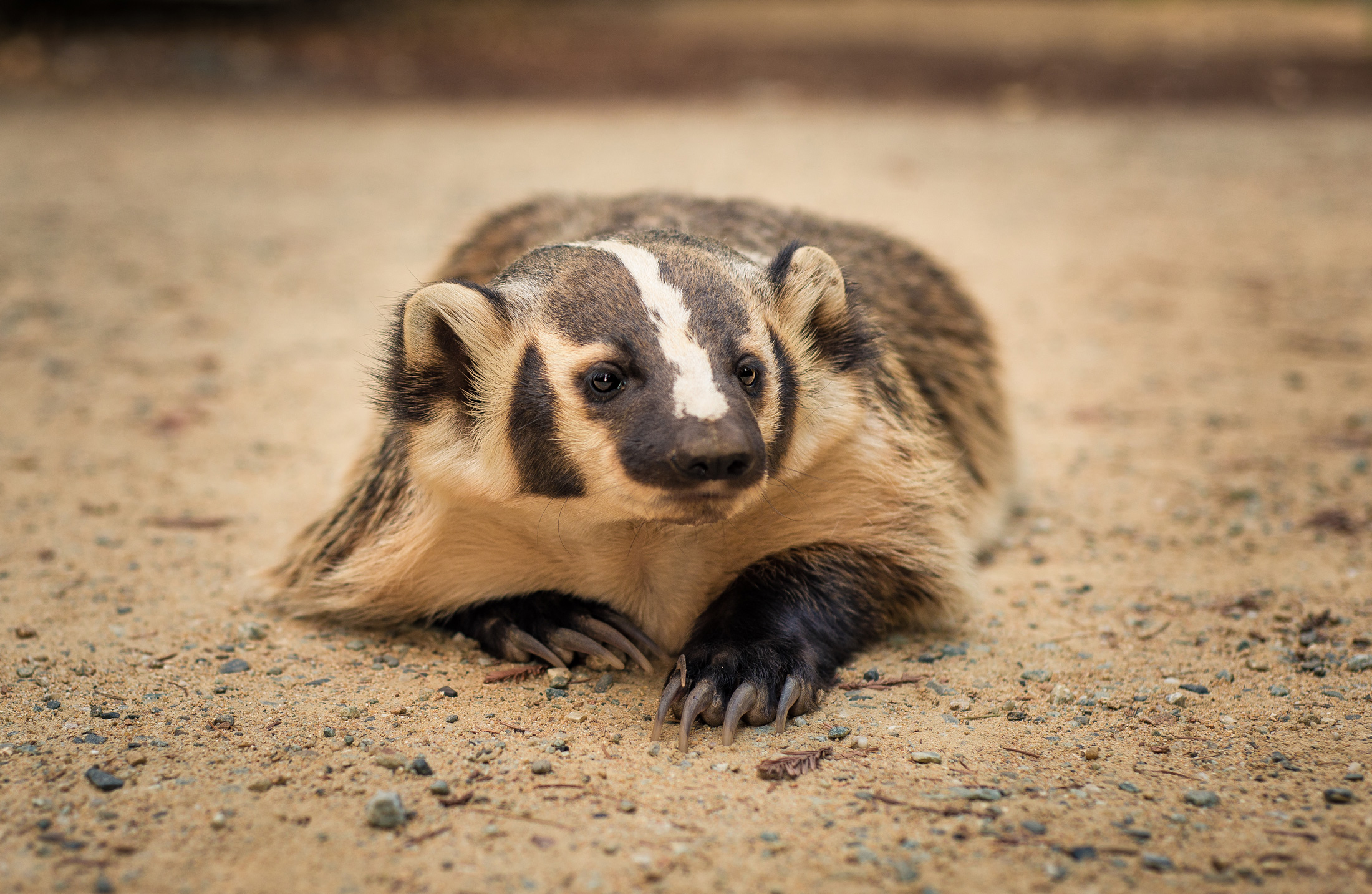
The predator control program has sparked widespread litigation and intense pushback from a coalition of wildlife advocates, concerned scientists, and even former state politicians. Former Governor Tony Knowles famously decried the culling as a "massacre" of the iconic grizzly bear, known to Alaskans as the brown bear. Critics, many of whom reside in urban centers far removed from the remote caribou range, have voiced numerous concerns. While some scientific literature suggests that targeted predator control can, in specific contexts, offer temporary benefits to ungulate populations, skeptics argue there is insufficient evidence to confidently assert that killing bears will genuinely facilitate the Mulchatna caribou’s long-term recovery. Moreover, they express deep apprehension about the potential negative impact on the bear population, a species cherished both within and outside Alaska for its ecological role and symbolic significance.
Conversely, state officials staunchly defend the bear culling as one of the few direct actions within their purview to aid the struggling herd. Their position garners significant support from many Indigenous communities living closest to the animals, for whom the caribou’s health is inextricably linked to their very survival. Numerous Alaska Native organizations, including the influential statewide Alaska Federation of Natives and the Orutsararmiut Native Council in Bethel, one of the region’s largest tribal governments, have passed resolutions endorsing the predator control program. This robust local backing stems from a profound desire to bolster food security and revitalize traditional hunting practices in an area where access to imported food is both limited and exorbitantly priced. The Yukon-Kuskokwim Health Corporation, a regional tribal health organization, emphasized in a June 2025 resolution that the caribou shortage, coupled with declining salmon runs and escalating grocery costs, makes it "more difficult for residents to feed their families with healthy foods," thereby necessitating the state’s proactive intervention.

However, consensus on this approach is not universal even within Indigenous communities. Some Alaska Native wildlife experts have openly criticized the bear culling, viewing it as a cruel practice that contravenes traditional values emphasizing respect for all living beings and holistic stewardship of the land. Certain subsistence hunters also interpret the program as another chapter in a long history of top-down resource management imposed by settler governments, rather than a truly collaborative solution. Despite these nuanced perspectives, many, including Janet Bavilla, remain firm in their support, pointing to early indications of a modest rebound in caribou numbers as evidence of the program’s efficacy. "I believe the caribou are at a turning point where they just need a little help," Bavilla asserts, expressing a fragile hope for restoration.
The genesis of the bear culling program emerged publicly during a contentious 2022 meeting of the Alaska Board of Game, a seven-member body appointed by the governor to oversee hunting regulations in conjunction with the ADFG. For years prior, the agency had implemented wolf trapping and shooting programs on the Mulchatna calving grounds, aiming to improve calf survival rates. Wolves are known to be significant predators of caribou, with one scientist estimating an average kill rate of 25 animals per wolf annually. Yet, despite these efforts, the herd’s numbers continued their alarming descent.
Stosh Hoffman, an Alaska Native hunter, former commercial fisherman, and then-chair of the Game Board, voiced deep concern. Living in Bethel, Hoffman, like many in Western Alaska, had firsthand experience hunting the Mulchatna herd before its dramatic decline. "I think there’s a lot more we can do to help that herd," Hoffman stated at the meeting, proposing the inclusion of bears in the predator control strategy. He cited anecdotal reports from local hunters indicating an increase in bear activity near the herd, particularly on calving grounds, noting that "every predator is making a huge impact right now."

This concept of predator control, often euphemistically termed "intensive management," is not novel and has been widely adopted across various wildlife management jurisdictions, albeit with mixed evidence of its long-term effectiveness. Proponents frequently argue that culling carnivores represents one of the few direct actions government agencies can take to boost prey populations. Prior to initiating the Mulchatna program, ADFG staff initially anticipated encountering and potentially killing five to 15 brown bears on the calving grounds. The actual numbers proved significantly higher: state field workers ultimately shot down 94 grizzlies, five black bears, and five wolves.
The scale of the culling ignited immediate outrage. Advocacy groups, including the Alaska Wildlife Alliance, and an Anchorage attorney filed lawsuits, contending there was "no credible scientific basis" for such extensive killing. Opponents published impassioned op-eds in the Anchorage Daily News, conveying "disgust and fury mixed with heartbreak" over the "slaughter." Michelle Quillin, a Koyukon Athabascan wildlife biologist, articulated a common sentiment among critics: "The state’s predator-control program violates Indigenous values and ignores the real drivers of caribou decline: climate change, habitat degradation, disease and nutritional stress."
Jeff Stetz, a wildlife biologist who spent five years with the Alaska Department of Fish and Game and was coordinating Mulchatna caribou research when the Game Board made its decision, became one of the program’s most outspoken critics. He described himself as "absolutely dumbfounded" by the board’s abrupt approval of bear culling without prior notice or opportunity for public comment, a procedural flaw later ruled unconstitutional by a judge. Beyond the process, Stetz found the scientific rationale "wildly inappropriate," arguing that the state had failed to conduct adequate foundational research. "The scientific foundation for it was absent," he asserted.

In defense of their actions, state officials highlight a recent, albeit modest, increase in the Mulchatna herd’s numbers. The agency estimated the population at just over 16,000 last year, representing a 30% increase since the predator control measures commenced. Critics, however, caution that it is premature to definitively attribute this increase solely to the culling or to declare the program an unequivocal success.
This ongoing rift offers a stark illustration of the complex science and contentious politics inherent in caribou conservation, an issue gaining increasing urgency as Arctic herds confront intensifying threats. Over the last few decades, the global population of tundra caribou has plummeted by an alarming 65%, according to a 2024 report by the National Oceanic and Atmospheric Administration. While caribou are renowned for their adaptability, remarkable memories, and eyes that physiologically adjust to the Arctic’s extreme light spectrum, their resilience is being severely tested by a rapidly transforming ecosystem. Warmer summers bring relentless swarms of harassing insects, while increasingly frequent rain-on-snow events during colder months create impenetrable ice layers that trap lichen, a crucial dietary staple, rendering it inaccessible.
Many of Alaska’s caribou herds are following this troubling downward trajectory. Yet, devising effective strategies to halt this decline remains a formidable challenge for wildlife managers. State and federal agencies lack the authority to reverse global warming, and the measures within their control, such as hunting prohibitions and predator control, are often controversial and their long-term efficacy debated. As the Mulchatna herd’s future hangs in the balance, researchers and managers face the dual task of not only collecting robust new data to understand the underlying causes of decline but also navigating an increasingly intricate political landscape where hunters, Indigenous leaders, regulators, scientists, and conservation groups frequently hold divergent views.

At the very 2022 meeting where the Board of Game approved the bear culling, two state biologists presented research that initially cast doubt on predation as the primary driver of the Mulchatna herd’s decline. Their preliminary data suggested that nutritional deficiencies and disease were more likely inhibiting the herd’s recovery. Specifically, they had detected high levels of exposure to Brucella, a bacterial infection known to cause stillbirths and poor health in calves. They also observed low body fat reserves in lactating females, indicative of nutritional stress. The scientists cautioned that simply removing predators might not be sufficient to aid the caribou. Doug Vincent-Lang, the Commissioner of the Alaska Department of Fish and Game, expressed skepticism regarding this assessment, stating he was "fundamentally struggling" with the idea that predator control would not play a role. "It may not have been the reason for the decline. It may not be the reason for the lack of recovery. But it certainly seems, given where we are with this population, that efforts, basically, to protect calves from predation would go a long way towards helping," Vincent-Lang argued, highlighting his belief that it represented "one of the only things that’s in our direct control."
Vincent-Lang’s perspective, based on the intuitive notion that fewer predators should equate to more calves, faces a significant counter-argument from skeptics. They contend that if calves saved from predation subsequently succumb to disease or malnutrition due to underlying ecological issues, the overall health and growth of the herd will not improve sustainably. For Jeff Stetz, the 2022 meeting demonstrated a troubling disregard by state wildlife managers for their own biologists’ research, effectively "literally going in the face of the best available information."
A persistent challenge for officials lies in the slow pace of research to definitively explain the herd’s sustained low numbers. There is also considerable debate over whether the current decline represents an ecological emergency demanding urgent intervention or merely a segment of a natural, cyclical fluctuation. Unlike many other caribou herds facing encroachment from industrial oil development and mining operations, the Mulchatna’s vast range—approximately six times the size of Vermont—remains largely roadless and pristine. Local hunters and elders have long observed that overgrazing during the population peak in the 1990s likely led to food shortages, increasing susceptibility to disease and predation. Biologists have echoed this theory, adding that climate change-related phenomena, such as winter rainstorms and the expansion of shrubs and trees into preferred tundra habitats, further exacerbate the challenges.

Patrick Walsh, who served as a wildlife biologist at Alaska’s Togiak National Wildlife Refuge, a region encompassing vital Mulchatna caribou habitat, for two decades, notes that natural caribou population fluctuations are typically driven by shifts in habitat and the availability of crucial forage, particularly lichen. Walsh points out that the Department of Fish and Game has yet to conduct a formal, comprehensive habitat assessment. Such research, he argues, would provide biologists with a clearer understanding of the potential limiting factors for the herd’s growth, including the precise amount of available food and suitable tundra. Without this foundational research, Walsh asserts, making prudent management decisions becomes exceedingly difficult. "If habitat is the population driver, then trying to correct it with something that’s not really driving the population, like predation, doesn’t succeed," he added. Walsh also questions the population target for the Mulchatna herd—30,000 to 80,000 caribou—set more than a decade ago, believing it to be unrealistically high. He views the recent decline largely as a natural "correction" to unsustainable growth, noting that the herd was approximately its current size a few decades before its 1990s peak. "The fact that numbers have changed a whole lot is what you should expect," he concluded.
However, Stosh Hoffman, the former Game Board member, counters that while fluctuations are inherent, current numbers are exceptionally low, citing historical accounts from the 19th century describing a period when "this country must have been overwhelmed with caribou." Both Hoffman and Janet Bavilla emphasize the critical importance of local voices in this debate, expressing concern that their perspectives might be overshadowed by lawsuits and formal comments from individuals residing outside the region. "We have a better understanding of our area than folks who don’t live here," Bavilla states, underscoring the value of traditional ecological knowledge. Ryan Scott, director of the Wildlife Conservation Division at the Alaska Department of Fish and Game, acknowledges that his agency will eventually need to reassess the herd’s population targets. However, he told High Country News that doing so while actively working to boost numbers would be "extremely arbitrary," expecting the Board of Game to revisit these objectives in 2028 when the current predator control program is slated to expire.
The legal challenges to the culling have been significant. A state judge ruled in 2024 that the program was unconstitutional due to the Game Board’s failure to provide sufficient public notice and its inability to ensure the culling would not harm bear populations. State officials swiftly issued an emergency order to reauthorize the program, and killing briefly resumed in May 2025, with 11 bears shot over a single weekend, before a second state judge halted the operations, finding them in violation of the earlier ruling. To rectify these legal flaws, the Board of Game convened a special meeting in July, where it once again approved the culling. At this meeting, Kristin Denryter, an ADFG biologist, presented new research that appeared to provide a stronger scientific basis for the predator control. Denryter indicated that more recent data on body conditions, pregnancy rates, and calf mortality suggested that nutrition and disease were not currently major impediments to the herd’s growth, pointing instead to predation as the more likely culprit. "I can’t think of anything else that would explain it," she stated in an interview, explaining that her research and that of her colleagues identified predation as the primary cause of calf and adult female mortality, specifically indicating that bears were killing calves that would otherwise survive.

Despite these new findings, the state’s critics have not relented. In November, the Alaska Wildlife Alliance, joined by the Center for Biological Diversity, filed a new legal challenge. This lawsuit shifts its primary focus from caribou to bears, alleging that the state "authorized the unchecked killing" of bears without undertaking a "hard look" at bear population data. State officials, for their part, maintain that their targeted culling operations are confined to a small geographical area for a limited duration and pose no threat to the wider bear population, which in Alaska numbers approximately 30,000 grizzlies. "We’re not going to drive brown bear numbers in Southwest Alaska into the ground," Ryan Scott affirmed in an interview prior to the latest lawsuit.
Effectively managing a struggling caribou population amidst limited data and conflicting values presents an enduring challenge. Wildlife managers typically employ three primary tools, as explained by Anne Gunn, a British Columbia-based wildlife biologist who has dedicated decades to studying caribou: influencing habitat through industrial development policies (e.g., restricting road, mine, and pipeline construction), regulating hunting, and controlling predator populations. Several scientists, including Gunn, contend that regulating development and protecting habitat represents the most effective strategy. Caribou, despite their remarkable resilience, are notoriously sensitive to industrial activity, and access to undisturbed habitat is paramount. Gunn argues that ensuring ample space for them to make natural decisions "is likely way more important than predator control." While predator removal might be useful in dire circumstances where caribou numbers are critically low and other measures have failed, Gunn observes that managers are often constrained by "reductionist science." Focusing solely on a single factor, whether it be grizzly bears or nutrition, invariably fails to capture the intricate, multi-faceted dynamics between caribou and their complex ecosystems. "Our thinking and the actual techniques that we can use are mismatched to the subtlety and the intricacy of the systems that we are ‘conserving’ or ‘managing,’" Gunn noted.
Given this inherent mismatch, it is unsurprising that the science and politics of wildlife management remain fraught. In the Mulchatna debate, there is universal agreement on the importance of caribou and the shared goal of conservation. The fundamental disagreement lies in the methodology. "I don’t think there’s a silver-bullet perfect solution, unfortunately," acknowledged Nicole Schmitt, executive director of Alaska Wildlife Alliance. She suggests that a crucial starting point involves "reframing our expectations about what we can do" and taking "a really honest kind of look in the metaphorical mirror about what it is we’re chasing."

As the controversy continues to unfold, the Mulchatna caribou hunt remains largely closed, with only a very limited, isolated harvest permitted on remote federal lands at the eastern edge of the range. Janet Bavilla has endeavored to compensate for the absence of caribou with other traditional foods like fish, marine mammals, and moose, supplemented by store-bought groceries ordered from Anchorage, over 400 miles away. "Moose is nice if you can get it," she remarked, but it cannot fully replace caribou, partly because increasingly unpredictable snow conditions make reaching moose habitat far more challenging. For now, Bavilla finds solace in the reported recent increase in the Mulchatna herd’s numbers, clinging to the hope that someday she will once again embark on her snow machine, seeking the familiar sight of caribou, and return home with a bountiful harvest, restoring a vital connection to her heritage and homeland.