Johny Prima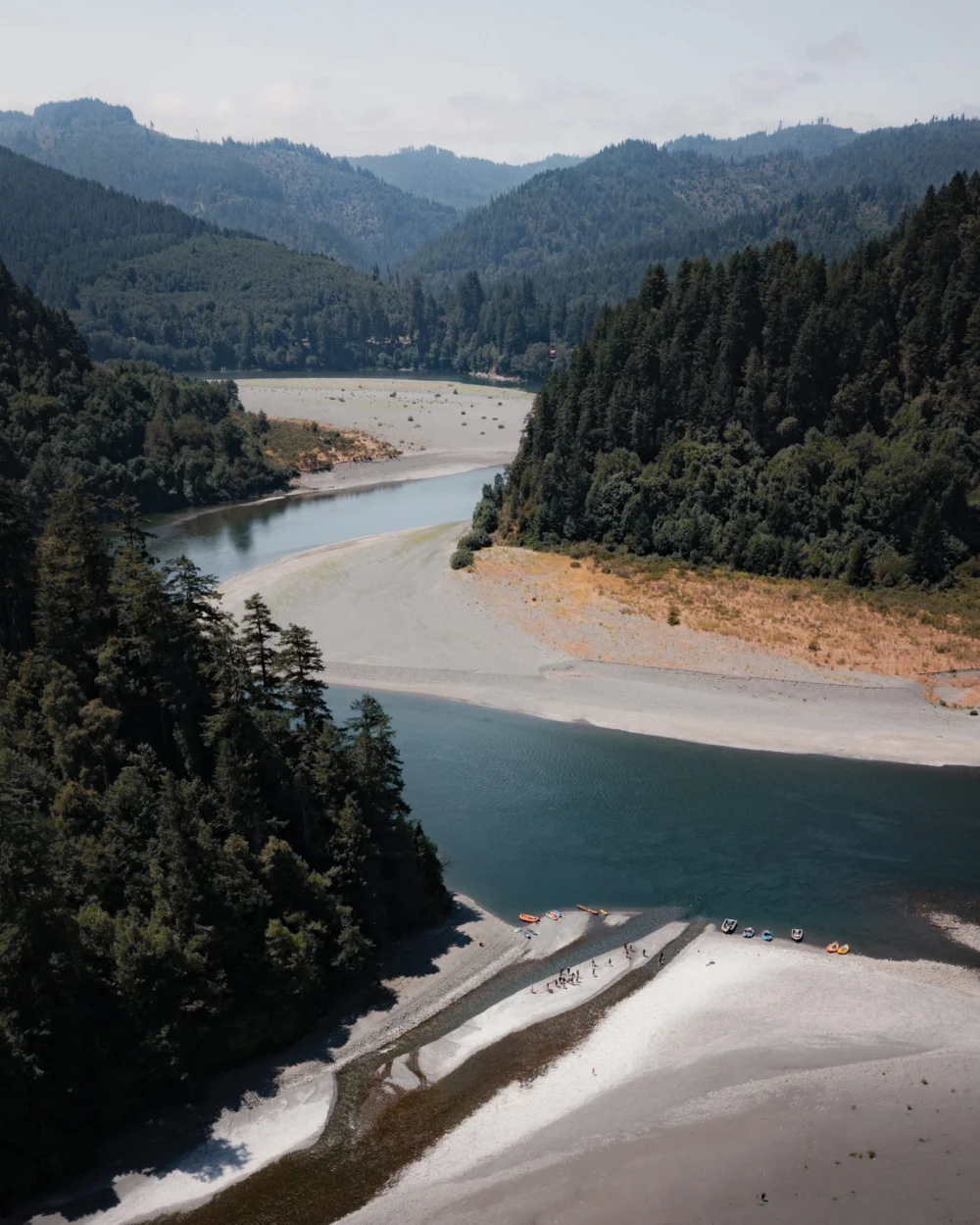
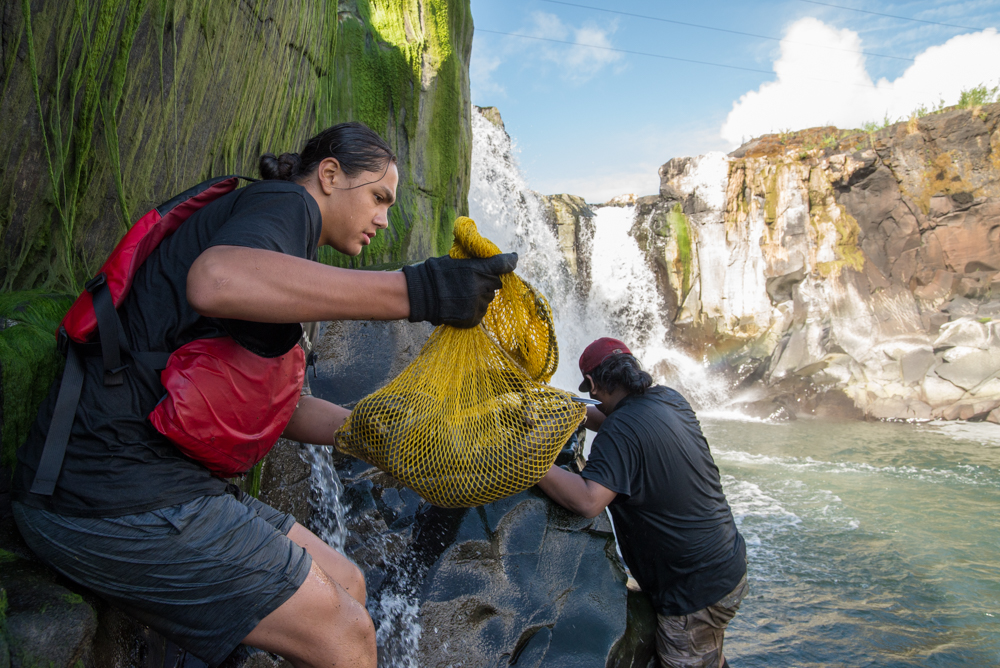
The cold, crystalline waters of Blue Creek, a vital refuge for endangered salmon and a site of profound cultural importance to the Yurok Tribe, carve through ancient bedrock and over tumbled-smooth gray stones before merging with the mighty Klamath River in Northern California. Last summer, a monumental 14,000 acres, encompassing the pristine Blue Creek watershed, was formally returned to the tribe, marking the culmination of the largest tribal land return in California’s history. This transfer, the final phase of a 47,100-acre reclamation project that previously saw these lands exploited by timber companies, was the result of a determined 23-year effort. Achieved through a critical partnership with the Western Rivers Conservancy, which systematically acquired the land in phases, this return more than doubles the Yurok Tribe’s existing landholdings, a stark contrast to the historical dispossession that saw them lose over 90% of their ancestral territories to colonizers. The restoration of these lands is not merely a legal transaction; it represents a profound ecological and cultural victory, allowing the Yurok to reclaim stewardship over a landscape intrinsically linked to their identity, spiritual practices, and traditional way of life, particularly concerning the health of the salmon, a keystone species for their culture, sustenance, and economy.
"The impact of this project is enormous," stated Yurok Tribal Chairman Joseph L. James, encapsulating the profound significance of the transfer. "We are forging a sustainable future for the fish, forests and our people that honors both ecological integrity and our cultural heritage." This sentiment resonates across the Western United States, where the Blue Creek land return stands as a powerful example within a growing wave of efforts by tribal nations to regain their ancestral lands, a movement often termed "LandBack." These efforts, increasingly gaining momentum in recent years, seek to rectify historical injustices, re-establish Indigenous sovereignty, and promote traditional ecological stewardship. While shifts at the federal level can influence the pace and scale of these returns, the past year has underscored the critical importance of state-level action and funding in achieving the LandBack movement’s ambitious goals. In California, for instance, the state has emerged as a significant partner, providing crucial financial backing for the roughly 32,000 acres of land returned to four distinct tribal nations across the state within the last year alone, including the seminal Blue Creek watershed.

California Governor Gavin Newsom articulated the state’s evolving stance, stating, "Restoring tribal lands is an acknowledgment of a harmful history of dispossession, a demonstration of accountability, and a commitment to a better future. We will not forget our dark past, but we can write a brighter future by healing deep wounds and rebuilding trust across California." This strong declaration from the state’s highest office signifies a profound shift in policy and perspective, moving beyond mere recognition to active reconciliation. The state’s active support for land returns directly stems from Governor Newsom’s landmark 2019 acknowledgement and formal apology for the historical wrongs perpetrated against California’s tribal nations, an apology that openly recognized the state’s role in the genocide and forced displacement of Indigenous peoples. This commitment has been further institutionalized through the establishment of the California Truth and Healing Council. Furthermore, these land transfers align seamlessly with California’s ambitious environmental agenda, specifically its commitment to combating climate change and protecting 30% of its land and coastal waters for conservation by 2030, a goal increasingly recognized as achievable and sustainable through Indigenous co-management and stewardship. Traditional ecological knowledge (TEK), honed over millennia, offers invaluable insights into managing ecosystems resiliently, often surpassing conventional conservation approaches in effectiveness and long-term sustainability.
Beyond the Yurok, California has been instrumental in facilitating several other significant land returns, demonstrating a statewide commitment to the LandBack movement. In December, nearly 900 acres bordering the iconic Yosemite National Park were repatriated to the Southern Sierra Miwuk Tribe, a move that restores their cultural ties to a landscape central to their heritage and provides opportunities for traditional land management practices within a globally recognized natural treasure. Just two months prior, in October, the Tule River Indian Tribe reclaimed a substantial 17,030 acres in the Central Valley. Here, the tribe is not only reasserting its ancestral claims but also actively collaborating with the state on ambitious reintroduction programs for the majestic tule elk, a species vital to the region’s biodiversity and historically significant to the tribe. Similarly, in November, the state approved vital financial support to assist the Washoe Tribe of Nevada and California in reacquiring 10,274 acres of former ranchland nestled in the Northern Sierra Nevada. This return is particularly poignant for the Washoe, who suffered forced removal from these very lands. As Tribal Chairman Serrell Smokey powerfully articulated, "Wá∙šiw people were once forcefully removed from these lands. Now the land is calling the Washoe people home, and we are answering that call." These examples collectively illustrate a growing understanding among state authorities that rectifying historical injustices and achieving critical environmental goals are often intertwined, best served by empowering Indigenous communities as primary stewards of their ancestral domains.
The momentum of the LandBack movement extends beyond California’s borders, with significant returns observed across the broader Western United States. In North Dakota, the Spirit Lake Nation celebrated the return of 680 acres located within the White Horse Hill National Game Preserve. Since the 1950s, the U.S. Fish and Wildlife Service had utilized this property primarily for hay production to support buffalo populations at White Horse Hill, though this practice had ceased over the past decade. The returned land, situated within the reservation’s original boundaries, is rich in native plants that the tribe is committed to preserving, while also strategically exploring its potential for sustainable economic development that aligns with their cultural values and environmental stewardship. Further north, the NANA Regional Corporation, an influential Alaska Native corporation representing 11 villages in Northwest Alaska, received nearly 28,000 acres from the Department of the Interior. This transfer, while framed by Interior Secretary Doug Burgum as furthering resource development in Alaska, is deeply rooted in the complex history of the Alaska Native Claims Settlement Act (ANCSA) of 1971. ANCSA, a landmark piece of legislation, sought to resolve long-standing Indigenous land claims by granting Alaska Natives fee simple title to 44 million acres of land and nearly a billion dollars. Since its enactment, over 700,000 acres have been transferred to Alaska Native corporations, fostering a unique model of Indigenous land ownership and economic development. A more recent development, President Donald Trump’s signing of the Alaska Native Village Municipal Lands Restoration Act, further streamlined these processes by removing a previous requirement that some land be held in trust by the state government for future village corporations, thus enabling existing corporations to utilize previously unused lands more effectively.

Crucially, the LandBack movement encompasses more than just the physical return of acreage; it is fundamentally about the preservation of places imbued with profound historical, cultural, and spiritual significance for Indigenous communities, and the assertion of sovereignty over these ancestral domains. Across the Southwest, many tribes and their climate allies continue to wage determined battles to protect sacred areas from the relentless pressures of extractive industries, even as political administrations, like the Trump era, have sought to ramp up domestic energy and resource development. One of the most fiercely contested sites is Oak Flat, or Chí’chil Biłdagoteel in the Apache language, an area held sacred by the San Carlos Apache Tribe of southern Arizona. This hallowed ground remains under existential threat from a proposed massive-scale copper-mining effort by Resolution Copper, a joint venture between global mining giants Rio Tinto and BHP. The potential mine, if realized, would employ a highly destructive method known as block cave mining, creating a massive crater and destroying a site vital for Apache ceremonies, traditional plant gathering, and spiritual practices. In response, newly elected Representative Adelita Grijalva introduced the "Save Oak Flat from Foreign Mining Act" as her inaugural piece of legislation, carrying forward the legacy of her late father, Raúl Grijalva. This proposed bill aims to repeal a controversial land swap, enacted through a rider in a 2014 defense bill, which would transfer the federal land to the foreign mining corporations. Earlier this year, the U.S. Supreme Court declined to hear a crucial case brought by the non-profit advocacy group Apache Stronghold, which argued that the land transfer violated Indigenous religious rights guaranteed by the Religious Freedom Restoration Act and breached treaty obligations. This legal setback intensifies the urgency for legislative intervention, highlighting the ongoing struggle to protect sacred sites from industrial exploitation.
Concurrently, in New Mexico, Pueblo tribal leaders remain steadfast in their efforts to preserve the unparalleled archaeological and spiritual landscape of Chaco Canyon from further oil and gas development. Chaco Culture National Historical Park, a UNESCO World Heritage site, represents the heart of an ancient civilization, with sophisticated architectural complexes and astronomical alignments that hold immense spiritual meaning for contemporary Pueblo peoples across the Southwest. The Biden administration had previously enacted a 10-mile buffer zone around the park, prohibiting new oil and gas leasing and development within this critical area. However, this measure sparked a complex legal challenge earlier this year when the Navajo Nation filed a lawsuit against the federal government. The Navajo Nation argued that the Biden administration failed to conduct proper tribal consultation before implementing the buffer zone, and critically, that the prohibition negatively impacted local Navajo residents who rely on oil and gas royalties and employment from development within the proposed zone. This highlights the intricate balance required when balancing conservation, cultural preservation, and the economic realities of Indigenous communities, particularly in regions where "split estate" issues complicate land management. Despite this legal contention, New Mexico federal legislators, urging Interior Secretary Deb Haaland to prioritize robust tribal consultation and community outreach, reintroduced legislation to make the Chaco buffer zone permanent, underscoring the broad support for its protection. Yet, the federal government is now reportedly considering a full revocation of the buffer, signaling the precarious and ongoing nature of these conservation battles and the persistent tension between resource extraction and Indigenous cultural preservation.
These localized struggles and triumphs in the American West reflect a global Indigenous movement to reclaim ancestral lands and assert self-determination. From the Mabo decision in Australia recognizing Aboriginal land rights to co-management agreements in Canada and New Zealand, Indigenous communities worldwide are increasingly leveraging legal, political, and social avenues to restore their traditional roles as stewards of the land. The LandBack movement is not merely about ownership; it is a profound reassertion of Indigenous identity, culture, and governance, offering a paradigm shift towards more sustainable and equitable land management practices. The successes, like the Yurok Tribe’s reclamation of Blue Creek, provide powerful models for ecological restoration, cultural revitalization, and economic self-sufficiency, demonstrating the immense potential of Indigenous-led conservation efforts. However, the ongoing battles for places like Oak Flat and Chaco Canyon serve as stark reminders that the path to full decolonization and justice remains fraught with challenges, requiring sustained advocacy, political will, and a fundamental re-evaluation of historical narratives and power structures. The future of these lands, and indeed the planet, increasingly depends on recognizing and empowering Indigenous peoples as vital partners in conservation and climate action, ensuring that their voices and traditional knowledge guide the stewardship of the Earth for generations to come.