Rocky Gerung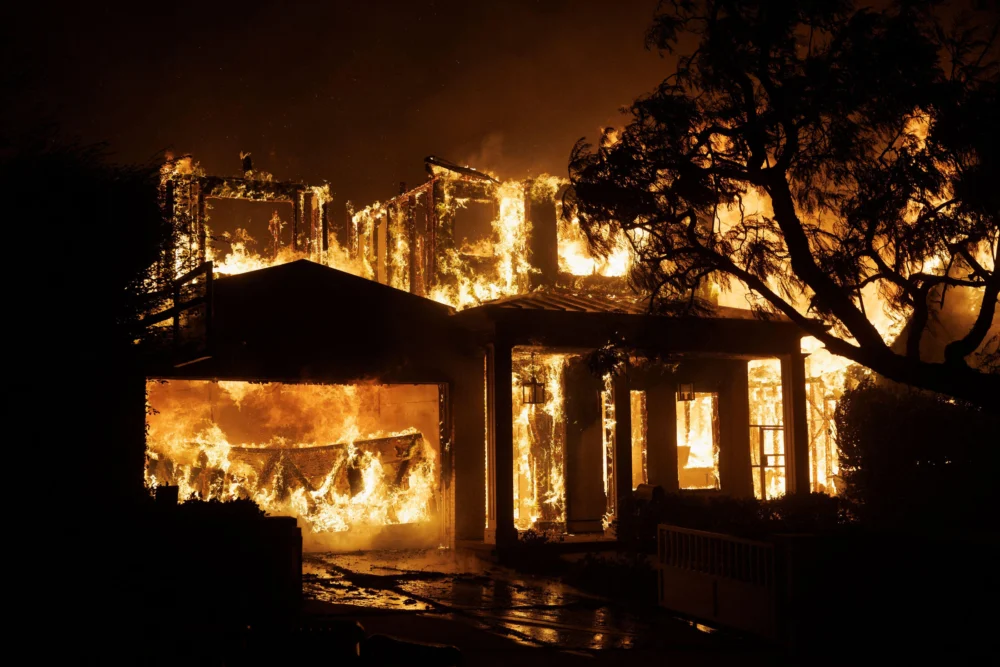
A recent lawsuit filed by two Washington residents against petroleum corporations represents a significant escalation in legal challenges aimed at holding the fossil fuel industry accountable for its role in climate change and its cascading economic impacts, particularly on the insurance sector. This legal action uniquely targets the industry not just for misleading the public about the effects of fossil fuels, but for the direct consequences of increased carbon emissions: the intensification of extreme weather events, which in turn have precipitated a widespread homeowners’ insurance crisis.
The surge in climate-related disasters in recent years has inflicted billions of dollars in damage, directly contributing to a sharp rise in insurance premiums. This escalating cost has significantly impacted insurers’ profitability, forcing them to implement premium increases that far outpace general inflation, especially in regions frequently affected by natural catastrophes. Consequently, many insurance providers are withdrawing coverage from high-risk areas, either by canceling existing policies or refusing to renew them, leaving homeowners in vulnerable locations struggling to secure adequate protection.

This trend exacerbates existing housing affordability challenges, disproportionately affecting lower-income families. The availability and cost of insurance are becoming significant barriers to homeownership, potentially stifling the housing market in disaster-prone zones. Conversely, higher premiums in these riskier areas might serve as a deterrent to new construction in the wildland-urban interface, a critical factor in wildfire mitigation strategies.
While the courts will ultimately determine the extent of liability for major fossil fuel companies, the correlation between a warming planet and rising insurance costs is undeniable. A 2024 report from the U.S. Senate Budget Committee starkly illustrates this connection, stating, "Unless the United States and the world rapidly transition to clean energy, climate-related extreme weather events will become both more frequent and more violent, resulting in ever-scarcer insurance and ever-higher premiums." The report emphasizes that climate change has transcended environmental concerns to become a significant economic threat.
Between 2018 and 2022, climate-related disasters caused an estimated $114 billion in damages, with $80 billion of that amount being insured. This period saw a doubling of disaster declarations for climate-related incidents compared to the national 50-year average, according to an early 2025 analysis by the U.S. Department of the Treasury’s Federal Insurance Office. This surge in insured losses has strained the financial capacity of insurance companies.

Nationwide, average homeowners insurance premiums rose 8.7% faster than inflation during the 2018-2022 period. However, residents in disaster-prone areas experienced substantially higher increases, provided they could still obtain coverage at all. For instance, the devastating Eaton and Palisades fires in the Los Angeles area in January 2025 resulted in the destruction of 16,251 homes and damage to an additional 2,046, leading to an estimated $40 billion in insured losses. This figure is four times the insured losses from the 2018 Camp Fire, which caused $10 billion in damages.
The scale of these events has led major insurers to re-evaluate their exposure. In 2024, State Farm alone canceled nearly 400,000 policies in California since 2021, including approximately 72,000 homeowners, rental dwelling, commercial apartment, and other property policies due to "catastrophe exposure." These cancellations reflect a broader trend of insurers becoming more risk-averse in areas prone to wildfires, floods, and other extreme weather events. State Farm’s experience with the Eaton and Palisades fires, where it reported paying out $36 billion for 13,500 claims, prompted it to seek an emergency 22% rate hike from state insurance regulators.
This challenging insurance landscape stands in contrast to the financial performance of the industry. In 2024, 22 publicly traded insurance companies reported combined profits of $220 million, with significant CEO compensation also noted, highlighting a potential disconnect between industry profitability and the affordability of its products for consumers.

The escalating frequency and intensity of extreme weather events are intrinsically linked to global climate change, a phenomenon largely driven by the historical and ongoing burning of fossil fuels. Scientific consensus indicates that human activities, primarily the emission of greenhouse gases, are warming the planet at an unprecedented rate. This warming trend disrupts established weather patterns, leading to more volatile and destructive events such as prolonged droughts, more intense heatwaves, heavier rainfall, and more powerful storms. The insurance industry, designed to mitigate financial risks associated with unforeseen events, is now grappling with a fundamental shift in the frequency and severity of these risks, a shift that is directly attributable to the changing climate.
The legal battles initiated by individuals and potentially by states and municipalities are part of a broader movement to address the societal and economic consequences of climate change. These lawsuits aim to establish legal precedent for corporate responsibility in contributing to climate impacts. The outcomes of these cases could have profound implications for the fossil fuel industry, potentially leading to significant financial liabilities and influencing future energy policies and investments.
Beyond the legal arena, the insurance crisis is prompting a re-evaluation of land-use planning and building codes, particularly in high-risk areas. Communities are increasingly looking at strategies to enhance resilience, such as improving wildfire defensible space, implementing stricter building standards for flood and wind resistance, and investing in natural infrastructure that can buffer against extreme weather. However, the financial burden of these adaptations often falls heavily on local governments and individual property owners, further underscoring the need for systemic solutions.

The current situation highlights a critical juncture where environmental, economic, and legal considerations converge. As the planet continues to warm, the insurance market faces a period of significant disruption, characterized by rising premiums, reduced availability of coverage, and increasing demand for climate resilience. The lawsuits against the fossil fuel industry suggest a growing societal expectation that those who have contributed most to the problem should bear a greater share of the responsibility for addressing its consequences. The coming years will likely see continued legal challenges, policy debates, and innovative approaches to managing the escalating risks associated with a changing climate. The future of affordable insurance, and indeed the stability of communities in vulnerable regions, may depend on the effective resolution of these complex, interconnected issues.