Roger Danuarta
Across the vast and varied landscapes of the American West and beyond, a confluence of historical injustices, pressing environmental concerns, and rapid technological shifts is prompting a profound re-evaluation of humanity’s impact on both society and nature. From the enduring scars of urban displacement to the delicate balance of fragile ecosystems and the immense energy demands of the digital age, communities are grappling with legacies that demand acknowledgment and futures that require urgent, informed action.
The profound intertwining of culture and community, particularly within historically marginalized groups, resonates deeply through the annals of American history. Recollections from individuals who witnessed the vibrant Black cultural scenes in cities like Detroit in the mid-20th century, where young musicians from diverse backgrounds found common ground in jazz and blues, underscore the richness that once thrived. However, this cultural tapestry was often brutally unraveled by systemic policies such as redlining and destructive urban renewal projects. These practices, which geographically segregated communities and demolished vital neighborhoods under the guise of progress, were not unique to any single metropolis. Their devastating effects, which saw thriving Black communities like Roanoke, Virginia, and Portland, Oregon, dismantled, illustrate a universal theme: the immense power of Black music and culture to uplift, contrasted starkly with the relentless, destructive force of policies designed to undermine and displace these very communities. The echoes of these actions continue to shape urban landscapes and societal inequalities, demanding ongoing efforts to preserve cultural heritage and address systemic inequities that persist in housing, economic opportunity, and civic participation.
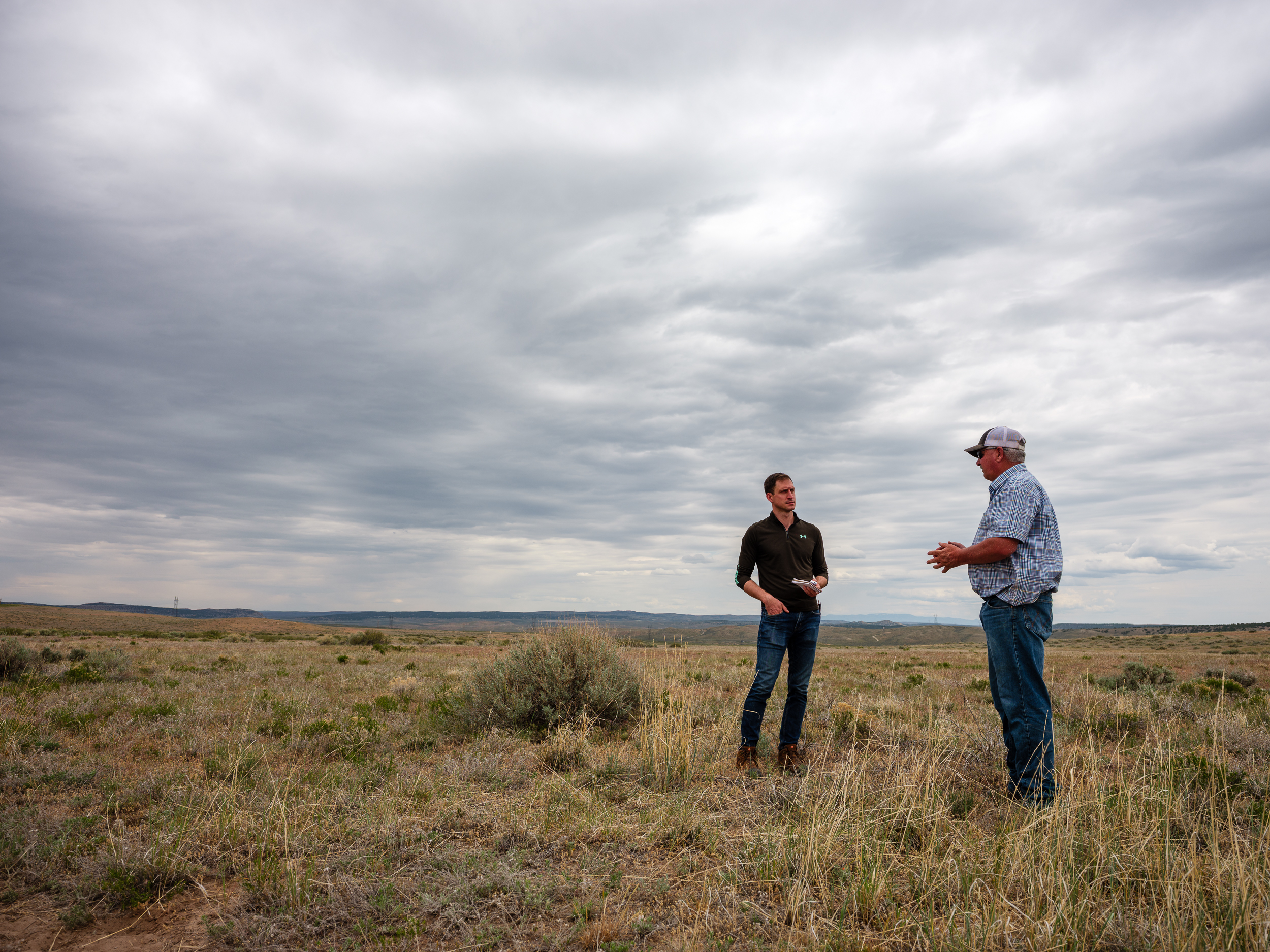
Environmental stewardship remains a critical, often contentious, issue, especially concerning the management of vast public lands. The delicate balance of ecosystems, particularly in the sagebrush steppe of the American West, faces constant threats from human activities. Overgrazing, a recurring theme in land management debates, continues to inflict significant damage on these vital habitats, directly impacting iconic species such as the greater sage-grouse. Despite established standards and regulations by government agencies tasked with protecting these natural resources, the persistent influence of powerful agricultural interests often leads to a failure in enforcement, leaving wildlife vulnerable. This struggle highlights a broader global challenge: balancing economic imperatives with ecological preservation. Across continents, similar conflicts arise where traditional pastoral practices or industrial agriculture infringe upon critical wildlife corridors and natural habitats, leading to biodiversity loss and the degradation of essential ecosystem services. The ongoing plight of the sage-grouse serves as a poignant reminder of the urgent need for robust, independent oversight and a stronger commitment to conservation principles on public lands worldwide.
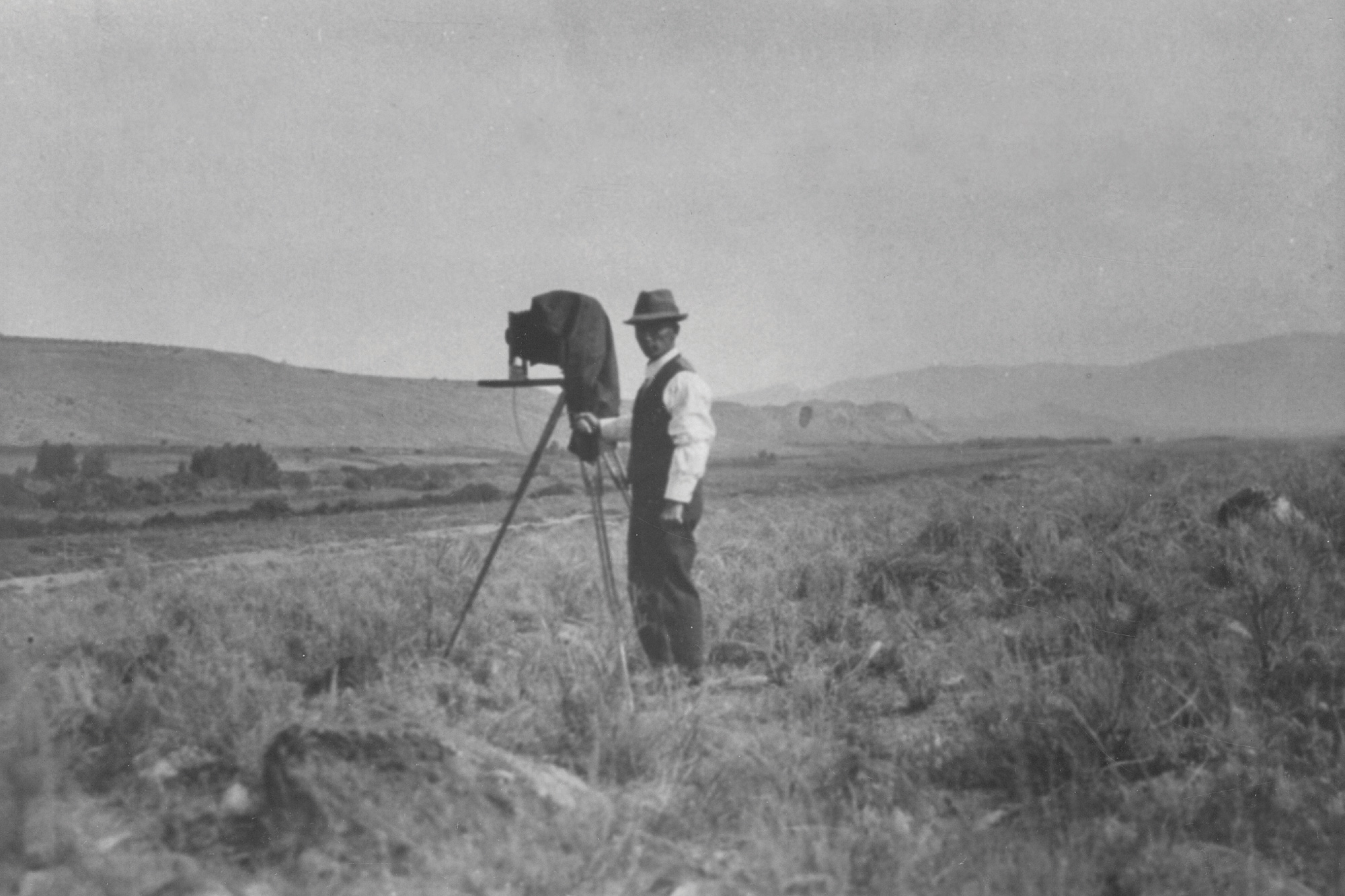
The intersection of art, history, and social justice provides a powerful lens through which to understand and respond to the challenges of our era. The enduring legacy of figures like Ansel Adams, whose monumental photographs helped shape the American conservation movement, inspires reflection not only on the beauty of nature but also on the moral imperative to bear witness to injustices. Adams’s work, viewed through a contemporary lens, underscores the artist’s role in documenting both the sublime and the struggles of humanity. This call to observe and to act extends beyond the visual arts, encompassing the broader responsibility of individuals and institutions to engage critically with historical narratives, confront past wrongs, and champion causes of justice. Globally, artists, journalists, and activists continue to leverage various media to expose environmental degradation, human rights abuses, and social inequities, reinforcing the timeless admonition to acknowledge reality and respond with courage and conviction.

A deeper understanding of "deep time" – the immense span of Earth’s geological history – offers crucial perspective on humanity’s place in the cosmos and our responsibilities to the planet. This concept, which stretches from the formation of continents to the evolution of species like the resilient pronghorn, a survivor of the Pleistocene era, provides essential context for contemporary environmental debates. It challenges the anthropocentric notion that Earth is merely a resource to be extracted and endlessly altered. Instead, contemplating geological time reveals nature’s intrinsic value and highlights the profound implications of human actions on a planet that reshapes itself over millennia, not decades. This perspective underscores a moral duty for intergenerational equity, urging responsible management of impacts to prevent disproportionate harm to vulnerable populations both now and in the future. The very bedrock of our existence, geology, teaches us stewardship, emphasizing that what we extract and how we alter air, water, soil, and land have consequences that ripple through vast timescales.
The evolution of scientific understanding, often marked by initial skepticism and eventual acceptance, further illustrates the dynamic nature of knowledge. The journey of plate tectonics from a radical hypothesis, initially met with resistance even in academic circles as late as the 1970s, to a foundational theory in Earth sciences, exemplifies this progression. Pioneers like Tanya Atwater played pivotal roles in advancing such groundbreaking ideas, kicking open doors for future generations of scientists. This historical resistance to new paradigms, whether concerning continental drift or early human settlement patterns in the Americas, highlights the complex interplay of scientific evidence, entrenched viewpoints, and even individual egos. It serves as a vital reminder for the public to approach scientific "consensus" with informed caution, understanding that it is a constantly evolving dialogue, not an immutable dogma. The process of scientific discovery is iterative, fueled by ongoing research, critical analysis, and the courage to challenge established norms.
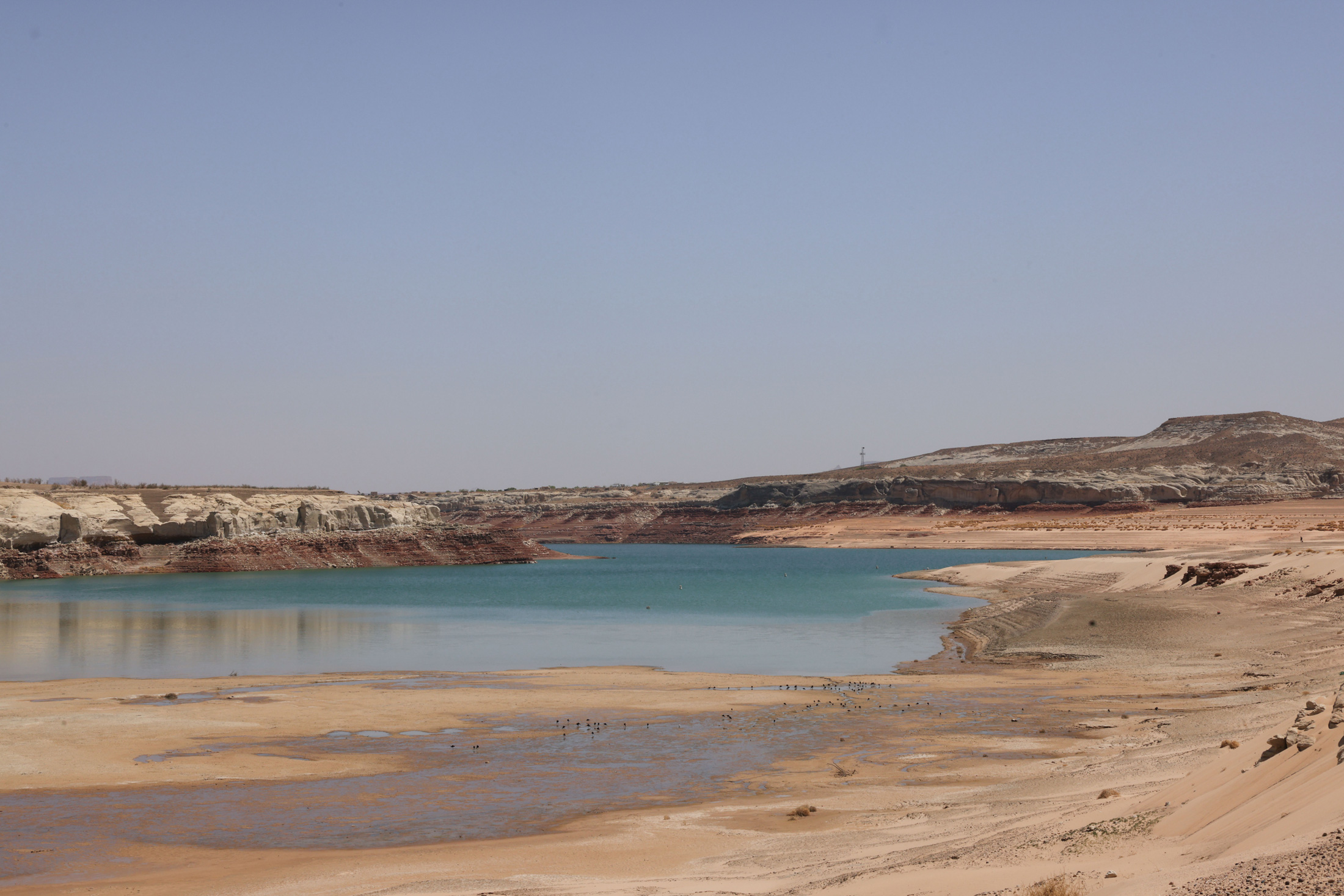
The geological grandeur of the Western United States, from the iconic formations of Yellowstone and the Grand Canyon to countless lesser-known outcrops, offers a spectacular natural classroom. These landscapes, sculpted over eons, tell stories of Earth’s dynamic past, yet they are increasingly vulnerable to the pressures of modern society. While visitors marvel at their unique development, vast tracts of these geologically rich regions, including designated national monuments and remote backroads, face escalating threats from damage and exploitation. The global demand for critical minerals—ranging from lithium and rare earth elements essential for green technologies to traditional resources like copper and phosphates—drives extensive mining operations. This pursuit of profit from the rocks that hold the planet’s fundamental resources creates a direct conflict between conservation and economic imperatives. Balancing the imperative to transition to renewable energy with the need to protect sensitive ecosystems from the impacts of mining represents one of the most significant environmental challenges of our time, requiring careful planning and robust regulatory frameworks to prevent irreversible damage to these irreplaceable natural treasures.
Finally, the relentless expansion of digital infrastructure presents a contemporary challenge with far-reaching environmental implications, particularly in regions like the American West. Proposals for massive data centers are proliferating across the landscape, often without sufficient public understanding of their true footprint. These facilities, the backbone of our interconnected world, demand staggering amounts of energy and water, placing immense strain on local resources and contributing significantly to global carbon emissions. The perception that these developments are unique to specific localities, such as Utah, belies a broader global trend where the digital economy’s physical presence is rapidly expanding, often in areas with access to cheap land, cooler climates, or abundant power. As societies become increasingly reliant on cloud computing and digital services, the "invisible infrastructure" of the internet becomes a visible force, reshaping land use, intensifying demand for finite resources, and adding a new dimension to the complex interplay between technological advancement and environmental sustainability. Understanding and mitigating these impacts is crucial for forging a truly sustainable digital future.