Roger Danuarta
The enduring legacy of systemic urban planning failures and the vibrant resilience of cultural expression continue to shape communities across the United States, a poignant narrative underscored by personal reflections on the mid-20th century. In cities like Detroit, Portland, and Roanoke, restrictive practices such as redlining and subsequent destructive urban renewal projects systematically dismantled thriving Black neighborhoods, severing social ties and economic opportunities. Yet, amidst these challenges, Black music consistently emerged as a powerful force of community cohesion and artistic innovation. Recollections from 1940s Detroit highlight the profound cross-cultural connections forged through music, where young musicians from different racial backgrounds transcended societal barriers to jam in homes within Black neighborhoods, illustrating music’s unique ability to bridge divides even in an era of overt segregation. This pattern of cultural flourishing in the face of adversity, alongside the widespread destruction of Black communities, reveals a universal theme of both hardship and enduring spirit that reverberates through American history.
The devastating effects of redlining, a discriminatory practice that systematically denied services and investments to specific neighborhoods, primarily those inhabited by racial and ethnic minorities, created economic and social disparities that persist to this day. This practice, alongside subsequent urban renewal initiatives often dubbed "negro removal," displaced hundreds of thousands of people and destroyed vital community infrastructure, from small businesses to cultural institutions. The echoes of these policies are still felt in the spatial segregation and economic marginalization of many urban areas, including rapidly growing Western cities. Understanding this historical context is crucial for comprehending contemporary discussions around equity, housing, and access to resources, highlighting the long-term societal costs of neglecting marginalized communities.
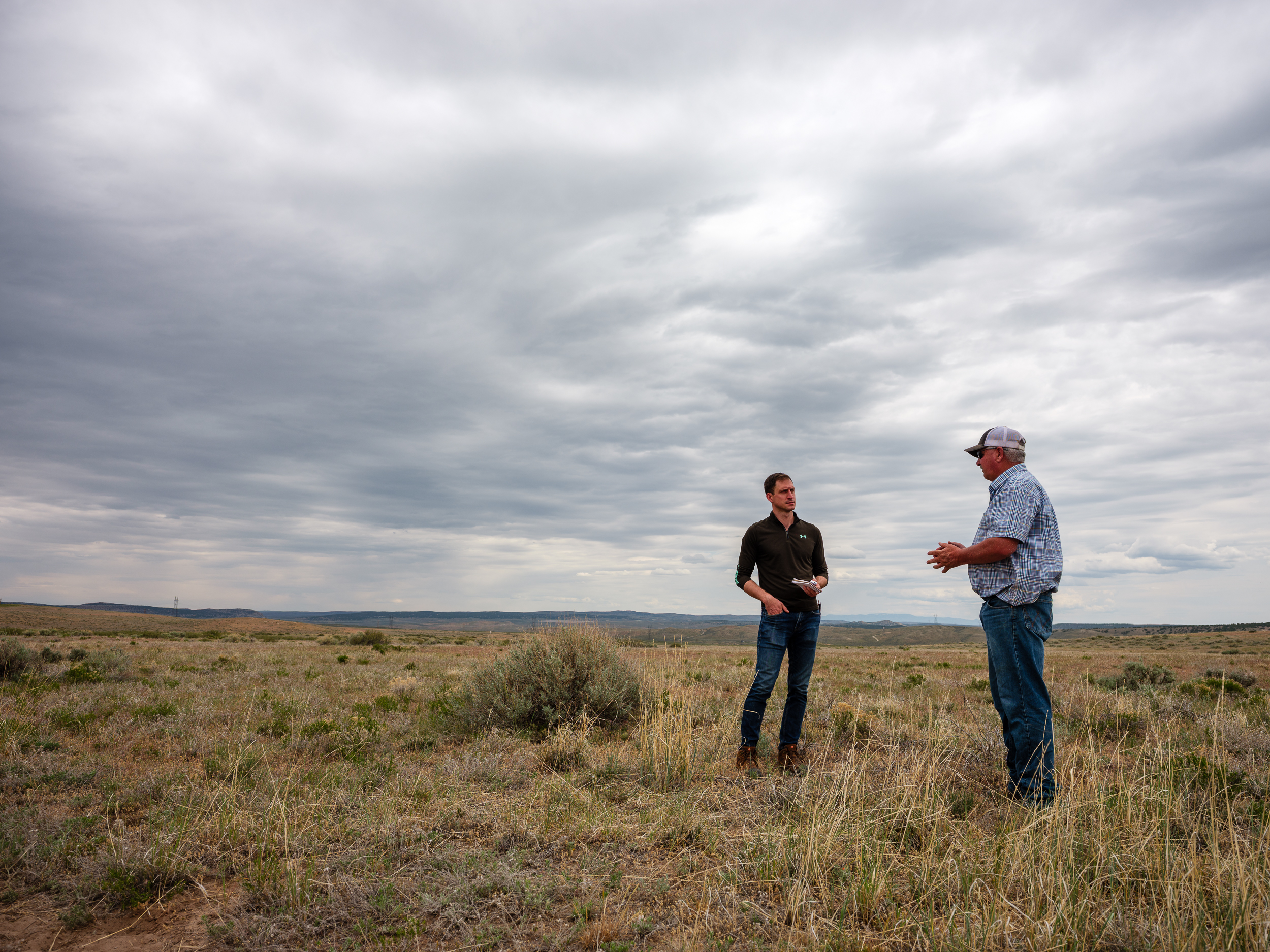
Beyond the urban landscape, critical issues of environmental stewardship continue to challenge the American West, particularly regarding the sustainable management of vast public lands. The persistent problem of overgrazing, a decades-long concern, remains a significant threat to delicate ecosystems and endangered wildlife. Reports frequently detail instances where government agencies tasked with protecting these lands fail to enforce their own established standards, allowing cattlemen and powerful agricultural interests to dictate land use policies. This imbalance often results in severe ecological damage, impacting crucial habitats for iconic species such as the greater sage-grouse, whose survival is inextricably linked to the health of the sagebrush steppe. The degradation of these vital rangelands underscores a broader conflict between economic exploitation and ecological preservation, demanding greater accountability and a renewed commitment to science-based land management practices to safeguard biodiversity and ecosystem resilience for future generations.
The political economy of public lands in the West often pits conservation efforts against entrenched ranching traditions and the powerful lobbying efforts of agricultural sectors. This dynamic frequently results in regulatory loopholes or a lack of enforcement, contributing to issues like soil erosion, diminished water quality, and the spread of invasive species, all of which compromise the long-term health of these irreplaceable natural assets. The struggle to protect species like the sage-grouse, a bellwether for the health of the entire sagebrush ecosystem, highlights the urgent need for a more balanced approach to land use, one that prioritizes ecological integrity and long-term sustainability over short-term economic gains. Effective conservation requires not only robust scientific data but also the political will to implement and enforce regulations that protect public resources from undue private exploitation.
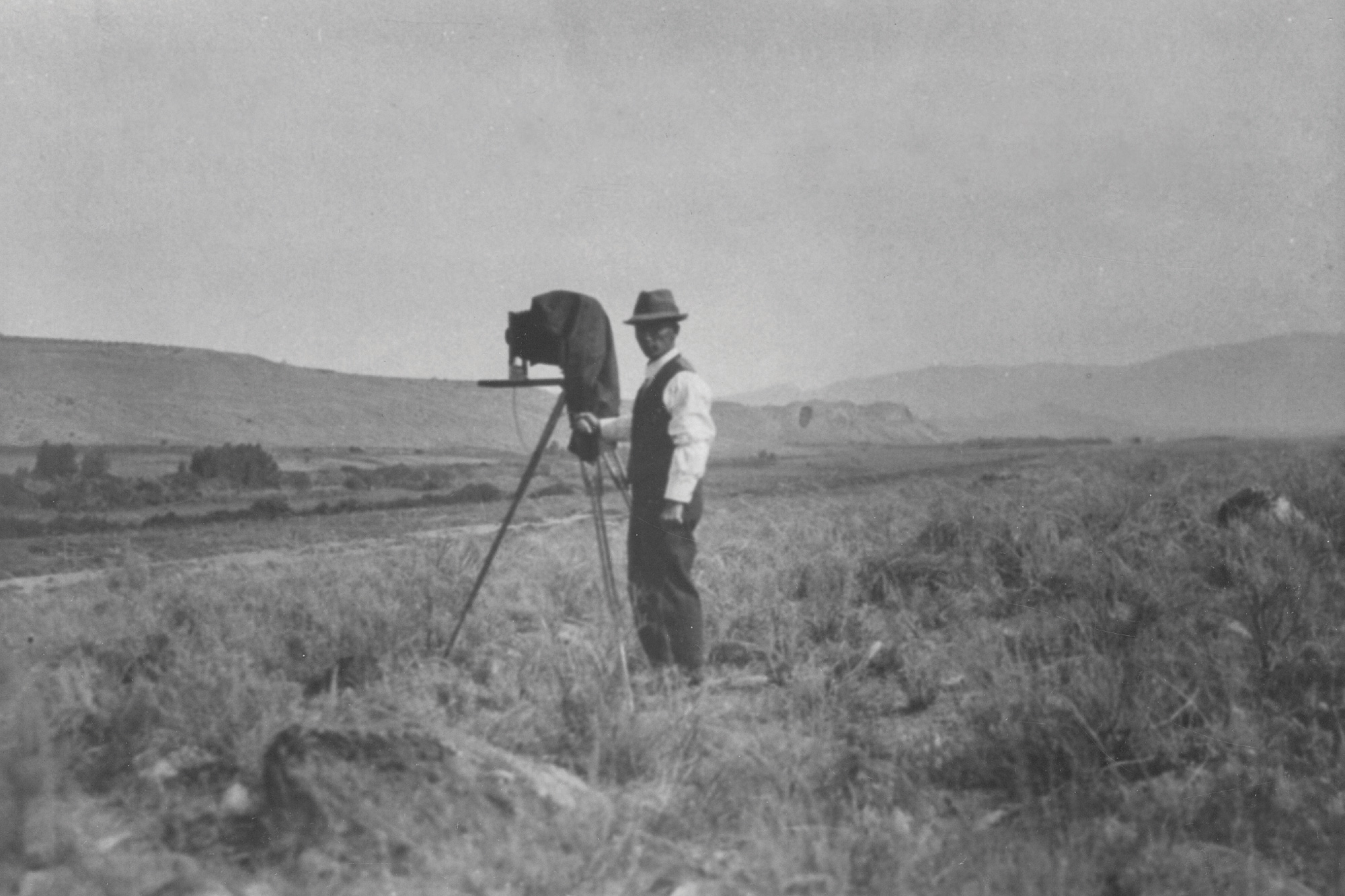
In an era defined by rapid environmental change and complex social challenges, the role of observation and advocacy takes on renewed significance. The enduring power of art, particularly photography, to "bear witness" to both natural beauty and human impact, is more relevant than ever. Figures like Ansel Adams, renowned for his breathtaking black-and-white landscapes of the American West, not only captured the majesty of nature but also contributed to the burgeoning conservation movement. His work, often seen as a call to protect wilderness, implicitly encouraged viewers to acknowledge their connection to the land and their responsibility towards its preservation. This admonition to observe, understand, and respond extends beyond artistic expression to a moral imperative to address contemporary issues of justice and injustice, whether environmental, social, or historical. Bearing witness implies an active engagement with the world, urging individuals to not merely see but to act on what they perceive, advocating for a more equitable and sustainable future.

The profound concept of "deep time" offers a transformative lens through which to understand our planet’s history and humanity’s place within it. This geological perspective, spanning billions of years, reveals Earth as a dynamic, continually reshaping entity, profoundly impacting how we view resource extraction and environmental alteration. Recognizing the immense timescales involved in geological processes helps us appreciate the intrinsic value of natural systems and the irreversible consequences of thoughtless human intervention. The notion that Earth endlessly reshapes itself, often invoked to justify limitless resource extraction and environmental degradation, is fatally misguided when viewed through the lens of deep time, which teaches us that while Earth’s processes are vast, human-induced changes can occur at rates far exceeding natural adaptation, leading to catastrophic and often permanent alterations. Embracing deep time fosters a deep appreciation for intergenerational equity, compelling us to consider the long-term impacts of our actions on future inhabitants and to manage our environmental footprint with profound responsibility.
The journey of scientific discovery itself often involves challenging established "consensus" viewpoints, a process vividly illustrated by the eventual acceptance of the theory of plate tectonics. Initially met with skepticism and even outright dismissal by some prominent figures in the scientific community, particularly in the mid-20th century, the revolutionary idea of continental drift and the broader framework of plate tectonics gradually gained traction through meticulous research and compelling evidence. Early proponents faced an uphill battle against deeply entrenched geological paradigms. However, the relentless work of pioneering scientists, including figures like Tanya Atwater, whose detailed mapping of the ocean floor provided crucial insights into seafloor spreading and plate boundaries, ultimately proved undeniable. This triumph of empirical evidence over initial resistance underscores the dynamic and self-correcting nature of science, reminding us that critical scrutiny of prevailing theories is essential for progress and that "consensus" can evolve as new data emerges. It also highlights the courage and intellectual fortitude required to challenge established norms and "kick the doors open" for groundbreaking new understandings.
Understanding the deep geological history of the Earth provides an indispensable context for addressing today’s pressing environmental challenges, from climate change to resource depletion. The planet’s long, intricate story of formation, erosion, and transformation reveals the interconnectedness of all natural systems and the delicate balance that sustains life. Examining ancient rock formations, like those found in the dramatic landscapes of the American West, offers tangible evidence of Earth’s immense age and the slow, powerful forces that have sculpted continents and oceans. This perspective cultivates a profound respect for nature’s intrinsic value, fostering a moral duty to manage our impacts responsibly. It underscores that humans are not merely observers but active participants in shaping Earth’s future, with a moral obligation to ensure the planet remains viable for countless generations to come, recognizing that our actions today have consequences that reverberate through geological time.
Adding another layer of complexity to the modern landscape of the American West is the rapid proliferation of massive data centers. These colossal facilities, essential infrastructure for the global digital economy, are increasingly proposed and built across the region, often with significant environmental implications. While media narratives in individual states like Utah might present these proposals as unique, the "big data center buildup" is a widespread phenomenon, driven by the escalating global demand for cloud computing, artificial intelligence, and digital services. These centers require immense amounts of land, energy, and water for cooling their vast arrays of servers, placing considerable strain on already limited resources in arid and semi-arid regions. Their construction and operation raise critical questions about sustainable development, energy grids, and water rights, often leading to local community concerns about increased utility costs, noise pollution, and the overall environmental footprint.
The relentless expansion of digital infrastructure globally means that these data centers are not merely local issues but manifestations of a worldwide shift towards a data-driven society. As more of our lives move online, the physical demands of maintaining this digital realm intensify, requiring a thoughtful approach to their siting and design. Communities in the West, often attractive due to available land and sometimes cheaper energy, find themselves at the forefront of this digital gold rush. However, the environmental costs, particularly in terms of energy consumption and water usage in drought-prone areas, necessitate careful planning, robust environmental impact assessments, and innovative solutions for sustainable operation. Without proactive measures, the promise of technological advancement risks exacerbating existing resource challenges and further altering the very landscapes whose deep history and delicate ecosystems we are called to protect.
From the resilience of communities forged in the crucible of historical injustice to the ongoing struggles for environmental preservation and the emergent demands of the digital age, the American West serves as a microcosm for universal themes of human impact, natural consequence, and the enduring call to responsible stewardship. Each challenge, whether rooted in discriminatory past policies or the complexities of modern technological expansion, underscores the imperative for informed engagement, critical thinking, and a commitment to intergenerational equity, recognizing that our actions today will shape the world for countless tomorrows.