Roger Danuarta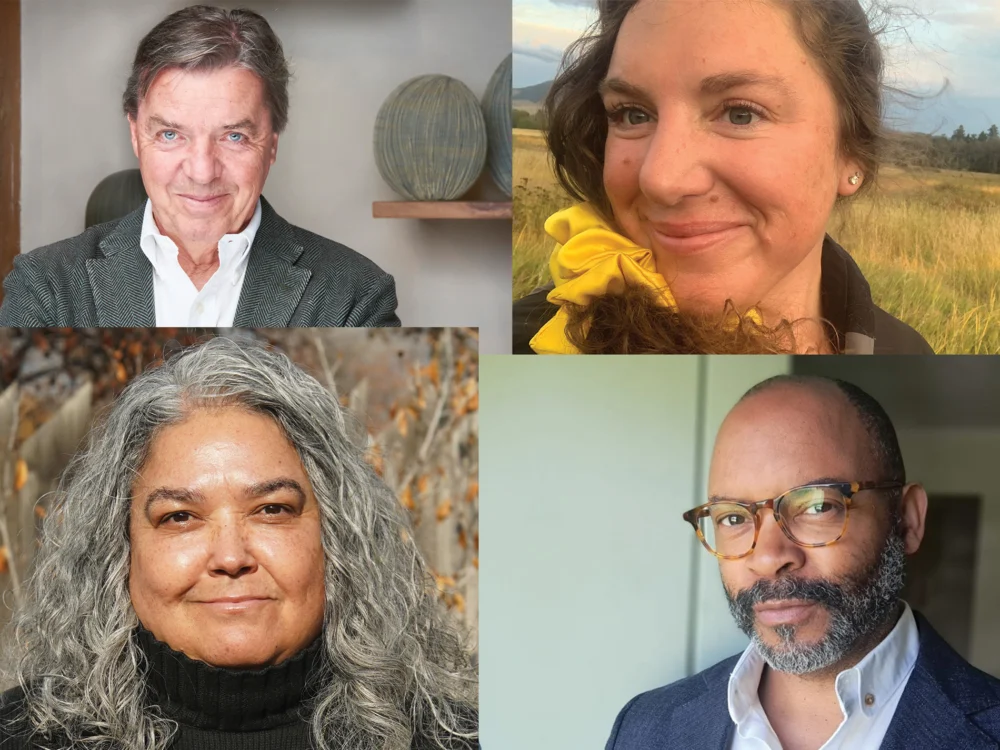
The enduring strength of High Country News, often proudly asserted, lies in its foundational identity as a reader-supported nonprofit, a model that has become increasingly vital for independent journalism in the 21st century. This unique structure ensures that approximately three-quarters of the organization’s operational revenue flows directly from its dedicated community of readers through subscriptions and generous donations, fundamentally underpinning its existence and journalistic independence. Unlike traditional commercial media outlets grappling with volatile advertising markets and evolving consumption habits, this community-centric funding model liberates High Country News to prioritize its mission: delivering in-depth, nuanced reporting on the American West’s critical environmental and social issues, rather than succumbing to the pressures of shareholder returns or sensationalist clickbait. The prominent placement of Community Pages within the magazine itself symbolically reinforces this symbiotic relationship, illustrating that its readership is, quite literally, at the very heart of its operations and editorial vision.

Central to this operational framework is its status as a nonprofit organization, specifically registered under section 501(c)(3) of the federal tax code. This designation confers several crucial benefits, including the tax-exempt nature of reader donations, which incentivizes philanthropic support for its public service journalism. More significantly, it mandates governance by a volunteer board of directors, a critical oversight body working in close collaboration with the senior management team. This board is entrusted with the profound responsibility of ensuring prudent financial management, strategic direction, and unwavering adherence to the organization’s core mission. Their collective expertise guides High Country News in navigating the complex landscape of media economics, technological shifts, and the ever-present demand for credible, impactful reporting.
The board’s composition is dynamic and carefully curated, with members serving three-year terms, limited to three consecutive terms to ensure a regular influx of fresh perspectives and expertise. This commitment to periodic rotation is a best practice in nonprofit governance, preventing stagnation and fostering continuous innovation. The rigorous selection process prioritizes individuals who not only demonstrate a profound commitment to High Country News’s mission of environmental and social justice reporting in the West but also possess the requisite skills for effective nonprofit stewardship. Crucially, the organization actively seeks candidates whose identities and backgrounds authentically reflect the rich diversity of the American West, recognizing that a mosaic of experiences and viewpoints is essential for comprehensive coverage and inclusive decision-making.

In January, High Country News proudly welcomed four distinguished individuals to its board, each bringing a unique blend of professional acumen and personal dedication to its mission. These new appointments underscore the organization’s ongoing commitment to strengthening its strategic leadership and broadening its reach.
Tyrone Beason, a seasoned journalist with a rich and varied career, joins the board, bringing invaluable insights into storytelling and community engagement. Growing up in a working-class Black community in Bowling Green, Kentucky, Beason’s early life experiences, including working on his grandfather’s farm, instilled in him a profound, innate connection to the land and an understanding of ecological interconnectedness. "My people weren’t part of the Great Migration. I was born among the people who stayed," he recounted during his board interview, emphasizing a rootedness that transcends conventional environmental discourse. This upbringing fostered an intuitive grasp of where food originates and the intricate web of life, shaping his perspective long before he might have formally identified as an "environmentalist." His collegiate travels ignited a passion for the American West, leading him to a distinguished career as a staff writer and multimedia storyteller at the Seattle Times, where he earned widespread respect not only for his incisive reporting but also for his role as a cherished mentor to emerging journalists of color, actively fostering diversity within newsrooms. Most recently, at the Los Angeles Times, Beason delved into critical issues shaping the contemporary West, including the complexities of the 2020 election, the burgeoning movement of tribal land co-management, and the imperative for reparations addressing racist land seizures, among a myriad of other impactful stories. His extensive experience in covering the region’s socio-environmental dynamics, coupled with his dedication to inclusive narratives, will be instrumental in guiding High Country News’s editorial direction and deepening its investigative journalism.

Heather MacSlarrow, another new addition, brings a robust background in nonprofit leadership and a forward-thinking approach to land stewardship. Her journey with High Country News began during her college years, where its reporting profoundly shaped her understanding of the West and subsequently influenced her career dedicated to various regional nonprofits. Now based in Missoula, she serves as the executive director of the Society for Wilderness Stewardship, an organization at the forefront of conservation through its Wilderness Policy Center. Her work involves developing and implementing systems and processes vital for effective, high-quality wilderness management, a field increasingly challenged by climate change and growing recreational pressures. MacSlarrow has been a powerful advocate for expanding the traditional discourse surrounding wilderness and land stewardship, actively seeking to incorporate more diverse voices, particularly those of Indigenous peoples. This inclusive approach challenges long-standing, often colonial, conservation paradigms within governmental agencies and established nonprofit circles. She articulates this philosophy succinctly: "All cultures come from wilderness. Our cultural norms come from landscapes," a profound statement that underscores the deep, intrinsic connection between human societies and their natural environments, advocating for a holistic and culturally sensitive approach to environmental protection. Her expertise will be invaluable in guiding High Country News’s coverage of conservation, public lands, and Indigenous land rights, pushing for more equitable and sustainable solutions.
Amy Maestas’s appointment brings a wealth of experience in journalistic innovation and the burgeoning field of collaborative media. Hailing from Magna, Utah, nestled near the southern expanse of the Great Salt Lake, Maestas has forged a career path defined by her commitment to evolving journalistic practices. She rose through the ranks at the Durango Herald before returning to her home state to play a pivotal role in the Salt Lake Tribune‘s transformative transition to a nonprofit model, a landmark shift that garnered national attention as a potential blueprint for local journalism survival. In 2020, she further immersed herself in innovative media by joining the Solutions Journalism Network, where she directed the Local Media Project, a groundbreaking initiative that provided crucial funding and support for journalism collaboratives across the country. This experience directly informs her current role as director of the Collaborative Journalism Resource Hub at Montclair State University, though she continues to reside in Utah, maintaining her deep connection to the Western landscape. Her unparalleled expertise in fostering journalistic partnerships and building sustainable reporting models will be an immense asset as High Country News embarks on developing its ambitious Western Environmental Reporting Collaborative, a project designed to amplify regional environmental coverage through synergistic efforts. Her confident assertion, "we know what it takes to make these things work," speaks volumes about her practical knowledge in navigating the complexities of large-scale journalistic endeavors.

Finally, Mike Tansey, originally from Edinburgh, Scotland, but now a long-term resident of the U.S. based in Denver, contributes significant strategic and digital acumen from his distinguished career in publishing. Although now "mostly retired," Tansey’s career spanned a period of profound transformation within the publishing industry, placing him squarely at the epicenter of the seismic shift from print to digital media. He keenly understands the revolutionary impact of digital analytics on media engagement. "With print, you threw something out there, and you had no clue what people used it for," he observed, highlighting the limitations of traditional media. "In today’s world, you have phenomenal metrics about how many people are reading, how far they’re getting into a story, and how you can tie that into communities you’re trying to serve." This data-driven perspective on audience understanding and engagement is critical for modern media organizations striving to remain relevant and impactful. Tansey discovered High Country News through its climate reporting referenced in the Los Angeles Times, a testament to the organization’s growing influence and the critical importance of specialized environmental journalism in the current global climate crisis. His strong belief in the organization’s mission, combined with his expressed desire to assist with fundraising and revenue development, positions him as an invaluable resource in strengthening the financial sustainability of High Country News, ensuring its continued ability to deliver essential reporting to its audience.
The addition of Tyrone Beason, Heather MacSlarrow, Amy Maestas, and Mike Tansey significantly strengthens the strategic capacity and diverse perspectives of the High Country News board. Their collective expertise across journalism, conservation, nonprofit management, and digital strategy will be instrumental in guiding the organization through an evolving media landscape and deepening its commitment to impactful, reader-supported journalism about the American West. The overwhelming response to the call for applicants underscores a widespread recognition of High Country News’s vital role and the community’s desire to contribute to its mission, reinforcing the profound connection between the publication and the region it meticulously covers.