Rocky Gerung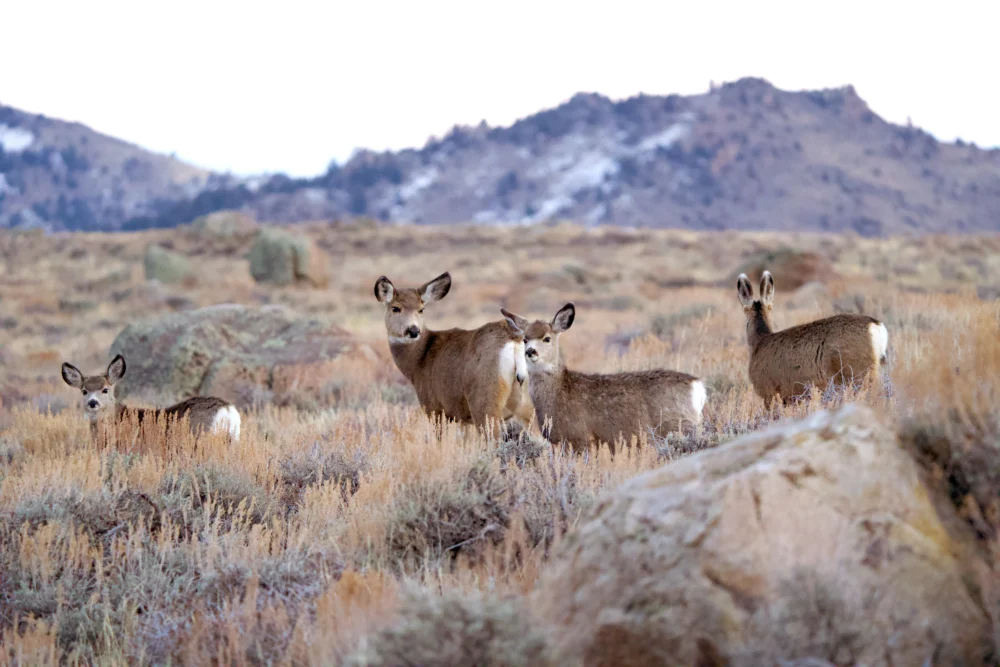
Every winter, thousands of mule deer navigate the vast, undulating sagebrush plains of southwest Wyoming’s Red Desert, a landscape that dictates their survival. As spring unfurls, a portion of the Sublette herd remains rooted in their ancestral wintering grounds, a pattern mirrored by generations before them. Others venture approximately 70 miles into the adjacent foothills, seeking sustenance. A significant contingent, however, embarks on an epic ungulate journey, traversing up to 150 miles into higher mountain elevations, pausing to forage along the way. New research from the University of Wyoming and the Wyoming Game and Fish Department provides conclusive evidence that these long-distance travelers not only accumulate the most body fat but also exhibit the highest longevity. Their extended journeys allow them to access lush mountain meadows, rich with high-protein vegetation, which in turn boosts their reproductive success, leading to more fawns reaching maturity.
Anna Ortega, the lead author of a recent publication in the journal Current Biology, emphasized the crucial role of migrating mule deer, stating, "The migrating mule deer are the engine for the whole population." She further elaborated, "If you sever that migration, you will have far fewer animals." This conclusion stems from an ambitious, decade-long study that involved the capture and examination of hundreds of deer during both spring and fall seasons, utilizing helicopters. Researchers meticulously measured fat reserves and pregnancy rates, and tracked the survival rates of fawns born to these migrating females.

The scientific findings validate a long-held understanding among regional observers: the ability to "surf the green wave," as the researchers term it—following the progression of nutritious vegetation up into the mountains throughout spring and summer—is paramount to mule deer survival. Brandon Scurlock, a wildlife biologist with the Wyoming Game and Fish Department not involved in the study, acknowledged the immense effort required to scientifically substantiate this phenomenon, involving years of observing the same herd through challenging winters and dry summers. He noted the inherent risks associated with long-distance migration, including encounters with fences, vehicles, and diverse predator assemblages. "But is the risk worth it? It seems like it is," Scurlock commented, as he manages a portion of the Sublette herd.
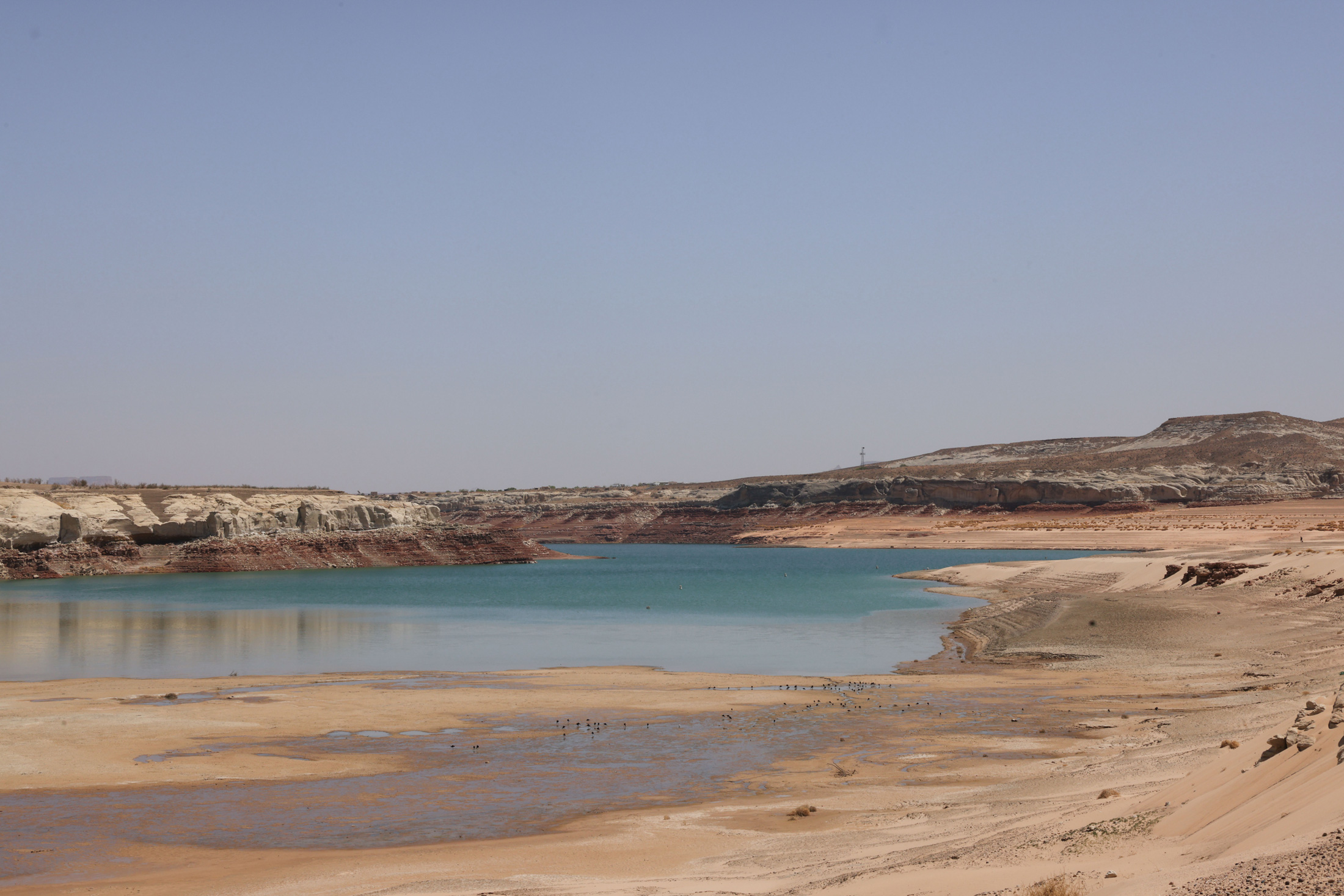
Historical context suggests that the Sublette herd may have once thrived utilizing all three migratory strategies. However, according to Matt Kauffman, a U.S. Geological Survey researcher affiliated with the University of Wyoming’s Cooperative Fish and Wildlife Unit and the study’s initiator, the current environmental trajectory favors different approaches. Kauffman explained that during periods of early and severe winters in the mountains, long-distance migrants faced challenges returning to the desert lowlands in the fall, benefiting those that remained in the desert. Conversely, in the present era of increasing temperatures and aridity due to climate change, the desert-dwelling segment of the herd is experiencing a decline. The persistent dryness reduces year-round food availability in the desert, a factor that may lead to the local extinction of this resident population within the next five decades.
Unlike species such as elk or pronghorn, which demonstrate adaptability in their movements based on food availability and weather patterns, mule deer exhibit a strong innate tendency to follow established migratory routes ingrained from birth. Kauffman characterized mule deer as "really hard-wired," explaining, "They’re not like, ‘How are conditions this year? Is this a good year to stay or go?’ They have a strategy and do the strategy." This ingrained behavior suggests that the resident deer in the desert are unlikely to spontaneously adopt long-distance migratory patterns.

Consequently, maintaining unobstructed migratory corridors is of critical importance to ensure continued access to vital green pastures and enhanced nutritional resources for the mule deer population. While the Sublette deer migration received a degree of protection through a 2020 executive order, Joey Faigl, co-founder and president of the Muley Fanatic Foundation based in southwest Wyoming, highlighted that persistent threats remain. "There are so many things they face every year. It can either be housing or oil and gas or highway crossings," Faigl stated, emphasizing the continuous challenges and the need for ongoing advocacy. "There is always going to be something. And if people stop fighting for them, populations will continue to decline." The study’s findings underscore the ecological significance of these ancient pathways, not just for individual deer, but for the long-term viability of the species across the Western United States, a region increasingly defined by environmental shifts. The intricate relationship between landscape, climate, and animal behavior, as demonstrated by the Sublette mule deer, offers critical insights into wildlife conservation strategies in a rapidly changing world. Understanding these migratory dynamics is essential for land managers, conservation organizations, and policymakers aiming to safeguard biodiversity in the face of mounting environmental pressures. The research also points to the broader implications for ecosystem health, as healthy mule deer populations play a role in shaping vegetation communities and serve as a food source for various predators. Protecting these migration routes is therefore not just about saving deer, but about preserving the ecological integrity of the landscapes they inhabit. The economic implications are also considerable, as healthy wildlife populations support hunting and ecotourism industries, contributing to local economies. The scientific rigor applied in this study provides a robust foundation for future conservation efforts and policy decisions aimed at ensuring the survival of these iconic Western animals.