Rocky Georgio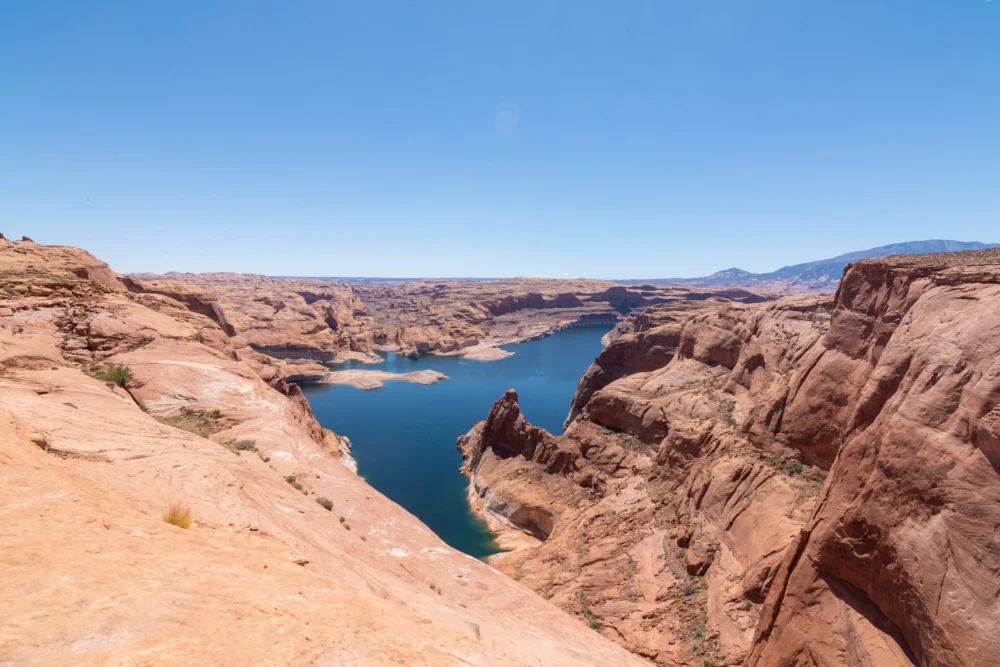
A comprehensive analysis by the Center for American Progress has unveiled a critical link between the nation’s designated national monuments and the clean drinking water relied upon by over 13 million Americans, raising concerns about potential threats posed by proposed rollbacks of these protections. The report, which meticulously mapped river systems and watersheds within monuments established since the Clinton administration, found that approximately 83% of the water flowing through these protected public lands lacks any additional safeguard beyond their monument status. These vital landscapes encompass over 21,000 miles of waterways across the United States, a figure nearly double that of the National Wild and Scenic Rivers System, underscoring their profound importance to national water security.
This detailed examination emerges at a pivotal moment, as the current administration contemplates shrinking or revoking the designations of several national monuments, signaling a potential shift towards opening more public lands to extractive industries like oil and gas drilling, mining, and grazing. The implications of such actions could be far-reaching, as loosened regulations in these areas could allow contaminants from industrial activities to infiltrate streams and rivers, directly impacting downstream communities. Furthermore, the water demands of these industries, particularly in arid regions, could further strain already limited water supplies. While some limited and regulated mining and grazing activities are presently permitted on monument lands, a rollback of protections could significantly expand the scale and impact of these operations.
The Center for American Progress analysis highlights the interconnectedness of land and water, emphasizing that the health of waterways is intrinsically tied to the integrity of the surrounding landscapes. Drew McConville, a senior fellow for conservation policy at the Center for American Progress and a co-author of the report, stressed this point, stating, "Landscapes and waterways go hand in hand. The clean water depends on what comes into them from natural lands… Just protecting the wet stuff itself doesn’t guarantee that you’re keeping [water] clean and durable." This perspective underscores a fundamental principle of watershed management: protecting the headwaters and surrounding lands is paramount to ensuring the quality and reliability of downstream water resources.
Adding another layer of concern, the report indicates that areas encompassing national monument watersheds are disproportionately home to historically marginalized communities, suggesting that any degradation of water quality or availability could have a more significant impact on these populations. Moreover, a stark 23 of the studied monuments are situated in regions anticipated to face substantial water shortages due to the escalating impacts of climate change in the coming decades. This confluence of factors—vulnerable communities, reliance on sensitive ecosystems, and the specter of a drier future—amplifies the urgency of preserving the protective status of these natural areas.
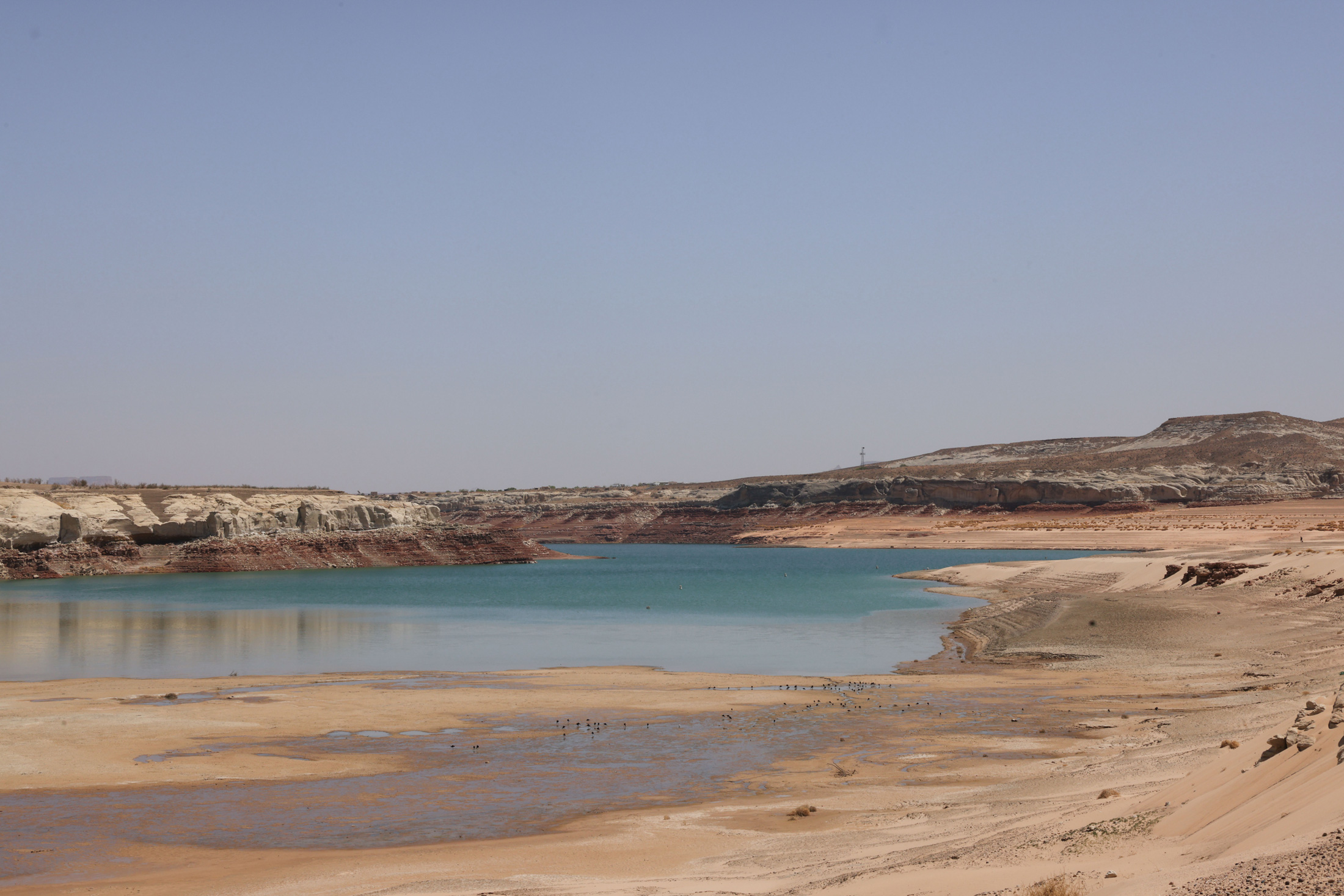
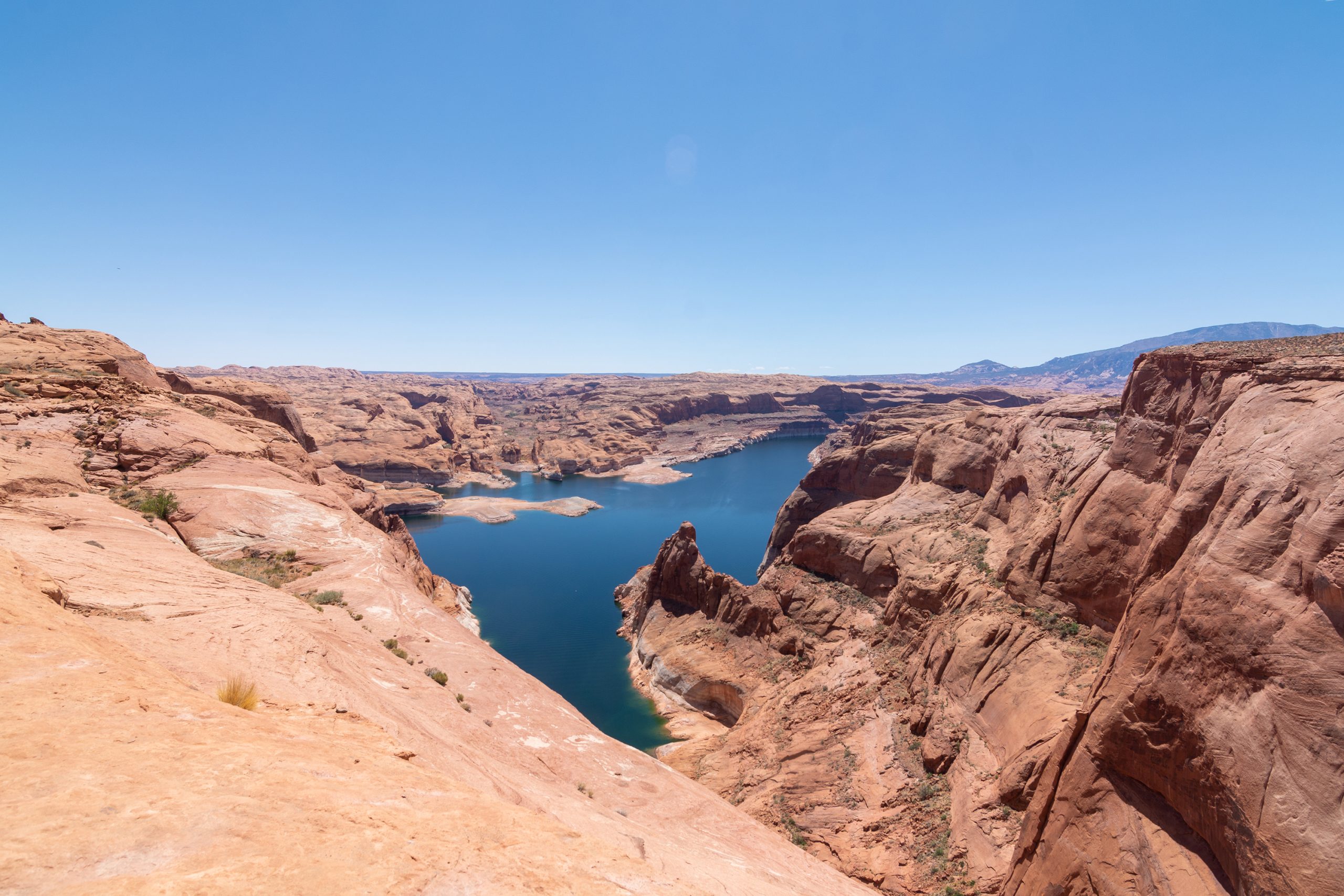
The Grand Staircase-Escalante National Monument in Utah serves as a compelling case study. The analysis indicates that this expansive monument protects 2,517 miles of waterways, with nearly 90% of its internal watersheds projected to experience declining water levels. This region is a crucial component of the Upper and Lower Colorado River Basins, feeding vital rivers like the Paria and Escalante, and lies in proximity to Lake Powell, a critical reservoir for the Southwest. Jackie Grant, executive director of Grand Staircase Escalante Partners, a nonprofit dedicated to the monument’s preservation, elaborated on this often-overlooked aspect of the monument. "People don’t think of water when they think of Grand Staircase-Escalante National Monument," Grant acknowledged. "So when we can bring this view of water and how important it is to the protection of the monument, it helps us put another building block in our case for supporting the monument, because not only is it important for the animals, the native plants, the geology and the paleontology, water plays a huge role in the monument, and the monument protects the water itself."

The sheer scale of Grand Staircase-Escalante, encompassing 1.87 million acres of public land, protects a rich tapestry of wildlife and invaluable archeological resources. However, it also lies atop significant geological deposits, including a vast nine-billion-ton coal reserve and other valuable minerals like uranium and nickel. The administration’s stated agenda of boosting domestic energy production, particularly coal, has fueled speculation about potential resource extraction within such areas. Grant expressed grave concerns about the potential consequences, stating, "It’d be very easy to contaminate either one of those rivers if mining were to take place in the center section of the monument."
Margaret Walls, a senior fellow at Resources for the Future who specializes in national monuments, commented on the broader implications, noting that while monuments are primarily designated for their cultural and historical significance, their role in safeguarding water resources is often underestimated. She cautioned that even if monument protections are loosened, the lands remain under federal jurisdiction, and their altered status does not automatically guarantee development. "We don’t protect waterways the way we do land," Walls observed. "We’re going to get those water benefits by protecting the land." This sentiment reinforces the understanding that effective water protection requires a holistic approach that considers the health of the entire watershed.
The findings of this analysis arrive amid a period of intense scrutiny and debate surrounding the future of national monuments. In March, the administration signaled its intent to eliminate the Chuckwalla and Sätt’la Highlands national monuments in California. Subsequent reports indicated that the administration was considering significant reductions or outright elimination of six other monuments. In June, the Department of Justice issued an opinion asserting the president’s authority to rescind monument designations, a position that diverges from long-standing interpretations. During a previous term, the Bears Ears and Grand Staircase-Escalante national monuments, established by prior administrations, saw their boundaries drastically reduced, though these actions were later reversed by President Joe Biden upon taking office. The ongoing discussions and potential policy shifts surrounding these protected areas underscore the critical need for a comprehensive understanding of their multifaceted benefits, extending far beyond their historical or scenic value to encompass the fundamental provision of clean and reliable water for millions of Americans.