Rocky Georgio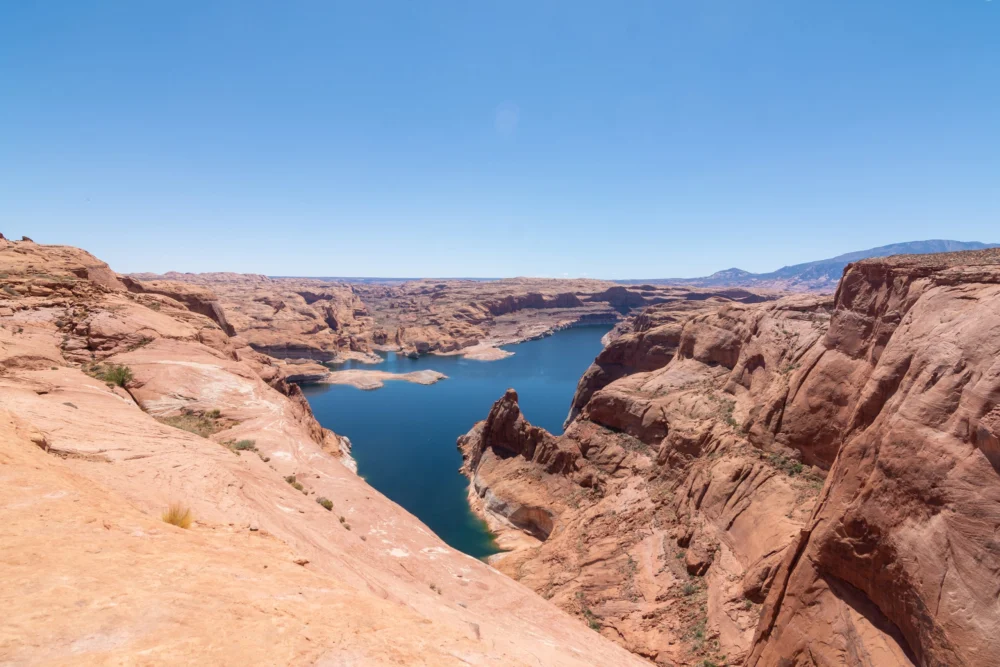
A significant portion of the United States’ clean drinking water supply is protected by national monument designations, according to a comprehensive new analysis from the Center for American Progress. The report highlights that the 31 national monuments established since the Clinton administration, which are currently under review for potential downsizing or revocation by the Trump administration, play a crucial role in safeguarding water resources for over 13 million Americans. This finding emerges as the administration signals a push to open more public lands to extractive industries, raising concerns about the long-term security of these vital water sources.
The analysis employed sophisticated geospatial data to meticulously map the miles of rivers and watersheds falling within these protected monument boundaries and to quantify the number of individuals who rely on these water supplies. It concluded that approximately 83% of the water flowing through these national monument lands receives no protection beyond the monument designations themselves, underscoring their critical role in watershed management. In total, these monuments encompass more than 21,000 miles of waterways across the nation, a figure nearly double that of the established National Wild and Scenic Rivers System. This extensive network of protected rivers and streams within monuments highlights their importance in maintaining water quality and availability.
The report’s findings are particularly timely, given the Trump administration’s ongoing deliberations regarding the future of several national monuments. In March, the administration announced its intention to eliminate the Chuckwalla and Sätt’tla Highlands national monuments in California, though initial announcements were later subject to revisions. Subsequent reporting indicated that the administration was considering significant reductions or outright elimination of up to six national monuments. This was further bolstered by a June opinion from the U.S. Department of Justice, which asserted the president’s authority to rescind national monument designations, a departure from long-standing interpretations of the Antiquities Act. During a previous term, the Bears Ears and Grand Staircase-Escalante National Monuments, established under the Obama and Clinton administrations respectively, faced substantial reductions in size, only to be restored by President Joe Biden upon entering office.
Should these national monument designations be weakened or revoked, the areas surrounding these vital waterways would lose critical protections against extractive industries such as oil and gas drilling, mining, and large-scale grazing. Potential contamination from these activities could then infiltrate streams and, subsequently, rivers, directly impacting downstream water quality. Furthermore, these industries often consume substantial amounts of water, particularly in arid regions, thereby diminishing the available supply for nearby communities. While some mining and grazing activities are presently permitted within national monument boundaries, they are typically subject to stricter regulations and limited in scope compared to activities outside these protected areas.
Drew McConville, a senior fellow for conservation policy at the Center for American Progress and a co-author of the report, emphasized the intrinsic connection between landscapes and water resources. "Landscapes and waterways go hand in hand," McConville stated. "The clean water depends on what comes into them from natural lands. Just protecting the wet stuff itself doesn’t guarantee that you’re keeping [water] clean and durable." This sentiment underscores the holistic approach required for effective water resource management.
The analysis also revealed that a greater proportion of historically marginalized communities reside within the watersheds of national monuments compared to the national average. Compounding these concerns, 23 of the studied monuments are located in regions projected to experience significant water shortages due to climate change in the coming decades, suggesting that the arid areas downstream will face even greater water scarcity.
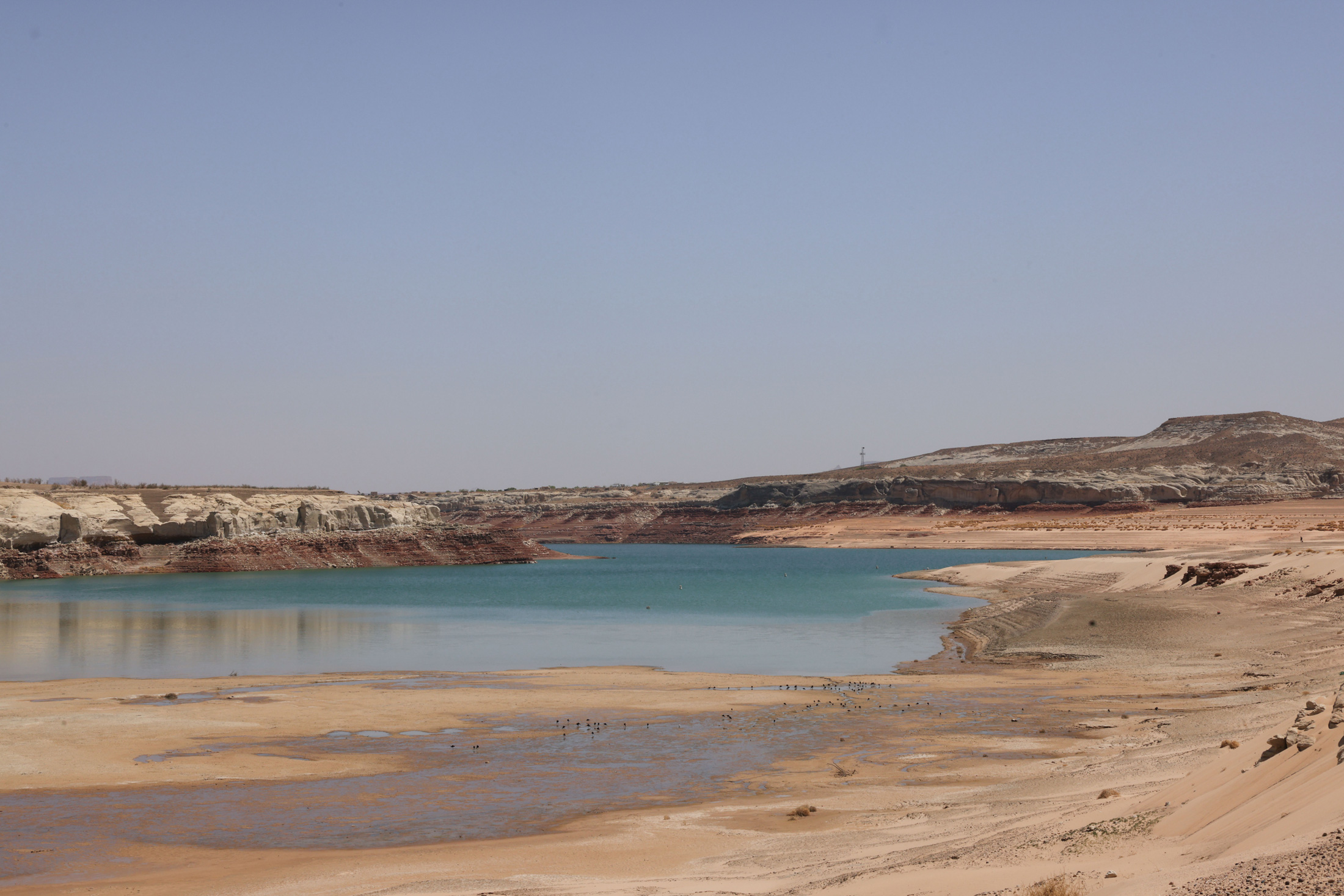
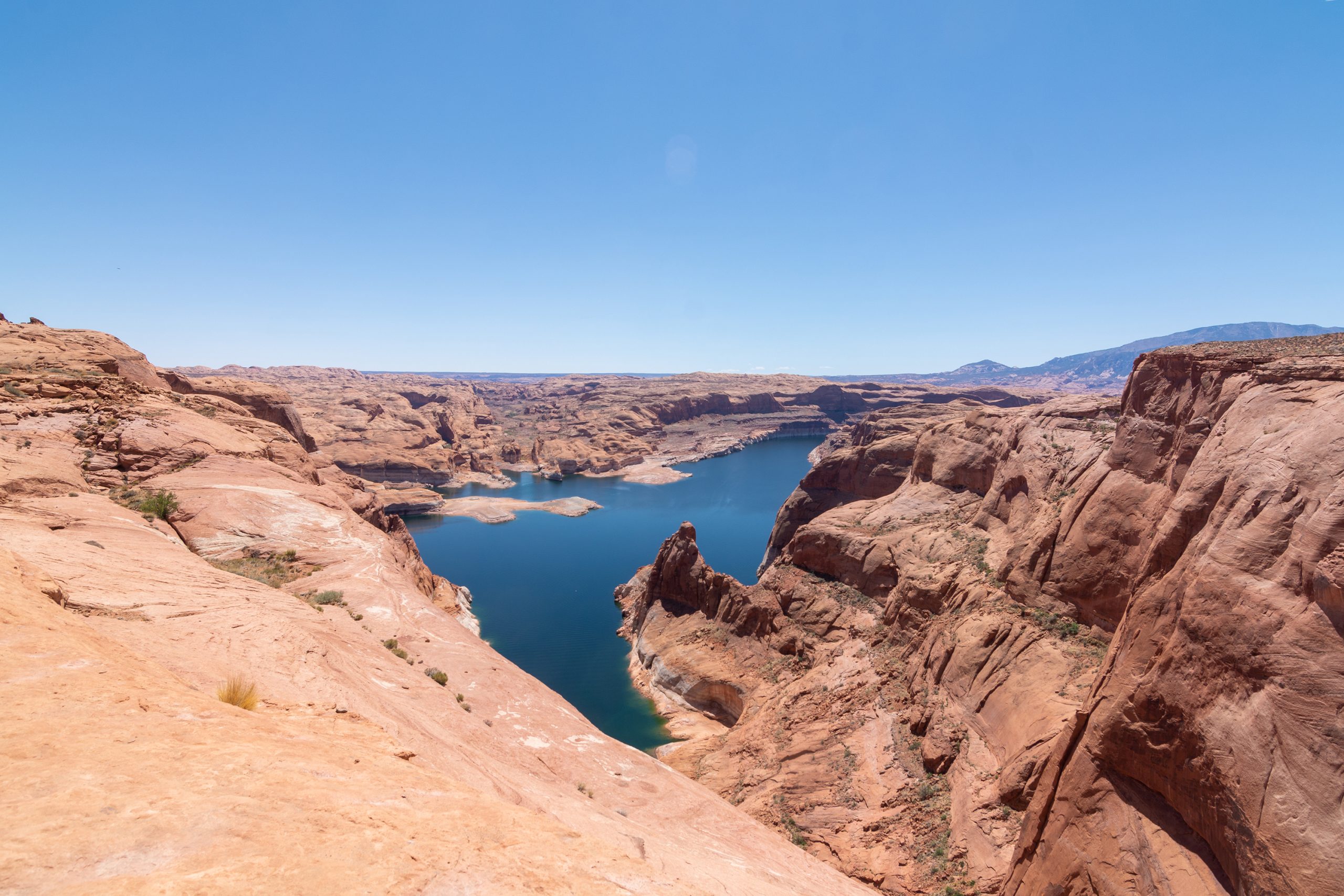
The Grand Staircase-Escalante National Monument in Utah serves as a compelling case study. According to the analysis, it protects 2,517 miles of waterways, with nearly 90% of its internal watersheds anticipated to experience declining water levels. This vast monument spans portions of both the Upper and Lower Colorado River Basins, encompassing the Paria and Escalante Rivers, and lies adjacent to Lake Powell, the nation’s second-largest reservoir. While often perceived as a sparsely vegetated, arid landscape, Grand Staircase-Escalante plays a vital role in the Colorado River System, which is a lifeline for millions in the Southwest. The monument’s terrain helps to regulate water flow from the Paunsaugunt Plateau, originating as snowpack in Bryce Canyon National Park before melting and moving downstream.

Jackie Grant, executive director of Grand Staircase Escalante Partners, a non-profit organization dedicated to the monument’s preservation, highlighted this often-overlooked connection. "People don’t think of water when they think of Grand Staircase-Escalante National Monument," Grant explained. "So when we can bring this view of water and how important it is to the protection of the monument, it helps us put another building block in our case for supporting the monument, because not only is it important for the animals, the native plants, the geology and the paleontology, water plays a huge role in the monument, and the monument protects the water itself." This perspective emphasizes the multifaceted value of these protected areas.
Spanning 1.87 million acres of public land, Grand Staircase-Escalante is one of the largest national monuments in the United States, safeguarding numerous wildlife species and significant archeological resources in southern Utah. However, the monument also contains substantial deposits of minerals, including uranium and nickel, alongside a significant nine-billion-ton coal deposit. The Trump administration’s stated commitment to boosting domestic coal production and its established pro-mining agenda raise specific concerns regarding potential industrial development within this sensitive area. "It’d be very easy to contaminate either one of those rivers if mining were to take place in the center section of the monument," Grant warned, illustrating the direct threat to water quality.
Margaret Walls, a senior fellow at Resources for the Future who specializes in national monument studies, noted that while monuments are primarily designated for their cultural or historical significance, their role in safeguarding water resources is often underestimated. Walls cautioned that even if monument protections are loosened, the lands remain federal property, and a change in status does not automatically guarantee their development. "We don’t protect waterways the way we do land," Walls observed. "We’re going to get those water benefits by protecting the land." This highlights the synergistic relationship between land and water conservation, suggesting that protecting the landscapes within monuments is paramount to ensuring water security for downstream communities. The implications of these potential policy shifts extend beyond immediate environmental concerns, touching upon public health, economic stability, and the equitable distribution of natural resources, particularly in regions already grappling with water scarcity and the intensifying impacts of climate change.