Rocky Georgio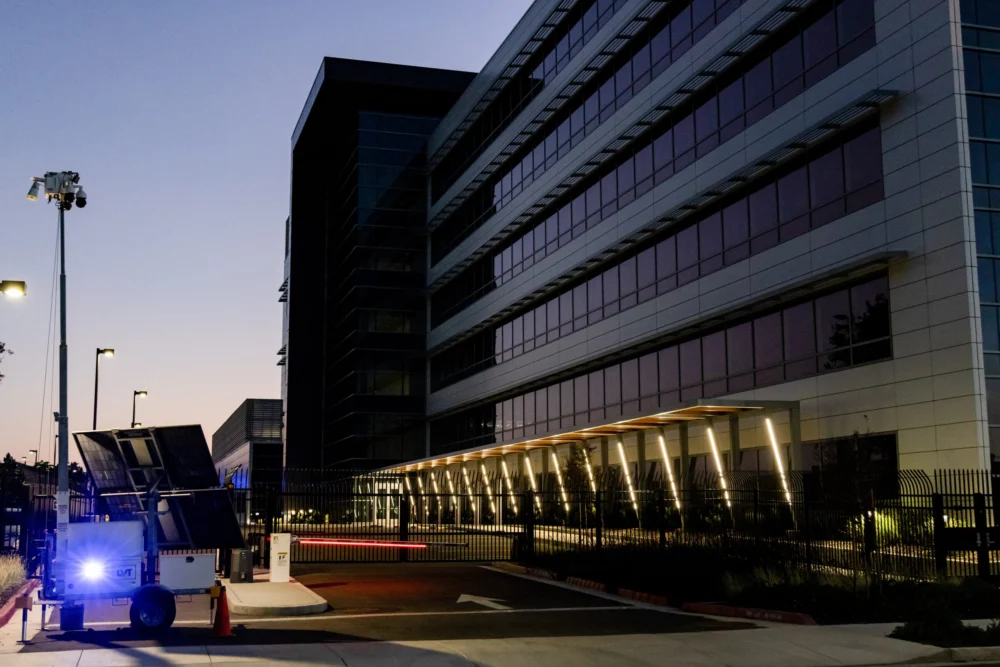
Texas-based New Era Energy & Digital recently announced plans to construct a "hyperscale," or massive, data center complex in Lea County, New Mexico, a region already at the heart of the Permian Basin’s oil and gas boom. This ambitious project, designed to house artificial intelligence processing capabilities, is slated to be so expansive that it intends to generate its own power through integrated nuclear and natural gas plants, boasting a combined capacity of approximately 7 gigawatts. Such a power output would rival the combined capacity of the West’s largest nuclear and natural gas facilities, Palo Verde and Gila River near Phoenix, with an additional 800 megawatts to spare. This immense energy generation, while theoretically capable of powering millions of homes, is earmarked primarily for the intensive demands of digital activities, including movie streaming, social media operations, and, significantly, the burgeoning field of AI.
Despite the monumental scale of this proposal, it has garnered relatively little media attention, a reflection of the increasing frequency of such announcements. While the realization of New Era’s hyperscale facility and similar ventures remains a future prospect, their potential impact on the Western United States is profound. If even a fraction of these proposed data centers come to fruition, they are poised to reshape the region’s power grid, landscapes, and economies as dramatically as the post-World War II industrial expansion, which saw the proliferation of large coal and hydroelectric power plants to fuel the growth of cities via extensive transmission networks.
This transformation is already in motion, as evidenced by a recent report from the nonprofit NEXT 10 and the University of California, Riverside. In 2023 alone, data centers in California consumed 10.82 terawatt-hours of electricity, an amount sufficient to power roughly one million U.S. households. This consumption resulted in approximately 2.4 million tons of carbon emissions, even within California’s comparatively cleaner energy framework; on grids more reliant on fossil fuels, these emissions could be double or more. Furthermore, these centers directly and indirectly utilized around 13.2 billion gallons of water for cooling and electricity generation. In Silicon Valley, over 50 data centers accounted for about 60% of a single electricity provider’s total load, necessitating rate increases for customers to fund the required transmission, substation upgrades, and new battery energy storage systems.

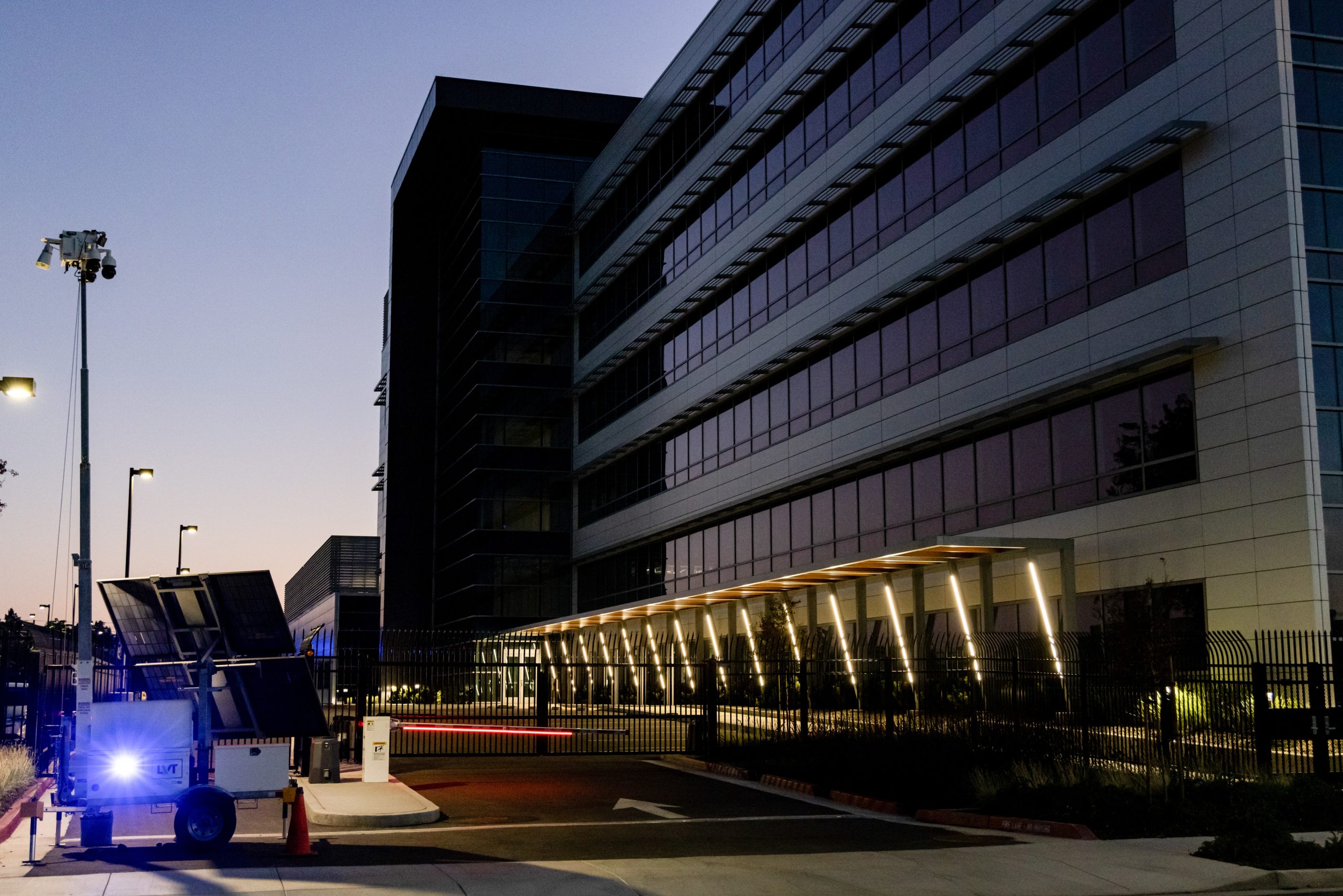
The expansion of these facilities is not confined to traditional tech hubs; they are increasingly establishing a presence in cities and towns far from Silicon Valley. The Phoenix metropolitan area, for instance, already hosts over 100 data centers, structures akin to large commercial buildings filled with rows of computer processors, and projected new developments could escalate Arizona’s total power demand by a staggering 300% from current levels, according to utility assessments. In response to this burgeoning demand, Arizona Public Service has announced its intention to continue operating the Four Corners Power Plant, a coal-fired facility, beyond its scheduled 2031 retirement date.
The Western power grid, a complex network divided into 38 distinct balancing authorities, is anticipated to experience a surge in data center-driven demand across nearly all its operational regions over the next decade. The North American Electricity Reliability Corp. has issued a warning that the escalating power needs of data centers are increasing the risk of winter outages in parts of the West. Consequently, many of the largest data centers are compelled to develop their own power generation capabilities, while utilities face the challenge of rapidly augmenting generating capacity and associated infrastructure. The financial burden of this new infrastructure development will ultimately be passed on to utility customers.

The question of how this immense power demand will be met is a critical one, as renewable sources like solar and wind alone are unlikely to suffice. Utilities are actively planning to extend the operational life of existing coal plants, construct new natural gas facilities, and even explore nuclear power. Several major technology companies, including Google, Switch, Amazon, OpenAI, and Meta, are considering powering their proposed facilities with advanced small modular reactors, a nascent technology still in the development phase.
The environmental ramifications of these data center developments are varied and significant. The combustion of fossil fuels contributes to climate change and air pollution, while oil and gas extraction and coal mining can lead to landscape degradation. Large-scale solar and wind installations, while cleaner alternatives, can impact wildlife habitats and often require extensive new transmission lines. Nuclear power presents its own set of challenges, including safety concerns and the persistent issue of radioactive waste, in addition to the environmental risks associated with uranium mining. Even facilities powered solely by solar and batteries still contribute to resource consumption that, in the absence of this new demand, could be used to displace fossil fuels on the grid. Moreover, unless equipped with closed-loop air-cooling systems, data centers typically consume substantial amounts of water for cooling, often drawing from municipal water supplies.

Prometheus Hyperscale, a Wyoming-based company, has articulated ambitious plans for "sustainable" data centers featuring dedicated clean energy generation, water recycling, and advanced cooling systems designed to leverage the cold climate of the Northern Rockies. They have even proposed harnessing waste heat from servers for applications like warming greenhouses and supporting aquaculture. While the prospect of supplementing power with nuclear micro-reactors has been mentioned, the company’s initial operational plans involve natural gas, with a commitment to offset carbon emissions by investing in carbon capture and sequestration from biofuel plants in Nebraska.
Resistance to the rapid proliferation of data centers and their significant energy and water demands is evident in many communities. However, the localized nature of these projects often makes coordinated opposition challenging. Following the defeat of a proposed data center annexation plan in Tucson, Arizona, which would have allowed the facility to use treated wastewater for cooling, the developers relocated the project to county jurisdiction and opted for an air-cooling system, a trade-off that reduces water consumption but increases energy needs. Continued opposition prompted the firm to commit to investing in sufficient renewable energy on Tucson Electric Power’s grid to offset its entire electricity usage.

Adding to the challenges faced by opponents is the fact that many local governments and utilities actively welcome data center development. These facilities can provide valuable jobs and tax revenue to economically distressed areas, provided they are not granted tax exemptions. Concurrently, utilities are eager to expand their customer base and revenue streams, using increased demand to justify infrastructure investments and rate hikes. A representative from NV Energy, Jeff Brigger, expressed enthusiasm for serving the anticipated load from numerous data centers planned for Nevada.
While much of the opposition to data centers centers on their environmental footprint and potential impacts on utility rates and local communities, the underlying concept of artificial intelligence itself has also become a point of contention. The energy and water consumption associated with tasks like generating text, creating images, or providing digital companionship raises questions about the necessity and justification of such resource-intensive processes, especially when contrasted with essential activities like food production. While acknowledging the significant potential of AI in fields such as medical diagnostics and scientific research, a growing sentiment suggests that the technology should first address its own substantial resource demands before endeavoring to transform the world.