Rocky Georgio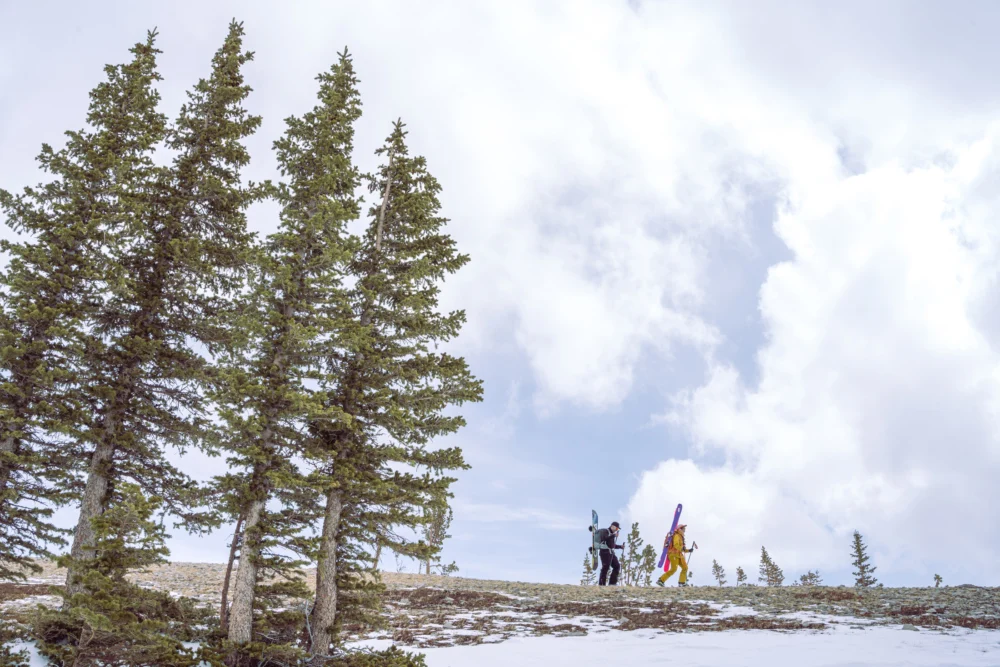
The rhythmic drumming of precipitation on the roof, a sound that in late November at 7,000 feet in the Rocky Mountains typically heralds the arrival of snow, instead brought a stark reminder of changing weather patterns. What was initially forecast as a significant storm, with projections of up to six feet of snow for some areas, ultimately dwindled into a mere dusting of rain and a few inches of snow in scattered high-elevation locations. This disappointing turn of events, occurring as the winter solstice approaches, underscores a growing concern for those who experience winter not just as a season, but as a vital indicator of ecological health.
For years, the onset of winter in the Western United States was a source of genuine excitement, irrespective of location. The prospect of the first significant snowfall would inspire a keen interest in tracking storms originating from the Pacific, observing the race between Colorado’s alpine resorts to be the first to open, or watching the snowline descend across the Pacific Northwest. This anticipation, once a blend of adrenaline and pure hope, has recently been overshadowed by a pervasive sense of dread. The arrival of a storm forecast now triggers a different kind of adrenaline, one tinged with anxiety and a growing unease when those predictions fail to materialize. As a skier, an intimate connection to winter’s patterns has transformed this individual passion into a personal barometer for broader environmental shifts, revealing seasons that are becoming increasingly warm and dry. The joyous vision of storm-day skiing and soft turns has been supplanted by a gnawing worry about the implications of this persistent lack of snow for the future.

The skier’s happiness, inextricably linked to weather systems far beyond personal control, might appear to be a niche concern, yet this obsessive focus on snowfall serves a vital purpose: it keeps the internal barometer finely tuned and encourages a deeper observation of larger environmental trends. Skiers often exhibit a unique blend of obsession, ritualistic behavior, and superstition, frequently engaging in lighthearted attempts to influence the "cosmic order" to bring about snow. While acknowledging the scientific reality that nature operates independently of human desires, the ingrained rituals—from pre-season ski-burning bonfires to the seemingly futile act of washing a car in hopes of attracting storms—are, in essence, modern forms of prayer.
The desire for snowy winters stems from two interconnected motivations: the personal and the ecological. On a personal level, the wish for snow is driven by the profound joy of skiing itself. This activity, a constant throughout a lifetime, evokes feelings of weightlessness, speed, and a deep connection to the surrounding natural world. However, the compulsive checking of SNOTEL (Snow Telemetry) sites and ski resort base depth reports transcends personal recreation; it provides a tangible glimpse into a larger, evolving environmental narrative. While skiing may seem like a superficial pursuit, the stark reality of its dependence on winter conditions vividly illustrates the tangible impacts of climate change. The movement, or lack thereof, on the slopes becomes a powerful metaphor for the broader ecological shifts occurring. The activities and passions that bring us the most joy often serve as sensitive indicators of our vulnerabilities, highlighting what we stand to lose and the humbling reality of our limited control over natural forces.
This year, the delayed opening of local ski hills, mirrored by similar postponements across resorts in Utah, including Deer Valley for the first time in its operational history, underscores the severity of the situation. The scarcity of natural snow was compounded by temperatures too mild to facilitate artificial snowmaking. The ripple effects of this snow deficit extend far beyond the ski industry, significantly impacting the livelihoods of workers and the economic vitality of communities reliant on winter tourism. Yet, the importance of snow extends beyond economic gain; it represents one of the West’s most crucial water resources.

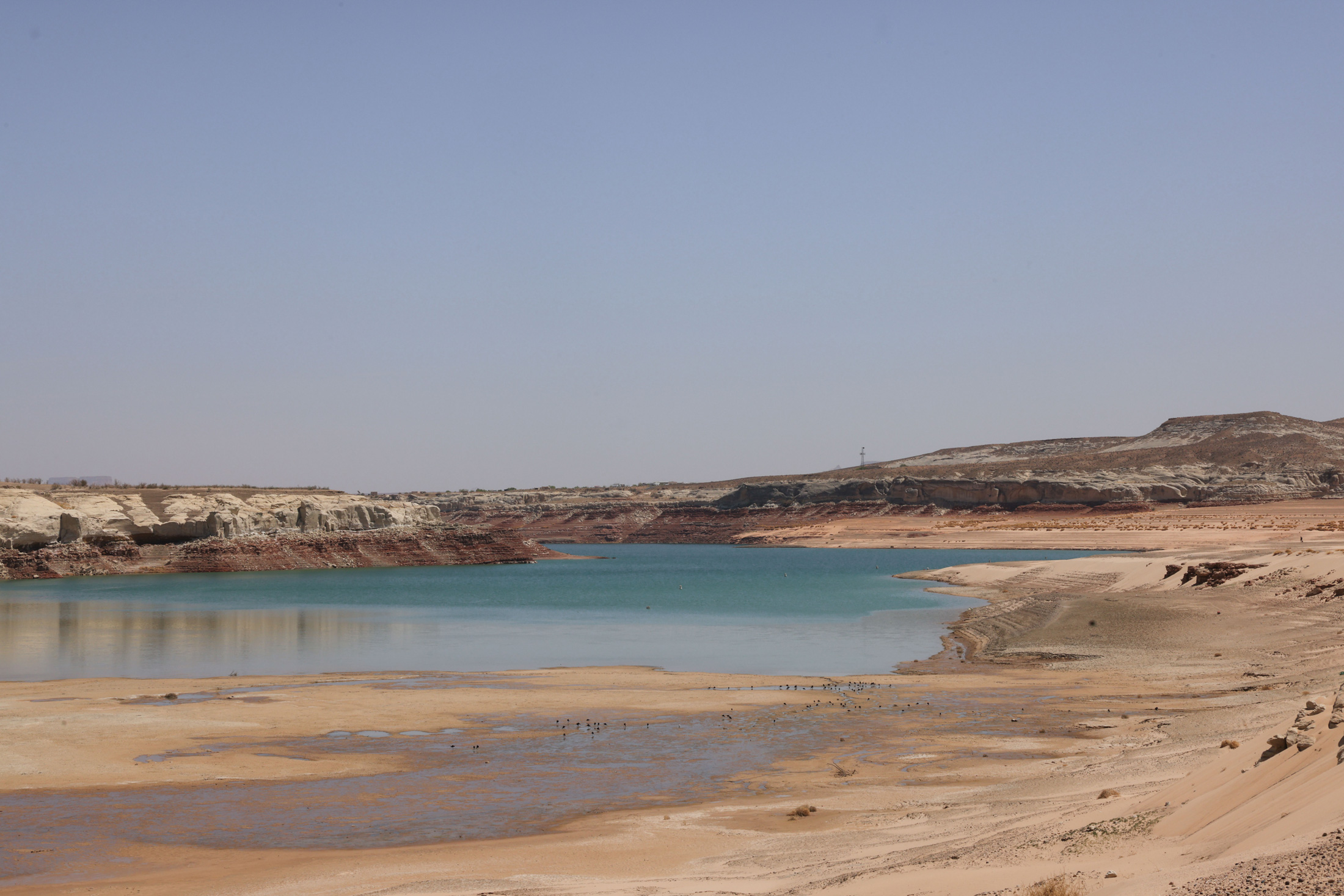
The majority of the Western United States is currently experiencing drought conditions, a situation exacerbated by a prolonged dry summer that saw wildfires encroach upon communities. The previous winter was also characterized by insufficient snowfall, intensifying the long-term drought. Ski resorts are increasingly engaged in complex negotiations over water rights for snowmaking, a testament to the growing scarcity. The absence of adequate snow cover directly correlates with an increased risk of wildfires and food insecurity, while also intensifying existing, and often contentious, disputes over dwindling river resources. This interconnectedness highlights how the state of our winter snowpack is a critical marker of a larger systemic change.
The concerns are not confined to ski enthusiasts; a ski guide, whose livelihood depends directly on winter conditions, recently expressed a grimace when asked about his anxieties regarding the upcoming season. While he cautiously stated he wasn’t "quite worried yet," the underlying apprehension was palpable. For others, like the individual observing the shrinking reservoirs, the spreading drought predictions, and recalling the icy, scratchy ski turns of the previous winter coupled with a monsoon-less summer and the ever-present threat of fire, the worry has already taken root. The memory of waiting for snow that never arrived is a potent and unsettling one.
Despite these growing concerns, it is important to acknowledge that the winter season is still in its nascent stages. Storm systems can and do shift, and a convergence of weather patterns could still bring substantial snowfall, even amidst predictions of a weak and variable La Niña phenomenon from the National Weather Service. The inherent flexibility within natural systems offers a glimmer of hope, allowing for the possibility of change. While the future remains uncertain and unpredictable, the past seasons have provided a clear and undeniable narrative of environmental transformation. Therefore, the renewed "prayers" for snow are now imbued with a deeper significance, driven by a multitude of reasons and a fervor born from a profound understanding of what is at stake.