Roger Danuarta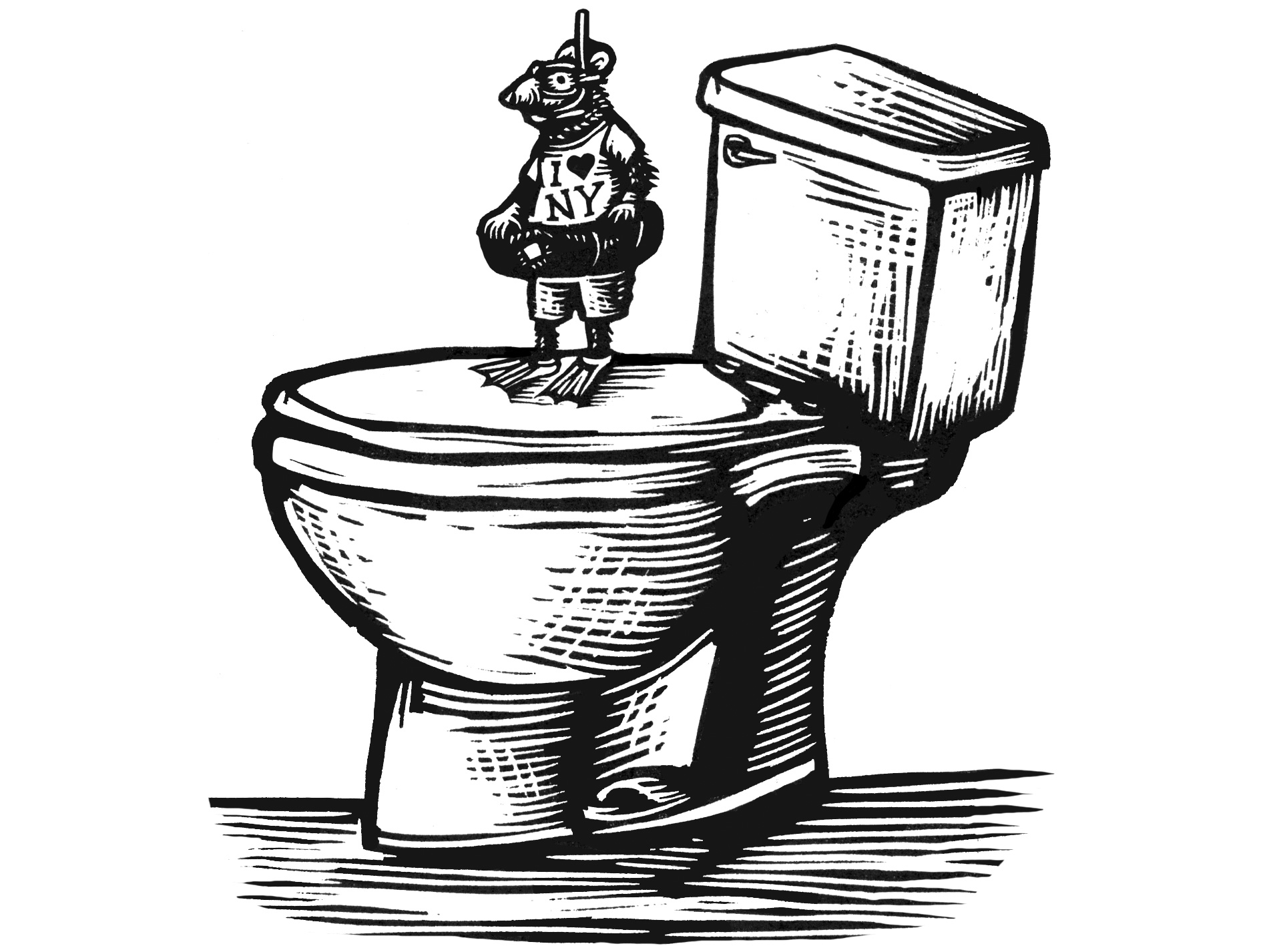
A truly remarkable display of wildlife tenacity unfolded in San Francisco Bay recently when a highly resourceful coyote was observed paddling through the challenging waters before successfully hauling itself ashore on the iconic Alcatraz Island, an event described as unprecedented by park biologists and those familiar with the island’s lore. Unlike the infamous human residents who sought to escape its formidable confines, this canine appeared to be seeking refuge or new territory, an inverse "prison break" that captivated onlookers. A tourist’s quick thinking captured the moment on an iPhone, providing irrefutable evidence to Aidan Moore of Alcatraz City Cruises, who initially harbored skepticism. The compelling footage clearly depicted not a marine mammal, but a determined Canis latrans – the common coyote – dogpaddling with impressive resolve, then struggling with visible exhaustion to clamber onto the craggy shoreline. The fatigue was entirely warranted, given the formidable mile and a quarter journey across the cold, often turbulent bay from the mainland, a feat accomplished without the aid of any vessel.
This extraordinary journey sparks immediate questions about the coyote’s motivations. Christine Wilkinson, a respected conservation scientist and carnivore ecologist at UC Berkeley, posits that the coyote was likely "trying to find a territory of its own," a more sophisticated ecological imperative than simply crossing to "the other side." Alcatraz, with its historic isolation, surprisingly offers a bounty of potential resources for a resourceful canid: ample solitude, a significant population of rodents for sustenance, and considerable space. While the island might indeed offer a prime location for a solitary hunter, the challenge of finding a mate could prove a considerable obstacle, raising questions about the long-term viability of such a pioneering spirit. This isolated incident, however, underscores the remarkable adaptability of coyotes, a species that has not only thrived but expanded its range across North America, increasingly colonizing urban and suburban environments. Their presence in cities like Los Angeles, Chicago, and New York is now commonplace, a testament to their intelligence and resilience in navigating human-dominated landscapes, often utilizing green corridors, drainage systems, and even swimming formidable distances to find new homes.

From one striking California wildlife encounter to another, the City by the Bay found itself grappling with an even larger, more formidable visitor: a young puma prowling the upscale Pacific Heights neighborhood. The sight of a mountain lion, a powerful apex predator, navigating residential streets undoubtedly offered a jarring juxtaposition to the area’s stately Victorian homes and manicured landscapes, perhaps even prompting a momentary pause for residents to consider the city’s exorbitant real estate values through a wilder lens. Several locals recounted close encounters that blended fear with disbelief. Madrey Hilton’s viral video captured her exclaiming, "I swear to God, am I tripping? There’s a (expletive) mountain lion," as the large cat darted behind a bus stop and into a nearby park. Lindsay Ann Cummings experienced an even more heart-stopping moment while walking her dog, Elvis, finding herself just three feet from the formidable feline. She recalled "locking eyes" with the cougar before quickly retreating into a garage, securing her dog. The two-year-old cougar, identified as 157M by the diligent researchers at the Puma Project in Santa Cruz, eluded wildlife officers for several tense hours before finally being tranquilized and safely relocated back to a more appropriate wild habitat. Alys Granados, a wildlife ecologist with the Bay Area Puma Project, explained to KQED that such urban incursions by young cats are not uncommon, often occurring when they become disoriented or separated from their mothers during the critical dispersal phase, a natural but perilous period when they seek their own territories. This phenomenon is not unique to California; similar reports of large predators, from bears to wolves, venturing into suburban and even urban areas are increasing globally, signaling a growing intersection between human expansion and wildlife habitats. Habitat fragmentation, coupled with successful conservation efforts that bolster predator populations, inevitably pushes these animals closer to human settlements, creating new challenges and requiring innovative strategies for human-wildlife coexistence.
Meanwhile, far from the urban sprawl of California, the raw wilderness of Yellowstone National Park became the backdrop for a stark reminder of the inherent dangers of disrespecting wild animals. Wildlife photographer Keith Allen Kerbs captured a deeply unsettling and frankly reckless scene on video, depicting a man "alternatively walking toward and backing away from a pack of at least five wolves." The visceral fear and frustration of onlookers were palpable, their shouts of "Get out of there!" echoing in the background. The video is a nerve-wracking testament to human folly, showcasing the immense, unafraid, and clearly agitated wolves – Canis lupus – poised for a confrontation with what could only be described as Homo idioticus. Kerbs, filming from a responsible distance, later posted the video on his Instagram, adding a chilling commentary that the man "almost didn’t make it out alive." A spokesperson for the National Park Service later confirmed the incident, stating that the man had been "found and cited," underscoring the seriousness with which such violations of park regulations are treated. This incident highlights a persistent challenge faced by protected areas worldwide: balancing visitor access with the imperative to maintain the wildness and safety of both humans and animals. National parks like Yellowstone enforce strict guidelines, including maintaining safe distances from wildlife, precisely to prevent such dangerous encounters. Approaching wolves, bears, or any large predator not only risks severe injury or death for the human but can also habituate the animals to human presence, potentially leading to more dangerous interactions in the future and, in extreme cases, the unfortunate necessity of animal euthanasia. The legal ramifications, ranging from significant fines to potential jail time, serve as a deterrent, yet incidents of human recklessness continue to underscore the critical need for ongoing public education about wildlife etiquette and the profound respect required when entering the domain of truly wild creatures.
Finally, in a less dramatic but equally impactful demonstration of how environmental shifts can bring wildlife into unexpected proximity, King County Public Health in Washington State issued a unique safety guide following widespread flooding last December. The guide, presented in an accessible comic-book format, educated residents on how to manage the deeply unsettling scenario of finding rats in their toilets. While certainly not intended for relaxing bedtime reading, the guide offered practical advice, beginning with the empathetic yet challenging instruction to "try to stay calm," acknowledging "that might not be easy under the circumstances." Subsequent steps included closing the toilet lid and flushing, with the ingenious follow-up suggestion of squirting dish soap into the bowl. "The soap makes the rat slide down when you flush. It may take many flushes," the guide calmly advised, omitting any mention of the potential distress to one’s plumbing or the emotional toll on the homeowner. For persistent problems, residents were urged to call a professional pest control company, especially if a large rat proved unflushable or, even worse, managed to escape into the home. This seemingly bizarre public health advisory is a direct consequence of climate-induced environmental changes. Increased precipitation and severe flooding events, which are becoming more frequent globally, can overwhelm urban sewer systems, displacing rodent populations and forcing them to seek higher ground, often through the very plumbing that connects our homes to the subterranean world. Beyond the immediate discomfort, such events pose significant public health risks, as rodents are known carriers of various diseases. The proactive response by King County Public Health exemplifies the crucial role of public health agencies in adapting to new environmental challenges and communicating practical, albeit sometimes unusual, solutions to protect community well-being in an era of rapid environmental change and increasing human-wildlife overlap. These diverse encounters, from the inspiring resilience of a swimming coyote to the cautionary tale of a reckless park visitor and the unsettling reality of urban pests, collectively illustrate the dynamic and increasingly intertwined relationship between human civilization and the natural world, demanding greater awareness, respect, and adaptable strategies for coexistence.