Roger Danuarta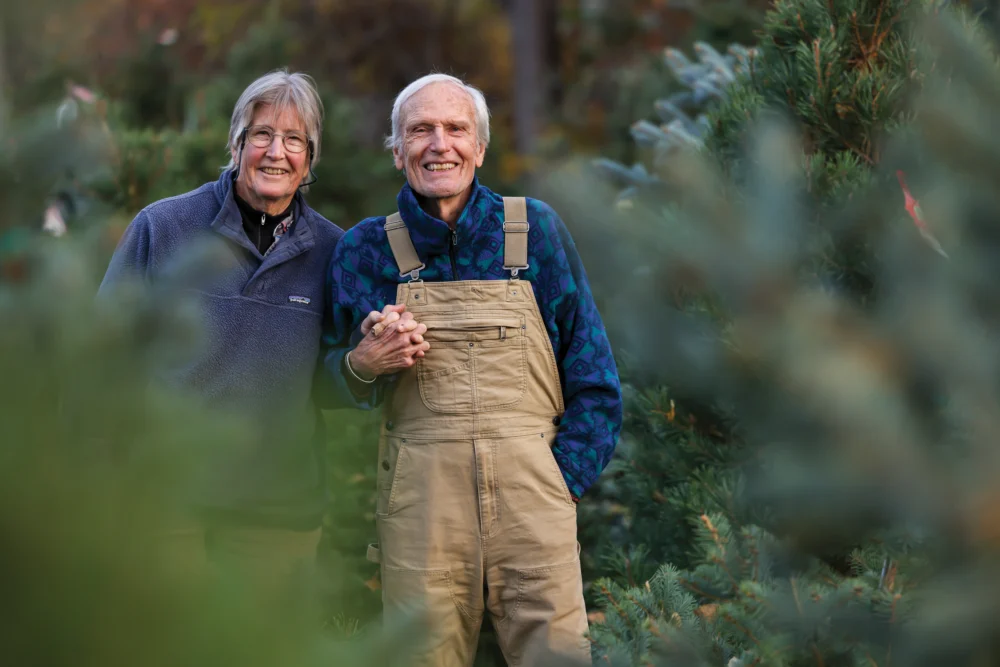
In the heart of Boulder, Colorado, Elizabeth Black and Christopher Brown, the dedicated proprietors of Your Neighborhood Christmas Tree Farm, have embarked on a unique agricultural endeavor, meticulously cultivating a local source for a cherished holiday tradition while simultaneously championing environmental stewardship. Their vision extends beyond simply selling trees; it is rooted in a commitment to enhance local biodiversity and foster community spirit, demonstrating that even in challenging climates, sustainable practices can flourish. This small-scale operation stands as a testament to resilience and innovation in a region where traditional Christmas tree farming faces considerable obstacles.
Colorado’s rugged high-desert and mountainous terrain presents a formidable challenge for cultivating evergreen trees, a stark contrast to the verdant, moisture-rich environments where many commercial Christmas tree farms thrive. The state’s inherent "harsh conditions" include a significantly short growing season, characterized by prolonged, often severe winters and late-arriving springs. This climatic reality dramatically slows the growth rate of coniferous trees, which typically require years, if not decades, to reach the optimal size for a Christmas tree. Furthermore, the pervasive issue of limited precipitation profoundly impacts agricultural viability across the American West. Colorado, like much of the region, grapples with increasing aridity, exacerbated by persistent drought cycles and the long-term effects of climate change, placing immense pressure on water resources crucial for any agricultural enterprise.
These environmental hurdles necessitate innovative and resource-conscious farming techniques. Unlike the vast, often monoculture-based tree plantations found in the Pacific Northwest or the Appalachian states, Black and Brown’s approach is intensely hands-on and localized. They acknowledge the difficulty of their chosen path, noting that most Christmas trees adorning Colorado homes are typically trucked in from distant states, incurring substantial transportation costs and a significant carbon footprint. This prevailing supply chain model highlights the environmental and economic advantages of fostering local alternatives. Importing trees over hundreds or even thousands of miles contributes to greenhouse gas emissions from fossil fuel consumption, while simultaneously creating a disconnect between consumers and the origins of their holiday purchases.
Their farm, encompassing a modest one-acre lot, nurtures approximately 1,000 trees at any given time, a deliberate choice that enables a level of personalized care often unattainable in larger commercial operations. This intimate scale allows Elizabeth and Christopher to devote meticulous attention to each seedling, ensuring optimal health and growth despite the demanding local environment. Their cultivation methods likely include precise irrigation techniques, potentially employing drip systems to conserve precious water, alongside careful soil management to enhance nutrient retention and microbial activity. Such practices are vital for nurturing species like various firs and spruces that might otherwise struggle in the semi-arid climate of Boulder.
The core of their operational philosophy is sustainability, a concept they embody through selective harvesting and a regenerative approach. By cutting only around 100 trees each season, they ensure a continuous cycle of growth and renewal, preventing over-harvesting and maintaining the ecological balance of their plot. This contrasts sharply with some industrial farming models that might clear-cut larger sections, leading to soil erosion and habitat disruption. Their commitment to sustainability extends beyond just replanting; it encompasses reducing pesticide use, promoting biodiversity by maintaining diverse plant life on the farm, and minimizing waste. Growing trees locally in the community that enjoys them dramatically reduces the environmental impact associated with long-haul transportation, making their product a more eco-conscious choice for holiday celebrants.

Beyond the environmental benefits, Your Neighborhood Christmas Tree Farm serves as a vibrant community hub, fostering intergenerational connections and preserving cherished holiday traditions. The annual highlight for Black and Brown is witnessing families, often with young children, arrive with palpable excitement, embarking on the quest to find their "perfect tree." This experience transcends a mere commercial transaction; it becomes a memorable family outing, an opportunity to connect with nature, and a tangible link to the agricultural roots of their community. In an increasingly digital world, the simple act of choosing a fresh-cut tree from a local farm offers a tangible, sensory experience that strengthens family bonds and creates lasting memories.
This model of small-scale, local agriculture, often referred to as agritourism, provides multiple benefits. It not only supplies fresh produce or, in this case, holiday trees, but also educates the public about farming practices, the challenges faced by growers, and the importance of supporting local economies. Visitors to the farm gain a deeper appreciation for where their products come from and the effort involved in their cultivation. Such enterprises also contribute to the local economy by creating jobs, purchasing supplies from other local businesses, and keeping money circulating within the community, fostering a more robust and resilient regional economic ecosystem.
The broader Christmas tree industry, both nationally and globally, faces its own set of evolving challenges, from fluctuating consumer demand for real versus artificial trees to the increasing impact of climate change. Droughts, devastating wildfires, and unpredictable extreme weather events pose existential threats to tree farms across various regions. Pests and diseases, often exacerbated by warming temperatures, also require constant vigilance and management. Furthermore, rising land values and labor shortages present significant economic pressures on growers, making the sustainability of traditional farming models increasingly precarious. Against this backdrop, the localized, high-care approach adopted by Elizabeth and Christopher offers a compelling alternative, one that prioritizes ecological health and community engagement over sheer volume.
Consumer preferences are also shifting, with a growing segment of the population actively seeking out locally sourced, organic, and sustainably produced goods. This demand is driven by heightened environmental awareness, a desire to support local businesses, and an appreciation for quality and authenticity. Your Neighborhood Christmas Tree Farm is perfectly positioned to meet this evolving demand, offering a product that aligns with these values. Choosing a real tree, especially one grown locally and sustainably, contributes to carbon sequestration during its growth cycle and provides valuable wildlife habitat on the farm. After the holidays, real trees can be mulched, repurposed for erosion control, or chipped for landscaping, completing a natural life cycle that artificial trees cannot replicate.
The economic ripple effect of such a local venture extends beyond the farm gate. By fostering local agriculture, Boulder benefits from increased economic diversity and a reduced reliance on external supply chains, enhancing regional self-sufficiency. It also creates a distinct local identity, celebrating the unique entrepreneurial spirit of its residents. For Elizabeth Black and Christopher Brown, their Boulder farm is more than just a business; it represents a tangible commitment to their environment and their community. It is a shining example of how passionate individuals can overcome significant natural challenges to cultivate not only trees, but also enduring traditions and a more sustainable future for their local area and beyond.