Rocky Gerung
In September 2018, a routine hike through California’s iconic Yosemite National Park led wildlife expert Beth Pratt to a telling discovery: a trail marked by numerous piles of fresh scat near a creek flowing from Kuna Lake, signaling the imminent presence of a black bear. Her subsequent encounter with the bear, perched calmly on a boulder, felt less like a perilous confrontation and more like a casual meeting with a familiar neighbor, as the animal merely sniffed in her direction before continuing on its way. Pratt’s extensive experience in Yosemite, spanning three decades of dedicated wildlife observation, informs her latest book, Yosemite Wildlife. This deeply personal tribute to the park, which she affectionately calls her "North Star," offers readers an intimate glimpse into the lives of the park’s diverse inhabitants—creatures both common and elusive, from the furry to the scaled, the feathered to the chitinous.
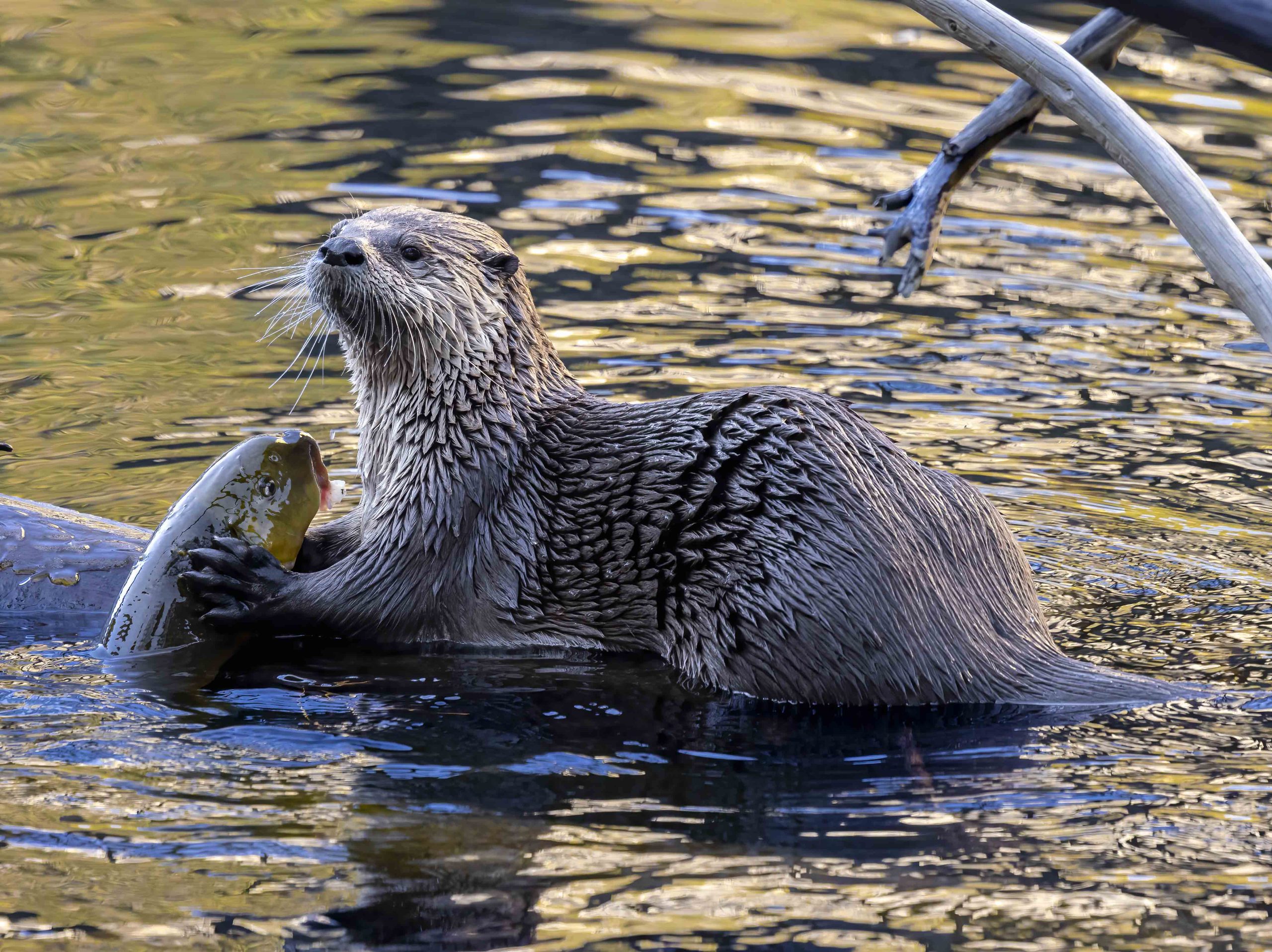
Yosemite Wildlife transcends the typical field guide or decorative coffee-table book. Beth Pratt, who also serves as the California director for the National Wildlife Federation, employs compelling storytelling to craft vivid profiles of Yosemite’s animal residents. Collaborating with photographer Robb Hirsch, the book bestows upon each creature a profound sense of reverence, highlighting their intrinsic beauty. Bears are depicted with gentle, expressive eyes, coyotes are celebrated as the "songsters" of the Sierra Nevada, and the echolocation of bats is poetically described as "the music of starshine." Yet, beneath this celebration of natural splendor lies a poignant and urgent warning: these species are increasingly vulnerable and face an uncertain future if their natural habitats are not adequately protected. The book’s release in October coincided with a period of heightened concern over public land protections, as the Trump administration enacted policies that reduced staff and funding for the National Park Service, underscoring the critical need for conservation advocacy. In an interview, Pratt discussed the profound magic of wildlife encounters and her belief that fostering a deeper appreciation for the natural world is paramount to inspiring action for its preservation.
The genesis of Yosemite Wildlife traces back to Pratt’s initial visit to Yosemite in 1992, shortly after relocating to California from Massachusetts. Her arrival coincided with a picturesque snowfall, creating a scene she likens to a romantic film, but with a wild twist: a coyote emerged, marking her first-ever encounter with the animal in its natural habitat—a truly magical moment. This experience ignited a passion for learning about the park’s wildlife, leading her to research its inhabitants. She discovered Joseph Grinnell and Tracy Storer’s seminal 1924 work, Animal Life in Yosemite, her "bible," but was struck by the absence of subsequent comprehensive studies on the park’s fauna over the ensuing century. Pratt felt it was a critical time to reintroduce the story of Yosemite’s wildlife to a new generation.

The ecological landscape of Yosemite has undergone significant transformations since Grinnell’s initial surveys. Pratt notes that pikas, once observed as low as 7,000 feet, are now primarily found at elevations between 9,000 and 10,000 feet, a stark indicator of the impact of climate change on these sensitive alpine mammals. This upward migration is a symptom of a broader trend where species are adapting to shifting habitats, often driven by human activities. Ravens, for instance, which were rarely documented in Grinnell’s survey, are now ubiquitous in the park, largely due to their opportunistic nature and the readily available food sources stemming from human presence, particularly discarded trash. This readily available food source also leads them to prey on other species, such as the Yosemite toad, an endemic high-elevation amphibian whose populations are struggling due to a combination of climate change, habitat loss, and increased predation by corvids like ravens. The comparison of current wildlife populations and behaviors with historical records, as documented in Pratt’s book, provides crucial context for understanding these changes and developing more effective conservation strategies.
Pratt’s selection of animals for Yosemite Wildlife focused on those that embody the unique essence of Yosemite. She gave particular prominence to endemic species, those found nowhere else on Earth, while also including common animals to explore their specific ecological roles and stories within the park. Black bears serve as a prime example of this approach, illustrating the evolution of human understanding and behavior within protected areas. The narrative around bears highlights a critical shift from blaming wildlife for human-induced problems, such as bears accessing unsecured trash, to recognizing our responsibility to protect them by managing our actions and safeguarding their environment. Pratt emphasizes that bears are simply acting according to their nature, and it is incumbent upon visitors to prevent situations where bears might get into trouble, such as leaving food accessible in vehicles.

The research for Yosemite Wildlife involved an extensive deep dive into historical records, including decades of nature notes, field journals, and observation cards housed in park archives. Pratt also meticulously reviewed scientific literature to ensure the book’s content reflected over a century of ecological understanding. Beyond archival research, Pratt dedicated countless hours to direct field observation, spending two to three days a week during summers for many years, patiently watching and documenting animal behaviors. This commitment, spanning three decades, allowed her to develop a profound connection with Yosemite’s wildlife, enabling her to share their stories with a depth and authenticity that resonates throughout the book. Her role as a volunteer researcher for the National Park Service further enriched her understanding, involving participation in bear patrols and birding excursions with park scientists, and observing various species like turtles. This hands-on experience, coupled with her meticulous record-keeping of wildlife observations and climatic conditions like snowpack and temperature, has been instrumental in her research, particularly in understanding how environmental factors influence animal behavior, especially among high-elevation species during the summer months.
While Yosemite Wildlife captures the serene beauty of the park’s fauna, Pratt acknowledges that many visitors experience only the most crowded areas and encounter limited wildlife. She points out that wildlife sightings are not guaranteed, unlike the predictable attractions of a theme park. This reality underscores a broader message within the book: even in meticulously protected environments like national parks, human presence inevitably impacts wildlife. Pratt hopes her work will encourage visitors to reconsider their behavior and adopt a more mindful approach, recognizing these spaces as precious ecosystems where treading lightly is essential. She believes that fostering an understanding and appreciation for even the most elusive creatures, such as the Mount Lyell salamander, can inspire a greater commitment to conservation. Knowing that such sensitive animals inhabit these landscapes can prompt individuals, even those engaged in activities like climbing Half Dome, to behave more considerately. Pratt’s ability to achieve such intimate wildlife encounters stems from her deep knowledge of animal behavior, which she terms "reading the wildlife weather." By understanding predictable patterns, such as the consistent routes pikas take to gather food, she can anticipate their movements and increase her chances of observation.

The publication of Yosemite Wildlife arrives at a critical juncture, marked by governmental efforts to dismantle public land protections and reduce the resources allocated to environmental agencies. Pratt expresses deep concern over this trend, stating that she has never witnessed such a pronounced assault on public lands and the natural world in her 56 years. She views her book as a vital call to action, a testament to the irreplaceable value of places like Yosemite, and a plea for their continued preservation. Pratt hopes the book will serve as a celebration of what makes these landscapes extraordinary, rather than a somber chronicle of what has been irrevocably lost.
Yosemite Wildlife is authored by Beth Pratt with photography by Robb Hirsch. It is available in hardcover, spanning 434 pages, and published by Yosemite Conservancy in 2025.