Joko Susilo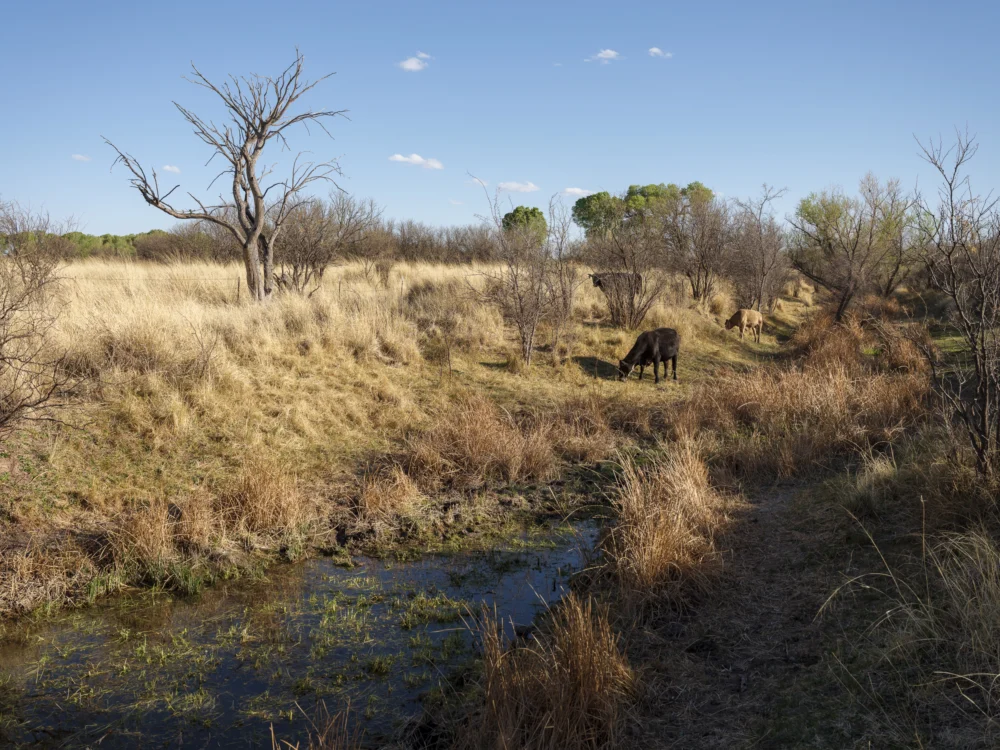
A sweeping, in-depth investigation into the federal public-lands grazing system has uncovered a troubling pattern of environmental degradation, significant financial benefits disproportionately accruing to a small fraction of ranchers, and a concerning reliance on regulatory exemptions by federal agencies responsible for land stewardship across the American West. This extensive journalistic endeavor, built upon rigorous analysis of government documents, proprietary data, and hundreds of public records requests, alongside numerous interviews and firsthand site visits, paints a stark picture of a system under immense pressure, often at the expense of fragile ecosystems and taxpayer interests.
The investigation meticulously analyzed roughly 50,000 billing records from the Bureau of Land Management (BLM) and the Forest Service, covering the most recent grazing fee year from March 2024 through February 2025. These records, detailing Animal Unit Months (AUMs) billed to permittees—a standard measure of livestock foraging—revealed a highly concentrated ownership structure. A mere 10% of permittees control an overwhelming share of public-lands ranching, indicating a significant consolidation of access and resources. To accurately assess the scale of these operations, analysts diligently researched connections among the largest operators, meticulously grouping related entities and subsidiaries under their parent companies. This aggregation provided a clearer understanding of the true beneficiaries of the federal grazing program.
Beyond the concentration of permits, the financial advantages for ranchers utilizing federal allotments are substantial. The investigation calculated the savings enjoyed by permittees by comparing the federal grazing fee with the average open market grazing prices in each state. For the 2024 grazing fee year, which the BLM annually publishes based on U.S. Department of Agriculture research, ranchers using federal lands paid significantly less than their counterparts leasing private property. This disparity translates into considerable financial savings for permit holders, effectively serving as a hidden subsidy funded by the public. These economic benefits extend further through a complex web of agricultural support programs. Researchers compiled a comprehensive list of subsidies paid to public lands ranchers by the Agriculture Department, drawing on data from its Farm Service Agency and Risk Management Agency. These programs include the Livestock Forage Program, the Federal Crop Insurance Program’s Pasture, Rangeland, Forage category, the Livestock Indemnity Program, Emergency Assistance for Livestock, Honeybees and Farm-Raised Fish, the temporary Emergency Livestock Relief Program, Livestock Risk Protection policies specific to beef cattle, and the Grassland Conservation Reserve Program. Collectively, these programs represent a significant financial safety net and direct support system, further bolstering the economic viability of public-lands ranching, often without commensurate returns for the public lands they utilize.
The environmental ramifications of this system emerge as one of the investigation’s most critical findings. Reporters toured grazing allotments in Arizona, Colorado, Montana, and Nevada, observing firsthand the impacts on landscapes. In Arizona, observations included cattle grazing in a creek flowing through Las Cienegas National Conservation Area, an area designated as critical habitat for five threatened or endangered species and ostensibly off-limits to livestock. Such instances underscore the tension between grazing practices and biodiversity conservation, highlighting how even protected areas face constant pressure. Mark Martinez of S. Martinez Livestock, a holder of large Forest Service permits, acknowledged that livestock do not graze the entirety of permitted acreage annually, citing poor land condition due to wildfire, environmental avoidance, and rotational grazing. While such practices can mitigate impact, the overall trend points to broader ecosystem distress.

A particularly alarming discovery involves the escalating use of legal exemptions by the Bureau of Land Management to bypass mandatory environmental reviews and associated land-health assessments for grazing permits. This bypass mechanism, which circumvents the rigorous processes established under bedrock environmental laws like the National Environmental Policy Act (NEPA) and the Endangered Species Act (ESA), has profound implications for the health of federal rangelands. Analysis of geospatial data, originally compiled by Public Employees for Environmental Responsibility from BLM records and last updated in December 2023, revealed the land-health status of BLM allotments. This data, combined with information from the Western Watersheds Project’s "Renew or Review" initiative (which draws from the BLM’s Rangeland Administration System, last updated in September 2023), showed a concerning trend. The percentage of acreage authorized by the BLM via these exemptions in 2013 was significant, and a decade later, the agency’s reliance on such loopholes has only deepened, raising serious questions about the long-term sustainability of these lands. Similar trends were observed on Forest Service lands, with Western Watersheds Project data analysts describing their methodology for tracking the agency’s use of exemptions, relying heavily on the Forest Service’s GIS grazing allotment data. These exemptions allow agencies to renew grazing permits without conducting comprehensive environmental impact analyses or assessments of rangeland health, potentially perpetuating practices detrimental to soil, water, and wildlife.
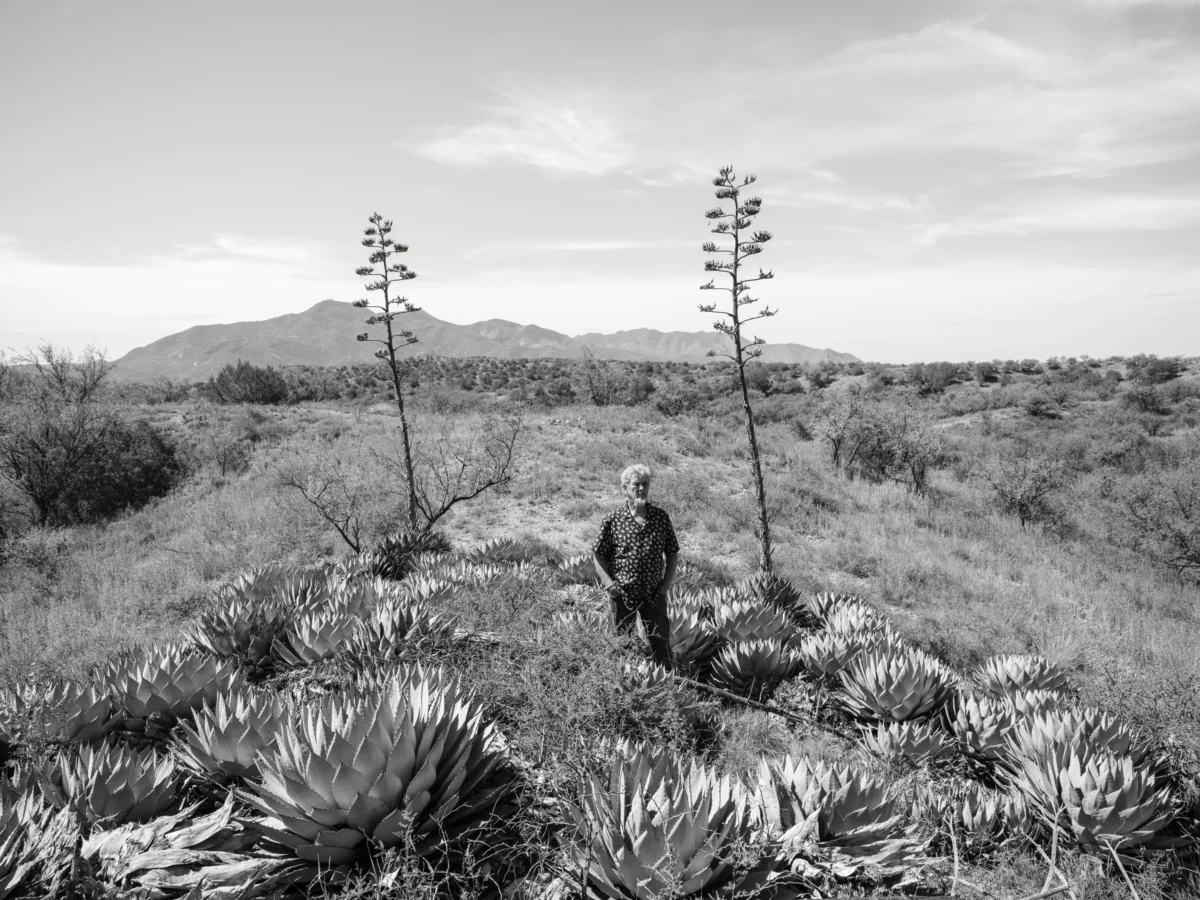
To understand the underlying regulatory environment fostering these outcomes, reporters conducted extensive interviews with ten current and former BLM employees, ranging from upper management to field staff on interdisciplinary teams responsible for land health assessments and permit reviews. These interviews provided critical insights into the institutional pressures, resource constraints, and historical precedents that contribute to the current state of affairs. The challenges faced by federal land managers in balancing multiple-use mandates with conservation responsibilities are immense, often compounded by limited budgets and political sensitivities. The observed environmental impacts were not just theoretical; reporters spent several days driving and hiking across allotments in central and southern Arizona, including those within the Las Cienegas National Conservation Area, Gila Box Riparian National Conservation Area, Agua Fria National Monument, and Coronado National Forest. These firsthand accounts provided tangible evidence of degraded riparian areas, invasive species encroachment, and depleted forage, directly linking grazing practices to ecological decline.
The implications of these findings extend beyond the borders of the American West. Public lands across the globe, from the steppes of Central Asia to the savannas of Africa and the outback of Australia, face similar challenges in balancing traditional pastoralism with the imperative of biodiversity conservation and sustainable land management. The pressure to maintain economic livelihoods for ranching communities, often with deep historical ties to the land, frequently clashes with scientific consensus on ecological carrying capacities and the needs of threatened species. This investigation underscores a critical global issue: how societies manage finite natural resources under increasing human demand and climate change. The reliance on regulatory exemptions, the concentration of economic benefits, and the observable environmental impacts highlight a systemic challenge in ensuring accountability and ecological integrity on publicly owned lands.
Ultimately, this comprehensive investigation calls for a reevaluation of federal grazing policies, advocating for greater transparency, robust environmental oversight, and a commitment to balancing economic interests with the long-term health of precious public ecosystems. The evidence suggests that without significant reforms, the ecological legacy of the American West, and potentially other similar landscapes worldwide, remains at risk from unsustainable practices perpetuated by a system in need of critical review and responsible stewardship.