Joko Susilo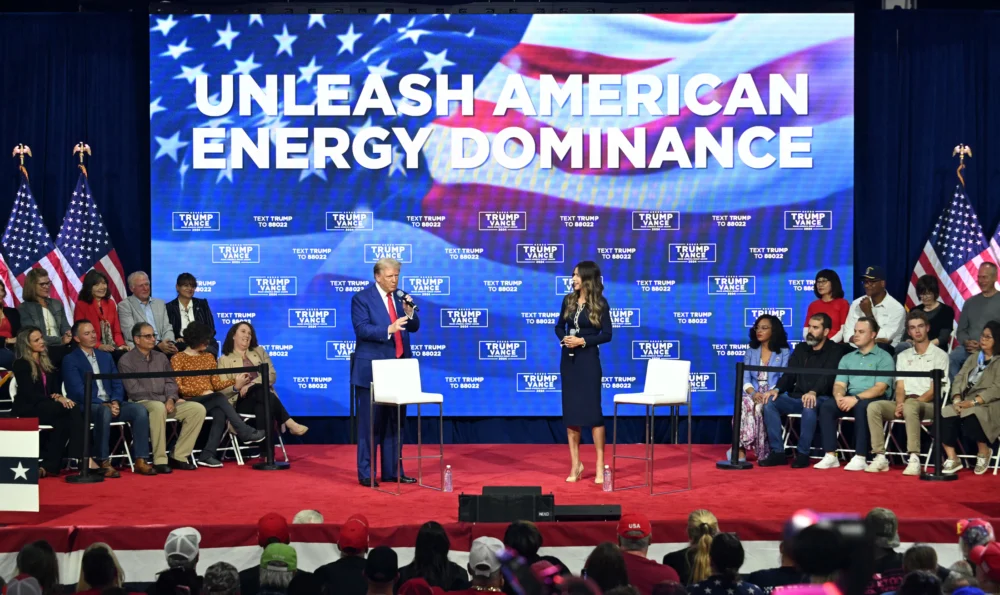
Former President Donald Trump’s pursuit of "energy dominance," a concept he frequently champions, represents a striking continuity in American energy policy, albeit with a distinctive rebranding. While the term itself is new, the underlying aspiration — to produce the nation’s energy domestically and minimize reliance on foreign sources, particularly from potential adversaries — echoes the decades-old goal of "energy independence." This objective gained significant traction during the Nixon era in the wake of the 1973 oil crisis, a period marked by geopolitical tensions and severe energy shortages that underscored the vulnerability of an import-dependent nation. Since then, administrations across the political spectrum, from Jimmy Carter’s emphasis on conservation to Barack Obama’s "all-of-the-above" strategy and Joe Biden’s focus on clean energy, have all, in their own ways, sought to bolster America’s energy security and reduce its susceptibility to global market fluctuations and geopolitical leverage.

What fundamentally distinguishes Trump’s approach, despite his fervent "Drill, Baby, Drill," "Mine, Baby, Mine," and "Beautiful Clean Coal" rhetoric, along with numerous regulatory rollbacks and emergency orders, is its perceived ineffectiveness. Far from strengthening the domestic energy industry, critics argue that his policies have inadvertently undermined its long-term viability and, in some instances, diminished the nation’s capacity to generate the power essential for a modern, industrialized society. A truly pragmatic energy strategy, even for a leader prioritizing energy output above environmental concerns, would logically embrace a diverse portfolio of power sources. Such an approach, often termed "all-of-the-above," would include the fastest-growing and increasingly cost-effective technologies like wind and solar, complemented by battery storage, alongside nuclear, geothermal, hydropower, and natural gas. This diversification offers resilience, reduces risk, and ensures a robust energy supply.
However, Trump’s administration has conspicuously abandoned this comprehensive strategy, instead actively sidelining promising and effective energy technologies. His policies have included the elimination of federal tax credits critical for both wind power and utility-scale and rooftop solar installations, a move that directly impacted investment incentives for renewable projects. Furthermore, his administration has sought to halt new wind projects on federal lands and in federal waters, subjected proposed utility-scale solar developments on public lands to additional scrutiny and bureaucratic hurdles, and canceled initiatives like the "Solar for All" program, which aimed to extend clean energy access and promote energy self-reliance among lower-income families. More recently, the administration has reportedly clawed back over $7 billion in Biden-era funding allocated for clean energy and grid-reliability projects, many of which were situated in Western states and disproportionately affected regions that favored the Democratic ticket in the 2024 election, raising questions about political motivations behind infrastructure decisions.

Concurrently, the administration has channeled significant resources into propping up the aging infrastructure and declining sectors of the fossil fuel industry. This includes plans to allocate approximately $625 million in subsidies to revitalize the struggling coal industry and the widespread rollback of environmental and safety regulations for coal-fired power plants, which effectively constitute another form of subsidy by reducing operational costs for polluters. His administration also opened 13 million acres of public land across the Western United States to new coal leasing and overturned Biden-era restrictions on new leasing in the vital Powder River Basin, spanning Wyoming and Montana. Paradoxically, while ostensibly supporting coal, the administration simultaneously canceled funding for carbon capture projects, technologies often touted as crucial for prolonging the operational lives of coal plants by mitigating their carbon emissions, thereby exposing a fundamental inconsistency in its stated goals.
These actions suggest that Trump’s true objective may not be a holistic "energy dominance" but rather a selective, politically motivated push for fossil fuel supremacy, primarily benefiting red-leaning states and offering a lifeline to fossil fuel executives. Yet, even this narrowed ambition has encountered significant challenges in the marketplace. Recent developments underscore the declining economic viability of coal. Earlier this month, the Bureau of Land Management (BLM) conducted its first coal lease sale on public land in the Powder River Basin in over a decade. The sale attracted only a single bidder, the Navajo Transitional Energy Company, which offered a mere $186,000 for a tract containing an estimated 167 million tons of coal. This bid, translating to roughly one-tenth of one cent per ton, starkly contrasts with sales in 2012 that fetched over $1 per ton. The federal government promptly rejected the bid, citing its failure to meet the "fair market value" requirement mandated by the Mineral Leasing Act. Days later, the Interior Department canceled another scheduled sale in the Powder River Basin for 441 million tons of coal. A third sale for public lands in southwestern Utah similarly garnered only one low bid, which was also rejected.

Beyond these failed lease sales, major industry players are already charting a different course. Just days after the administration’s announcement of plans to inject taxpayer funds into the coal industry, PacifiCorp, the largest grid operator in the Western U.S., reaffirmed its commitment to convert its Naughton coal plant in Wyoming to natural gas. Idaho Power, another significant utility, proposed a rate decrease for its customers following cost savings achieved by decommissioning a unit at a Nevada coal plant. Crucially, no utility in the country has seriously proposed building new coal plants, a testament to the fact that coal has become an economically obsolete, environmentally damaging, and prohibitively expensive technology compared to modern alternatives.
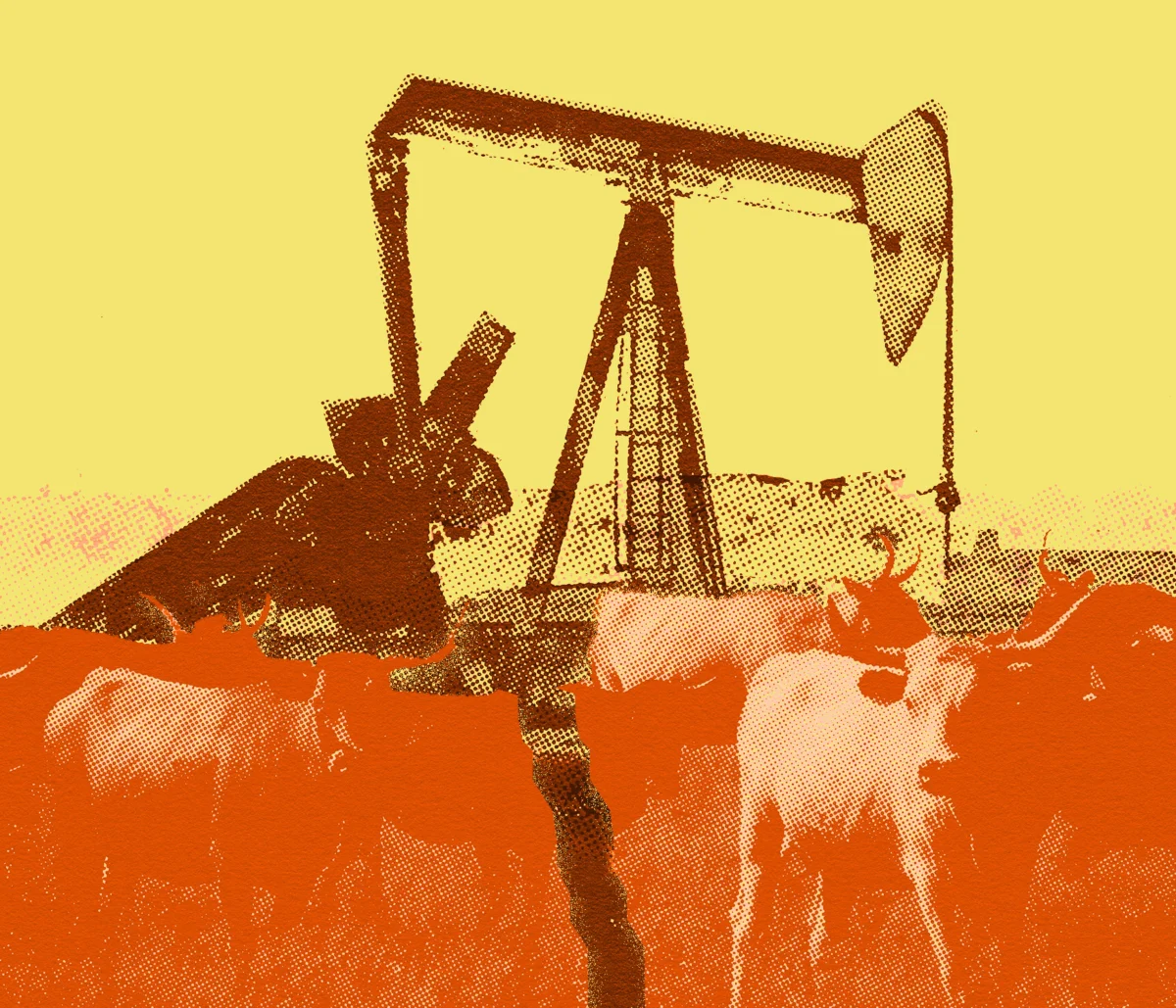
The administration’s fervent desire to "Drill, Baby, Drill" for oil and natural gas has also encountered a "failure to launch." Despite the BLM issuing drilling permits at an alarming rate, even during government shutdowns – with 2,660 permits granted in the first six months of Trump’s term, averaging 524 per month, significantly surpassing Biden’s peak of 317 per month in 2023 – actual drilling activity remains stubbornly stagnant. Drill rig counts, a reliable indicator of industry enthusiasm and future production levels, have remained largely unchanged throughout Trump’s term, and in fact, stand considerably lower than they were a year prior to his election. This disconnect stems from several factors, including persistently low global oil prices, which Trump himself has advocated for and reportedly encouraged through discussions with Saudi Arabia and other OPEC+ members to increase their output. Furthermore, his administration’s disorderly trade wars and tariffs on essential materials like steel and aluminum have raised operational costs for drillers, eroding profit margins and dampening investment appetite.

A recent survey by the Federal Reserve Bank of Dallas, canvassing oil and gas executives, vividly illustrates the challenges facing the industry under these policies. Most executives reported that Trump’s regulatory rollbacks and federal royalty reductions would only marginally lower their "break-even" costs and would not lead to an appreciable increase in production. Optimism within the oilpatch appears to be in short supply. One executive, responding anonymously for candor, remarked, "It’s going to be a bleak three-plus years for the oilpatch." Another lamented, "After Liberation Day, we cut our drilling budget in half from 10 wells to five wells." A third declared a more profound shift, stating, "We have begun the twilight of shale. Several multibillion-dollar firms that have previously been U.S.-onshore-only are making investments in foreign countries and riskier (waterborne) geologies." This executive also raised a critical environmental concern about the hundreds of thousands of abandoned and orphaned wells, noting, "Society will not treat us kindly unless we do our part to clean up after we are gone," highlighting the enduring environmental liabilities of the fossil fuel boom.
The administration’s recent move to reopen 1.56 million acres on the Arctic National Wildlife Refuge’s (ANWR) coastal plain to oil and gas leasing, mirroring a similar action in 2017, further exemplifies this disconnect between political will and market reality. Despite the ecological sensitivity of ANWR and its symbolic importance in conservation debates, previous lease sales in the refuge, including one held just days before Biden’s inauguration in 2021 and another in January 2025, attracted minimal interest. The 2021 sale saw only low bids, primarily from an Alaska state agency, with no major oil companies participating. The 2025 auction drew no bids at all, underscoring the industry’s fundamental lack of interest in high-risk, high-cost ventures in remote, environmentally challenging areas, even when regulatory barriers are removed.

Ultimately, the trajectory of energy development is governed by a complex interplay of market forces, technological innovation, global economics, and geopolitical realities, with federal policies playing a contributing, but often not decisive, role. Just as Biden’s increased regulations on oil and gas drilling did not significantly impede overall production, Trump’s determined deregulation and fossil fuel advocacy have largely failed to accelerate it. Conversely, his hostility towards solar and wind power has not stifled their momentum; firms continue to bring utility-scale projects online at a rapid pace and secure financing for new proposals, even in the absence of federal incentives. True energy dominance and security for any nation, particularly a global economic powerhouse like the United States, demands a pragmatic, diversified, and forward-looking strategy that aligns with economic realities, embraces technological advancements, and addresses the pressing challenges of climate change. Political rhetoric, no matter how forceful, cannot unilaterally dictate market trends or force energy solutions into existence against prevailing economic and technological currents.