Roger Danuarta
Recent headlines have thrust into public discourse the contentious issue of individuals making unsubstantiated or entirely fraudulent claims to Native identity, a phenomenon colloquially known as "pretendianism" that has seen prominent figures like Sacheen Littlefeather, Elizabeth Warren, and Thomas King face intense scrutiny. This widespread challenge, though profoundly impactful, often remains inadequately addressed, even within Indigenous communities themselves, due to its politically charged and socially sensitive nature. The digital age has amplified this complexity, giving rise to "hyper-online crusaders" who, in their pursuit of social media influence, sometimes conflate genuine concern for Indigenous communities with personal vendettas, employing erroneous or uneven methodologies that undermine rational research. The harm caused by identity fraud is undeniable, yet the often-vicious vigilante efforts risk obscuring the nuanced historical and systemic roots of the problem.
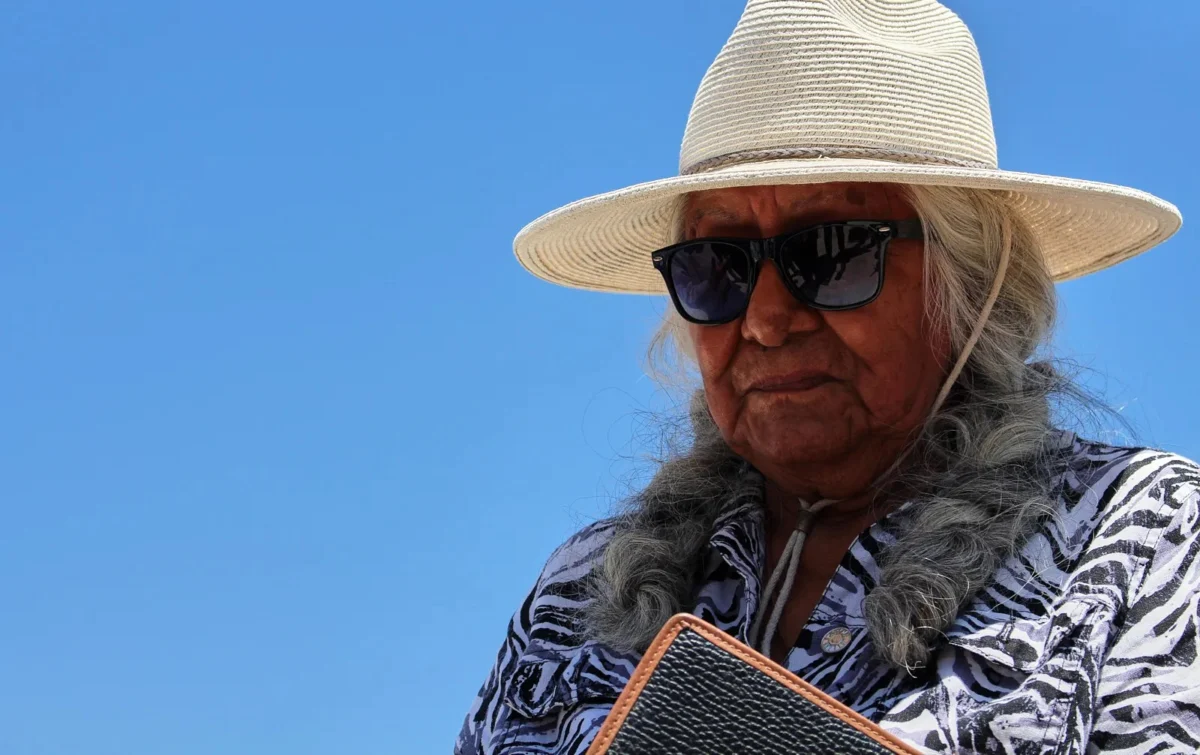
At the heart of this crucial conversation is researcher Dina Gilio-Whitaker (Colville), who confronts the multifaceted crisis of Indigenous identity in her seminal new book, Who Gets to be Indian? Gilio-Whitaker’s work bravely tackles "pretendianism" alongside its distressing inverse: tribal disenrollment. She argues for an honest, rational, and vulnerable dialogue, urging a departure from the toxic echo chambers of social media. Her deep engagement with the subject stems from a recognition that Indigenous identities have been under relentless assault since the dawn of colonialism, leading to profound disruptions within Native communities, families, and tribal structures. This historical trauma, she contends, has created a "quagmire of confusion" regarding what it means to be Native, particularly when identity is filtered through the Eurocentric lenses of free speech and private property, reducing it to a mere personal possession rather than a communal belonging.

Gilio-Whitaker highlights a significant historical vulnerability: the inherent generosity and trusting nature of Native peoples. From the very first encounters with European settlers, Indigenous communities often extended an open hand, a characteristic that, while noble, has regrettably been exploited. This generosity, she suggests, has, at times, led to a reluctance to question claims of identity, fostering an environment where misrepresentation can flourish. The sensitivity surrounding personal and family histories further complicates the matter, making it challenging to discern truth from fabrication.
However, Gilio-Whitaker firmly asserts that the difficulty of verification is not universal. For the vast majority of individuals affiliated with federally recognized tribes, and even many without formal recognition, genealogical lines are clear and well-established, often meticulously documented due to centuries of colonial administration. The true controversy, she explains, revolves around those who lack such documented lineage. While acknowledging that historical ruptures—such as forced adoptions, boarding schools, and federal policies like the Dawes Act which fragmented communal landholdings and imposed blood quantum definitions—have genuinely severed many Indigenous people from their ancestral records and communities, these very ruptures also create fertile ground for "wishful thinking" and outright fraudulent claims.
The author does not shy away from the potential backlash her work might invite from non-Native detractors, who might weaponize internal critiques against Indigenous communities. Yet, she argues that ignoring the problem has only exacerbated it, creating a void that demands a rational, historically informed analysis. The existing "call-out culture" on social media, while sometimes necessary to expose harm, often devolves into unproductive, emotionally charged exchanges. Gilio-Whitaker seeks to foster a new language and framework for understanding these nuances, advocating for systematic processes of vetting claims. She proposes that individuals making Native claims should be accountable to the communities they assert connection to, much like veterans are scrutinized to prevent "stolen valor." This approach aims to normalize open dialogue and mutual respect, moving beyond defensive posturing.

A central thesis of Who Gets to be Indian? is that both "pretendianism" and tribal disenrollment are symptomatic of the interlocking forces of capitalism and colonialism. These twin mechanisms have systematically alienated Indigenous North Americans from their traditional land-based lifeways, forcing them into a cash-based economic system that commodifies everything, including identity. In this settler-colonial framework, land is reduced to real estate, and identity, consequently, becomes a form of intellectual or cultural property. Gilio-Whitaker, echoing scholars like Kim TallBear, frames the theft of Indigenous identity as the ultimate frontier of settler colonialism – a final appropriation when land and resources have already been seized. The economic incentives for identity fraud, ranging from academic and artistic opportunities to government grants and preferential hiring, further entrench this colonial logic.
This relentless focus on individual identity, driven by colonial thinking, risks drawing Indigenous peoples further away from their ancestral collectivist ethos. Gilio-Whitaker poses a profound question: how do Indigenous communities reclaim their collective identity in a world saturated by colonial individualism? She suggests a return to Indigenous knowledge systems, emphasizing relational thinking over individualistic self-definition. In traditional Indigenous protocols, self-introduction involves articulating one’s familial and community connections, underscoring that identity is not an isolated possession but an intricate web of relationships and responsibilities. Decolonizing the mind, she asserts, must begin with re-normalizing these Indigenous ways of understanding self and community.
The book also casts a critical, yet empathetic, eye on urban pan-Indian culture. While acknowledging its vital role as an "on-ramp" for many Indigenous people disconnected from their reservations and homelands, providing a crucial "facsimile of culture and community belonging," Gilio-Whitaker warns of its susceptibility to infiltration by "posers." During the Red Power Movement of the 1960s and 70s, urban pan-Indian spaces, while fostering collective activism, inadvertently created an environment where a lack of stringent accountability allowed individuals without genuine tribal ties to claim Native identities. Gilio-Whitaker candidly shares her own experience of being "duped" by such individuals, even in personal relationships, highlighting the trusting nature of many Native people that was, and continues to be, taken advantage of. She stresses the need for robust systems of accountability within these intertribal spaces to ensure their integrity and protect genuine members.

Gilio-Whitaker’s decision to interweave her personal journey of reconnection and identity struggles into the book is a deliberate act of vulnerability. Recognizing that many Native people, regardless of blood quantum or enrollment status, grapple with feelings of "not enough," she aims to normalize these anxieties. By openly sharing her own experiences of doubt and reconnection, she seeks to create a safe space for others to explore their vulnerabilities, fostering the very honest conversation she advocates for.
For those genuinely seeking to reconnect with their tribal cultural heritage without becoming "race shifters" or being unfairly dismissed alongside fraudulent "pretendians," Gilio-Whitaker offers clear advice: do the diligent "homework" of genealogical research. This goes beyond simply identifying a distant ancestor; it involves actively seeking out and engaging with the protocols and living cultures of specific tribal communities. It demands a willingness to accept the findings, even if they contradict long-held family narratives or personal desires. The path to legitimate Indigenous identity is not merely one of self-declaration but of verifiable lineage, community recognition, and active participation in the responsibilities and relationships that define Indigenous nationhood. Ultimately, the book serves as a clarion call for integrity, accountability, and a profound understanding of the historical forces that have shaped, and continue to challenge, the complex tapestry of Indigenous identity.