Joko Susilo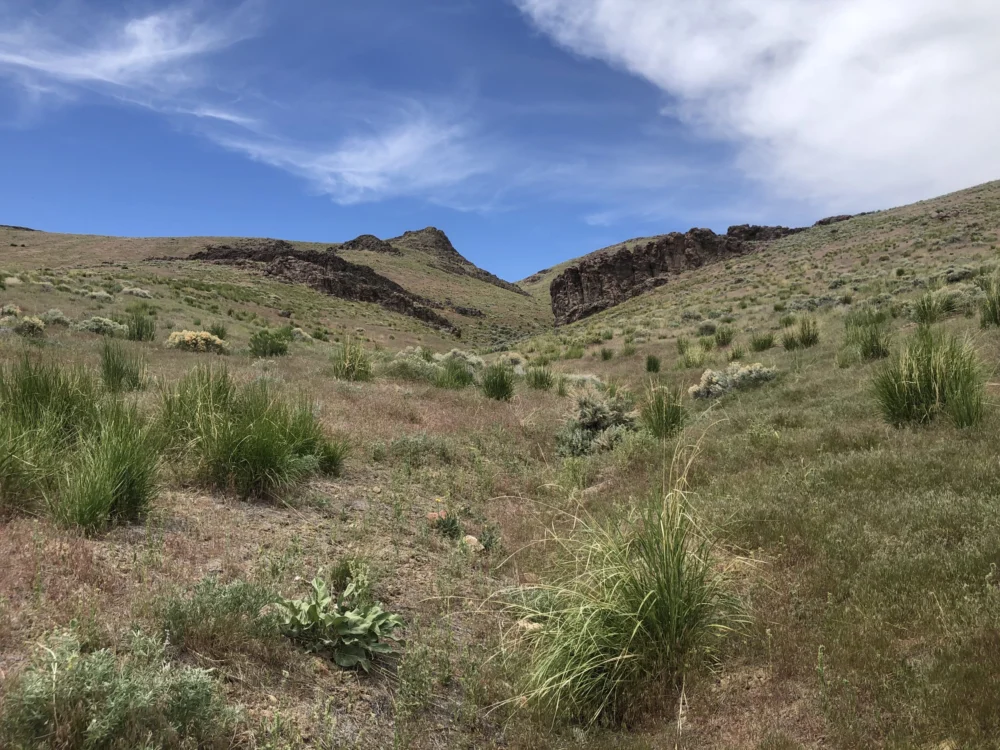
A senior official within the Department of the Interior, Karen Budd-Falen, faces escalating scrutiny over undisclosed financial connections to the highly contentious Thacker Pass lithium mine in northern Nevada, a project that has seen significant backing and acceleration from the Trump administration, including a recent equity acquisition. The revelation comes as the administration intensifies its national push for critical mineral extraction, intertwining a top government official’s personal financial interests with a major federal initiative.

Budd-Falen, who currently serves as Associate Deputy Secretary to Interior Secretary Doug Burgum, a position that bypasses the need for Senate confirmation, previously held a high-ranking legal role within the Interior Department during the first Trump administration. Her financial disclosure, obtained after an unexplained delay, delineates her family’s substantial land holdings, including Home Ranch LLC, a Nevada-based ranching enterprise valued at over $1 million. Public records from Nevada’s business database indicate that Frank Falen, Karen Budd-Falen’s husband, was listed as the manager of Home Ranch LLC as recently as February 2022.
The direct financial link emerged in November 2018, shortly after Budd-Falen first joined the Interior Department. Home Ranch LLC entered into an agreement to sell crucial water rights to Lithium Nevada Corporation, the subsidiary of Canadian mining firm Lithium Americas spearheading the Thacker Pass project. Although the precise sum of this transaction remains undisclosed, an official Securities and Exchange Commission filing lists Frank Falen as party to the agreement. Further reinforcing the connection, monitoring plans for Thacker Pass, submitted by Lithium Nevada to federal regulators in July 2021, explicitly state the company’s intention to utilize existing stock water wells owned by Home Ranch LLC to "monitor potential drawdown impacts" stemming from its extensive mining operations.

These financial dealings raise significant questions about potential conflicts of interest, particularly given Budd-Falen’s influential positions within the department responsible for overseeing vast tracts of federal land, including those designated for mining. During her initial tenure, her official calendar recorded a November 6, 2019, meeting designated as "lunch with Lithium Nevada," at a time when the company was aggressively seeking swift federal approval for the Thacker Pass project. This meeting occurred while she was a high-ranking legal official, directly involved in the department’s regulatory landscape.
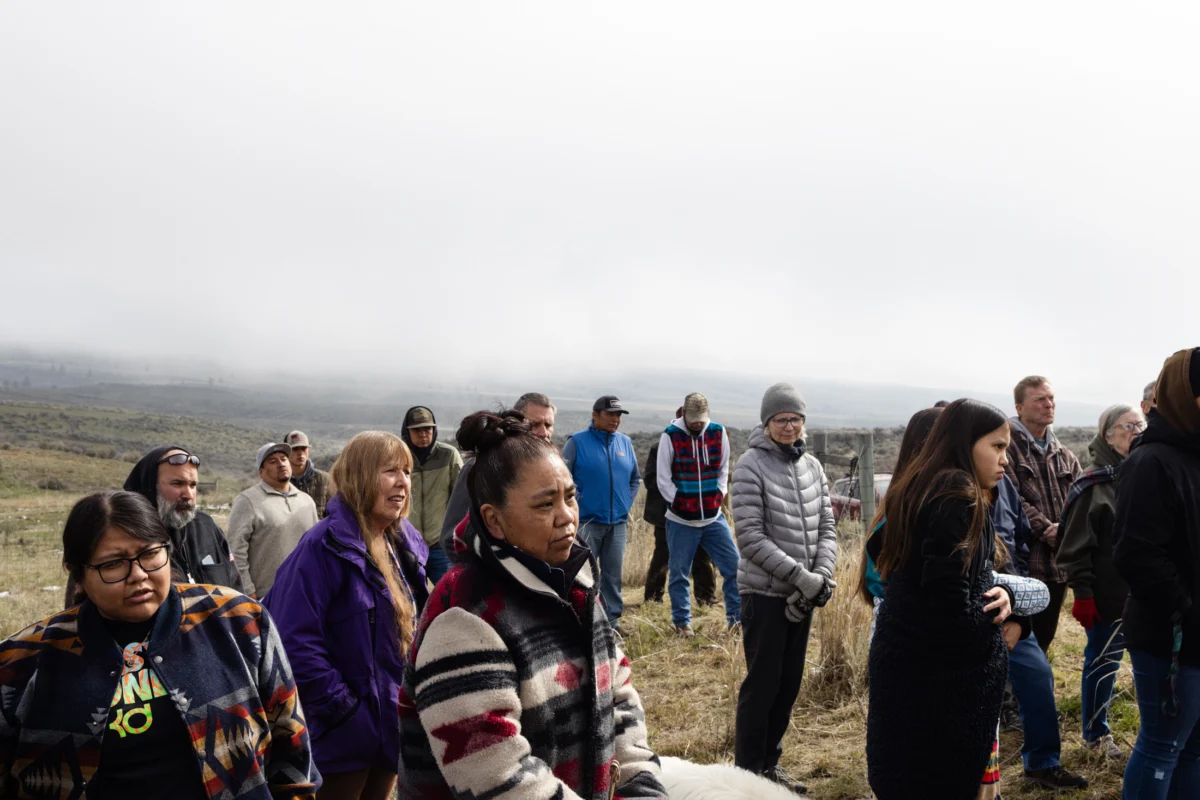
The Thacker Pass mine itself, a colossal $2.2 billion open-pit operation slated to encompass approximately 5,700 acres of public land, has become a flashpoint in the national debate over resource extraction, environmental protection, and Indigenous rights. Located in northern Nevada, the site is known as Peehee Mu’huh by the local Paiute Shoshone people and carries deep historical trauma, being the documented location of an 1865 massacre of at least 31 Paiute individuals. This historical significance, coupled with the mine’s projected environmental footprint, has fueled fierce opposition from area tribes and environmental organizations. Opponents contend that the mine poses severe threats to scarce water resources in the arid Great Basin, endangers vulnerable species, and desecrates sacred cultural sites.

The urgency surrounding the Thacker Pass project intensified during the first Trump administration, culminating in the Bureau of Land Management’s approval of the mine in January 2021, just days before the change of presidential administrations. With the return to power, the Trump administration has once again prioritized advancing the project as a cornerstone of its broader strategy to bolster critical mineral mining within the United States. This renewed commitment saw the administration, in September of the current year, finalize a deal with Lithium Americas to acquire a 5% equity stake in both the Thacker Pass mine and its parent company. This substantial investment was made in exchange for the release of loan funds from the Department of Energy, underscoring the administration’s strategic intent to secure domestic supply chains for vital resources.
The global demand for lithium, often dubbed "white gold," has surged dramatically, driven primarily by the escalating production of electric vehicles (EVs) and the expanding need for grid-scale energy storage solutions. The United States, currently heavily reliant on foreign sources for many critical minerals, views projects like Thacker Pass as crucial to national security and economic independence, particularly in competition with dominant players like China in the global supply chain. However, this geopolitical imperative often clashes with local environmental and cultural concerns. Lithium extraction, especially from clay deposits as at Thacker Pass, is notoriously water-intensive and can generate significant waste, posing long-term ecological challenges in sensitive desert ecosystems.

Budd-Falen’s history further complicates the situation. She was previously considered for the directorship of the Bureau of Land Management during the first Trump term but reportedly declined the position when confronted with the requirement to divest her and her husband’s interests in their family ranches to avoid conflicts of interest. This past decision highlights her awareness of the ethical boundaries for public officials. Yet, her current ethics agreement, which would delineate specific companies or projects from which she must recuse herself, has not yet been publicly released by the Interior Department. This lack of transparency obscures what issues she has been involved in since her return to the sprawling agency.
Conservationists and legal experts are now questioning the integrity of the decision-making process. Kyle Roerink, executive director of the Great Basin Water Network, a prominent water conservation advocacy group in Nevada, voiced serious concerns, stating, "Did she have any oversight of the environmental review process regarding Thacker Pass? It is a big question. If she didn’t recuse herself, it would fly in the face of the impartial decision-making that Americans expect from government officials." The absence of a public ethics agreement leaves such critical questions unanswered, fueling speculation about potential undue influence and the proper adherence to government ethics standards. As the nation navigates the complex transition to a green economy, the ethical conduct of its leaders in balancing economic imperatives with environmental stewardship and Indigenous rights remains paramount.