Rocky Georgio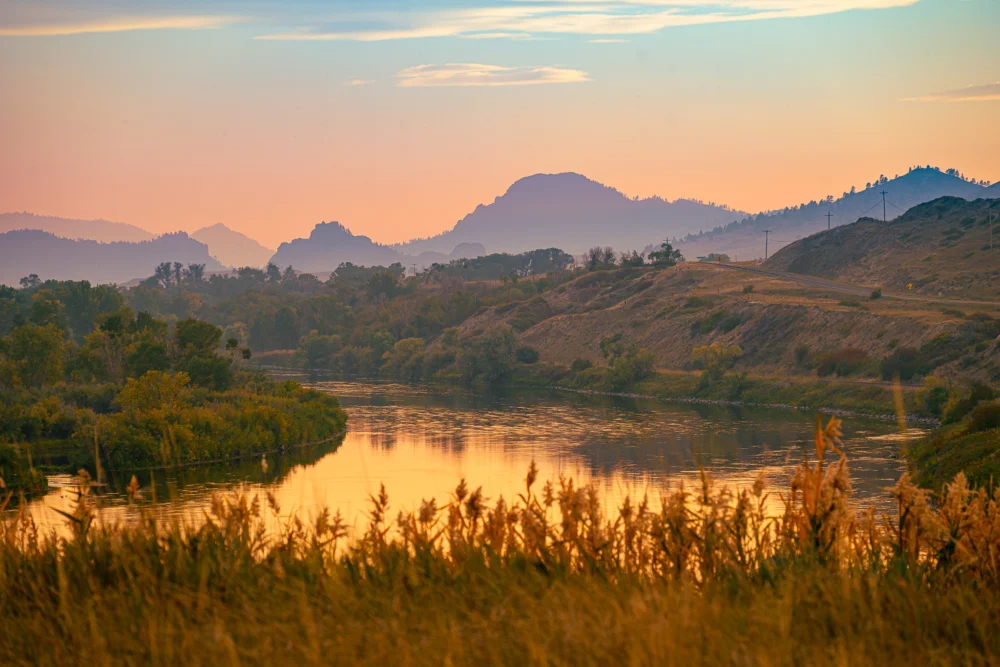
Montana, a state celebrated for its pristine waterways, from high-alpine lakes shimmering under the vast sky to trout-rich rivers like the Missouri, is witnessing a significant shift in its environmental policy. In a move met with considerable concern from conservationists, the Montana Legislature, with the U.S. Environmental Protection Agency’s (EPA) approval this past October, has rolled back crucial protections for the state’s vital water resources. This decision marks a departure from Montana’s prior leadership in safeguarding its aquatic ecosystems against pollution.
Historically, Montana stood as a pioneer in water quality regulation. In 2014, it became the first state in the nation to implement numeric water-quality standards specifically targeting dissolved nitrogen and phosphorus in wadable streams and certain river segments. These nutrients, often originating from sources such as mining operations, municipal wastewater treatment facilities, and agricultural runoff, are primary drivers of nutrient pollution. When present in excessive amounts, they can trigger rapid and extensive algal blooms. These blooms are far more than an aesthetic nuisance; they deplete dissolved oxygen essential for aquatic life, leading to potentially massive fish die-offs, block sunlight from reaching deeper waters, and can even release toxins harmful to human health if ingested.
Water-quality standards, established by each state or tribal nation and approved by the EPA, serve as benchmarks to ensure that water bodies are safe for both human consumption and the thriving of aquatic ecosystems. These standards form the backbone of a state’s environmental water policy, guiding efforts from pollution cleanup initiatives to the permitting process for "point-source polluters" – entities that discharge wastewater through pipes or ditches. Under such standards, the permissible levels of nutrient pollution can be defined either numerically, setting specific maximum allowable concentrations before algal blooms are likely to occur, or narratively, describing the desired condition of clean waterways based on observable degradation parameters.
Earlier this year, a trio of bills passed by the Montana Legislature repealed these established numeric standards, reverting the state to its existing narrative standards. Environmental groups and water-quality experts widely consider narrative standards to be less protective than their numeric counterparts. This is largely because numeric standards act as a preventative measure, compelling polluters to treat their wastewater before any visible degradation occurs. Narrative standards, conversely, are typically invoked only after water quality has already deteriorated, making them reactive rather than proactive. The quantifiable nature of numeric standards provides clear, enforceable benchmarks for maximum pollution levels, whereas narrative standards are inherently more subjective, offering greater discretion to both regulators and those discharging pollutants.
The implications of this shift to narrative standards have created a climate of significant uncertainty, according to Scott Bosse, Northern Rockies Regional Director for the nonprofit American Rivers. The precise implementation strategy by Montana’s Department of Environmental Quality (DEQ) remains unclear, raising questions about how the new framework will translate into actual water protection.

The DEQ contends that narrative standards offer a more efficient approach to preventing excessive pollution. The department plans to assess each water body on a case-by-case basis, tailoring anti-pollution policies to the unique hydrological and ecological characteristics of each location. Andy Ulven, Chief of the DEQ’s Water Quality Planning Bureau, explained that the department is "really trying to find the best site-specific controls." Under the revised standards, the DEQ will rely on indicators such as the health of sensitive aquatic species, like mayflies, along with algal growth levels and dissolved oxygen content, to inform its water policy. While dissolved nitrogen and phosphorus levels will still be considered, Ulven emphasized the need to "look at the bigger picture."
Critics, however, remain unconvinced, characterizing the 2025 legislation as vague and overly broad. In response to these concerns, nine watchdog organizations have formally requested a moratorium on wastewater permits until a more concrete plan for implementing the narrative standards is established.
This is not the first instance of Montana attempting to dismantle its numerical nutrient standards. Previous efforts in 2020 and 2022 were rejected by the EPA, which determined that the proposed changes would violate the Clean Water Act. This year’s reversal by the agency, occurring on October 3rd amidst a government shutdown, represents a significant departure from its prior stance.
Despite the establishment of numerical criteria for nutrient pollution in 2014, Montana had, in practice, rarely enforced them rigorously. Instead, the DEQ frequently opted to extend expiring permits without requiring revisions for compliance. Currently, over two dozen permit renewals are pending, including those for Montana’s largest urban centers, Billings and Missoula, as well as towns like Kalispell and Whitefish, whose drainage systems lead directly into Flathead Lake, the largest natural freshwater lake west of the Mississippi River.
Adhering to the former numeric standards would have necessitated substantial investments in upgrading the state’s generally aging wastewater treatment infrastructure. Guy Alsentzer, Executive Director of Upper Missouri Waterkeepers, argued that these upgrades, while costly, are essential for the long-term health of Montana’s waterways and the well-being of its residents. He acknowledged the reluctance to bear these costs, stating, "Nobody wants to pay for it," but cautioned against altering regulatory goals when facing implementation challenges.
A significant portion of Montana’s waterways is already considered impaired. Over 35% of the state’s river miles and 22% of its lakes are documented as suffering from pollution stemming from sewage, industrial discharges, and agricultural fertilizers. Environmental advocates fear that the renewal of numerous permits under the new, more lenient standards could open the floodgates to further nutrient contamination, exacerbating existing problems.

Montana’s move to weaken its water-quality standards arrives at a critical juncture, coinciding with a broader national trend of challenges to the Clean Water Act. Just last month, a federal proposal aimed to strip federal protections from over 80% of the nation’s wetlands, signaling a potential nationwide rollback of environmental safeguards.
As federal environmental protections face erosion, critics argue that states should be strengthening, not diminishing, their efforts to protect their natural resources. Montana’s success in repealing its stricter pollution standards could embolden other states to pursue similar relaxations, particularly given the perceived shift towards leniency from the EPA. Andrew Hawley, a staff attorney at the Western Environmental Law Center, noted that this development sends a clear message to states that "the EPA will be receptive to these rollbacks of Clean Water Act protections."
In the interim, Montana’s invaluable water resources are left increasingly vulnerable. Bosse of American Rivers expressed bewilderment at the decision by both the state and federal government to jeopardize Montana’s clean water by transitioning to narrative standards, lamenting it as a detrimental step for the state.
The Sibanye-Stillwater platinum and palladium mine, situated along the East Boulder River, has become a focal point for this new regulatory landscape. Its original 2023 permit included stringent numeric limits on nitrogen pollution, a byproduct of dynamite use, which the company was to achieve within a decade. However, a revised permit, currently undergoing the approval process, reportedly allows for a more than fifty-fold increase in the allowable nitrogen discharge, permitting significantly higher levels of pollution immediately. Alsentzer highlighted this case as a critical test case for how rivers will fare under the newly established narrative standard rules.