

 Rocky Gerung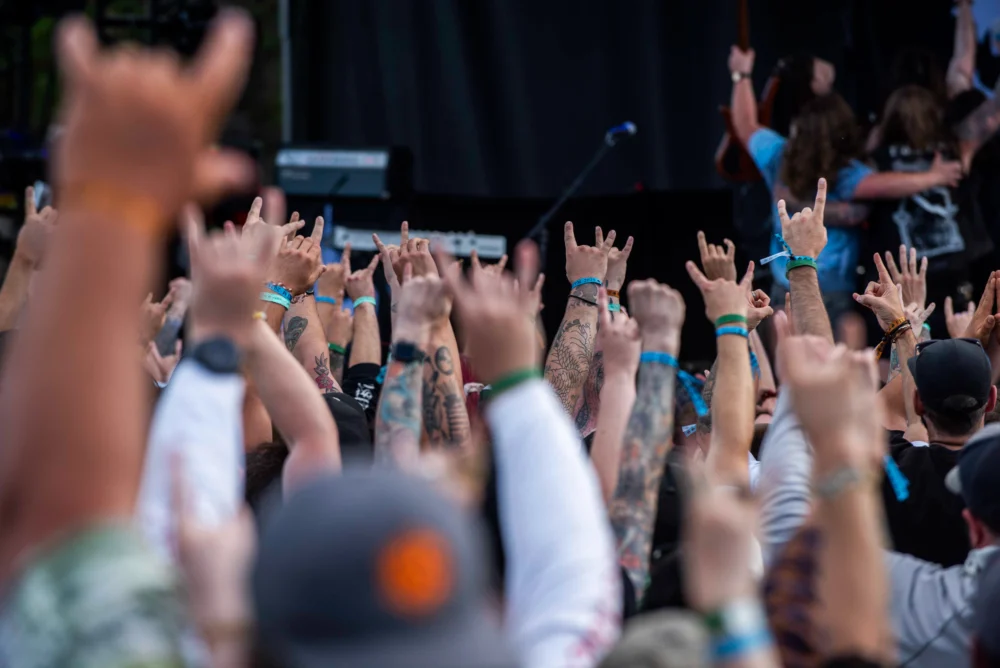
The profound connection between Indigenous youth and the visceral power of heavy metal music has sparked a compelling new initiative on the Blackfeet Nation, offering a unique avenue for healing and cultural exploration. This burgeoning scene, far from being a niche interest, is emerging as a vital support system for teenagers grappling with immense pressure, particularly the pervasive issue of suicidal distress that tragically affects many Indigenous communities. The journey to understand this phenomenon began with a simple journalistic curiosity: why does heavy metal resonate so deeply with Native people? While personal theories abounded, the need for authentic voices and lived experiences drove the exploration. An initial attempt to follow the Western tour of the Indigenous black metal band Blackbraid, with the hope of interviewing fans in Salt Lake City, Seattle, and Portland, proved unfruitful, as the band respectfully declined press involvement during their tour. This setback, however, soon opened a more significant and impactful door.
An opportunity arose last summer when a journalist friend, Leah Sottile, introduced the author to Steve Von Till, a musician involved in the "Fire in the Mountains" festival. This connection led to an introduction to educators at the Buffalo Hide Academy in Browning, Montana. There, a groundbreaking heavy music symposium was underway, introducing Piikunii teenagers to the world of hardcore and heavy metal. What began as a quest to understand fan demographics evolved into an immersion into a deeply human story of resilience, education, and intervention. The academy’s initiative, encompassing not only classroom instruction but also practical experience through internships supporting the festival, was designed with a crucial purpose: to provide a lifeline for Indigenous teens facing overwhelming mental health challenges.
For the author, the topic of suicide is deeply personal, fueling a desire to contribute to efforts that encourage young people to persevere. The prospect of visiting the classroom, learning about the students’ engagement with the music, and attending the festival, where a significant concentration of Indigenous metalheads was anticipated, was immensely appealing. The festival itself proved to be an unforgettable reporting experience, marked by both exhilarating performances and demanding work. Long, hot days often stretched to 14 hours, and the task of interviewing a multitude of people was considerable, yet the opportunity to witness incredible bands perform was a significant reward, though some sets were regrettably missed due to exhaustion and the sheer volume of work.

The initial approach to gathering information involved wandering through the festival grounds, approaching fans with a direct question: "Hey, are you an Indigenous metalhead? Can I interview you for a magazine?" The openness and willingness of attendees to share their stories, even when discussing the profound impact of suicide on their lives, friends, and families, was deeply moving. These were not just casual fans; they were individuals sharing tender accounts of grief, resilience, and the life-saving power of music. Between sets, the author sought out Indigenous musicians, some already admired, others who became new favorites, to capture their perspectives. Morning conversations over breakfast at the Two Medicine Grill in East Glacier Park, alongside photographer Russel Daniels, provided further context, allowing for discussions with locals and other festival-goers, painting a comprehensive picture of the influx of music enthusiasts into the small Montana town for the weekend. The wealth of material gathered presented a welcome, albeit significant, challenge in crafting a cohesive narrative.
The editing process for this story was an undertaking of considerable magnitude. Initial plans to include detailed suicide statistics were abandoned, as the author felt that a purely numerical or clinical approach would be inappropriate and insensitive when dealing with the raw human experiences at the heart of the narrative. The focus shifted to capturing the emotional resonance of the event. A particularly poignant scene emerged from a lakeside panel discussion where musicians candidly articulated how heavy music had served as a cathartic and supportive force in their lives. The transcript of this panel alone offered a treasure trove of insightful, moving, and often humorous observations, making the selection of only a few quotes a difficult but necessary editorial decision.
During this panel, Ivar Bjørnson of the band Enslaved offered a powerful commentary on contemporary societal suspicion and fear, contrasting it with the potential for connection within the metal community. He cited the common sentiment that people would rather encounter a bear in the woods than a stranger, describing this attitude as "fucking horrible." Bjørnson envisioned an ideal scenario where encountering another human being would elicit excitement and a desire for mutual exploration and learning, akin to the spirit he believed characterized the metal community. Chelsea Wolfe also contributed valuable insights into the detrimental effects of Western culture and the essential importance of embracing emotional vulnerability, specifically the need to allow oneself to cry when necessary.
An earlier draft of the article included a scene depicting a listening party on a hillside overlooking a breathtaking vista. Here, several hundred metal fans gathered to be among the first to experience the album Blackbraid III prior to its official release and to engage in a question-and-answer session with frontman Jon Krieger. The story also briefly mentions Region Sauvage, a catering company that provided barbecued duck and buffalo for ticketed lunches. Chef Thomas Fitzgerald of Region Sauvage articulated a philosophy behind his menu choices, stating, "we’re not a cattle country," a quote the author felt powerfully symbolized a connection to place and tradition. However, editorial decisions necessitated a tighter focus, and these potentially expansive tangents were ultimately omitted to maintain the core narrative.

In order to accommodate the most critical elements of the story, including the students’ and Native metal fans’ perspectives on the genre, its cultural significance, and its role in suicide prevention, certain scenes were reserved. One such scene involved a dramatic thunderstorm that temporarily halted the festival, prompting attendees to evacuate the stage area, humorously attributed by some to the "ghost of Ozzy Osbourne." Ultimately, the paramount objective was to amplify the voices of the young people directly impacted by this initiative.
Quoting the students presented a significant ethical consideration. After researching reporting standards for working with minors who have experienced trauma, the decision was made to present their contributions through anonymized quotes, ensuring their safety and privacy. This approach allowed for the sensitive exploration of their experiences while maintaining their anonymity. The original question – "Why do Natives like metal so much?" – was finally answered, though not in the way initially anticipated. While there was no singular, simplistic declaration that colonization was the sole reason, the responses offered a rich tapestry of thought-provoking theories. These insights, despite being articulated in the casual, expletive-laden language common among rock enthusiasts, were surprisingly eloquent and profoundly challenged pre-existing assumptions, offering an invaluable educational experience for both the reporter and the reader.
The author was deeply moved by the overall experience, finding the festival unexpectedly hopeful and fostering a profound sense of connection. Upon returning home, the first draft of the article flowed rapidly over several days, fueled by bleary-eyed emotion and a drive to convey the transcendent nature of the experience. The process involved periods of intense writing interspersed with walks to process the profound impact of the event and to strategize on how to best translate its emotional weight for the audience. This article represents a deeply personal and cherished piece of work. Readers are encouraged to engage with the story and, for those moved to support the cause, to explore the resources offered by the Firekeeper Alliance, including donations, social media engagement, and merchandise. Furthermore, anticipation is building for next summer’s festival, with an invitation extended to music enthusiasts and the curious alike to secure tickets and potentially join the author at future events.







