Joko Susilo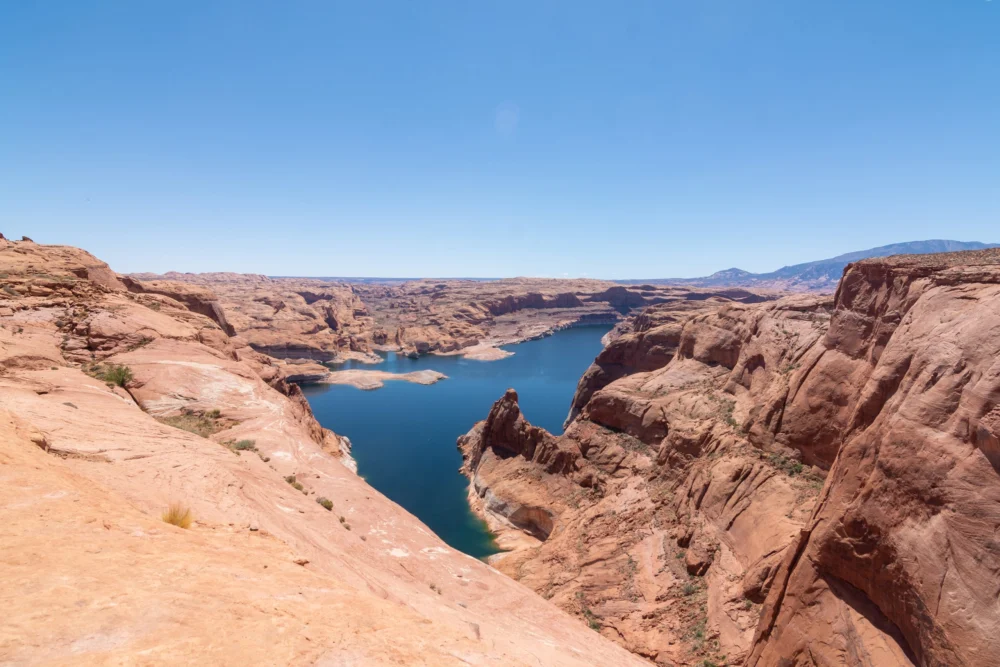
Thirty-one national monuments established since the Clinton administration stand as critical bulwarks safeguarding clean drinking water for over 13 million Americans, a crucial role underscored by a recent analysis, even as these protected areas face potential downsizing or elimination amidst renewed calls to open public lands for extractive industries. These designations, often celebrated for their cultural, historical, and ecological significance, quietly perform an essential function: preserving the integrity of watersheds that supply vital water resources to communities across the nation. The report highlights a stark reality: approximately 83% of the water flowing through these public lands benefits from no other explicit federal protection beyond their monument status, making their continued preservation paramount for water security.
The extensive reach of these monument protections is significant, encompassing more than 21,000 miles of waterways across the United States. This vast network of protected rivers, streams, and tributaries nearly doubles the mileage safeguarded by the National Wild and Scenic Rivers System, a program specifically designed to preserve rivers with outstanding natural, cultural, and recreational values in a free-flowing condition. The finding underscores that national monument designations, while broad in scope, offer an unparalleled, albeit often overlooked, layer of environmental protection crucial for hydrological health. This comprehensive protection extends beyond the immediate waterways, encompassing the surrounding landscapes and ecosystems that are intrinsically linked to water quality and quantity.
The strategic value of these national monuments has been brought into sharp focus by recurring political debates concerning their boundaries and very existence. Under the Trump administration, a series of actions and proposals signaled a significant shift toward prioritizing resource extraction over conservation. In March, reports emerged of an initial move to eliminate California’s Chuckwalla and Sáttítla Highlands national monuments, a decision later retracted from a White House fact sheet, yet indicative of the administration’s intent. The following month, a widely reported investigation revealed that the administration was actively considering the downsizing or complete elimination of six national monuments. This culminated in a pivotal June opinion from the U.S. Department of Justice, which controversially asserted that the president possessed the unilateral power to rescind national monument designations—a direct reversal of decades of established legal interpretation that had largely viewed such designations as permanent.
These developments echo past actions, notably during the previous Trump administration, when the vast Bears Ears and Grand Staircase-Escalante national monuments, established by the Obama and Clinton administrations respectively, were dramatically reduced in size. These unprecedented reductions, which stripped protections from millions of acres, sparked widespread outcry from conservationists, Indigenous communities, and local businesses. However, upon taking office, President Joe Biden swiftly moved to restore these monuments to their original boundaries, signaling a recommitment to conservation and reinforcing the often-contentious nature of these designations. The legal authority to modify or revoke national monuments, primarily derived from the 1906 Antiquities Act, remains a subject of intense political and judicial scrutiny. While the Act grants presidents broad power to designate "historic landmarks, historic and prehistoric structures, and other objects of historic or scientific interest" as national monuments, it does not explicitly provide for their revocation, leading to ongoing legal and constitutional debates.
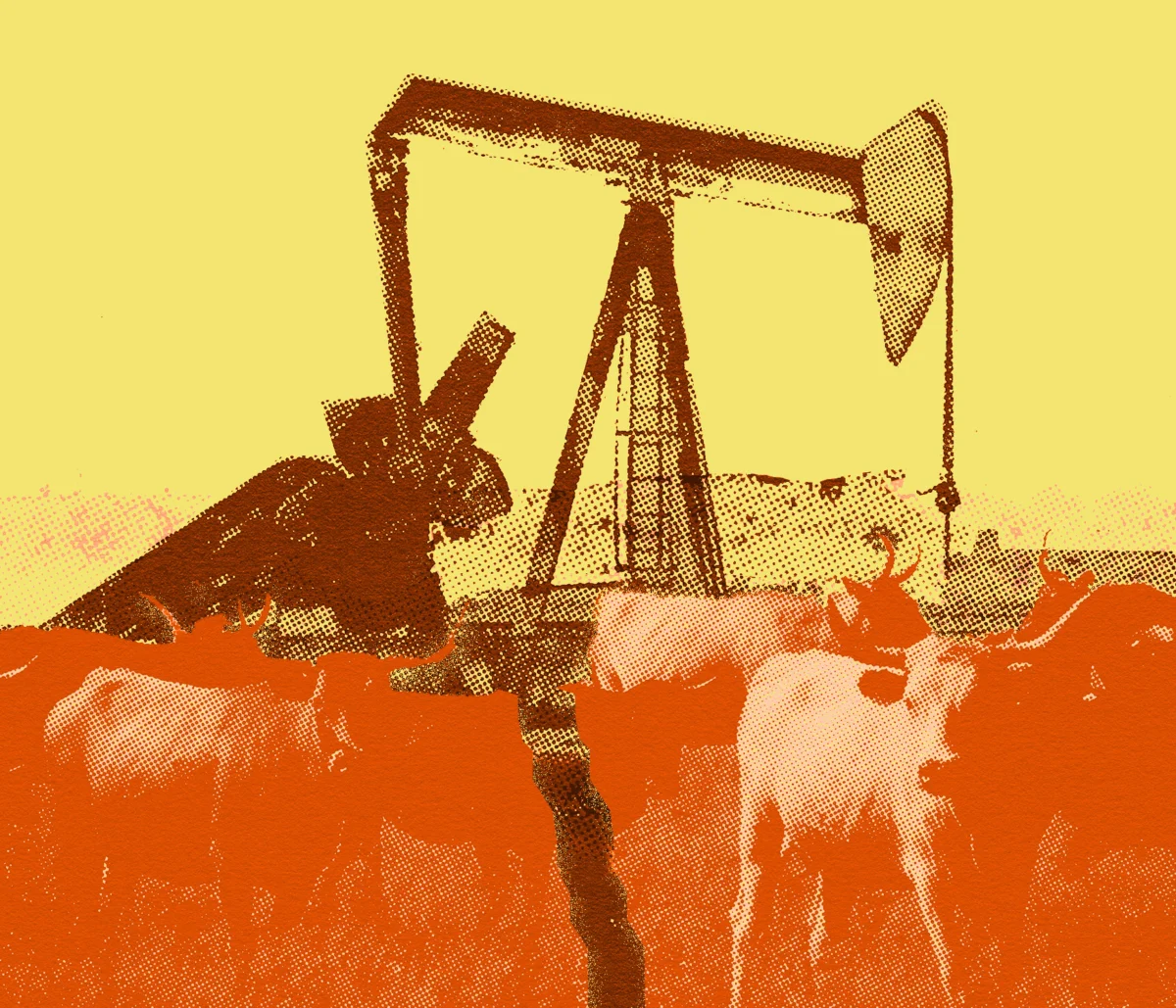
The potential ramifications of downsizing or eliminating national monuments extend far beyond mere boundary adjustments; they pose direct threats to water quality and availability. The removal of monument protections opens these areas to increased activity from extractive industries, including oil and gas drilling, mining, and expanded grazing. These activities carry significant risks of environmental degradation. Oil and gas operations can lead to spills, leaks, and the release of toxic chemicals used in hydraulic fracturing, contaminating surface water and groundwater. Mining, particularly for minerals like coal, uranium, and nickel, presents dangers such as acid mine drainage, which leaches heavy metals and sulfates into waterways, making them toxic to aquatic life and unsafe for human consumption. Increased grazing, if not carefully managed, can lead to soil erosion, sedimentation of rivers, and nutrient pollution from animal waste.
Furthermore, these industries often demand substantial water resources, especially in already arid regions, exacerbating existing water scarcity challenges. For instance, hydraulic fracturing requires millions of gallons of water per well, much of which is permanently removed from the local water cycle. While some limited mining and grazing are permitted within national monument lands under strict regulations, the removal of monument status would likely loosen these controls, allowing for more extensive and less regulated operations, thereby increasing the risk of contamination and water depletion. Drew McConville, a senior fellow for conservation policy at the Center for American Progress and a co-author of the report, succinctly summarized the interconnectedness: "Landscapes and waterways go hand in hand. The clean water depends on what comes into them from natural lands… Just protecting the wet stuff itself doesn’t guarantee that you’re keeping [water] clean and durable." This holistic perspective emphasizes that safeguarding the surrounding land is fundamental to ensuring the long-term health and purity of water sources.
The impact of these potential changes is disproportionately felt by historically marginalized communities. The analysis revealed that a higher percentage of these communities reside within the watersheds of the studied national monuments compared to the national average. These communities often have fewer resources to mitigate environmental harms or find alternative water sources, making them particularly vulnerable to pollution and water shortages. This highlights a critical environmental justice dimension to the debate over public lands and underscores the importance of monument protections in safeguarding the health and well-being of vulnerable populations.
Compounding these concerns, 23 of the national monuments examined are situated in regions already projected to experience significant water shortages in the coming decades due to the accelerating impacts of climate change. These arid and semi-arid landscapes, particularly in the American West, are increasingly prone to prolonged droughts, reduced snowpack, and altered precipitation patterns. In such contexts, national monuments act as crucial natural infrastructure, helping to regulate water flow, filter pollutants, and recharge aquifers, thereby enhancing regional resilience to climate change. Undermining these protections would further destabilize already fragile water systems, making downstream communities even more susceptible to severe water stress.
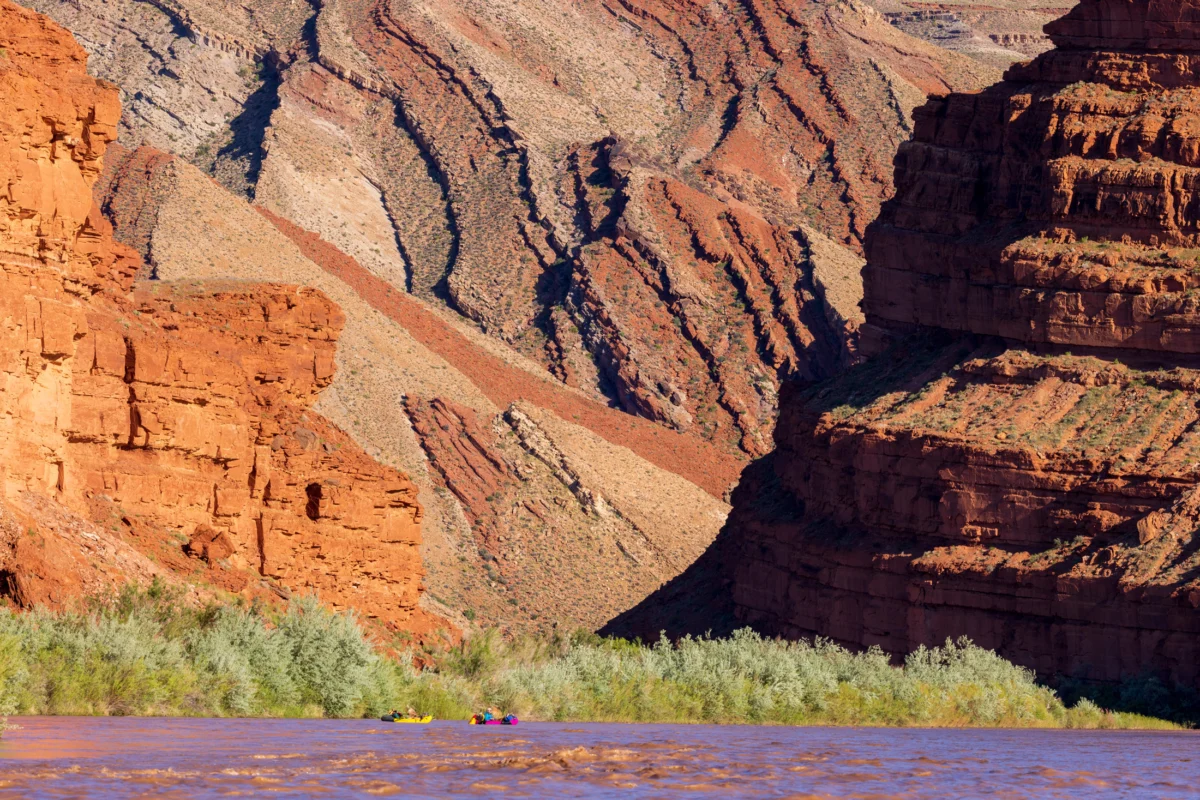
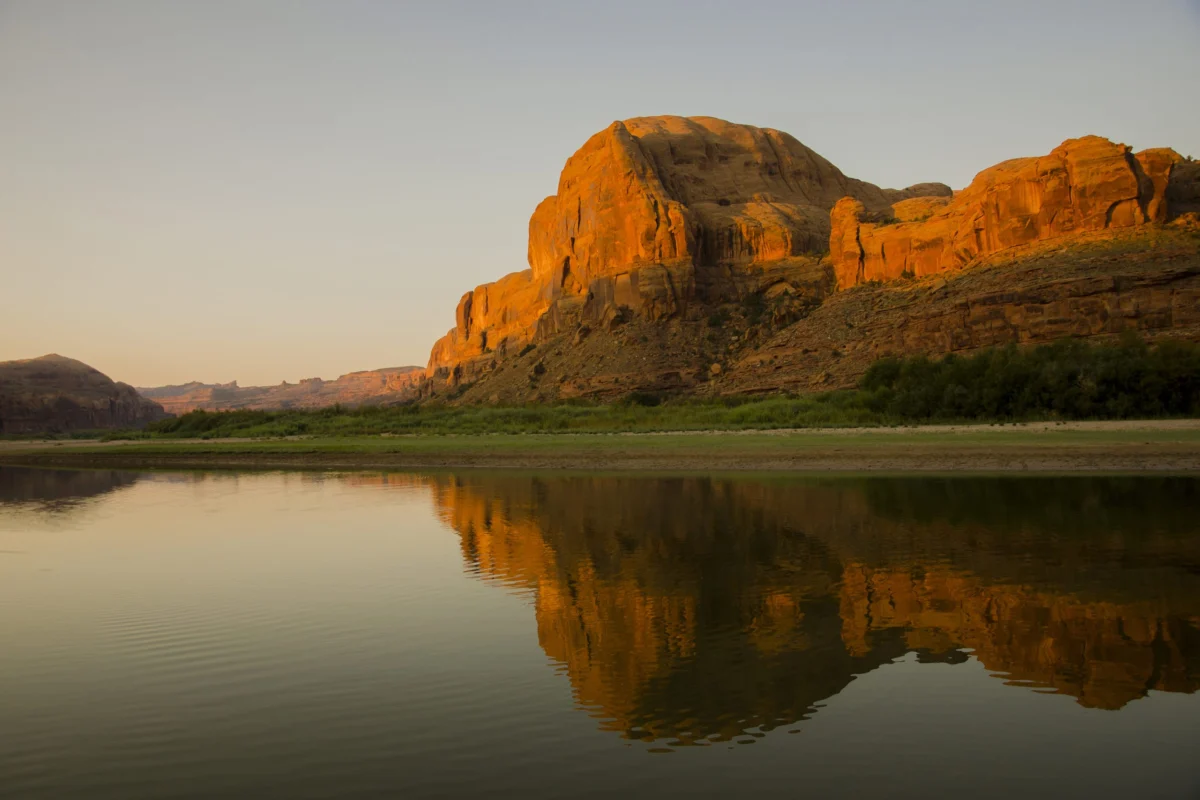
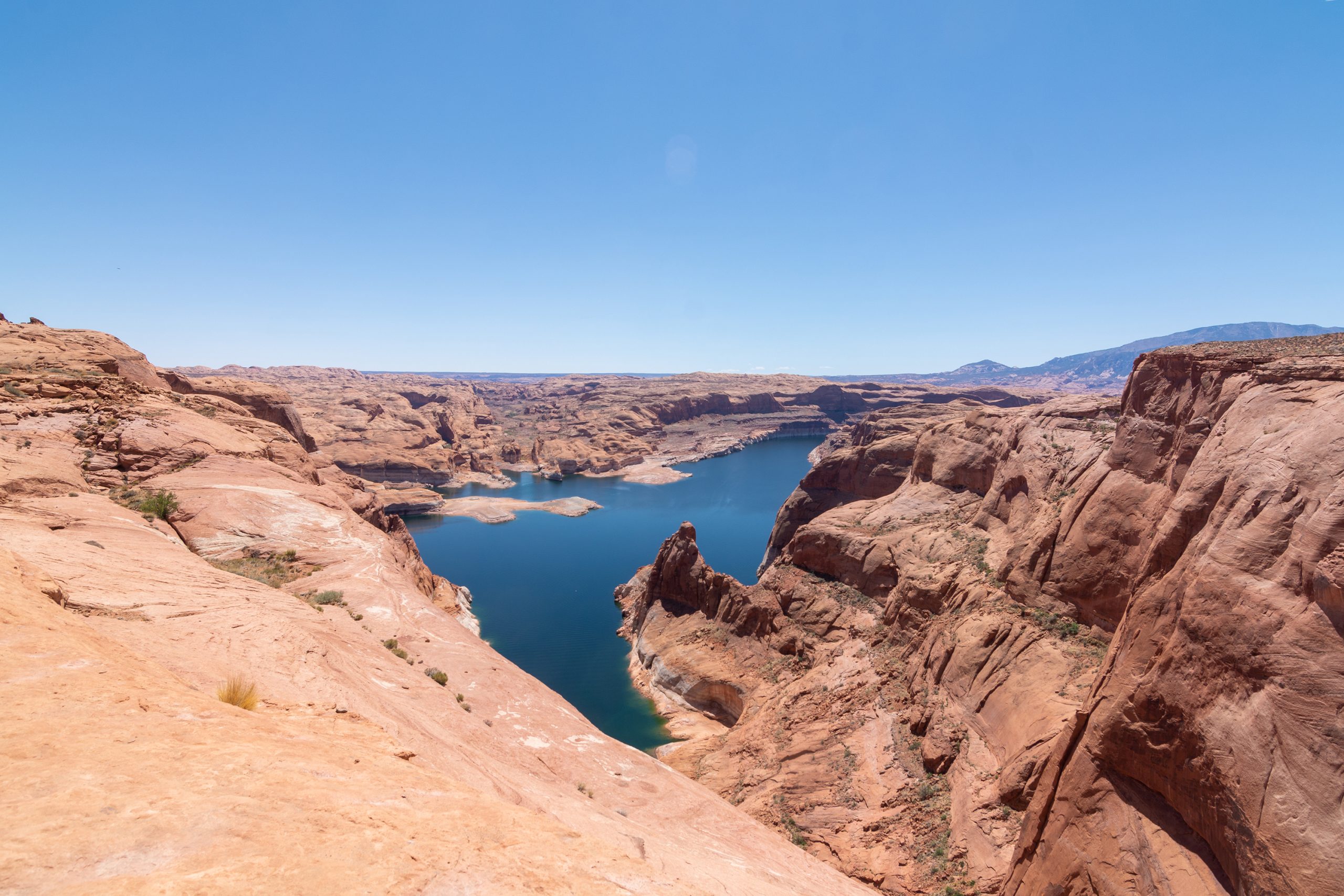
Grand Staircase-Escalante National Monument in southern Utah serves as a powerful illustration of these interwoven challenges. Spanning an expansive 1.87 million acres of breathtaking public land, this monument is renowned for its unparalleled geological formations, rich paleontological sites, and diverse wildlife. Yet, its critical role in water security is often overlooked. The analysis revealed that Grand Staircase-Escalante protects an astonishing 2,517 miles of waterways, with nearly 90% of the watersheds within its boundaries anticipated to experience declines in water levels due to climate change. The monument straddles the vital Upper and Lower Colorado River Basins, with the Paria and Escalante rivers flowing through its canyons, directly feeding into Lake Powell, the nation’s second-largest reservoir and a cornerstone of the Colorado River System. This system provides water to tens of millions of people across seven states and parts of Mexico, highlighting the monument’s far-reaching hydrological significance.

Jackie Grant, executive director of Grand Staircase Escalante Partners, a non-profit dedicated to the monument’s protection, emphasized this often-missed aspect: "People don’t think of water when they think of Grand Staircase-Escalante National Monument. So when we can bring this view of water and how important it is to the protection of the monument, it helps us put another building block in our case for supporting the monument, because not only is it important for the animals, the native plants, the geology and the paleontology, water plays a huge role in the monument, and the monument protects the water itself." The monument’s elevated plateaus, such as the Paunsaugunt Plateau within Bryce Canyon National Park, receive significant snowpack that melts and slowly flows downstream, a critical contribution to the Colorado River system. Disrupting this natural hydrological process through extractive activities could have catastrophic consequences.
The threat to Grand Staircase-Escalante is particularly acute due to its underlying mineral wealth. Buried beneath its pristine landscapes are an estimated nine-billion-ton coal deposit, alongside significant reserves of uranium and nickel. The pursuit of these resources, a key tenet of past pro-mining agendas, directly clashes with the monument’s conservation mandate. Grant warned of the severe risks: "It’d be very easy to contaminate either one of those rivers if mining were to take place in the center section of the monument." The long-term economic benefits of preserving these natural systems, including tourism, recreation, and ecosystem services like clean water, are often weighed against the short-term gains from resource extraction, creating a persistent tension in public land management.
Margaret Walls, a senior fellow at Resources for the Future who has extensively studied national monuments, noted that while these designations primarily aim to protect cultural or historical landmarks, their function as water safeguards is an invaluable, often secondary, benefit. She highlighted a fundamental principle: "We don’t protect waterways the way we do land; we’re going to get those water benefits by protecting the land." While acknowledging that even if monument protections are loosened, the areas remain federal lands and their change in status does not guarantee immediate development, the heightened risk to water resources is undeniable.
The ongoing debate over national monuments in the United States reflects a broader global challenge: how nations balance the imperative of resource extraction with the critical need for environmental protection and sustainable water management. As climate change intensifies and global water scarcity becomes a more pressing issue, the role of protected areas in maintaining ecological integrity and ensuring clean, reliable water supplies gains increasing prominence. The fate of these American national monuments, therefore, holds implications not just for the millions who depend on their waters but also for the global discourse on conservation and the future of our planet’s vital natural resources.