Rocky Gerung
Wildlife enthusiast Beth Pratt found herself face-to-face with a black bear one September day in 2018, not with fear, but with the familiarity of a seasoned observer. Her encounter along a creek in Yosemite National Park, marked by fresh scat, culminated in a serene moment where the bear simply acknowledged her presence before continuing on its path. This intimate connection with nature is the essence of Pratt’s new book, Yosemite Wildlife, a testament to her three decades of dedicated observation within the iconic park, a place she reveres as her "North Star." Through this work, readers are invited to explore the often-unseen creatures of Yosemite, from the furry and feathered to the scaled and chitinous, presented not as a dry scientific catalog, but as living narratives woven with deep appreciation and a pressing plea for their preservation.
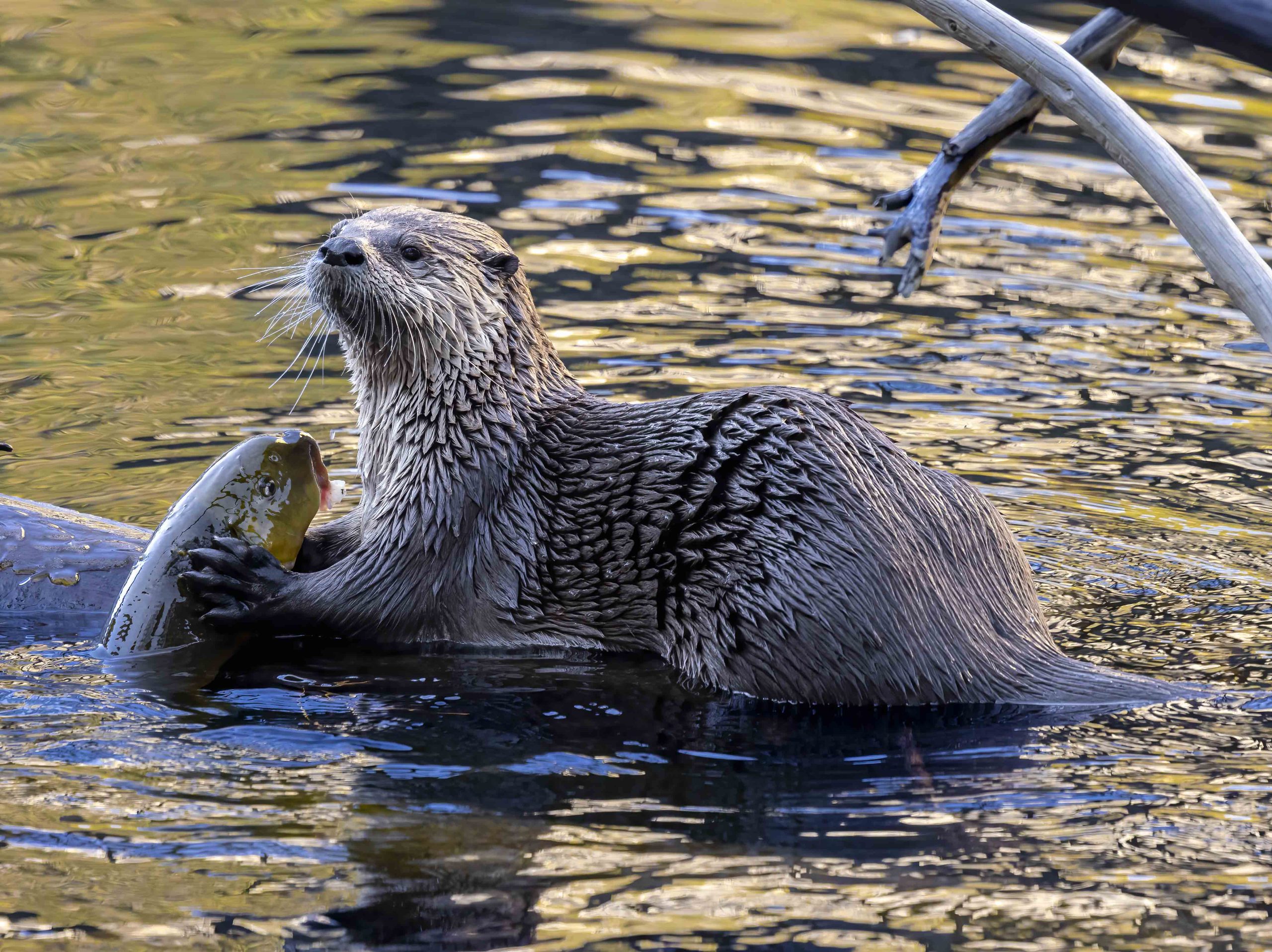
Yosemite Wildlife transcends the typical field guide or decorative coffee-table book. Pratt, who also serves as the California director for the National Wildlife Federation, employs a storytelling approach to craft vivid profiles of Yosemite’s diverse inhabitants. Collaborating with photographer Robb Hirsch, the book imbues each creature with a profound sense of reverence, highlighting their inherent beauty—the gentle, wide eyes of a bear, the coyote as a "songster" of the Sierras, or bat echolocation described as "the music of starshine." Yet, beneath this captivating portrayal lies a stark warning: these species face significant threats, and their survival hinges on our commitment to safeguarding their natural habitats. The book’s release in October coincided with a period of increased vulnerability for public lands, marked by policy changes that impacted agencies like the National Park Service, amplifying the urgency of Pratt’s message.
The genesis of Yosemite Wildlife traces back to Pratt’s move to California in 1992 and her inaugural visit to Yosemite. Amidst a picturesque snowfall, a sighting of a coyote in the wild ignited a profound fascination that would shape her career. Her subsequent research led her to discover Joseph Grinnell and Tracy Storer’s seminal 1924 book, Animal Life in Yosemite. However, she was struck by the absence of comprehensive, updated works on the park’s wildlife in the intervening century, a gap she felt compelled to fill.

Pratt observes significant shifts in Yosemite’s wildlife populations since Grinnell’s early surveys. Notably, species like the pika, once found as low as 7,000 feet, are now predominantly located at higher elevations between 9,000 and 10,000 feet, a clear indication of climate change’s impact. The book also highlights the increasing presence of opportunistic species like ravens, which have become more prevalent due to human-provided food sources like trash. This has, in turn, led to increased predation on more vulnerable species, such as the Yosemite toad, whose populations are already strained by climate change and habitat loss. Pratt emphasizes that documenting these changes is crucial for informing future conservation efforts and understanding how to better protect Yosemite’s delicate ecosystem.
The selection of animals for Yosemite Wildlife was guided by the question of what is uniquely characteristic of Yosemite. While focusing on endemic species, Pratt also included common animals to explore their specific stories within the park’s context. Black bears, for instance, serve as a powerful narrative of how human behavior and park management have evolved. Pratt advocates for a shift in perspective, moving away from blaming wildlife for issues like getting into trash and instead focusing on human responsibility to protect animals in their natural environment. She stresses that bears are acting on their natural instincts and that providing easy opportunities, such as leaving food accessible in vehicles, inevitably leads to conflict.

Pratt’s research for the book was a multi-faceted endeavor, involving extensive archival work, poring over decades of nature notes, field journals, and observation cards. Her dedication extended to numerous field days, where she spent hours observing wildlife, meticulously taking notes. This commitment, spanning 30 years, allowed her to develop a deep, personal connection with Yosemite’s inhabitants, which she aims to share with readers. Her role as a volunteer researcher for the National Park Service has provided invaluable insights, enabling her to participate in bear patrols and join researchers on birding and turtle surveys. Over the past decade, her observations have expanded to include climatic conditions, such as snowpack and temperature, to better understand their influence on wildlife behavior, particularly for high-elevation species.
For many visitors, the wildlife of Yosemite remains elusive, often overshadowed by the park’s more frequented areas. Pratt acknowledges that wildlife sightings are not guaranteed, likening them to a "Disneyland ride" where encounters are staged. She uses this observation to underscore the profound impact of human presence, even in highly protected areas like national parks. Her hope is that the book will inspire visitors to tread more lightly and behave more thoughtfully, recognizing Yosemite as a precious sanctuary.

Even for those who may never encounter a Mount Lyell salamander, Pratt believes the book fosters a connection and a sense of responsibility. Knowing that such a sensitive creature inhabits the park can influence a hiker’s behavior, encouraging greater care and consideration. Pratt likens understanding wildlife behavior to "reading the wildlife weather," where observing patterns, such as a pika’s predictable route to gather food, can lead to rewarding sightings. This deeper understanding cultivates a more profound appreciation for the natural world and the interconnectedness of all living things.
The publication of Yosemite Wildlife arrives at a critical juncture, amidst policy shifts that have diminished public land protections and conservation efforts. Pratt expresses profound concern about the current trajectory, describing the "assault on our public lands" as unprecedented. She views her book as a vital "call to action," hoping it will illuminate the intrinsic value of places like Yosemite and galvanize support for their preservation. Her ultimate fear is that without concerted action, the book will serve as a historical record of what has been irrevocably lost.

Yosemite Wildlife by Beth Pratt, featuring photography by Robb Hirsch, is a significant contribution to understanding and appreciating the natural heritage of Yosemite National Park. It serves as a poignant reminder of the beauty, fragility, and interconnectedness of the wild world, urging readers to become active stewards of these invaluable landscapes.