Joko Susilo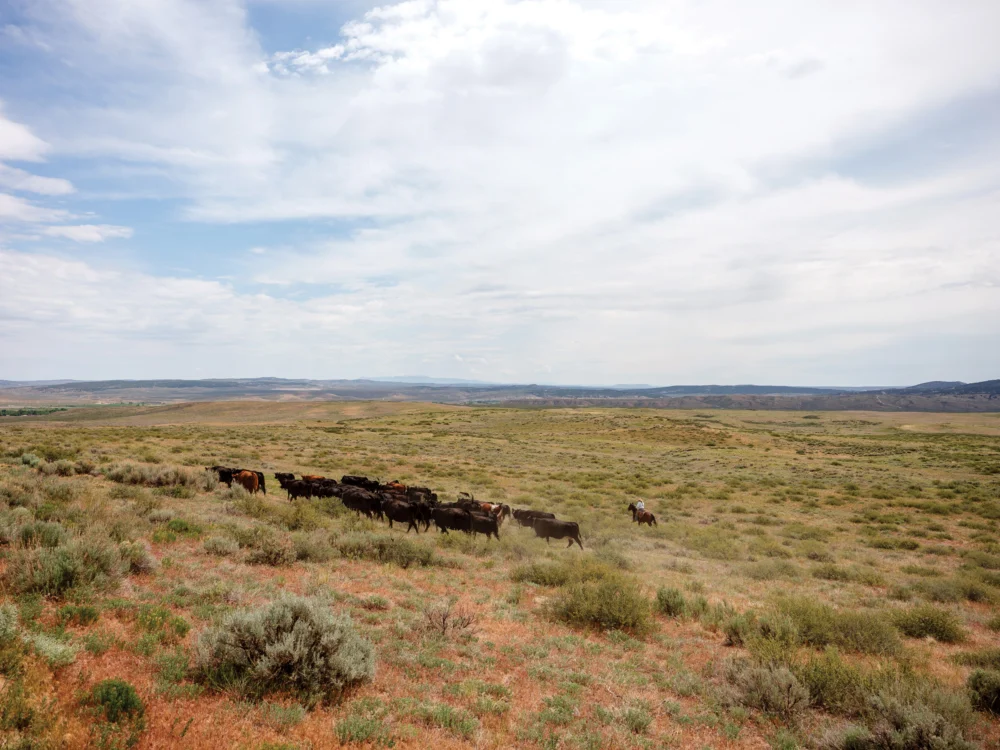
A quiet revolution has transformed the management of America’s vast public lands, once intended to prevent ecological disaster and support struggling ranchers, into a massive federal subsidy program disproportionately benefiting the ultra-wealthy and powerful corporate interests. At the heart of this complex issue stands figures like Stan Kroenke, a billionaire magnate whose estimated $20 billion fortune, derived from a diverse portfolio spanning sports franchises like the Denver Nuggets and England’s Arsenal soccer club, to extensive real estate holdings, makes him one of the nation’s largest private landowners. Despite his immense wealth, Kroenke, whose wife is an heiress to the Walmart fortune, benefits significantly from one of the federal government’s most enduring and, increasingly, controversial bedrock subsidy programs: public lands grazing.
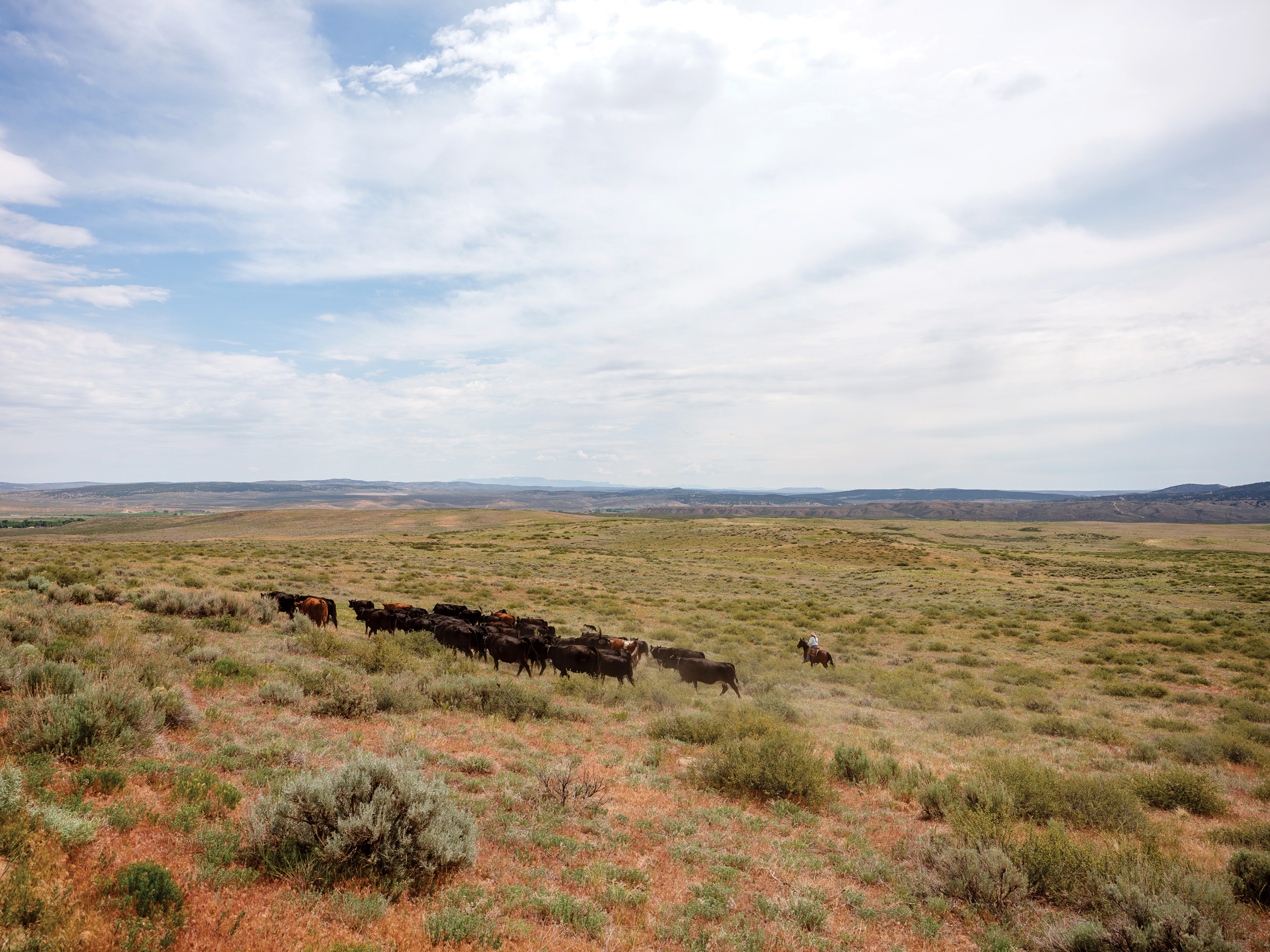
As the owner of Nevada’s sprawling Winecup Gamble Ranch, which encompasses hundreds of thousands of acres of grasslands, streams, and mountain ranges east of Elko, Kroenke’s cattle graze extensively on federal lands at a fraction of market rates. This arrangement allows him to pay less than 15% of the fees he would incur for grazing on comparable private acreage. The public-lands grazing program, originally formalized in the 1930s amidst the catastrophic Dust Bowl to curtail rampant overgrazing and stabilize the Western range, has expanded far beyond its founding intent. Today, its beneficiaries include not only hobby ranchers of considerable means but also vast mining operations, utility companies, and large agricultural conglomerates, receiving benefits unimaginable by the legislation’s original authors.
The current administration under President Donald Trump has signaled plans to make this program even more accommodating to livestock interests. This involves actively pushing to open greater portions of the 240 million acres of Bureau of Land Management (BLM) and Forest Service grazing land to cattle, while simultaneously reducing environmental oversight. Proponents within the administration argue that this approach aligns with a broader objective of leveraging public lands to stimulate economic growth and reduce the national debt. Secretary of the Interior Doug Burgum articulated this philosophy at his January confirmation hearing, stating, "That’s the balance sheet of America, and, if we were a company, they would look at us and say, ‘Wow, you are really restricting your balance sheet.’" This perspective frames public lands primarily as an economic asset to be exploited, rather than a shared natural resource requiring careful stewardship and conservation.

An in-depth investigation has revealed the extent to which the public grazing system has evolved into a substantial subsidy mechanism. While Congress initially raised public land grazing fees in the late 1970s to reflect prevailing open market prices, these fees have remained largely stagnant for decades. The federal government continues to charge ranchers a mere $1.35 per animal unit month (AUM), which represents the typical amount of forage a cow and her calf consume in a month. This fee constitutes an average discount of 93% compared to the cost of grazing on private lands, effectively transferring significant costs from private enterprises to American taxpayers.
Beyond this steep discount on forage, federal support for public-lands ranchers is extensive. In 2024 alone, federal government analysis indicates at least $2.5 billion was poured into various subsidy programs accessible to these ranchers. These benefits encompass a wide array of assistance, including crucial disaster aid following droughts and floods, subsidized crop insurance programs that mitigate risk, funding for essential infrastructure such as fences and watering holes, and compensation for livestock lost to predators. The sheer scale of these financial injections highlights a federal commitment that far exceeds simple land leases, cementing public lands grazing as a heavily underwritten industry.

A striking aspect of this system is the concentration of these benefits among a select few. Data analysis reveals that approximately two-thirds of all livestock grazing on BLM acreage is controlled by just 10% of permit holders. Similarly, on Forest Service land, the top 10% of permittees manage over 50% of the grazing. This pattern of concentrated control is not a recent phenomenon; a comparable study in 1999 by the San Jose Mercury News found a similar distribution of grazing permits within BLM jurisdiction, indicating a long-standing status quo. This entrenched imbalance means that the vast majority of federal assistance flows to a small segment of the ranching community, often to large-scale operators and wealthy individuals.
This phenomenon is evident in the operations of figures like Stan Kroenke, whose Winecup Gamble Ranch, advertised as covering nearly 1 million acres, relies on more than half a million acres of federal public land capable of supporting roughly 9,000 head of cattle. Last year, Kroenke reportedly paid the government approximately $50,000 in grazing fees for his BLM land usage—an 87% discount on the prevailing market rate. Such economic advantages are not new to the ranch. Prior to Kroenke’s ownership, the ranch belonged to Paul Fireman, the former CEO of Reebok, who leveraged losses from ranch-affiliated companies for a substantial $22 million tax write-off between 2003 and 2018, according to internal IRS data. Even earlier, Hollywood icon Jimmy Stewart of "It’s a Wonderful Life" fame counted among its owners, showcasing the ranch’s appeal to prominent, often wealthy, figures seeking the Western lifestyle and its associated financial perks.

The environmental ramifications of this subsidized grazing system are becoming increasingly apparent. The BLM has identified the very land where Kroenke’s cattle graze as degraded by overgrazing, highlighting a systemic issue across public lands. Despite these findings, agency oversight of livestock’s environmental impact has declined precipitously in recent years. Legislative changes have enabled an increasing number of grazing permits to be automatically renewed, often without comprehensive environmental reviews or even when the land has been officially designated as being in poor ecological condition. The federal workforce responsible for managing these vast tracts has also shrunk significantly; the number of BLM rangeland managers, for instance, fell by 39% between 2019 and 2024, with another 9% reduction by June 2025 following a mass exodus during the Trump administration. This understaffing means that each rangeland manager is now responsible for an average of 716 square miles, rendering comprehensive annual inspections virtually impossible and exacerbating the risk of unmonitored environmental damage.
The Trump administration’s efforts to further bolster the livestock industry are being developed largely behind closed doors. In May, the BLM submitted a draft of proposed revisions to federal grazing regulations—the first significant updates since the 1990s—to the U.S. Department of the Interior. This was followed in October by the release of a 13-page "Plan to Fortify the American Beef Industry." This plan not only directs the BLM and Forest Service to amend grazing regulations, including those governing permit acquisition and environmental damage assessment, but also calls for expanding existing subsidies for ranchers facing drought and wildfire, compensating for animals lost to predators, and increasing government-backed insurance. While the White House referred questions to the U.S. Department of Agriculture (USDA), a USDA statement emphasized that "Livestock grazing is not only a federally and statutorily recognized appropriate land use, but a proven land management tool, one that reduces invasive species and wildfire risk, enhances ecosystem health, and supports rural stewardship." A BLM spokesperson echoed this sentiment, asserting the agency’s mandate to sustain a healthy and economically viable grazing program that benefits rural communities, supports ranching heritage, and promotes responsible stewardship.

Ranchers and their advocates often argue that these subsidies benefit taxpayers by preventing private land from being sold and developed, thereby preserving open spaces crucial for wildlife. Bill Fales, whose family has run a ranch in western Colorado for over a century, maintains that local wildlife, including elk, bears, and mountain lions, depend on these ranches remaining as open land, especially as development encroaches elsewhere. Beyond environmental arguments, proponents highlight the livestock industry’s contribution of meat, leather, and wool, and its role in preserving a unique American way of life and supporting rural economies. However, critics point out that public lands grazing sustains just 2% of the nation’s beef cattle, representing a vanishingly small proportion of the country’s overall agriculture industry, questioning the true national benefit of such extensive subsidies.
The historical roots of Western grazing practices trace back to the mid-1800s, when settlers, propelled by the doctrine of "manifest destiny" and federal incentives, expanded westward, often seizing Indigenous lands. This era saw vast tracts of the public domain subjected to unchecked grazing. The severe ecological consequences of this period, particularly the rampant overgrazing that denuded grasslands and contributed significantly to the devastating Dust Bowl of the 1930s, prompted legislative action. Representative Edward Taylor, a Colorado Democrat, observed the widespread "waste, competition, overuse, and abuse of valuable range lands and watersheds" that threatened the Western economy. In response, President Franklin D. Roosevelt signed the Taylor Grazing Act in 1934, establishing a permit system to lease parcels of the public domain, known as allotments, typically for a decade at a time, aiming to bring order and sustainability to range management. Later, the Federal Land Policy and Management Act of 1976 (FLPMA) modernized public land laws, requiring federal agencies to balance competing uses, including grazing, mining, timber, and recreation. A subsequent law in 1978 sought to align grazing fees with open market values, a goal that has clearly eroded over time.

The issue of concentrated benefits extends beyond individual billionaires to large corporate entities. The J.R. Simplot Co., for instance, stands as the largest rancher on BLM land. This multinational agricultural conglomerate, which famously made its fortune supplying potatoes to McDonald’s, benefits substantially from subsidized forage. An analysis of BLM and Forest Service data indicates that J.R. Simplot paid approximately $2.4 million below market rate to graze nearly 150,000 AUMs on federal lands last year. Across the industry, the $21 million collected from ranchers by the BLM and Forest Service in the last year was an estimated $284 million below the market rate for forage, highlighting a significant financial loss for taxpayers.
While some ranchers, like Colorado’s Bill Fales, argue that public land leases are inherently less productive and require ranchers to invest in infrastructure maintenance that private leases typically cover, these arguments often fail to fully account for the scale of the subsidies and the disproportionate benefits. The true cost to taxpayers, encompassing both direct subsidies and the unquantified environmental impact, remains largely obscured.

The benefits of running cattle on public lands extend beyond the profits from beef sales, especially for the country’s largest ranchers and diverse corporate players. Rupert Murdoch, the billionaire founder of Fox News, exemplifies this trend. In 2021, Murdoch acquired the Beaverhead Ranch in Montana for $200 million from a subsidiary of Koch Industries, a conglomerate controlled by conservative billionaire Charles Koch. This massive property, touted by real estate agents as encompassing 340,000 acres, includes two-thirds that are public lands leased from the Forest Service and BLM. Last year, Beaverhead paid less than $25,000 in grazing fees, a staggering 95% below market rate. At least one of Beaverhead’s BLM allotments in the picturesque Centennial Valley has already failed environmental standards due to grazing, underscoring the ecological cost of these arrangements.
Similarly, the Southern Nevada Water Authority, which supplies the Las Vegas Valley, has strategically purchased land hundreds of miles from the city primarily to secure groundwater rights. These properties often come with associated public-lands grazing permits, which the utility has inherited and continues to operate as part of its "maintenance and management of property assets, ranch assets, and environmental resources." Mining companies also feature prominently among the largest public-lands ranchers. Copper giants like Freeport-McMoRan, Hudbay Minerals, and Rio Tinto operate extensive cattle ranches in Arizona, primarily because grazing permits afford them greater control over critical areas near their mining operations. Nevada Gold Mines, a joint venture between the world’s two largest gold-mining companies, stands as a behemoth in this category, holding millions of acres of grazing permits surrounding its northern Nevada operations, including the largest gold-mining complex globally. Chris Jasmine, the company’s manager of biodiversity and rangelands, candidly explained their motivation: "We own them for access. Access to mineral rights, water rights and mitigation credits." These permits facilitate environmental restoration projects, generating credits that the company can either sell or use to offset the environmental impacts of their mining activities, enabling further expansion. Jeff Burgess, who tracks grazing subsidies through his Arizona Grazing Clearinghouse website, criticizes this massive government assistance, calling it a "tyranny of the minority" that offers little benefit to taxpayers.

The livestock empire assembled by BTAZ Nevada further illustrates the consolidation, subsidy dependence, and environmental degradation inherent in the current system. BTAZ, based in Fremont, Nebraska, belongs to the Barta family, owners of Sav-Rx, an online prescription medication provider. This operation has amassed permits across roughly 4,000 square miles of public lands in Nevada, Oregon, and Nebraska, becoming one of the largest beneficiaries of the public-land grazing system. Last year, BTAZ paid the government $86,000 for grazing, a discount of $679,000 below the market rate. The environmental consequences are stark: in central Nevada’s Reese River Valley, areas of BTAZ’s BLM and Forest Service grazing allotments show widespread cow feces, trampled ground, discarded plastic piping, and even cow bones in unfenced creeks. Allotments in this area have been repeatedly flagged by the BLM as failing land-health standards due to grazing. These degraded ecosystems once provided critical habitat for the native Lahontan cutthroat trout, a threatened species now occupying only 12% of its historical range due to such impacts. Paul Ruprecht, Nevada director of the Western Watersheds Project, decries this damage as "completely unnecessary," arguing it provides little local economic benefit or significant food production, is heavily subsidized, and detracts from scenery and wildlife.
While smaller ranchers also access many of these subsidies, the financial aid is often insufficient to shield them from severe economic pressures. Approximately 18,000 permittees graze livestock on BLM or Forest Service land, yet the bottom half accounts for less than 4% of AUMs on BLM land and under 10% on Forest Service land. These smaller operations struggle with the absence of economies of scale enjoyed by larger corporations, making it difficult to navigate agriculture’s notoriously thin profit margins. They are also more susceptible to shifting environmental conditions, such as the persistent megadroughts exacerbated by climate change that strain water supplies, and competition for forage from over 70,000 wild horses and burros. Further compounding their challenges is the consolidation within the meatpacking industry, where the four largest operations now control over 80% of the market, granting them significant leverage to suppress prices paid to ranchers.

Both ranchers and critics largely agree that without federal subsidies, many smaller operators would inevitably cease operations. Jeff Burgess contends that the government "refuse[s] to face the reality that a lot of people aren’t going to be able to raise cattle profitably, so they’re just throwing money at it," labeling the system "a vestige of the past." The potential loss of small ranchers could trigger ripple effects across rural communities, leading to business closures and forcing these families to sell their private land, potentially to developers or to already wealthy landholders like Kroenke or BTAZ, further consolidating land ownership.
Mike and Danna Camblin, who run a modest cattle operation near Colorado’s Yampa River, exemplify the plight of small ranchers. Years of relentless drought have forced them to downsize their herd, and despite record beef prices, they acknowledge they could not turn a profit without subsidized drought insurance and the ability to graze cheaply on federal land. The Camblins prioritize environmental stewardship, employing costly virtual fencing technology to rotate their several hundred head of cattle among pastures, allowing the land to recover. Their collars shock cattle if they stray, offering a flexible, wildlife-friendly alternative to physical fences. Mike Camblin, while appreciating the generational access to BLM leases, expresses mixed feelings about government assistance, stating it "tethers us to those subsidies" and criticizing the historical subsidization of large ranches since the Dust Bowl. He advocates for income-based metrics to limit richer producers’ access to certain agricultural subsidies, arguing that some large operators exploit the system without needing the assistance.

Silvia Secchi, an economist at the University of Iowa specializing in agriculture, proposes a reimagining of federal grazing subsidies to ensure they genuinely benefit the American public rather than primarily enriching the wealthiest ranchers. Her suggestions include subsidizing co-operatives to help smaller ranchers achieve economies of scale, imposing caps on the size of ranching operations eligible for below-market forage rates, and discontinuing disaster payments for climate change-induced droughts that have become a permanent reality. "We have baseline subsidies that are going up and up and up because we are not telling farmers to change the way you do things to adapt," Secchi states. While a complete cessation of public support would undoubtedly have significant repercussions for rural communities and landscapes, potentially jeopardizing operations like the Camblins’, the prevailing consensus among both critics and some ranchers is that the current system is unsustainable and ripe for reform.