

 Rocky Gerung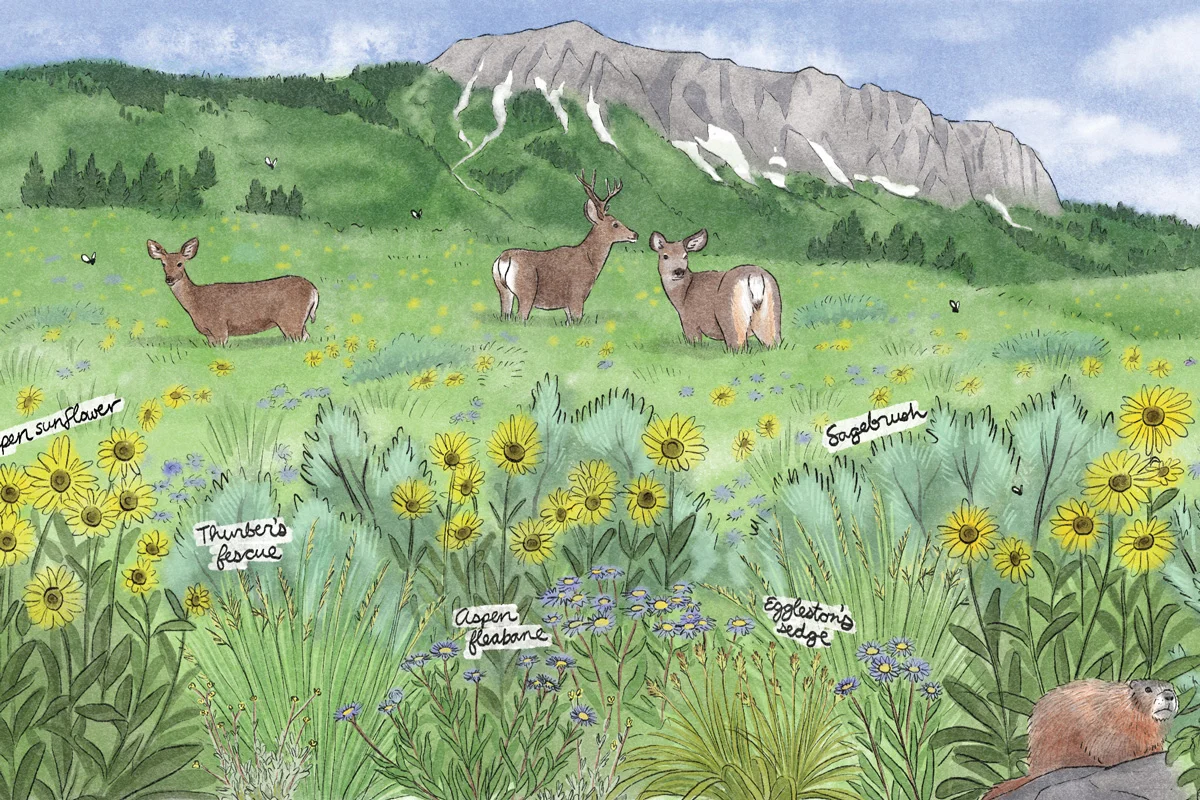
However, the very nature of this botanical discourse is undergoing a profound transformation in our rapidly warming world, raising significant concerns for the future of biodiversity. For nearly three decades, researchers led by John Harte, a distinguished ecologist at the University of California, Berkeley, have been meticulously studying the long-term impacts of climate change. Their groundbreaking experiment, situated in a subalpine meadow near Gothic, Colorado, represents one of the most extensive and enduring investigations into the effects of artificial warming on a natural ecosystem.
Utilizing precisely controlled heat lamps, scientists systematically increased the soil temperature in designated experimental plots by approximately 3.6 degrees Fahrenheit (2 degrees Celsius). This controlled warming, while seemingly modest, serves as a vital indicator of future environmental shifts. Current climate models project that the average global temperature could rise by this amount or more by the end of the century, and in regions like Colorado, state-specific projections indicate even more substantial warming, potentially exceeding 6 degrees Fahrenheit. The long-term observations from Harte’s experiment have revealed a cascade of interconnected changes, impacting both the visible surface of the meadow and the hidden life within the soil. These altered temperature regimes have demonstrably influenced which plant species thrive and which decline, triggering ripple effects that extend throughout the entire ecosystem, affecting soil composition, the behavior of local wildlife, and even the propensity for and intensity of wildfires.
Further illuminating the subterranean shifts, a separate study by Lara Souza, a plant ecologist at the University of Oklahoma, and her colleagues, delved into the consequences of meadow ecosystems transitioning from predominantly grasses and forbs to encroaching sagebrush. Their findings, published earlier this year in the prestigious peer-reviewed journal Proceedings of the National Academy of Sciences, suggest a fundamental alteration in the dialogue between plants and the fungal communities that support them. Souza describes this new dynamic as a "decoupling," a departure from the previously beneficial symbiotic relationships. As the crucial mycorrhizal fungi, integral to nutrient exchange, are increasingly supplanted by saprotrophic fungi – organisms that specialize in decomposing dead organic matter – the established two-way street of nutrient flow between plants and the soil becomes a more one-sided affair. This fundamental shift has profound implications for the survival and vitality of the remaining flowering plants, impacting their ability to access essential resources and therefore their capacity to flourish.
The implications of these observed shifts extend far beyond the immediate study sites. The decline of mycorrhizal fungi and the rise of saprotrophic fungi signal a potential loss of vital ecosystem services. Mycorrhizal fungi are not only crucial for plant nutrient uptake but also play a significant role in soil structure and water retention. Their decline can lead to increased soil erosion and reduced water availability, further exacerbating the stresses on plant communities in a warming climate. Furthermore, the alteration of plant communities, driven by these subterranean changes, can impact the food sources and habitat available for a wide array of wildlife, from insects and small mammals to larger herbivores.

The research from both Harte’s long-term warming experiment and Souza’s investigation into meadow transitions highlights a critical juncture in our understanding of ecological resilience. The delicate balance of natural systems, finely tuned over millennia, is proving susceptible to the rapid pace of anthropogenic climate change. The observed "decoupling" in plant-fungal relationships is not an isolated phenomenon but likely reflects a broader pattern of ecosystem disruption occurring globally. As temperatures rise and precipitation patterns shift, many ecosystems are facing unprecedented challenges, forcing them to adapt or face decline.
The consequences of these ecological shifts are multifaceted. Beyond the loss of biodiversity and the disruption of food webs, changes in plant communities can also influence carbon cycling and storage. Healthy, diverse plant ecosystems, supported by robust mycorrhizal networks, are more effective at sequestering carbon from the atmosphere. A shift towards less diverse or degraded ecosystems could therefore reduce the Earth’s capacity to absorb greenhouse gases, potentially accelerating the very climate change that is driving these alterations.
Moreover, the increased prevalence of drier conditions and altered vegetation in some areas, as suggested by the shift towards sagebrush in Souza’s study, can also increase the risk and severity of wildfires. These fires, in turn, can further degrade soil health and release stored carbon back into the atmosphere, creating a feedback loop that amplifies climate change impacts.
Addressing these complex challenges requires a multi-pronged approach. Continued scientific research, like the long-term experiments and focused studies discussed, is essential for understanding the intricate mechanisms of ecological change. This knowledge must then inform conservation strategies and land management practices. Protecting and restoring natural habitats, promoting biodiversity, and supporting the health of soil ecosystems are critical steps in building resilience.
The findings underscore the interconnectedness of all living organisms and the vital importance of the often-unseen processes that sustain life on Earth. The subtle whispers and vibrant shouts of the natural world are not merely poetic metaphors but represent complex biological and chemical exchanges that are fundamental to ecosystem function. As these dialogues shift under the pressure of a changing climate, understanding and safeguarding these intricate connections becomes paramount for ensuring a healthy and sustainable planet for all. The scientific community’s ongoing efforts to decipher these ecological conversations offer crucial insights, guiding us toward more effective stewardship of the natural world in an era of unprecedented environmental change.








