Rocky Gerung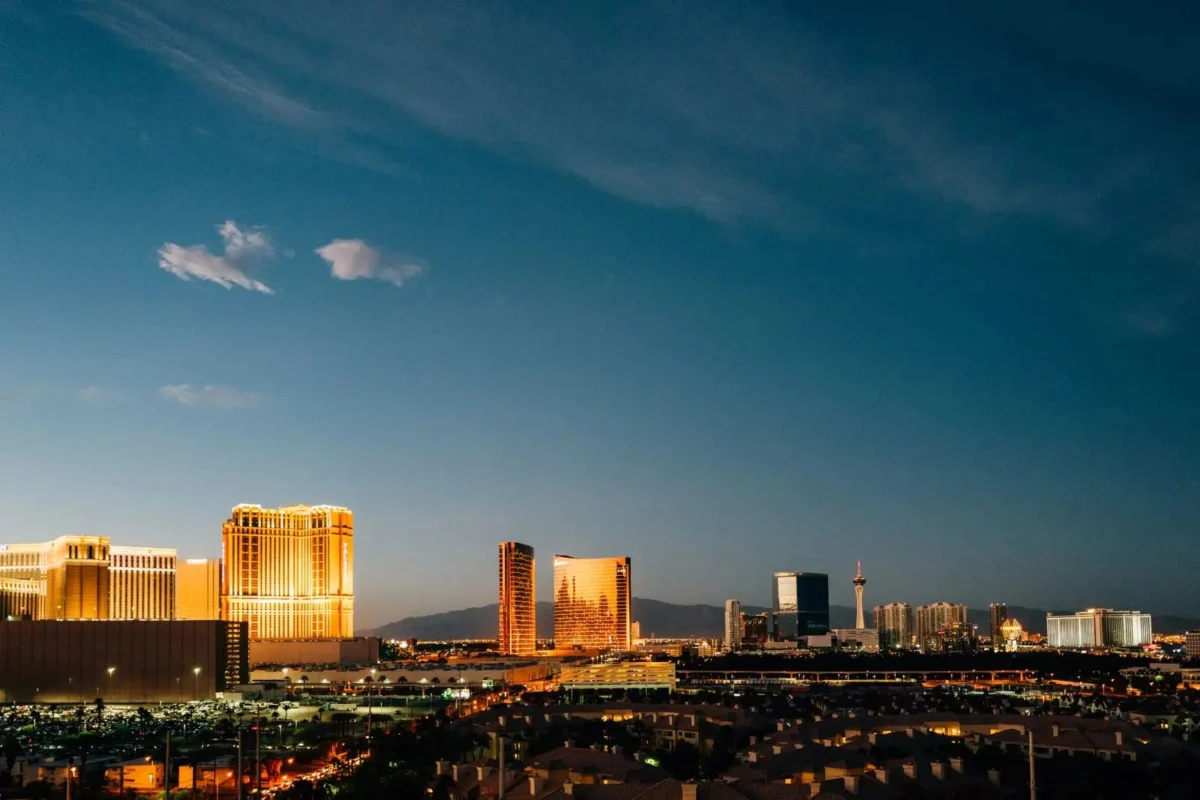
For years, Nevada has cultivated an image as a proponent of compromise and conservation within the often contentious debates surrounding the Colorado River. The Las Vegas metropolitan area, the state’s most populous region and economic engine, has become a widely recognized exemplar of urban water-saving strategies. As the river system has faced mounting pressure from overuse and a prolonged drought amplified by climate change, southern Nevada’s water authorities have invested heavily in sophisticated water recycling infrastructure and implemented stringent regulations on non-essential water features like decorative fountains and new turf installations, successfully reducing per capita water consumption by an impressive 58% over approximately two decades. Concurrently, in interstate dialogues concerning the river’s governance, Nevada’s representatives have frequently adopted a mediating stance, often positioning themselves as a "middle basin" state, a bridge between the entrenched interests of the Upper and Lower Basin states.
The recent unveiling of the federal government’s new management framework for the Colorado River, announced earlier this month, led many observers to anticipate that Arizona, facing the most immediate and substantial water use reductions, would be the first to initiate legal action against the plan’s implications for its water security. Therefore, it came as a notable surprise to many experts in Colorado River affairs when Nevada emerged as the first state to file a lawsuit against the federal government concerning the newly implemented plan.
"I anticipated that there would be litigation, but it was surprising to me that Nevada fired the first shot," commented Anne Castle, a former chair of the Upper Colorado River Commission, underscoring the unexpected nature of Nevada’s preemptive legal move.
Nevada’s lawsuit follows more than two years of intensive negotiations among the seven Colorado River basin states and federal authorities aimed at curtailing water usage on the increasingly strained river. The states were ultimately unable to forge a long-term agreement before the expiration of the river’s current management protocols in October, compelling the Department of the Interior to unilaterally establish its own plan. This federal plan primarily mandates reductions in water consumption among the Lower Basin states—Arizona, Nevada, and California—to bolster water levels in the river’s principal reservoirs. These reservoirs have been depleting at such an alarming rate that the dwindling water depth posed a tangible threat to hydropower generation and dam operations within a matter of months without decisive intervention.
Nevada contends that the federal government’s imposed plan unfairly assigns it an disproportionate share of these mandated cuts. In a worst-case scenario, the state argues, the plan could necessitate a staggering 71% reduction in the Las Vegas area’s water allocation, a prospect it deems an unacceptable existential threat to its largest population center and primary economic hub. Nevada asserts that this outcome stems from a misinterpretation of existing water law and further claims that federal officials failed to adequately consider a range of viable alternatives to such severe curtailments.
This severe worst-case scenario, which experts acknowledge is an interpretation of the plan’s potential consequences by Nevada, would only materialize if reservoir levels continue to fall and if Nevada is unable to secure agreements with Arizona and California to help absorb a portion of these reductions. While these three states currently operate under a mutual agreement, incorporated into the federal plan and designed to remain in effect through 2028, the plan allows for subsequent modifications upon renegotiation. In the absence of a new accord, the federal government would revert to implementing cuts based on historical water rights and prior agreements, leading to the most significant reductions for Arizona and progressively greater reliance on Nevada and California as shortages intensify. The federal plan itself was developed through a rigorous decision-making process mandated by the National Environmental Policy Act (NEPA), which requires federal agencies to solicit public input and meticulously evaluate the environmental and socioeconomic ramifications of significant policy decisions.
At first glance, the lawsuit appears to represent a significant departure from Nevada’s established role as a conciliator in Colorado River matters, consistently advocating for consensus among the basin’s seven states and its numerous Native American tribes, who collectively hold substantial water rights but are not formal participants in interstate negotiations. John Entsminger, Nevada’s lead negotiator for the river, has consistently emphasized compromise as the state’s preferred approach, remarking at a Las Vegas water conference just one week prior to the lawsuit that negotiation and cooperation were the state’s "first, second, and third choice."
However, Nevada has consistently coupled its calls for consensus with a firm assertion that it would defend its water interests if negotiations faltered, rendering the state’s legal action less surprising when viewed in the context of the drastic cuts it claims are possible under the federal plan. Unlike many other states in the basin, Nevada diverts nearly all of its Colorado River water to urban consumption. This means that any reductions directly impact its metropolitan areas, whereas other states can potentially mitigate the impact by fallowing agricultural lands.
"There is an absurdity to a plan that would require Las Vegas to cut 71%. That’s existential. Of course Nevada sued," articulated John Fleck, a respected water expert and author in residence at the University of New Mexico’s Utton Center, in a recent commentary.

The lawsuit can also be interpreted as a strategic continuation of Nevada’s long-standing advocacy for a collaborative approach among the basin states and tribes. With the states unable to reach a unified long-term agreement and the federal government moving forward with its own unilateral plan, Nevada is now employing a different tactic to advance its core argument: that a federal decision made without the full endorsement of all stakeholders cannot adequately address the diverse needs of the basin and achieve the innovative solutions required for sustainable river management.
Nevada’s legal filing contends that the legally mandated decision-making process that culminated in the federal plan failed to adequately assess the potential economic repercussions for the Las Vegas region and neglected to explore creative alternative solutions that could mitigate the need for such severe water reductions, such as modifications to the operational structure of Glen Canyon Dam. Nevadans argue that the process was excessively narrow in its scope and did not sufficiently consider solutions that would have prevented such substantial theoretical water shortages in a major metropolitan area.
"Nobody can deny that the federal government did a ton of modeling and scenario analyses, but in terms of where the rubber meets the road, what were all the inputs, and what were some of the other analyses that could have been done?" questioned Kyle Roerink, former director of the Great Basin Water Network, an advocacy group representing rural Nevada water interests.
The potential judicial interpretation of this procedural argument is further complicated by a series of recent Supreme Court decisions that have significantly altered the federal government’s responsibilities when conducting reviews under NEPA, particularly concerning decisions that involve large, complex infrastructure systems.
Legal experts suggest that Nevada’s lawsuit does not represent the potentially catastrophic legal challenge that Colorado River stakeholders have long feared. That more profound legal confrontation, wherein Arizona might challenge the Upper Basin states—Colorado, New Mexico, Utah, and Wyoming—on their adherence to their obligations under the 1922 Colorado River Compact, may still materialize. Such a case could compel judges to grapple with fundamental questions about accountability for the river’s decline. The ensuing legal battle could persist for years, potentially wresting control over the river’s future from the states. Castle characterizes this scenario as embodying the "really big risks."
Nevertheless, Nevada’s legal action has introduced a significant element of uncertainty into the river’s immediate operational future. While the state has not yet sought an immediate restraining order against the federal government, which would request a judge to promptly vacate the plan, a successful court ruling against the federal framework could disrupt the initial two-year arrangement intended to provide near-term stability for the Lower Basin states.
"We are disappointed to see Nevada filing suit here, and are concerned about what the ramifications will be for the operations plans in 2027 and potentially 2028," stated Jay Weiner, speaking in his capacity as counsel for the Fort Yuma Quechan Indian Tribe, a senior water rights holder along the Colorado River in Arizona and California.
Despite this legal development, experts generally agree that this move, and even a potential lawsuit from Arizona, does not signal the end of collaborative efforts and ongoing negotiations concerning the river. States in the Lower Basin may still pursue interim agreements to manage shared shortages while litigation progresses, and the possibility of a comprehensive seven-state accord remains viable should negotiations be revitalized.
Addressing attendees at the Colorado River Water Users’ Association conference in Las Vegas in 2024, Navajo Nation Chief Counsel Bidtah Becker reminded the audience that water litigation and negotiation are not mutually exclusive pursuits. "You can get along and argue at the same time, and you develop long-term relationships through that," she observed, highlighting the complex but often intertwined nature of resolving water disputes.