

 Rocky Gerung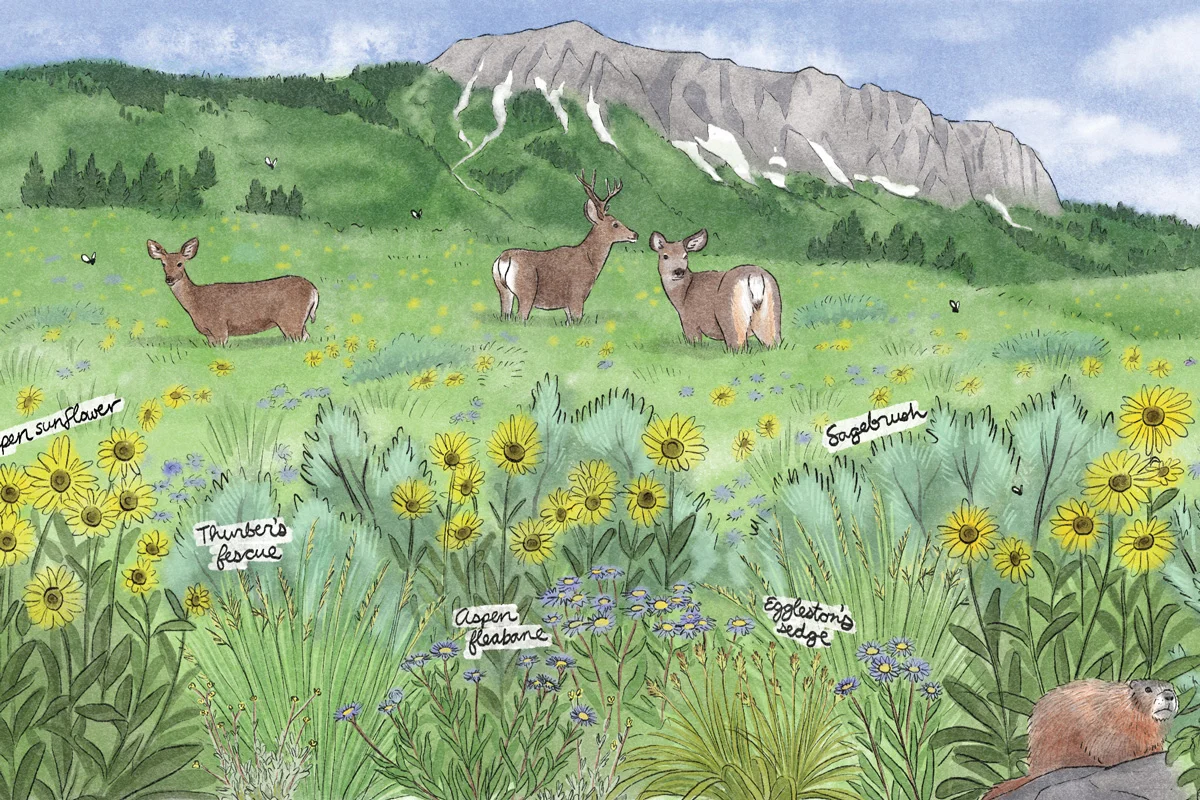
However, the delicate balance of this botanical discourse is being disrupted by the escalating impacts of climate change, prompting urgent scientific inquiry into its consequences. A groundbreaking, long-term experiment, initiated and sustained for nearly three decades near Gothic, Colorado, has provided stark insights into these evolving dynamics. Led by ecologist John Harte of the University of California, Berkeley, this ambitious project artificially warmed a subalpine meadow, subjecting it to elevated temperatures over an unprecedented 29-year period, making it one of the world’s most enduring climate change investigations.
Using sophisticated heat lamps, researchers meticulously raised the soil temperature in designated test plots by approximately 3.6 degrees Fahrenheit (2 degrees Celsius). This controlled warming, while seemingly modest, represents an optimistic projection under many current climate models for average global temperature increases by the end of the century. For context, regional climate projections indicate that Colorado itself could experience warming exceeding 6 degrees Fahrenheit, underscoring the urgency of understanding these localized impacts. Within these artificially warmed plots, scientists meticulously documented a cascade of changes, observing alterations both on the surface of the meadow and within the hidden realm of the soil. The subtle yet persistent shifts in temperature profoundly influenced the competitive landscape of the meadow, determining which plant species thrived and which ones receded. These changes, in turn, triggered a ripple effect throughout the entire ecosystem, impacting soil composition, the behavior and abundance of local wildlife, and even influencing the frequency and intensity of wildfires.
Further illuminating these subterranean shifts, a separate study by Lara Souza, a plant ecologist at the University of Oklahoma, and her colleagues delved into the consequences of meadow ecosystems transitioning from predominantly grasses and forbs to areas dominated by sagebrush. Their findings, published in the esteemed peer-reviewed journal Proceedings of the National Academy of Sciences, reveal a fundamental alteration in the ongoing dialogue between plants and the fungal networks within the soil. Souza describes this new dynamic as a "decoupling," signifying a breakdown in the traditional mutually beneficial relationship. As the prevalence of beneficial mycorrhizal fungi diminishes, they are increasingly replaced by saprotrophic fungi, organisms specialized in the decomposition of dead organic matter. This shift fundamentally alters the nature of the conversation within the soil, transforming a balanced, two-way exchange of nutrients into a more one-sided interaction. This profound change carries significant implications for the survival and vitality of the remaining flowering plants, impacting their ability to access essential resources and maintain their ecological roles.

The implications of these findings extend far beyond the immediate study sites, offering a glimpse into the potential future of plant communities and soil health across diverse global landscapes. The intricate web of life, built upon centuries of co-evolutionary partnerships, is now facing unprecedented pressures from a rapidly changing climate. As temperatures rise and precipitation patterns shift, the ability of plants to engage in vital nutrient exchanges with their fungal partners may be compromised, leading to reduced growth, increased susceptibility to disease, and a decline in overall ecosystem resilience. This "decoupling" phenomenon could have far-reaching consequences for biodiversity, agricultural productivity, and the capacity of natural systems to sequester carbon and mitigate further climate change.
Understanding these subtle yet critical shifts in plant-fungal communication is paramount for developing effective conservation and restoration strategies. Traditional approaches often focus on aboveground plant diversity, but this research highlights the indispensable role of the subterranean realm. Protecting and fostering healthy mycorrhizal networks could be as crucial as preserving aboveground habitats. This might involve implementing sustainable land management practices that minimize soil disturbance, reduce the use of synthetic fertilizers that can inhibit fungal growth, and promote plant diversity that supports a wider range of fungal partners.
The long-term experiment in Colorado, by providing decades of empirical data, serves as a critical warning and a valuable resource for scientists and policymakers grappling with the complexities of climate change. It underscores that even seemingly minor alterations in environmental conditions can trigger profound and cascading effects throughout an ecosystem. The "decoupling" observed in the soil is not merely a scientific curiosity; it represents a fundamental disruption of ecological processes that have sustained life for millennia.
As our planet continues to warm, the vibrant dialogues of the natural world will undoubtedly continue to evolve. The challenge before us is to listen intently to these changing conversations, to decipher their implications, and to act decisively to ensure that the intricate symphony of life can endure and adapt to the unprecedented environmental challenges of our time. The health of our planet, and indeed our own future, may depend on our ability to understand and respond to the subtle, yet urgent, whispers and shouts emanating from the very earth beneath our feet. The scientific community’s continued dedication to monitoring and understanding these complex interactions offers a beacon of hope, providing the knowledge needed to navigate a future where ecological resilience is paramount.








