Joko Susilo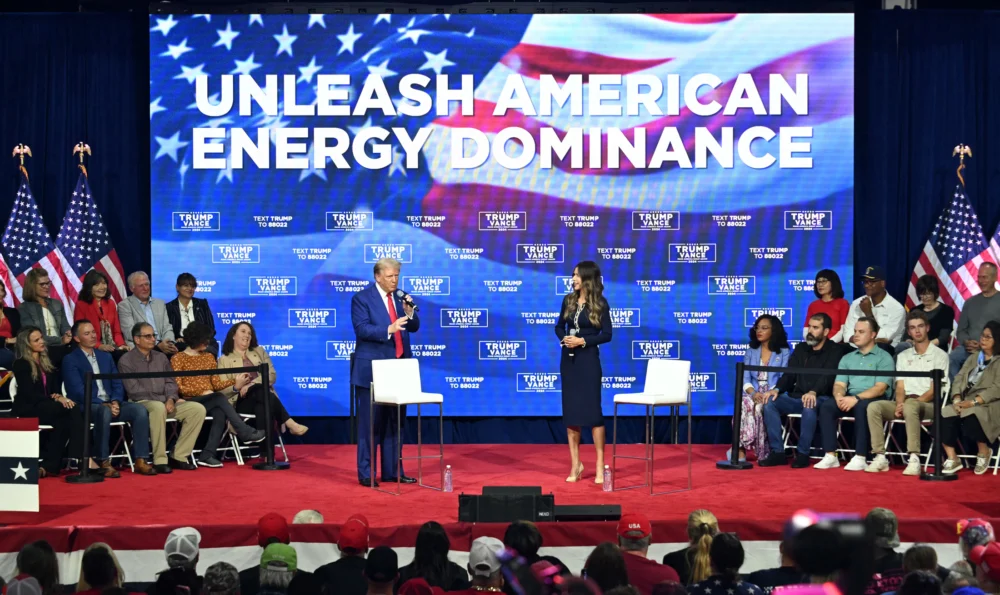
Amidst a political landscape frequently characterized by abrupt policy shifts and rhetorical turbulence, one consistent thread throughout both Trump administrations has been the pursuit of "energy dominance." While the phrase itself may seem novel, it largely represents a robust, often aggressive, rebranding of the long-standing national objective of "energy independence." This aspiration, rooted in the geopolitical and economic shocks of the 1970s oil crises under President Nixon, has historically driven administrations, both Democratic and Republican, to secure the nation’s energy supply domestically and reduce reliance on potentially volatile foreign sources. From Jimmy Carter’s emphasis on conservation and alternative energy development to more recent calls for an "all-of-the-above" strategy, the goal has consistently been to ensure abundant and reliable power. However, what sets the Trump approach apart, despite its fervent "Drill, Baby, Drill," "Mine, Baby, Mine," and "Beautiful Clean Coal" slogans, is a paradoxical outcome: its policies have demonstrably weakened the domestic energy industry and, in some critical areas, undermined its capacity to meet the demands of a modern society.

True energy security, often equated with "dominance" or "independence," demands a pragmatic and diversified approach, leveraging every available resource. An administration genuinely committed to this goal, irrespective of its environmental stance, would logically prioritize the fastest-growing and increasingly cost-effective energy sources—wind and solar, often complemented by battery storage—alongside established capacities like nuclear, geothermal, hydropower, and natural gas. This comprehensive strategy, known as "all-of-the-above," has been the bedrock of energy policy for decades. Yet, the Trump administration has effectively sidelined these critical components of the national energy arsenal.
Federal tax credits, vital incentives for the development and deployment of wind power and both rooftop and utility-scale solar installations, faced elimination under his policies. New wind projects, particularly those proposed on federal lands and in federal waters, encountered significant hurdles and were often summarily shuttered. Utility-scale solar projects on federal land became subject to layers of additional scrutiny and bureaucratic red tape, designed to slow their progress. Furthermore, the "Solar for All" program, a crucial initiative aimed at extending clean energy access and fostering energy self-reliance among lower-income families, was canceled. More recently, the administration clawed back over $7 billion in critical Biden-era funding earmarked for clean energy and grid-reliability projects. Many of these initiatives were situated in Western states, and a significant portion were located in jurisdictions that favored Kamala Harris in the 2024 election, raising questions about the motivations behind these sweeping budgetary reversals. Such actions not only hinder progress in renewable energy but also send a chilling signal to investors and innovators, potentially jeopardizing the nation’s competitive edge in the global energy transition.

In stark contrast to its posture toward renewables, the administration has aggressively sought to bolster the waning fortunes of fossil fuels, deploying them as the primary weapons in its perceived energy war. This strategy appears driven by an apparent hope that these aging, often inefficient, assets can endure until the end of a potential second term. Plans included funneling approximately $625 million in subsidies to revitalize the struggling coal industry, an sector increasingly challenged by economic and environmental pressures. Simultaneously, a myriad of regulations impacting coal-fired power plants were rolled back, effectively serving as another form of subsidy by reducing operational costs. Federal policy opened 13 million acres of public land across the Western United States to new coal leasing, overturning Biden-era restrictions in resource-rich areas like the Powder River Basin spanning Wyoming and Montana. Ironically, amidst these efforts to prolong coal’s lifespan, funding for carbon capture projects—technologies designed to mitigate coal’s environmental impact and potentially extend its viability—was inexplicably canceled, underscoring a disjointed approach.
This pattern suggests that the administration’s "energy dominance" agenda is less about strategic energy policy and more about addressing perceived grievances and realizing a historical fantasy, often with the ancillary benefit of enriching fossil fuel executives. It represents a qualified bid for coal and oil supremacy, primarily benefiting states traditionally aligned with the Republican party. However, even this narrowly defined objective has met with considerable resistance from market forces.

Recent attempts to stimulate the coal industry highlight this struggle. Earlier this month, the Bureau of Land Management conducted its first coal lease sale in over a decade on public lands within the Powder River Basin. The sale attracted only one bidder, the Navajo Transitional Energy Company, which offered a mere $186,000 for a tract containing an estimated 167 million tons of coal. This bid, translating to approximately one-tenth of one cent per ton, starkly contrasted with prices exceeding $1 per ton achieved in 2012 sales. Citing the Mineral Leasing Act and the imperative to secure fair market value for public resources, federal authorities rejected the offer. Days later, the Interior Department abruptly canceled another scheduled sale in the Powder River Basin, encompassing a staggering 441 million tons of coal. A third lease sale in southwestern Utah also garnered only a single, similarly low bid, which was likewise rejected. These rejections underscore a fundamental economic reality: the market is simply not interested in coal at prices that reflect its true value or future potential.
Further evidence of coal’s diminishing relevance emerged concurrently with these policy moves. Just days after the administration announced its intent to inject taxpayer funds into the coal industry, PacifiCorp, the largest grid operator in the Western U.S., reaffirmed its commitment to converting its Naughton coal plant in Wyoming to run on natural gas. Idaho Power, demonstrating a clear economic calculus, even proposed a rate decrease for its customers after reducing operational costs by decommissioning a unit at a Nevada coal plant. Crucially, no utility anywhere in the nation has seriously proposed the construction of new coal-fired power plants. The consensus among energy planners is that coal represents an obsolete, expensive, and environmentally damaging technology, unable to compete with more efficient and cleaner alternatives.

The administration’s persistent call to "Drill, Baby, Drill" for oil and natural gas is also encountering significant headwinds. The Bureau of Land Management has issued drilling permits at an extraordinary pace, often likened to a relentless cascade, even continuing unabated during a government shutdown. During the first six months of the Trump administration, a staggering 2,660 permits to drill on public lands were issued, averaging about 524 per month. This figure dwarfs the Biden administration’s highest monthly average of 317 permits in 2023, a period that nonetheless drew considerable criticism from climate activists. Despite this regulatory permissiveness, drill rig counts—a reliable indicator of industry enthusiasm and a predictor of future crude oil and natural gas production—have remained largely stagnant during the Trump term. In fact, they are notably lower than levels observed a year prior to Trump’s initial election. This disconnect stems from several factors, including persistently low global oil prices, which the administration itself has at times encouraged through diplomatic pressure on Saudi Arabia and other OPEC members to increase their output. Additionally, the administration’s often chaotic trade wars and tariffs on essential materials like steel and aluminum have inadvertently driven up costs for drillers, further dampening investment and activity.
The prevailing sentiment within the oil and gas sector paints a stark picture of waning optimism. A recent Federal Reserve Bank of Dallas survey of oil and gas executives provided candid insights, with many respondents noting that Trump’s regulatory rollbacks and federal royalty reductions would only marginally decrease their "break-even" costs and would not appreciably stimulate increased production. Generally, optimism is in short supply across the oil patch. One anonymous executive lamented, "It’s going to be a bleak three-plus years for the oilpatch," while another revealed, "After Liberation Day, we cut our drilling budget in half from 10 wells to five wells." A particularly poignant observation declared, "We have begun the twilight of shale. Several multibillion-dollar firms that have previously been U.S.-onshore-only are making investments in foreign countries and riskier (waterborne) geologies." This executive also raised critical questions about the eventual fate of hundreds of thousands of abandoned and orphaned wells, warning, "Society will not treat us kindly unless we do our part to clean up after we are gone," highlighting a looming environmental and financial liability.

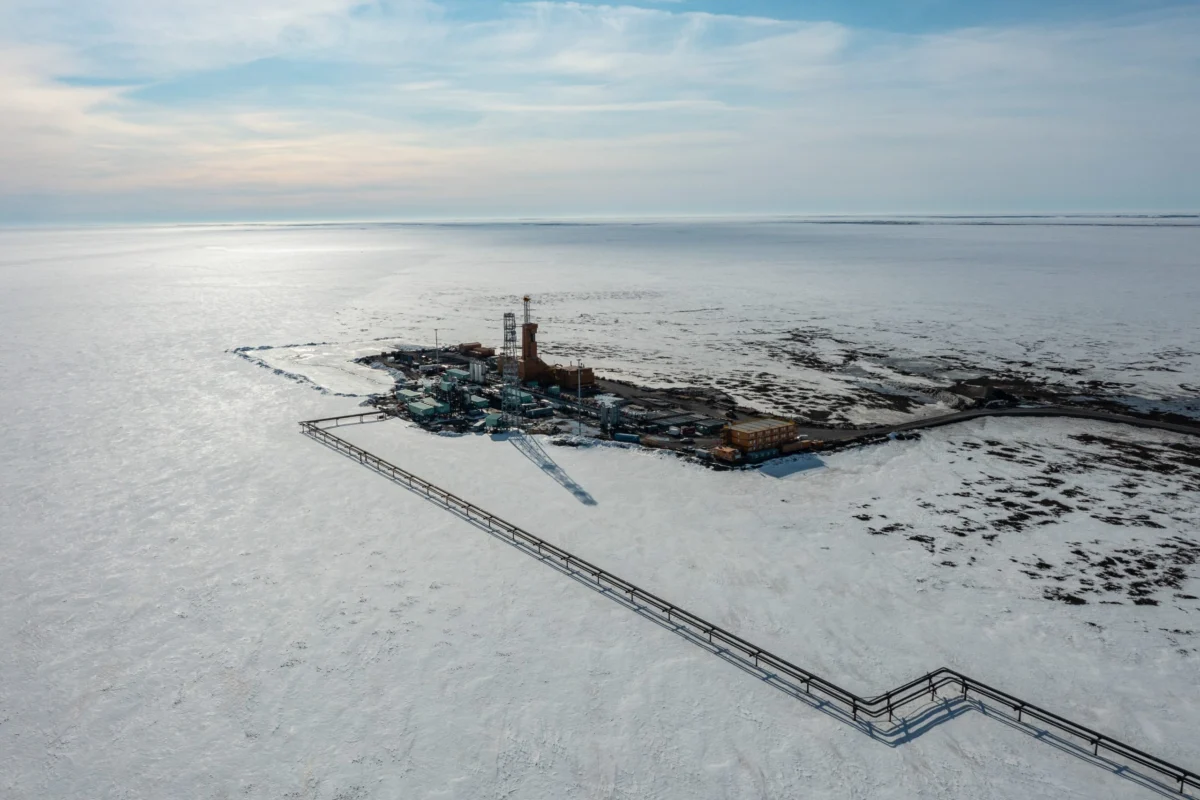
Even in highly contested and environmentally sensitive areas, the industry’s interest remains subdued. The Trump administration recently moved to reopen 1.56 million acres on the coastal plain of the Arctic National Wildlife Refuge (ANWR) to oil and gas leasing, echoing a similar move at the outset of his first term in 2017. However, previous lease sales in the refuge, including one held in 2021 just before President Biden’s inauguration, attracted only meager bids, primarily from an Alaska state agency, with no major oil companies participating. A subsequent auction in January 2025 drew no bids whatsoever. The industry’s lack of interest in ANWR stems from a combination of high operational costs in a remote and challenging environment, significant environmental risks, intense public opposition, and a broader global shift away from new fossil fuel exploration as investors increasingly prioritize cleaner energy sources.
Ultimately, the trajectory of the U.S. energy landscape is shaped by a complex interplay of market forces, technological innovation, global economics, and geopolitical dynamics, far more than by political rhetoric or executive mandates. Just as heightened regulations under the Biden administration did not halt oil and gas drilling or production entirely, the Trump administration’s determined deregulation is unlikely to accelerate it significantly. Similarly, hostility toward solar and wind power will struggle to stifle their momentum; firms continue to bring utility-scale projects online at a rapid pace and secure financing for new proposals, even in the absence of federal incentives. While federal policies can mitigate environmental impacts or modestly bolster corporate profits, they are but one factor among many influencing the pace and scale of energy development. The vision of "energy dominance" cannot be simply willed or forced into existence; it requires a strategic, adaptive, and market-responsive approach that embraces the full spectrum of energy technologies and acknowledges the inexorable currents of the global energy transition.