Rocky Georgio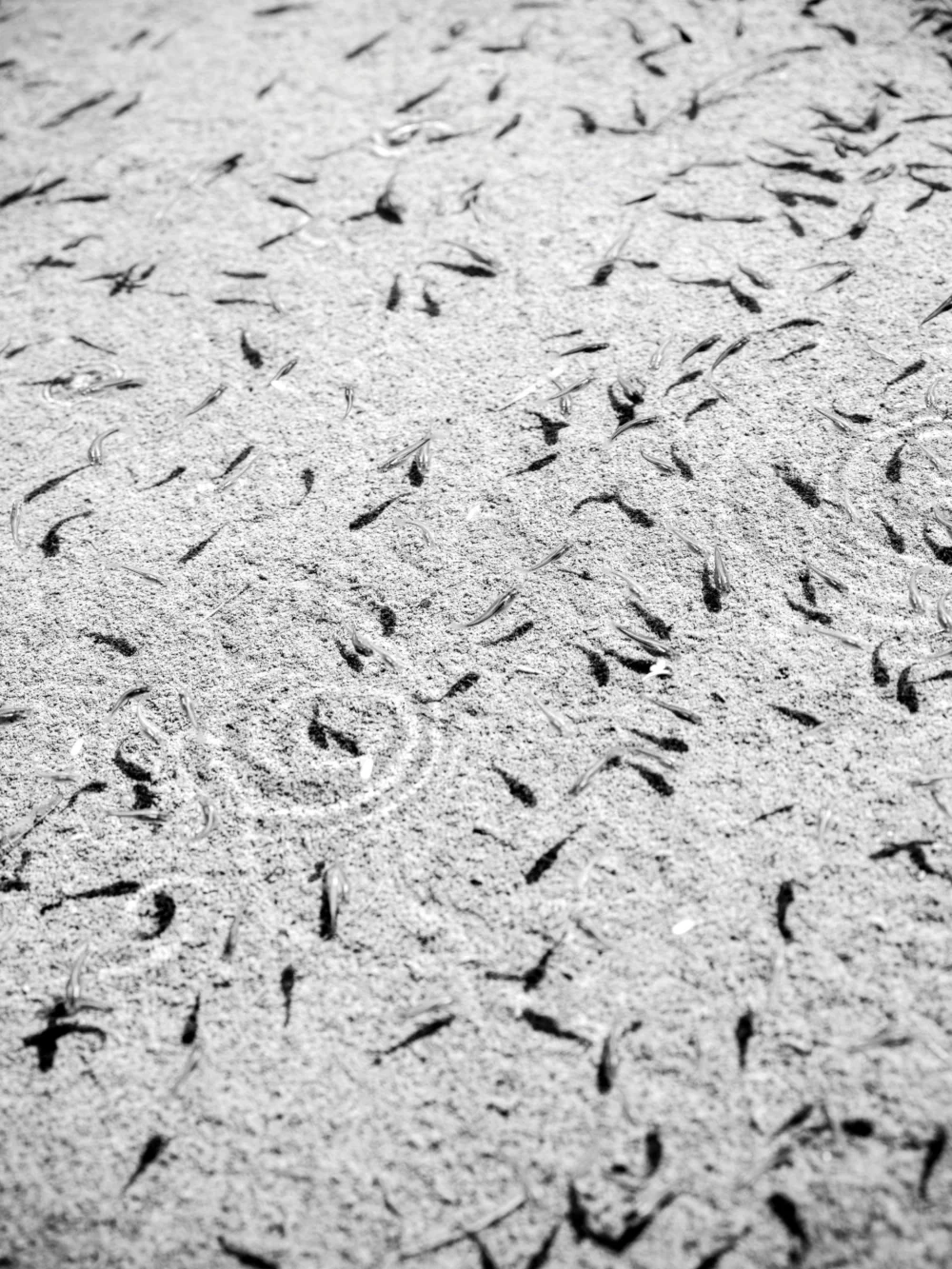
In Tucson, Arizona, a quiet yet profound ecological movement has been evolving over decades, shifting focus from merely restoring degraded landscapes to reimagining and re-establishing connections with local environments, embracing them with their inherent imperfections. This approach, often referred to as "reconciliation ecology," emerged from the broader environmental consciousness sparked in the 1960s and the subsequent conservation and ecological restoration efforts of the 1970s and 80s. Today, instead of solely aiming to "restore" urban stretches like the Santa Cruz River corridor, the emphasis is on "reconciliation." Coined in 2003, reconciliation ecology seeks to actively increase biodiversity in landscapes profoundly shaped by human activity, essentially representing a new paradigm of conservation for the Anthropocene.
Angel Antonio Breault, a fourth-generation Tucsonan, grew up near the upper reaches of the region’s floodplain, initially perceiving it as little more than a ditch. However, as he delved into ecological studies and began visiting the Santa Cruz River on Sundays to observe birds and wildflowers, he concurrently developed a deep personal connection with the waterway. This personal journey led him to co-create the community initiative "Reconciliation on the Santa Cruz River." This endeavor distinguished itself from earlier environmental campaigns by prioritizing the reimagining of human relationships with each other and the land over a singular focus on landscape restoration.
The roots of this movement trace back to the 1960s, a period marked by growing awareness of air and water pollution, and environmental disasters such as oil spills and the widespread use of pesticides, which galvanized local environmentalists. By this time, unchecked development had led to the over-extraction of surface and groundwater, frequently leaving streams and rivers dry for extended periods throughout the year.
While Phoenix, located two hours to the north, continued its relentless expansion with new housing developments, several local non-profit organizations and community groups in Tucson coalesced to advocate for slower growth within the city. Within a decade, Tucson strategically purchased farmland west of its city limits, taking it out of agricultural use to alleviate the strain on groundwater pumping. Concurrently, smaller water systems were consolidated under the city-managed Tucson Water, establishing a valley-wide infrastructure and a unified approach to water resource management.
This proactive stance paved the way for the city’s first "Beat the Peak" campaign in 1977, aimed at raising public awareness about peak water usage and promoting the use of reclaimed wastewater for landscape irrigation. By 1984, Tucson had become one of the nation’s pioneers in recycling treated wastewater, utilizing it for watering parks and golf courses.
Activists who had long championed slower development built a formidable coalition that called for the protection of habitats for 44 vulnerable, threatened, and endangered species. Their advocacy also pushed for bond-funded land conservation programs and a robust system to preserve open spaces while mitigating the impacts on critical riparian habitats. These sustained efforts culminated in the adoption of the Sonoran Desert Conservation Plan by the Pima County Board of Supervisors in October 1998. The plan’s core objectives were to safeguard endangered species and implement significant development restrictions, but its impact has since broadened to encompass environmental restoration, wildlife crossings, and stormwater harvesting.
The 200-mile Santa Cruz River, flowing through Tucson en route from northern Mexico, serves as a prime example of how Tucson’s residents have become leaders in urban conservation. As development accelerated in the early 20th century, overgrazing, groundwater depletion, and infrastructure construction severely damaged the riverbed. By the 1950s, the Santa Cruz River’s section through Tucson had completely dried up.
Decades later, local ecologists, much like their predecessors, recognized the urgent need to advocate for the river and the communities that depend on it. However, Breault and his contemporaries found traditional restoration methods inadequate for the trash-laden, drought-ravaged Santa Cruz, deeming it impossible to meet conventional scientific or conservationist standards. They envisioned something different: reconciliation.
"I see the Santa Cruz as a portal," Breault explained, describing it as a pathway for people to explore authentic relationships they already possess with the natural world. "We know that the best way to engage people is through participatory programs. People don’t need to be coddled." Breault firmly believes that individuals connecting with nature in their own way, regardless of past impacts, overuse, or abuse, yields the most significant results. Even degraded and arid ecosystems like the Santa Cruz can still sustain life and flourish.

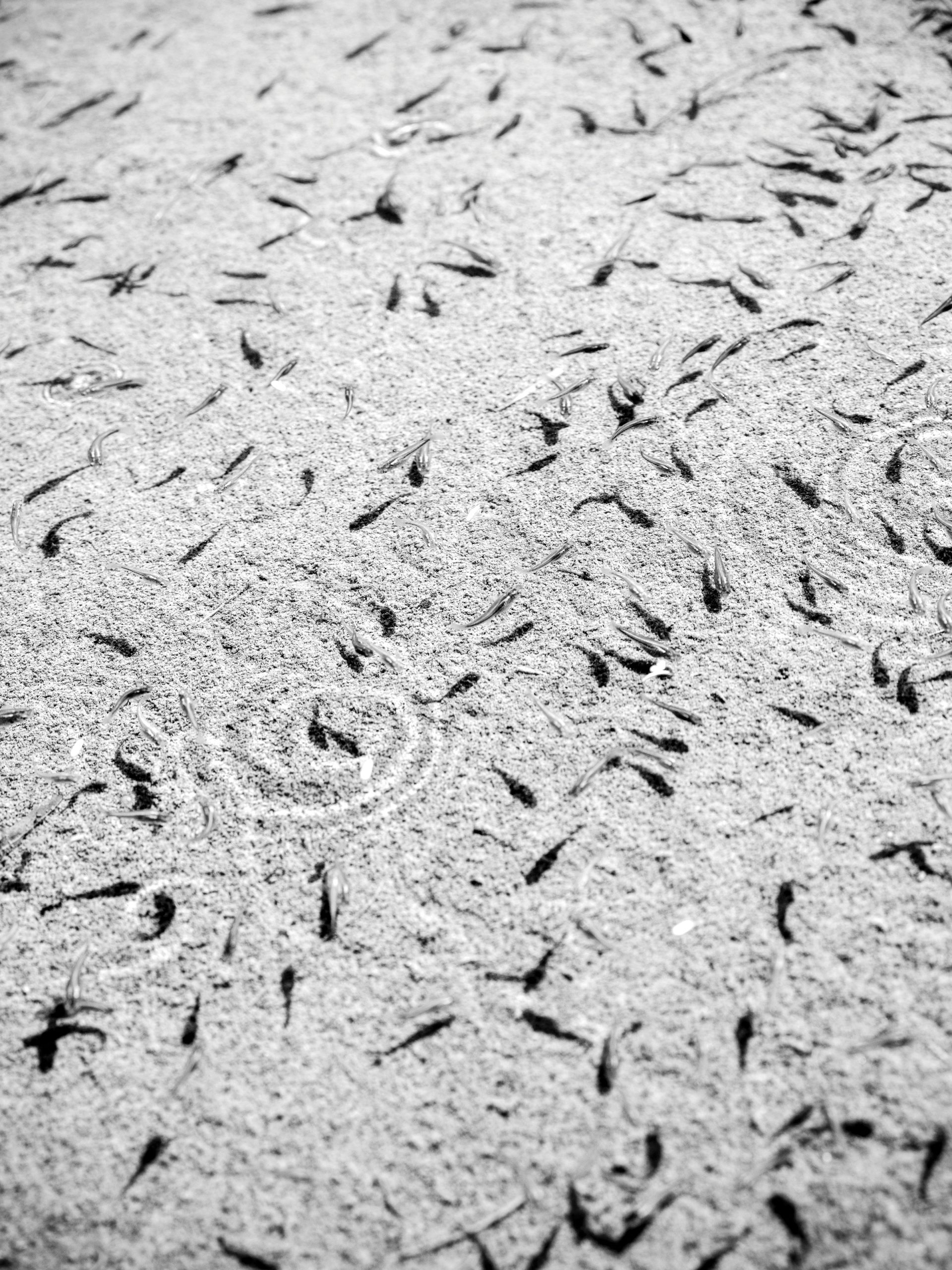
In late 2017, a significant development occurred when endangered Gila chub were discovered downstream from the Nogales International Wastewater Treatment Plant. To aid in replenishing the aquifer and its riparian habitat, Tucson Water began diverting up to 10 million gallons of reclaimed water into the river south of the city center. A collaborative team of scientists from the Arizona Game and Fish Department and the University of Arizona then collected over 700 Gila chub from upstream and carefully transported them to a release point near downtown Tucson, revitalizing a previously dry and polluted stretch of the river.
This initiative, which began in earnest in 2020, has resulted in the Santa Cruz River flowing modestly for approximately one mile near downtown Tucson. While some sections are ephemeral, others are perennial, creating a dynamic and ever-changing landscape. The river now flows freely after heavy monsoon rains, and even without monsoons, the consistent effluent from wastewater reclamation is sufficient to support the resurgence of wetlands and marshes. Cottonwood trees, absent for over six decades, are returning, the Gila chub are successfully reproducing, and approximately 40 other native animal and plant species have reappeared in the area.
The human element has also returned with vigor, manifested in organized trash cleanups, impromptu invasive plant removals, and simple wildlife observation. "Line up," Breault urged, encouraging people to "Do what you do best; tell stories." He detailed upcoming gatherings planned along the river, ranging from writing workshops and art-making sessions to interpretive nature walks, alongside other community-driven events he has heard about. "We don’t have to do everything," he emphasized. "The river knows. We just have to be there together." This philosophy underscores the belief that collective presence and individual contributions, guided by a spirit of reconciliation, are key to the river’s ongoing recovery and the strengthening of human-nature bonds.