Rocky Georgio
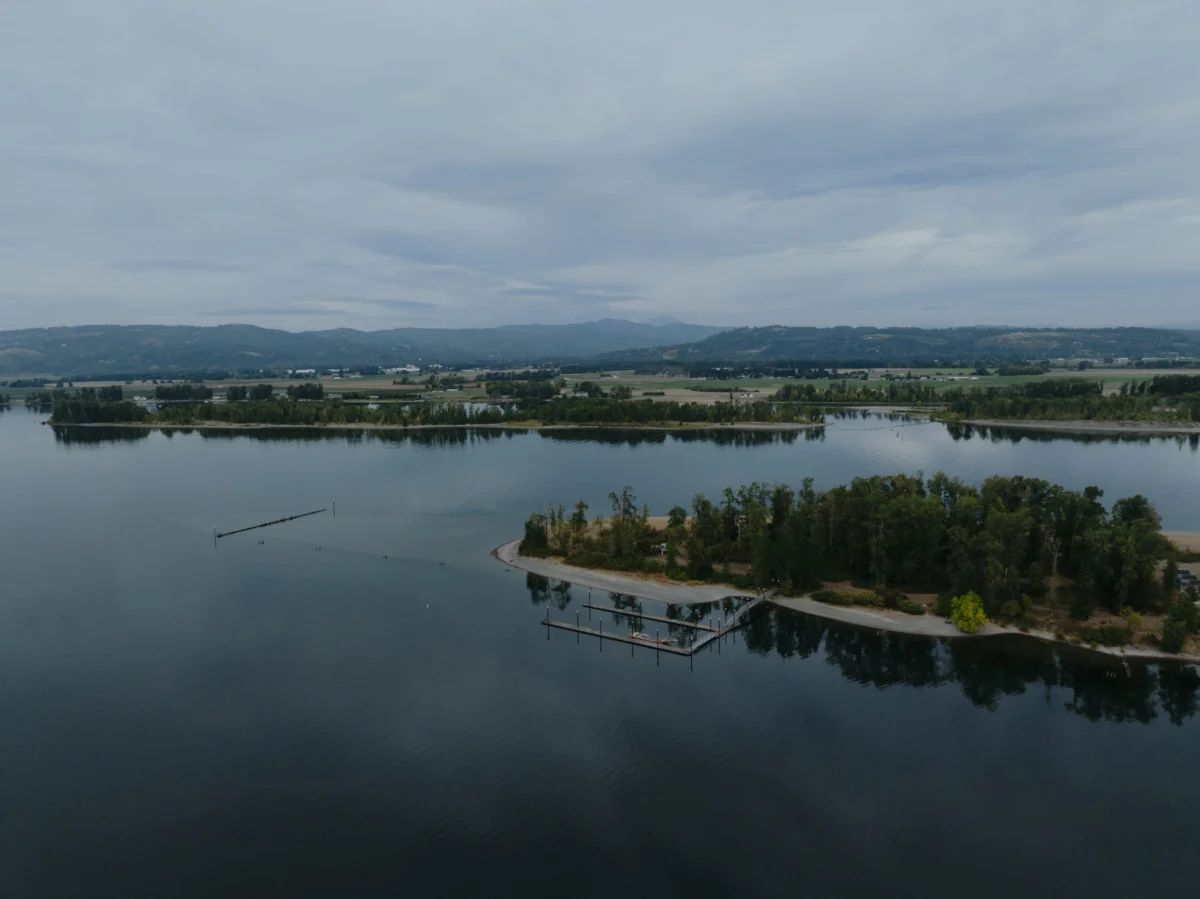
The sudden, tragic death of Tanya Bachman’s border collie, Jax, on an August afternoon in 2024 serves as a stark and heartbreaking reminder of the growing dangers lurking in the West’s waterways. What began as a cherished birthday celebration on the Columbia River near Portland, Oregon, a family tradition involving a boat and their two beloved dogs, quickly devolved into a nightmare. After being allowed to play freely on an island beach, Jax returned with a telltale sign of distress: a drooping tail. Within moments, he began vomiting, convulsing, and then lost consciousness. Despite a frantic rush to the veterinarian, it was too late; Jax died less than an hour after his owner first noticed something was amiss.
The veterinarian’s diagnosis pointed to a likely cause: ingestion of cyanobacteria, often referred to as blue-green algae, from a benthic bloom. This phenomenon, which scientists have been increasingly documenting in the Western United States for approximately the last five years, presents as gelatinous, snot-like globs that form on stream bottoms, submerged logs, or rocks. These benthic blooms can sometimes detach and drift to the surface, making them a less obvious threat than their planktonic counterparts, which form visible surface scum on lakes and reservoirs and are often described as resembling floating grass clippings or spilled green paint.
Cyanobacteria themselves are ancient microorganisms, having existed in Earth’s waters for billions of years. Their proliferation into harmful blooms is often triggered by an excess of nutrients, primarily nitrogen and phosphorus, which can enter waterways from agricultural fertilizers and air pollution. Adding to this complex environmental challenge, climate change is a significant contributing factor, fostering conditions conducive to more frequent and widespread blooms. As Professor Hannah Bonner, a water scientist at Brigham Young University specializing in benthic cyanobacteria, explains, warmer water stagnates during increasingly hot and dry years, creating ideal breeding grounds for these organisms. This creates a cruel irony: as the Western landscape warms, once-inviting cool-water refuges for recreation and wildlife are transforming into potential threats, endangering not only pets but also human health and the broader ecosystem.
The toxins secreted by cyanobacteria, whether from benthic or planktonic blooms, can cause a range of adverse effects. Direct contact with the skin can lead to irritation, while ingestion can result in nausea, gastrointestinal distress, and, in severe cases, significant liver damage. For animals, the consequences can be even more dire. Pets, livestock, and wildlife that drink contaminated water or even lick their wet fur after swimming can be fatally poisoned by these potent toxins. Disturbingly, standard backpacking water filtration systems are not equipped to remove these cyanotoxins, offering no reliable protection for those venturing into affected areas.
The increased awareness and monitoring of harmful algal blooms in most Western states are largely a response to severe health concerns that arose in Eastern waters. A pivotal event occurred in 2014 when toxic cyanobacteria blooms in Lake Erie led to a complete shutdown of Toledo, Ohio’s municipal drinking water system, highlighting the critical public health implications. In the wake of such incidents, Western states began to bolster their monitoring efforts. Wyoming initiated bloom surveillance in 2018, initially employing satellite imagery and later incorporating on-the-ground water sampling starting in 2021. Utah significantly enhanced its monitoring programs in 2016, while California and Oregon, boasting some of the longest-running programs in the West, began their initiatives approximately two decades ago.
These extensive monitoring programs, along with others across the nation, indicate a troubling trend: planktonic blooms are appearing earlier in the spring, are present in a greater number of lakes and reservoirs, and are persisting later into the fall. While some experts suggest that an increase in reported blooms could be partly attributed to more robust monitoring efforts, a comprehensive 2021 study by the Environmental Protection Agency concluded that a combination of increased nutrient loads and the warming, drying effects of climate change is indeed creating more frequent and prolonged bloom events.
Dr. Theodore Dreher, a professor emeritus of microbiology at Oregon State University, emphasizes the human impact on the environment, stating, "We’re affecting so much of the land surface and creating disturbances and introducing nutrients." Unlike climate change, where emissions from one region can have global repercussions, nutrient pollution often has more localized sources, making it potentially more amenable to regulation. Utah, for instance, has implemented regulations aimed at improving the performance of wastewater treatment plants and has introduced voluntary incentive programs to encourage better management of agricultural runoff and the restoration of floodplains. These combined efforts have helped to reduce nutrient flows into Utah Lake, a body of water that was once plagued by blooms so severe that it inspired merchandise with the slogan "Ski the Scum."
However, to effectively address the root causes of these blooms, experts stress the critical need for comprehensive water quality data collection, not merely bloom monitoring. Justin Hayes, Northern Rockies conservation director with American Rivers, voices concern that many states are not adequately prioritizing this crucial step, urging, "States need to take this really seriously and start trying to solve it rather than just warning people."
Compounding the challenge, researchers are still grappling with the reasons behind the increasing prevalence of blooms in unexpected locations. Planktonic blooms are being observed with greater frequency in high-elevation lakes, far removed from traditional sources of pollution like septic systems and feedlots. Professor Bonner suggests that this phenomenon may be linked to runoff from melting glaciers or the atmospheric deposition of nitrogen and phosphorus carried by dust and air pollution. Concurrently, benthic blooms could become more common as declining snowpack leads to reduced snowmelt, and in some regions, fewer monsoon rainstorms are available to naturally disperse algal mats. "I was just in the mountains last weekend, in a pristine creek, and they were everywhere," Bonner recounted, illustrating the widespread nature of the issue.

While Bonner advises against abandoning outdoor recreation altogether, she stresses the importance of knowing what to look for. She describes benthic blooms as resembling "a big ball of snot" and offers a practical tip for identification: "Find a stick, poke it, lift it up, and if you see hairlike strands or fibers, most of the time it’s not cyanobacteria or toxic. If it is a boogery consistency, it likely is."
In response to the growing threat, more states are actively deploying warning signs, distributing email alerts, and issuing public health advisories to inform the public about the presence of toxic blooms. Tanya Bachman continues to share her devastating story with local and regional media, driven by the hope that Jax’s untimely death might prevent similar tragedies for other families and their pets. Her poignant observation, "Everything upstream flows downstream," serves as a powerful reminder that the health of waterways is interconnected, and a problem originating in one location can inevitably affect others further down the line.
Reporting for this story was supported by the Mighty Arrow Family Foundation.