Roger Danuarta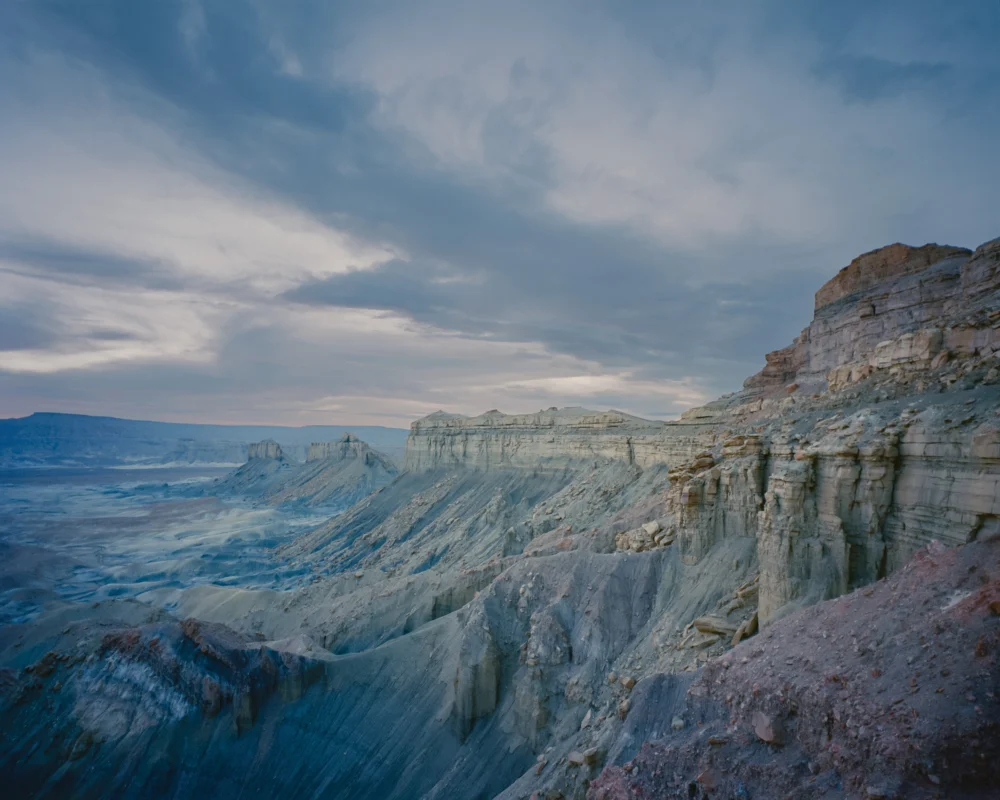
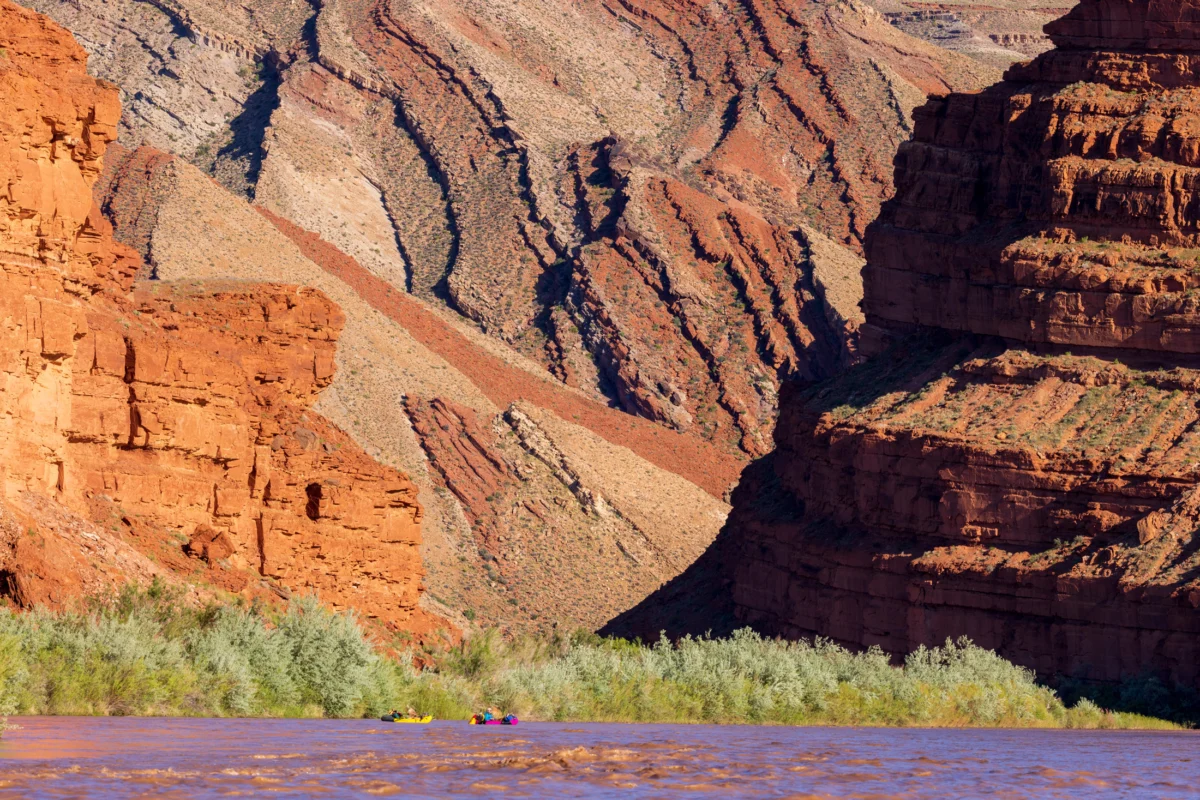
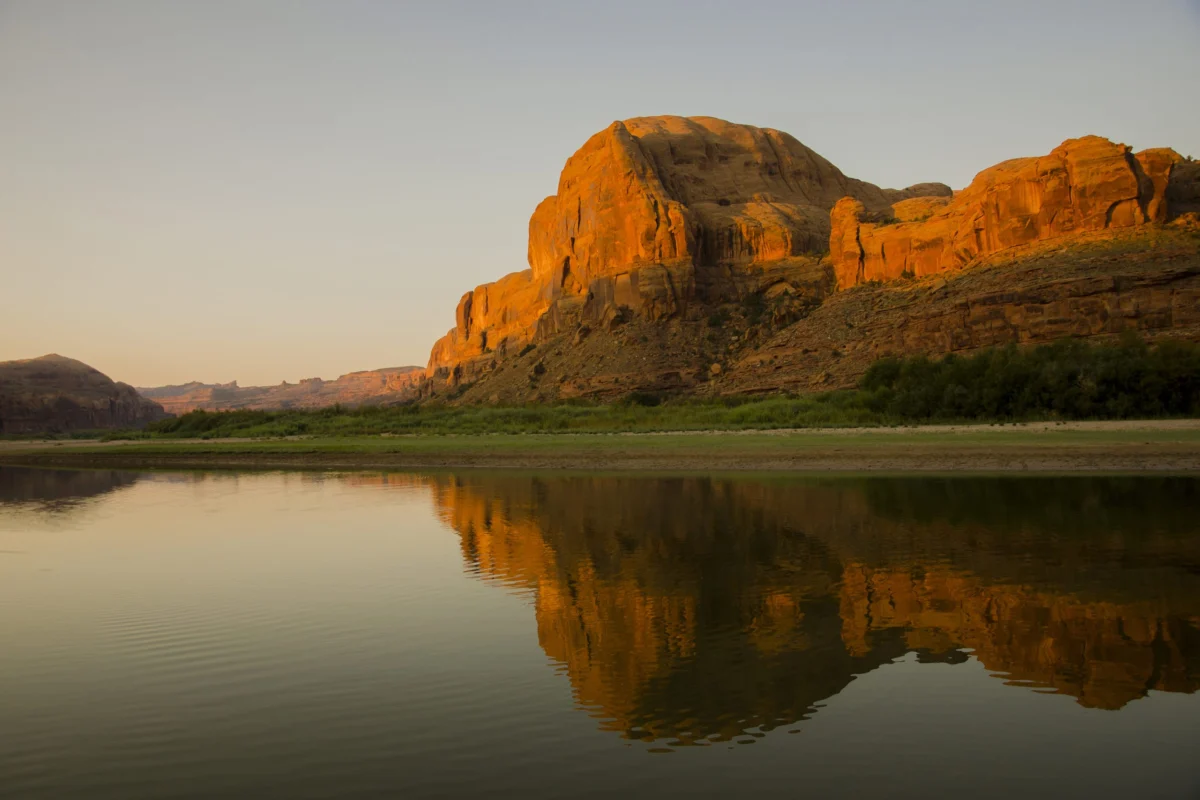
Nestled in the remote, rugged expanse of southern Utah, the Grand Staircase-Escalante National Monument stands as an unparalleled geological archive, chronicling hundreds of millions of years of Earth’s dynamic history within its breathtaking canyons, plateaus, and rock formations. This vast wilderness, a tapestry woven from layers of ancient seabed and desert sands, offers scientists an unbroken stratigraphic record, a literal open book to the planet’s deep past. Yet, this invaluable scientific treasure faces an uncertain future, grappling with persistent underfunding and recurring political attempts to diminish its protective status and scientific mission.

To truly grasp the monument’s significance, one must journey back in time, far beyond human comprehension. Over 250 million years ago, the region now known as Grand Staircase-Escalante lay submerged beneath a vast ocean. The slow, inexorable forces of plate tectonics gradually uplifted the seabed, transforming it into dry land. During the Mesozoic Era, the "Age of Dinosaurs," this nascent plain witnessed the reign of colossal reptiles, its environment fluctuating between arid deserts and lush, tropical climes. A dramatic geological event then reshaped the continent: an invading shallow sea, known as the Western Interior Seaway, cleaved North America in two for approximately 34 million years during the Late Cretaceous period. This ancient marine channel isolated terrestrial ecosystems, fostering unique evolutionary pathways for dinosaur species on the western landmass, Laramidia, a phenomenon whose evidence is exquisitely preserved within the monument. As the seaway receded, the continental plate continued its slow ascent, culminating in the formation of the high deserts, dramatic cliffs, and terraces that define the landscape today.
This extraordinary geological narrative, spanning from roughly 30 million to 300 million years ago, is meticulously etched into the monument’s rock layers. Geologists affirm that no other terrestrial record of this specific time period boasts such completeness and clarity. The relentless sculpturing by wind and water has exposed these ancient chapters, laying bare a scientific "storybook" unlike any other. Recognizing this profound scientific potential, President Bill Clinton, in 1996, invoked the Antiquities Act to establish the nearly 1.9-million-acre Grand Staircase-Escalante National Monument. His intent was clear: to safeguard this unique landscape and enable researchers to unravel Earth’s complex past, utilizing its sweeping geologic record as a vital key.

Despite its designation as a monument of immense scientific importance, the Grand Staircase-Escalante has, according to many scientists, yet to fully realize its mission. Insufficient resources, coupled with the tumultuous shifts in federal land management priorities, have impeded critical research and conservation efforts. Colorado State University geoscientist Joel Pederson poignantly describes the monument as "the most famous storybook of the history of our planet," lamenting that "the research that could be done in Grand Staircase has not yet come to fruition." This sentiment underscores a deep concern within the scientific community regarding the monument’s long-term viability as a research hub.
The monument has already yielded a trove of groundbreaking discoveries, offering tantalizing glimpses into ancient worlds and even distant planets. The remarkable resemblance between the Moqui marbles—pea-to-grapefruit-sized iron concretions formed over millions of years through mineralization within groundwater—and certain Martian rocks observed by the Mars Exploration Rover Opportunity in 2004 provided compelling evidence that Earth’s planetary neighbor also harbored a watery past. Paleontological digs within Grand Staircase-Escalante have uncovered more than 30 new species of ancient fauna, including exceptionally preserved dinosaur skin impressions, intricate trackways, and marble-sized bird eggs, some of which are found nowhere else in North America. This perplexing uniqueness suggests periods of significant biogeographic isolation, offering invaluable insights into evolutionary dynamics during the Cretaceous period, a critical time for the diversification of life.

Beyond these tangible discoveries, Grand Staircase-Escalante holds the potential to unlock answers to pressing contemporary questions. By studying how life evolved and adapted under radically different ancient climates, scientists can glean crucial insights into how ecosystems and species might fare in a warmer future, providing vital context for understanding and mitigating the impacts of current climate change. However, the paleontologists and geologists dedicated to this critical work increasingly face formidable obstacles.
The monument has been plagued by chronic underfunding, a systemic issue that severely compromises the ability of managers to protect invaluable fossils and other specimens from the pervasive threats of vandalism and theft. Since its inception, the monument’s operational budget and staffing levels have reportedly plummeted by at least three-quarters. Recent reports from the nonprofit Grand Staircase-Escalante Partners indicate a further erosion of capacity, with the loss of multiple backcountry rangers, rangeland technicians, and critically, its only in-house paleontologist. The Bureau of Land Management (BLM), which oversees the monument, has declined to comment on these specific management or budgetary concerns, leaving many to speculate about the depth of the challenges.

Adding to this precarious situation are the dramatic and often unpredictable shifts in federal policy, particularly concerning the monument’s boundaries. The previous administration under President Donald Trump dramatically reduced the monument’s size by nearly half and opened portions of the de-designated land to potential drilling and mining. This move, justified by an asserted "energy emergency," was widely contested by conservationists and scientists, who argued that the region’s mineral and fossil fuel resources were not economically viable for extraction, a claim seemingly supported by the fact that no mining companies leased lands within the monument during that administration’s tenure. While President Joe Biden subsequently restored the monument’s original borders, the political tug-of-war persists. In a concerning development, the House of Representatives recently proposed funding only half of the monument’s acreage, effectively reinstating the Trump-era reduction through budgetary means. This mirrors broader efforts by the Interior Department, which is reportedly considering shrinking or eliminating several other national monuments, including Chuckwalla and Bears Ears, signaling a continued assault on protected public lands across the American West.
The battle over Grand Staircase-Escalante is not merely about land; it is a profound struggle over the preservation of irreplaceable scientific heritage and the very purpose of public lands. The Antiquities Act, a century-old legislative tool intended to safeguard America’s natural and cultural treasures, has become a flashpoint in a long-standing ideological conflict over federal land control versus local economic interests. To surrender any section of Grand Staircase-Escalante, whose meticulously layered rocks exquisitely document deep time, would constitute an immeasurable and irreversible loss. Retired geologist Marjorie Chan aptly likens the landscape to nature’s own Venus de Milo, the iconic, irreplaceable Greek sculpture now protected within the Louvre. "How much time did nature take to sculpt all this?" Chan questions, emphasizing that Grand Staircase is undeniably worth fighting for, "because you’re never going to be able to get that reproduced again." Its preservation is not just a regional concern but a global imperative, a testament to humanity’s commitment to understanding and protecting the planet’s unparalleled natural archives for generations to come.