Rocky Georgio
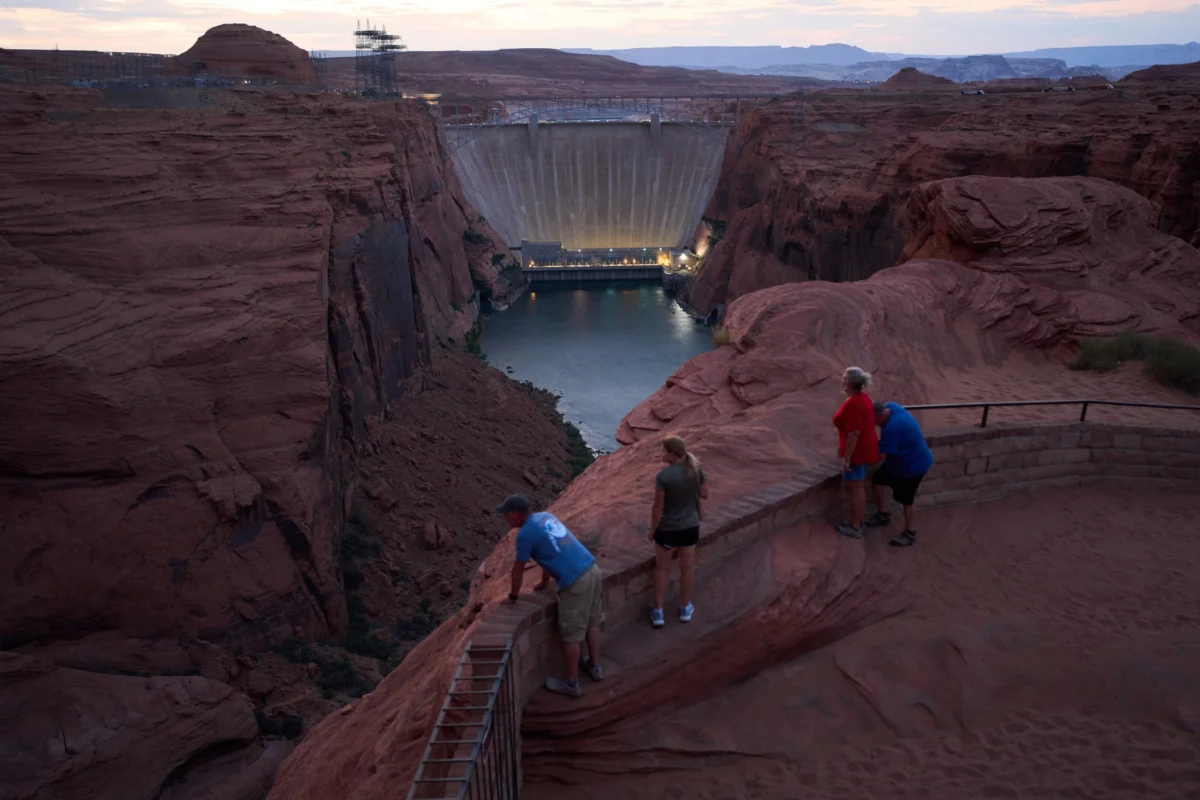
Recent monsoon storms unleashed devastating flash floods upon northern Arizona, particularly impacting the north rim of the Grand Canyon. The deluge, amplified by runoff from the burn scar of the 2025 Dragon Bravo Fire, transformed Bright Angel Creek into a torrent of destruction, carrying burned trees, boulders, and loose sediment. These powerful floodwaters obliterated bridges and buildings, claimed at least two lives, erased cherished beaches, and carved new, treacherous rapids into the Colorado River. This event serves as a stark prelude to a future where the Grand Canyon faces a dual crisis: increasingly catastrophic seasonal floods and a prolonged, severe drought driven by a warming climate. The Glen Canyon Dam, situated upstream, is currently releasing water at its lowest levels in decades, with projections indicating further declines in the Colorado River’s flow, impacting recreation, the river’s delicate ecosystem, and the ancestral lands of Indigenous tribes.
The Colorado River, arguably the most iconic and heavily managed river in the United States, flows through the Grand Canyon, a natural wonder bordered by two colossal dams that impound the nation’s largest reservoirs: Lake Mead and Lake Powell. These reservoirs are critical water sources for approximately 40 million people across the Southwestern United States. However, decades of reduced snowfall and escalating temperatures, directly linked to climate change, have led to a precipitous decline in their water levels. Combined storage in both reservoirs has now plummeted to levels not seen since the 1950s, a period when only Lake Mead existed and was merely half full, according to Jack Schmidt, director of Utah State University’s Center for Colorado River Studies.
This summer’s inflow into the Colorado River system was a mere 12% of the historical average. Furthermore, a June report from the Bureau of Reclamation projects that Lake Powell could drop below the minimum elevation required for hydropower generation by January 2027. This scenario not only threatens power production but also raises concerns about the structural integrity of the Glen Canyon Dam itself. In response, the Bureau of Reclamation has initiated significant reductions in water releases from Lake Powell, decreasing monthly allocations from 482,000 acre-feet to a projected 401,000 acre-feet by October. While these diminishing water levels will ripple throughout the entire river basin and beyond, the Grand Canyon is poised to experience the most immediate and profound transformations.
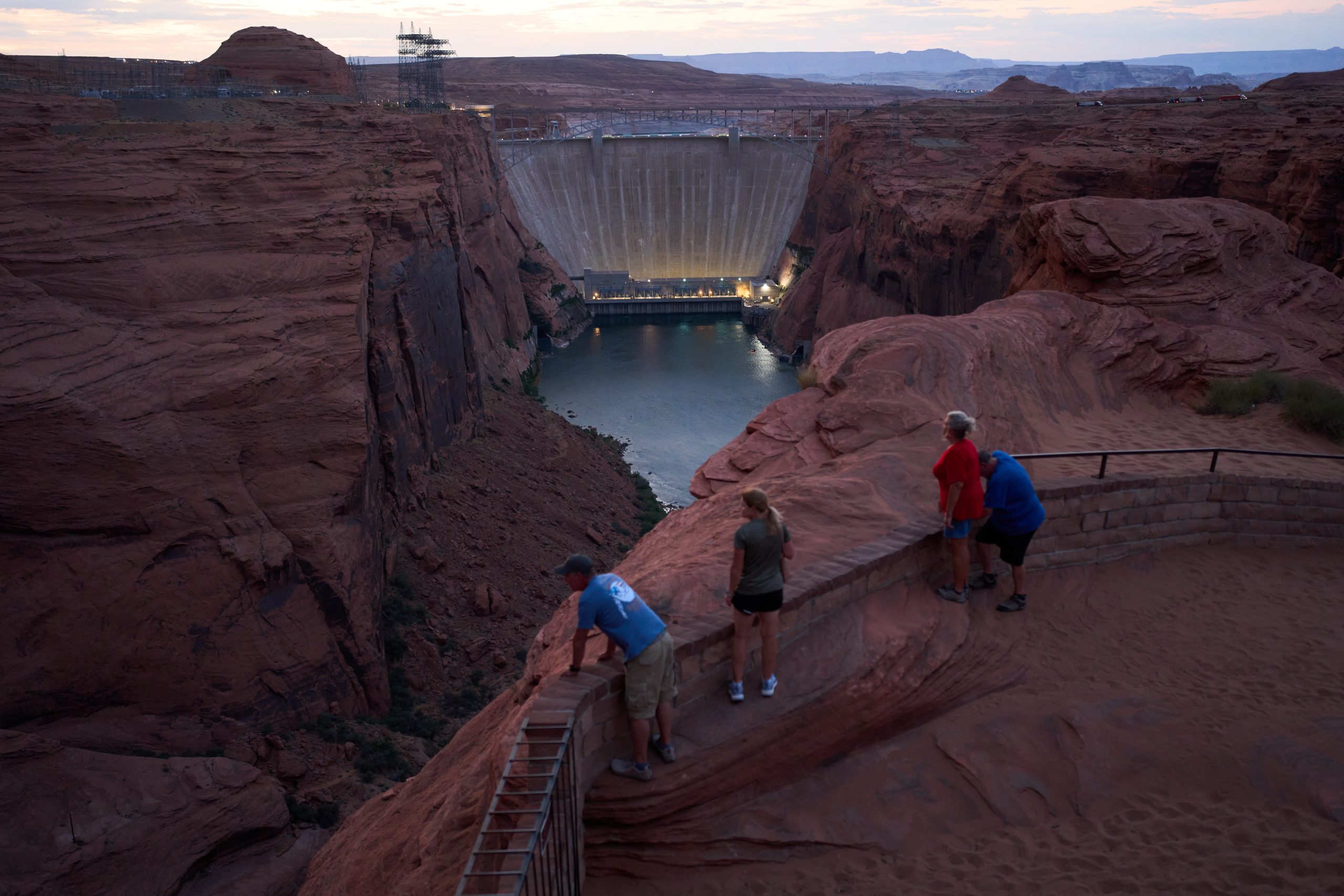
Jen Pelz, water advocacy director for the Grand Canyon Trust, notes that the canyon, in its pre-dam era, experienced periods of low flows. However, she emphasizes that the extensive alterations made to the river system over the past six decades due to dam operations mean a simple reduction in water releases will not replicate natural conditions. The historical pattern of high spring flows followed by low, warm summer flows is unlikely to return.
The profound changes are keenly felt by the eleven Indigenous tribes who have long considered the Grand Canyon their ancestral homeland. Kurt Dongoske, Zuni tribal historic preservation officer and principal investigator for Zuni Cultural Resource Enterprise, highlights that tribal connections to the canyon span millennia, predating scientific study by thousands of years. The Zuni people believe the Grand Canyon is their place of emergence into this world, forging a direct spiritual, cultural, and geographical link between the canyon and the Pueblo of Zuni, where the Zuni River flows into the Colorado. Dongoske, a participant in numerous Bureau of Reclamation meetings over decades, asserts that the tribes’ perspectives on consistent ecosystem management have historically been overlooked and anticipates even less consideration as water levels continue to fall.
The impact of reduced sediment flow, a direct consequence of the Glen Canyon Dam blocking over 90% of the sediment that once moved through the canyon, is evident even at the microscopic level. Pelz explains that this lack of sediment transport is a critical factor in the canyon’s ecological health, as sediment forms the foundation for sandbars that provide crucial habitat for fish and beaches vital for rafters. Without adequate sediment, vegetation struggles to establish, destabilizing canyon walls and diminishing forage and habitat for wildlife and insects essential to the food web. This sediment deficiency also poses a significant threat to cultural resources, including ancient Indigenous masonry dwellings, seasonal campsites, and rock art. A 2023 U.S. Geological Survey report indicates that windblown sand dunes play a protective role against water-based erosion around sensitive archaeological sites within the Grand Canyon. Currently, nearly 400 of these invaluable sites are at risk due to declining sediment levels.
The consistent release of sediment-deprived water gradually erodes the canyon, with sand being transported downstream into Lake Mead rather than replenishing the canyon’s natural ecosystem. To counteract this, the Bureau of Reclamation has, since the late 1990s, typically conducted an annual "high flow experiment"—a significant pulse of water released in spring or fall designed to carry sediment into the canyon from upstream. However, this crucial experiment was neglected in 2025, and despite sufficient sediment availability in 2026, the agency opted against it, citing political unpopularity. Pelz warns that the cessation of these high flows signifies a loss of sediment within the canyon, a consequence she considers one of the most significant impacts on the Grand Canyon.

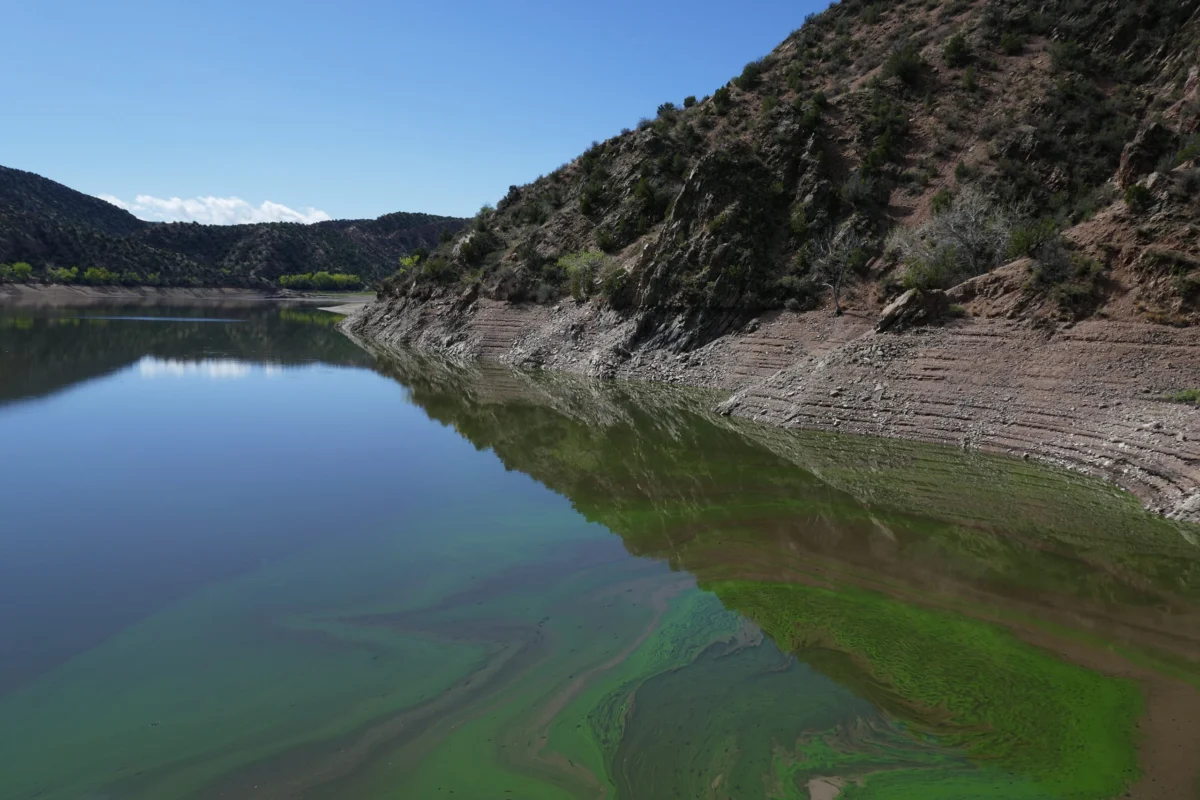
As reservoir levels drop and less water flows through the canyon, water temperatures are also affected. Water released from Lake Powell is drawn from its sun-warmed upper layers, causing temperatures to rise from the typical 45-50 degrees Fahrenheit towards 60 degrees. Schmidt explains that this warmer water facilitates algae blooms near the dam, a phenomenon not observed when the water is rich with sediment. These elevated temperatures are detrimental to the blue-ribbon trout fishery immediately below the dam, impacting an industry that generates approximately $1 billion annually and supports thousands of jobs, from guiding and hospitality to public works.
The warmer surface layer of Lake Powell also harbors another threat: smallmouth bass. These non-native fish thrive in warmer waters and are inadvertently drawn through the dam’s turbines as water levels decrease, subsequently entering the canyon. This influx disrupts the ecosystem, particularly impacting native fish like the humpback chub, whose young are preyed upon by smallmouth bass. Approximately 85% of the U.S. humpback chub population resides within the Grand Canyon, a testament to a decades-long recovery program that saw the species delisted from endangered status in 2021. This recovery effort supports a vital nursery at the confluence of the Little Colorado River, but its future is imperiled by the proliferation of smallmouth bass. Pelz underscores the interconnected ecological, biological, and cultural significance of this issue, noting that native fish have coexisted with tribes for time immemorial and that the absence of these fish would fundamentally alter the Grand Canyon’s identity. Compounding the problem, revenue generated from hydropower at Glen Canyon Dam funds the native fish recovery program, meaning that reduced power generation directly translates to diminished funding for these conservation efforts.
In previous years, when river temperatures exceeded 60 degrees Fahrenheit for three consecutive days, the Bureau of Reclamation would implement "cool mix flows," releasing colder water from deeper within the lake to mitigate the impact of smallmouth bass and algae and to stabilize the ecosystem. However, with current low water levels, the agency has significantly reduced flexibility to adjust water releases in a manner that reflects the canyon’s natural variability, even when supported by scientific data and established policy. The Grand Canyon Trust is actively monitoring a USGS gauge at mile 15 of the Colorado River, tracking temperature trends. As of September 10, the water temperature at this location was 69.4 degrees Fahrenheit, having exceeded the threshold for a cool mix flow release for 87 consecutive days since the end of June.
Dongoske, who has served as a representative to the Glen Canyon Dam Adaptive Management Program since 1991, points out another long-neglected aspect of river management: the Zuni belief in the inherent value of all life forms, including non-native fish, whom they view not as culprits but as beings displaced by circumstance. He criticizes the Bureau of Reclamation’s approach to non-native species, stating it is antithetical to their traditional values and highlighting a historical disregard for Indigenous epistemologies in favor of Western scientific knowledge.

Recreation within the Grand Canyon is intrinsically linked to river flows and ecosystem health, a fact increasingly apparent as river levels decline, according to Ben Reeder, a seasoned guide for Colorado River and Trail Expeditions. Annually, approximately 20,000 individuals embark on commercial river trips through the canyon, offering the sole means to experience its grandeur intimately. These expeditions vary from short three-day motorboat journeys to extensive 18-day oar-powered raft trips.
Reeder, who navigates 36-foot motorboats through the canyon, explains that shrinking water levels render passage through challenging rapids like Hance and Horn Creek increasingly perilous. He describes navigating low water, particularly in larger vessels, as a defining test of a boatman’s skill and a significantly more nerve-wracking experience. Guides have been compelled to adapt their routes, timing, and scouting procedures, with some outfitters already transitioning to smaller boats to manage the reduced river channels. While no serious accidents have occurred, boats are experiencing grounding in rapids. Reeder has personally modified his gear, now carrying a slingshot to assist in securing ropes to shore if his boat becomes stuck, underscoring the increased focus on contingency planning.
Reeder, who also represents the Grand Canyon River Guides on the Bureau of Reclamation’s Technical Workgroup, views the Grand Canyon as a living entity, its nuances understood through prolonged immersion. He notes that guides are collaborating to navigate these evolving conditions, but expresses deep concern for the industry’s future. Trip bookings have reportedly decreased by approximately 25% following a post-COVID surge. Reeder fears that further water level declines could render the canyon impassable for larger boats, effectively ending the motorized sector of the industry. He acknowledges the historical resilience of Grand Canyon boatmen and expresses confidence in their ability to find solutions, but admits uncertainty about his own long-term ability to guide and operate boats in the same manner, emphasizing the necessity of adaptation.
Current releases from Lake Powell fluctuate between 6,000 and 9,200 cubic feet per second, a stark contrast to the typical average summer flows of 13,000 cubic feet per second. These critically low flows preclude essential management actions like cool mix flows or high-flow experiments, the latter requiring releases between 31,500 and 45,000 cubic feet per second for one to four days. Similarly, low flows eliminate options such as "bug flows," steady-state releases designed to minimize fluctuations and allow insect hatches, which are vital for the food web, including bird populations downstream.

Dongoske stresses the importance of considering the cascading impacts beyond the immediate river corridor, stating that developments within the Grand Canyon directly affect the Zuni community due to their continuous spiritual connection. Pelz observes that, on a broader scale, the pervasive sense of scarcity engendered by low water levels can stifle creativity and flexibility, while the recent flash flood prompts critical questions about how the river and its infrastructure will be managed in the future.