Joko Susilo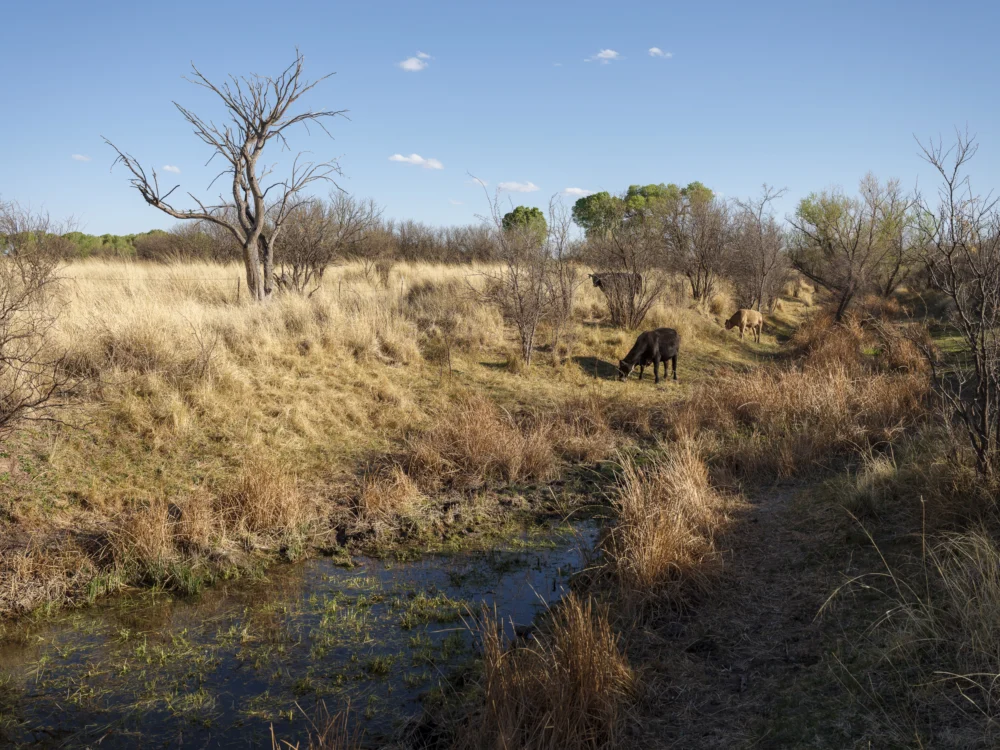
An extensive investigation into federal public lands grazing reveals a system deeply entrenched in economic subsidies for powerful ranchers, alongside a concerning trend of federal agencies increasingly bypassing critical environmental reviews. This multi-faceted probe, spanning vast tracts of the American West, meticulously analyzed government documents, proprietary data, and extensive field observations, exposing the intricate web of policies and practices shaping millions of acres of public rangeland. The findings underscore significant disparities in land use costs and a growing reliance on legal exemptions, with profound ecological consequences for sensitive Western ecosystems and critical habitats.

The investigation’s rigor stemmed from an exhaustive methodological approach, commencing with a deep dive into government records and data obtained through over 100 public records requests from the Bureau of Land Management (BLM), Forest Service, and state agencies. Researchers augmented this with interviews across a diverse array of stakeholders, including ranchers, conservationists, researchers, and federal rangeland managers. Crucially, the team undertook extensive tours of active grazing allotments in Arizona, Colorado, Montana, and Nevada, providing firsthand observations of land condition and livestock management realities.
A core objective was to map the landscape of public-lands ranching, identifying the largest permittees and assessing control concentration. This required processing roughly 50,000 billing records from the BLM and Forest Service; BLM data necessitated legal action to obtain. The analysis focused on the most recent grazing fee year (March 2024-February 2025),