Roger Danuarta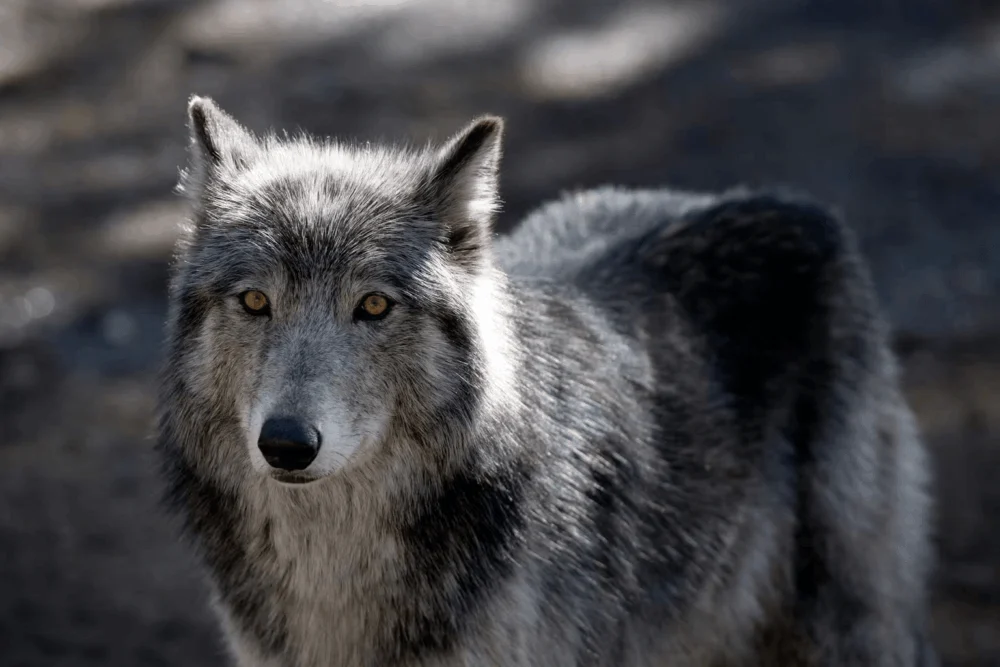
The management of gray wolves (Canis lupus) stands as one of the most enduring and publicly contentious conservation challenges across the United States, often portrayed through stark, irreconcilable images of division. Media narratives frequently spotlight celebratory reintroductions, such as the landmark efforts in Yellowstone National Park in 1995 and the more recent controversial releases in Colorado, contrasting them sharply with the visceral outrage of ranchers grappling with livestock depredation. This perceived schism is further amplified by pro-wolf protests on one side and the historical specter of wolf bounty hunters on the other, painting a picture of deeply entrenched opposition where common ground seems impossible to find.
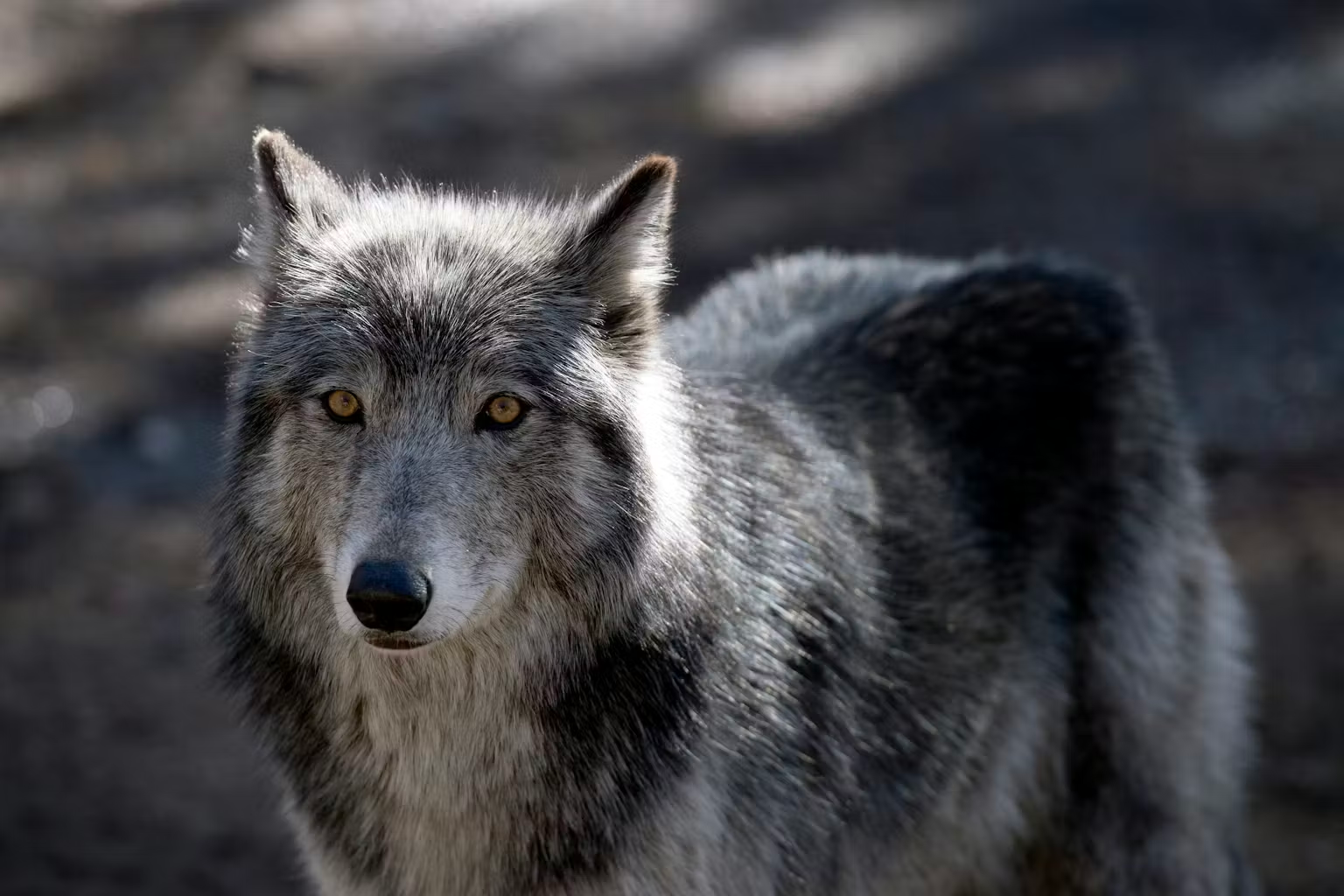
Yet, this pervasive narrative of conflict often belies a more nuanced reality. Contrary to these common caricatures, extensive public opinion surveys conducted globally consistently reveal a remarkably positive public sentiment towards wolves, frequently with overwhelming support. This trend holds true even within politically conservative U.S. states, areas often assumed to harbor significant hostility toward wolf conservation. For instance, recent research conducted in Montana demonstrated that an increasing majority of residents—a substantial 74% in 2023—expressed tolerance or strong tolerance for wolves, indicating a broad public acceptance that is rarely reflected in heated public discourse.
Despite this underlying consensus, the perception of profound conflict persists, continually amplified by media outlets and political rhetoric that often prioritize dramatic narratives over factual representation. This raises a crucial question: What if these exaggerated portrayals, and the assumptions of deep division they reinforce, are themselves actively contributing to the very conflict they purport to describe? A compelling study, published on January 6, 2026, delves into this critical inquiry, examining the psychological mechanisms that transform latent agreement into overt polarization.

The researchers behind this groundbreaking work are social scientists who specialize in the human dimensions of complex environmental issues, ranging from wildfire management strategies to the intricate dynamics of wildlife conservation. Their methodology involves applying tools from psychology and other social sciences to meticulously analyze how individuals interact with nature and with one another in the context of environmental challenges. Their findings consistently underscore a vital truth: the quality of human relationships often exerts a more significant influence on conservation outcomes than the biological intricacies of the species or ecosystems in question. Indeed, many conservation challenges are fundamentally "people problems," rooted in differing perceptions, values, and social interactions.
One of the most potent, yet frequently underestimated, forces at play in these dynamics is social identity. This profound psychological mechanism compels individuals to categorize themselves into distinct groups and to earnestly uphold the boundaries of those groups. Social identity theory, a cornerstone concept in modern psychology, illustrates that once individuals perceive themselves as members of a particular group, they are instinctively inclined to favor their "in-group" ("us") while maintaining a degree of wariness or skepticism towards those perceived as part of an "out-group" ("them"). While fostering strong group loyalties can offer benefits such as cohesion and mutual support, it also carries significant costs. These include the potential to distort how individuals perceive and interpret factual information, leading to biased judgments and the exacerbation of inter-group conflict.

The influence of social identity extends deeply, shaping how people interpret even objectively verifiable facts. It can lead individuals to misjudge physical attributes like distances and sizes, and perhaps more dangerously, to automatically assume the worst intentions or characteristics about members of different groups. When this identification becomes profoundly ingrained, a phenomenon known as identity fusion can occur, where an individual’s personal sense of self becomes inextricably linked to their group identity. This intense fusion can motivate people to engage in actions that they might otherwise deem morally questionable, particularly when they believe their cherished group is under existential threat. Such forces, for instance, are speculated to contribute to high-profile instances of groups shielding members from accountability for reprehensible behavior.
In their recent research, the scientists rigorously tested how the activation of individuals’ political identities—simply by prompting them to recall their political party affiliations—affected their perceptions of wolves in the U.S. Across two comprehensive studies involving over 2,200 participants drawn from nine states with established wolf populations, a striking and consistent pattern emerged. When participants’ political identities were explicitly activated, their attitudes toward wolves became significantly more polarized. Democrats exhibited a heightened affinity for wolves, while Republicans simultaneously displayed an increased aversion, widening the ideological gap.

Conversely, when participants’ political identities were not explicitly activated, a general liking for wolves prevailed, largely irrespective of their political leanings. This crucial finding suggests that an underlying, less polarized positive sentiment exists when partisan lenses are removed. A subsequent experiment, where participants were asked to predict the attitudes of their fellow party members and those from rival parties toward wolves, provided further insight. This identity-based polarization, the researchers discovered, was primarily driven by participants’ misjudgments about their own in-group. People incorrectly assumed that others within their political party held more extreme views about wolves than they actually did. These erroneous assumptions, in turn, significantly shaped and intensified their own attitudes towards the species. In essence, the caricatures of conflict, rather than reflecting pre-existing deep divisions, actively created and fueled them. This represents an ironic and tragic outcome: a situation where a broad consensus actually exists became polarized not due to fundamental disagreements, but because individuals incorrectly imagined the extreme sentiments of others.
Fortunately, the very psychological forces capable of dividing people also possess the capacity to unite them. The research demonstrated that when participants were presented with accurate information about the actual views of their peers—specifically, that most members of their own political party held positive attitudes toward wolves—their own attitudes moderated significantly. This "social correction" mechanism suggests that simply exposing individuals to the true breadth of opinion within their own group can dissolve the illusion of extreme polarization.

Beyond correcting misperceptions, other effective strategies for fostering unity involve activating "cross-cutting" identities, or shared identities that transcend traditional political or ideological divides. For example, an individual might identify simultaneously as a rancher and a committed conservationist, or as a hunter who is also a passionate wildlife advocate. More broadly, citizens across diverse backgrounds share common identities as Americans, community members, or simply as human beings. Highlighting these blended and shared identities can effectively diminish the pervasive "us vs. them" mentality, thereby opening crucial pathways for more constructive and collaborative conversations. This approach is particularly vital in complex environmental issues like wolf conservation, where multiple stakeholders with diverse interests must ultimately coexist.
The debate surrounding gray wolf management, though often presented as an intractable clash of fundamental values, does not have to remain so. The research strongly suggests that by moving beyond sensationalized caricatures of conflict and consciously recognizing the extensive common ground that already exists among the public, society can begin to shift the conversation. This shift holds the potential to foster innovative solutions for living not only with wolves but also, perhaps more importantly, with each other, paving the way for more effective and sustainable conservation outcomes worldwide. Understanding the human dimension of environmental challenges is paramount to bridging divides and achieving genuine human-wildlife coexistence.