Rocky Gerung
Ranchers operating on the Western United States’ vast public lands face a decadal requirement to renew permits for their livestock, a process that historically served as a critical juncture for evaluating and mitigating the environmental impacts of grazing. However, a confluence of legislative mandates, significant staff reductions within land management agencies, and a growing reliance on automatic permit renewals has dramatically curtailed environmental scrutiny, raising alarms among conservationists and scientists about the long-term health of these vital ecosystems.
The Bureau of Land Management (BLM) and the U.S. Forest Service, stewards of the majority of federal public lands, are legally obligated to review each grazing permit before reauthorization. This review process is designed to assess the environmental conditions of the land and determine if additional stipulations are necessary to protect natural resources, or in rare instances, to deny renewal altogether. This oversight is crucial for managing the delicate balance of Western ecosystems, which are increasingly facing pressures from climate change, development, and other human activities.
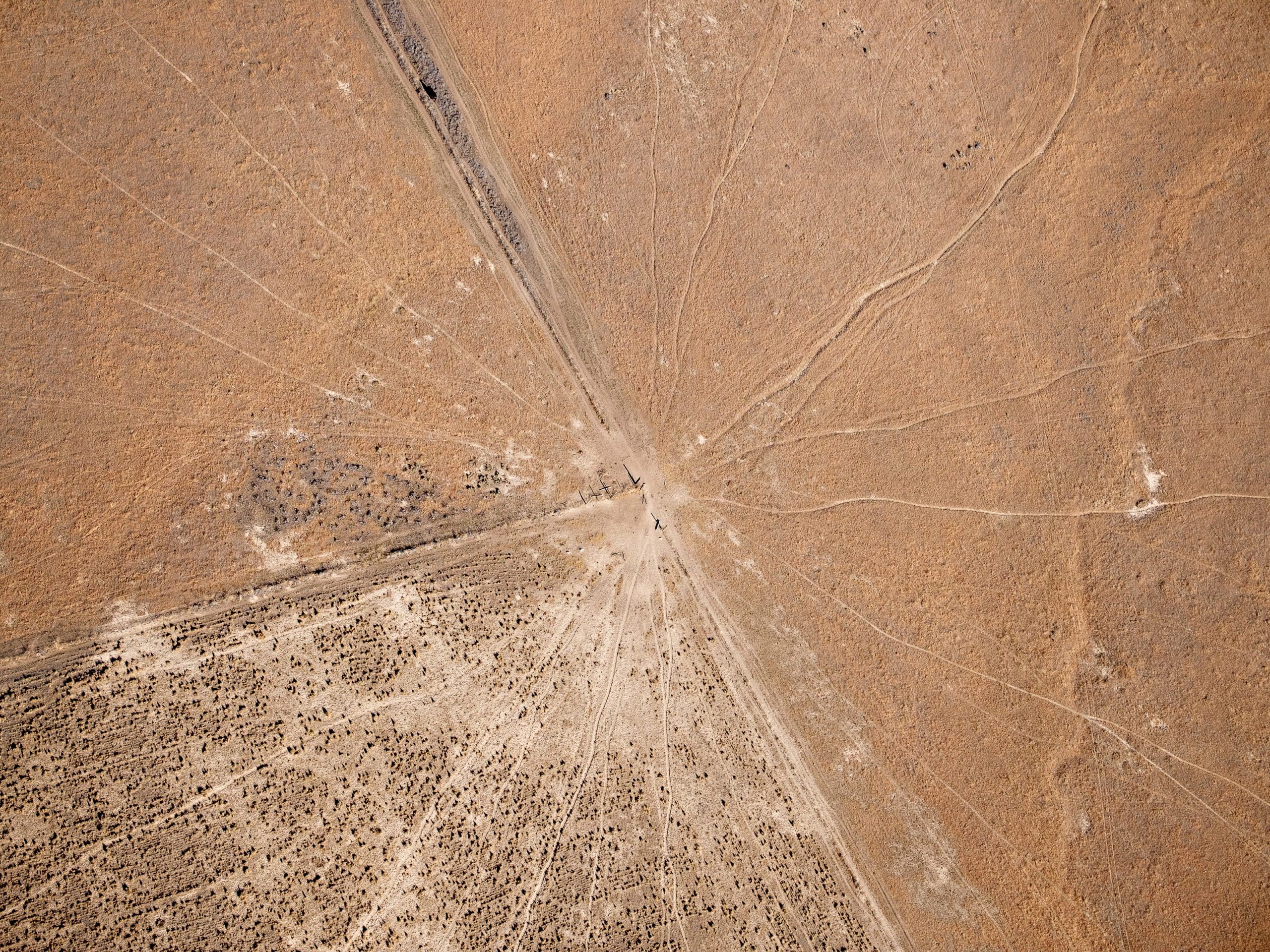
A significant shift occurred in 2014 when Congress enacted a provision mandating that these agencies automatically renew grazing permits for another decade if they fail to complete their mandatory reviews within the stipulated timeframe. This legislative exemption, intended by some to streamline administrative processes and support the long-standing ranching industry, has inadvertently created a significant loophole, drastically reducing the frequency and depth of environmental assessments for millions of acres of public land.
The consequences of this reduced oversight are starkly evident in agency data. An analysis of BLM records revealed that in 2013, the agency authorized grazing on 47% of its eligible lands without conducting an environmental review. A decade later, this figure had climbed to approximately 75%, indicating a substantial decline in the agency’s ability or willingness to scrutinize the environmental effects of livestock operations. Similarly, studies by the Western Watersheds Project have documented a steep decrease in environmental reviews for grazing lands managed by the Forest Service.
This erosion of oversight is inextricably linked to a precipitous decline in the number of federal employees tasked with conducting these vital reviews and broader land-health assessments. These assessments are comprehensive evaluations of large parcels of land, informing decisions about permit modifications necessary to safeguard water quality, soil stability, native vegetation, and wildlife habitat. According to data from the Office of Personnel Management, the BLM’s rangeland management staff experienced a 39% reduction between 2020 and 2024. Compounding this issue, agency records indicate that approximately one in ten rangeland staffers departed the agency between the November 2020 election and June of the following year, a trend that some attribute to political pressures and a perceived lack of support from the Trump administration for career civil servants in these roles.

When agency staff are unable to adequately monitor public lands, the potential for environmental harm escalates. Livestock may stray into areas where grazing is prohibited, exceed permitted stocking rates, or remain on the land for longer durations than authorized. Such instances of overgrazing can have cascading negative effects: invasive plant species can spread rapidly, outcompeting native flora and increasing the risk of catastrophic wildfires. The removal of vegetation near waterways can lead to increased soil erosion, silting up rivers and streams and destroying critical nursery grounds for fish populations. Furthermore, without sufficient staff to amend permits and adjust stocking levels, agencies lose valuable opportunities to reduce the overall number of animals on allotments, thereby limiting the emission of potent greenhouse gases like methane, which is produced by livestock.
Once a permit is renewed, whether through a thorough review or an automatic extension, rectifying environmental damage becomes a far more complex and protracted process, often extending for another ten years. The implications of this extended period of unchecked grazing can be severe for fragile Western landscapes.
Interviews with ten current and former BLM rangeland management employees revealed a pervasive sentiment of pressure to accommodate ranchers, often at the expense of environmental integrity. These staffers, many speaking anonymously to protect their current employment, described instances of downplaying environmental harm in permit reviews and land-health assessments. "Sometimes the truth was spoken, but, more often than not, it was not the truth," one BLM employee stated regarding the agency’s oversight practices. In response, an agency spokesperson affirmed the BLM’s commitment to "transparency, sound science, and public participation" in its administration of grazing permits and regulatory considerations.

The Trump administration implemented a policy shift that placed the approval of all BLM contracts and agreements of value under the purview of political appointees, rather than career civil servants. Furthermore, recent months have seen significant funding cuts to crucial programs, including an application designed to assist ranchers in collecting soil and vegetation data for permit applications, support for contractors who manage data informing grazing permits, funding for farmers growing restoration seeds in New Mexico, and soil research initiatives in the Southwest. BLM records obtained by investigative journalists indicate these cancellations were justified with statements such as, "Does not believe this action is needed to meet the administration priorities." The Forest Service did not respond to requests for comment, and the White House referred questions to the U.S. Department of Agriculture, which issued a statement highlighting ranching as a "multi-generation practice that serves to keep working landscapes intact, while also preserving open space, and benefiting recreation, wildlife, and watersheds."
To illustrate the tangible consequences of this diminished oversight, investigative reporters toured federal grazing allotments in Arizona, Colorado, Montana, and Nevada, documenting evidence of unpermitted grazing or habitat degradation attributed to livestock in each state. In Arizona, specifically, concerning issues were observed in national conservation areas, a national monument, and a national forest.
One such site, within the Las Cienegas National Conservation Area southeast of Tucson, allows up to 1,500 head of cattle to graze across approximately 35,000 acres. These permits were recently reauthorized until 2035, utilizing the exemption that bypasses environmental reviews. During a late April visit, a riparian area with cottonwood trees, a vital habitat for numerous bird species, amphibians, reptiles, and even ocelots, and designated critical habitat for five threatened or endangered species, showed clear signs of livestock intrusion. A barbed-wire fence intended to exclude cattle from a creekbed lay broken and disregarded. A leopard frog, attempting to escape the heat, launched itself from the hardened mud imprint of a cow hoof, landing in water visibly fouled by animal feces and the remains of a deceased cow. Several cattle were observed actively entering the creek, trampling vegetation that stabilizes the soil and contributing to sediment runoff into the water.

"Looks like a sewer," remarked Chris Bugbee, a wildlife ecologist with the Center for Biological Diversity, observing the scene, adding, "This one hurts. There is no excuse." Despite these evident impacts, a 2024 BLM land-health assessment for this specific allotment declared "ALL STANDARDS MET." While a camouflaged trail camera bearing the BLM insignia was positioned near the creek, a public records request for its data has yet to be fulfilled. BLM data indicated that no ranchers paid to graze livestock in this particular allotment last year, making the ownership of the cattle in question unclear. The Arizona Cattle Growers’ Association did not respond to requests for comment.
Bugbee’s team has spent eight years surveying grazing impacts on streams and rivers in the Southwest designated as critical habitat under the Endangered Species Act. Their March report found that half of the 2,400 miles of inspected streams exhibited "significant damage from livestock grazing."
Conversely, the livestock industry argues that cattle presence can offer ecological benefits. Proponents point to research suggesting that grazing can enhance soil’s capacity to sequester carbon dioxide and, when properly managed, can improve habitat health and biodiversity. Frank Shirts Jr., who operates one of the largest sheep outfits on Forest Service land, emphasized that sheep effectively manage invasive weeds and brush, thereby creating crucial firebreaks. "These animals are fantastic," he stated.

Dr. Retta Bruegger, a range ecologist at Colorado State University, explained that certain ecosystems, particularly those with higher precipitation, can sustain more intensive grazing. In landscapes where flora evolved alongside large herbivores, livestock can fulfill "a very important ecosystem function." Bruegger advocated for focusing on the performance of individual producers rather than a blanket prohibition on grazing, stating, "We should be asking, ‘Are there individual producers who need to be doing a better job?’ instead of asking, ‘Should there be grazing or no grazing?’" However, she underscored that addressing these questions effectively necessitates adequate staffing for land monitoring.
The history of federal grazing regulation reveals a complex evolution. Following decades of intensive grazing that led to widespread degradation of public lands, a 1974 court ruling mandated that grazing permits be subject to environmental reviews. This was further codified by a law passed two years later requiring these reviews every ten years. Over time, a backlog of permit reviews accumulated due to insufficient agency staffing to cover the vast 240 million acres managed by the BLM and Forest Service. Beginning around 2000, Congress granted temporary approvals for agencies to bypass these reviews. Western Republican lawmakers, with the backing of the livestock industry, sought to make this a permanent fixture in law. The provision ultimately gained bipartisan support in December 2014, when it was incorporated into a crucial defense spending bill, a move now widely referred to by some conservationists as "the loophole."
Ironically, many within the livestock industry express frustration with the lack of reviews. When permits are automatically renewed without assessment, the terms and conditions remain static, preventing ranchers from adapting their practices to evolving environmental conditions or implementing more sustainable methods. Chris Jasmine, manager of biodiversity and rangelands for Nevada Gold Mines, which operates eleven ranches in northern Nevada, lamented, "It just locks people into grazing the same place, the same time, year after year."

The intended process involves teams of BLM experts—including rangeland specialists, hydrologists, botanists, soil scientists, and wildlife biologists—assessing the health of grazing allotments. These assessments are then meant to inform permit reviews. However, current staffing shortages mean that vast tracts of land are left unexamined. The BLM oversees 155 million acres of public land available for grazing, yet it has no record of completing land-health assessments for over 35 million acres, representing nearly a quarter of its total grazing acreage.
Where assessments have been conducted, the findings are often concerning. An analysis found that livestock grazing had degraded at least 38 million acres of BLM land, an area roughly equivalent to half the size of New Mexico. Furthermore, close to two-thirds of the land previously identified as being in good condition had not been evaluated in over a decade. The situation is exacerbated by the agency’s practice of frequently skipping permit reviews on lands already identified as being in poor condition. The analysis revealed that 82% of acreage previously found to be degraded by livestock was reauthorized for grazing without any review.
Several BLM employees reported being directed by superiors to focus their assessments on lands in better condition, while avoiding allotments in worse shape or those likely to face litigation from environmental groups or local stockmen’s associations. Automatic renewals serve to circumvent these prolonged and often contentious public disputes, as one staffer candidly admitted, "We were just using a bureaucratic loophole. We were allowing ongoing degradation of habitat." Bugbee of the Center for Biological Diversity voiced his dismay, likening degraded parcels to a "mowed lawn" and stating, "This can’t be the future of public lands."

Agency staff cited numerous factors contributing to environmental decline. For instance, following a wildfire, the BLM typically aims to keep livestock off the land for two years to allow for ecological recovery. However, Steve Ellis, a former high-ranking official with both the BLM and Forest Service, noted persistent pressure from ranchers to return to pastures earlier. "There was always pressure to get back on. That’s not a new thing. It’s just part of working for the bureau," Ellis commented.
Government support for ranchers can also inadvertently contribute to environmental damage. Land management agencies have been known to seed invasive grasses that benefit livestock, and agencies often cull predators such as wolves and cougars—species vital to ecosystem health—to protect ranchers’ economic interests. BLM employees also shared accounts of threatened and endangered species being identified in permit reviews and land-health assessments, information that would typically trigger stricter environmental controls, only for agency managers to remove this data from official reports. One staffer described these reviews as "rubber stamping," lamenting that higher-ranking officials controlling report narratives "wouldn’t let me stick anything into the official documentation that acknowledged things were in poor shape."
An additional complication arises from the practice of inviting ranchers to participate in fieldwork to assess grazing impacts. Employees stated that this collaboration often resulted in diluted reviews and assessments. However, the industry itself criticizes the assessment process, with Erin Spaur, executive vice president of the Colorado Cattlemen’s Association, describing it as an inflexible "one-size-fits-all approach" that fails to adequately account for ecological diversity. Dennis Willis, who served over three decades with the BLM, including in rangeland management, observed, "There are huge cultural problems within the agency. There’s a real fear of dealing with grazing problems."

Despite these challenges, some ranchers acknowledge the environmental footprint of their industry. They argue, however, that increased flexibility, rather than more stringent oversight, would empower them to become better land stewards. Chris Jasmine, manager of biodiversity and rangelands for Nevada Gold Mines, believes that responsible ranching is achievable. He highlighted the recovery of Maggie Creek in Nevada, a tributary to the Humboldt River, attributing its resurgence in the 1990s to changes in herd rotation that allowed the streambed more rest. Jasmine credited a BLM biologist for initiating many of these restorative projects, emphasizing, "It’s a renewable resource. That grass that they’re eating right now will come back next year and the year after that if managed properly. It’s about not eating the same plants in the same place year after year after year." Nevada Gold Mines, a venture with substantial financial backing, operates in a different economic sphere than most smaller ranchers, affording them the capacity for longer recovery periods for the land. Smaller operations, facing tighter profit margins, often find it economically advantageous to graze on federal lands, where costs are significantly lower than on state or private property.
For years, some politicians and environmental organizations have proposed incentivizing ranchers to voluntarily retire their grazing permits for degraded or sensitive habitats, transforming these areas into protected wildlife reserves. While some ranchers have accepted these buyouts, the industry as a whole remains hesitant to relinquish grazing permits. In October, U.S. Representative Adam Smith (D-Wash.) introduced legislation to further support voluntary permit retirement, characterizing it as "a pragmatic solution that supports local economies, protects biodiversity, and saves taxpayer dollars by reducing the cost of administering grazing programs."
Louis Wertz, a spokesperson for the Western Landowners Alliance, noted that conservation-minded ranchers within his group aspire to maintain their businesses while residing in "a place that is vibrant, full of life, provides clean water, has clean air." However, he cautioned that the simultaneous pursuit of affordable food production alongside stringent environmental standards is often untenable. "Over the last 150 years in the United States, we have chosen cheapness at the expense of environmental quality," Wertz stated. He echoed the concerns of many ranchers and environmentalists, emphasizing that adequate agency staffing is crucial for both accountability and the flexibility needed for producers to thrive economically while implementing sound ecological practices.