Johny Prima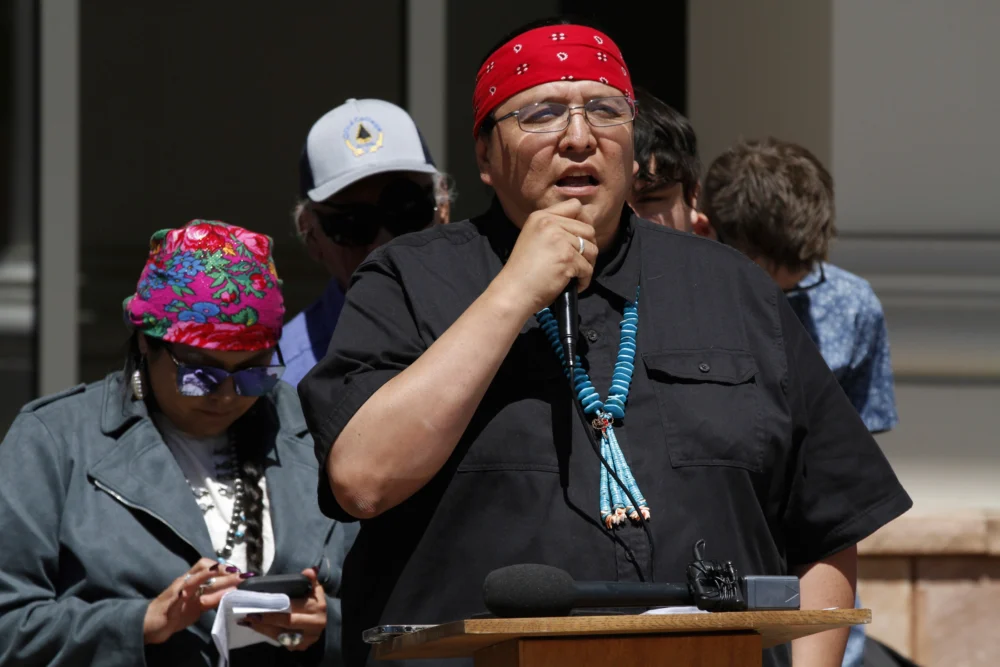
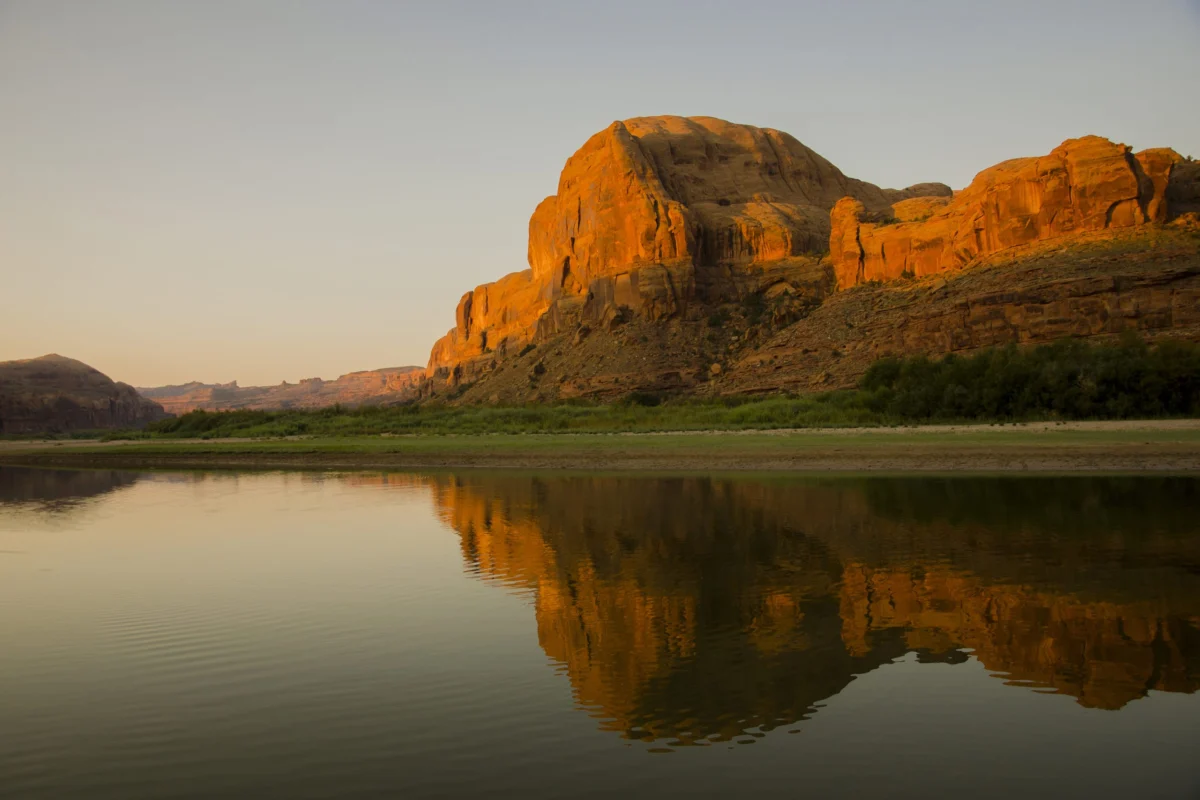
Mario Atencio, a proud member of the Diné (Navajo) Nation, once cherished the idyllic memories of his grandmother’s home in Counselor, New Mexico, a tranquil haven where a "simple Navajo lifestyle" flourished amidst lush green landscapes and dozens of animals. This cherished property, nestled within the culturally profound Greater Chaco Landscape, represented a peaceful, almost magical sanctuary, a testament to a way of life deeply intertwined with the land. The Greater Chaco Landscape, a UNESCO World Heritage site, is renowned for its ancient Puebloan ceremonial structures and astronomical alignments, holding immense spiritual and historical significance for the Diné and other Indigenous peoples, making its preservation a matter of cultural survival. However, this ancestral peace began to erode significantly in 2015, when the relentless expansion of oil and gas operations brought hydraulic fracturing, or "fracking," to the state’s ecologically sensitive northwest region. The once-serene surroundings of his grandmother’s land soon became a nexus of incessant noise from machinery, pervasive air pollution laden with volatile organic compounds and methane, and the stark reality of industrial intrusion. The environmental assault escalated dramatically in 2019, when the land and its vital underground water sources suffered catastrophic contamination from massive oil spills, unleashing thousands of gallons of toxic substances that seeped into the fragile ecosystem. The vibrant landscape, once teeming with life, withered; traditional medicinal herbs, fundamental to Diné cultural practices and well-being, ceased to grow, and the presence of rare birds and native wildlife dwindled alarmingly, leaving behind a scarred environment that directly impacted the community’s health and cultural practices.
Two years ago, Atencio took a courageous stand, becoming the lead plaintiff in Atencio v. State of New Mexico, a groundbreaking climate litigation case that now stands poised to redefine environmental responsibility in the state. The lawsuit directly challenges the New Mexico Legislature and various state agencies, accusing them of actively contributing to the degradation of the environment and disproportionately harming Indigenous communities, all while failing to uphold their fundamental constitutional duty to prevent harmful pollution. Atencio articulates the core grievance with poignant clarity: “The rights that we have as Indigenous people to free, informed, prior consent are being violated. We’ve never had people from the government come and say, ‘This is what’s going to happen to your land and water.’” This assertion underscores a profound historical injustice, highlighting the systemic disregard for Indigenous sovereignty and the principle of Free, Prior, and Informed Consent (FPIC), a cornerstone of international human rights law, particularly enshrined in the United Nations Declaration on the Rights of Indigenous Peoples (UNDRIP). The case thus frames environmental protection as an issue of both constitutional law and inherent Indigenous rights, resonating with a broader global movement for environmental justice.
After navigating the complexities of the lower courts, the Atencio lawsuit has reached a pivotal juncture, with the New Mexico Supreme Court recently agreeing to hear the case. This decision elevates the proceedings to the highest judicial authority in the state, signaling the profound legal and environmental implications at stake. Should the court rule in favor of Atencio and the plaintiffs, this landmark decision would align with other high-profile youth climate victories across the United States. Foremost among these is Held v. Montana, where young people successfully argued that Montana had violated their constitutional right to a healthy environment by failing to adequately regulate greenhouse gas emissions. This precedent-setting ruling in Montana underscored the power of state constitutional "green amendments" and the evolving legal landscape around climate accountability. Similarly, in a significant development last year, young Indigenous climate advocates in Hawai‘i secured a favorable settlement against the state’s Department of Transportation. Their case challenged the department’s continued support for highway expansion projects, which contradicted the state’s explicit directive to decarbonize its transportation sector by 2045, showcasing a growing trend of holding governmental bodies accountable for climate commitments and emissions reductions.

The escalating wave of climate litigation is a global phenomenon, with similar cases emerging in virtually every U.S. state and numerous countries worldwide, as tracked by experts like Margaret Barry at Columbia University’s Sabin Center for Climate Change Law. While successes have been scattered over the past decade, these cases collectively represent a novel and increasingly effective strategy to compel governments to address the climate crisis. Barry emphasizes that many state constitutions, unlike the federal U.S. Constitution, often include explicit provisions that establish a proactive governmental duty to protect residents’ rights, including those pertaining to a healthy environment. However, the interpretation and enforcement of these protections vary significantly across jurisdictions. For instance, in Sagoonick v. State of Alaska, a group of young plaintiffs sought to halt a liquified natural gas project, arguing that the state constitution’s protection of natural resources for the general public implicitly required a livable climate. The Alaska Supreme Court, in March, ultimately rejected this expansive interpretation, underscoring the legal challenges inherent in defining and enforcing environmental rights, particularly when balancing them against economic development interests.
New Mexico stands on firmer constitutional ground for the plaintiffs. In 1971, voters overwhelmingly adopted a constitutional amendment that explicitly mandates the state government to "provide for control of pollution and control of despoilment of the air, water and other natural resources." This powerful directive forms the bedrock of Atencio’s case, arguing that the state has demonstrably failed to fulfill these constitutionally enshrined responsibilities. Gail Evans, the lead attorney from the Center for Biological Diversity representing the plaintiffs, draws a compelling parallel: just as New Mexico has a clear duty to adequately fund and support its public schools by providing resources for teachers and curriculum development, it has an equally clear, yet neglected, obligation to control oil and gas pollution. Evans asserts that the state has "just utterly failed" to equip itself with the necessary tools and resources to safeguard public and environmental health from the fossil fuel industry, which is a major economic driver for the state but also a significant source of greenhouse gas emissions. The lawsuit meticulously details how lax enforcement mechanisms and a myriad of regulatory loopholes have allowed the industry to operate with minimal accountability, polluting the environment with little consequence, particularly in rural and Indigenous communities.
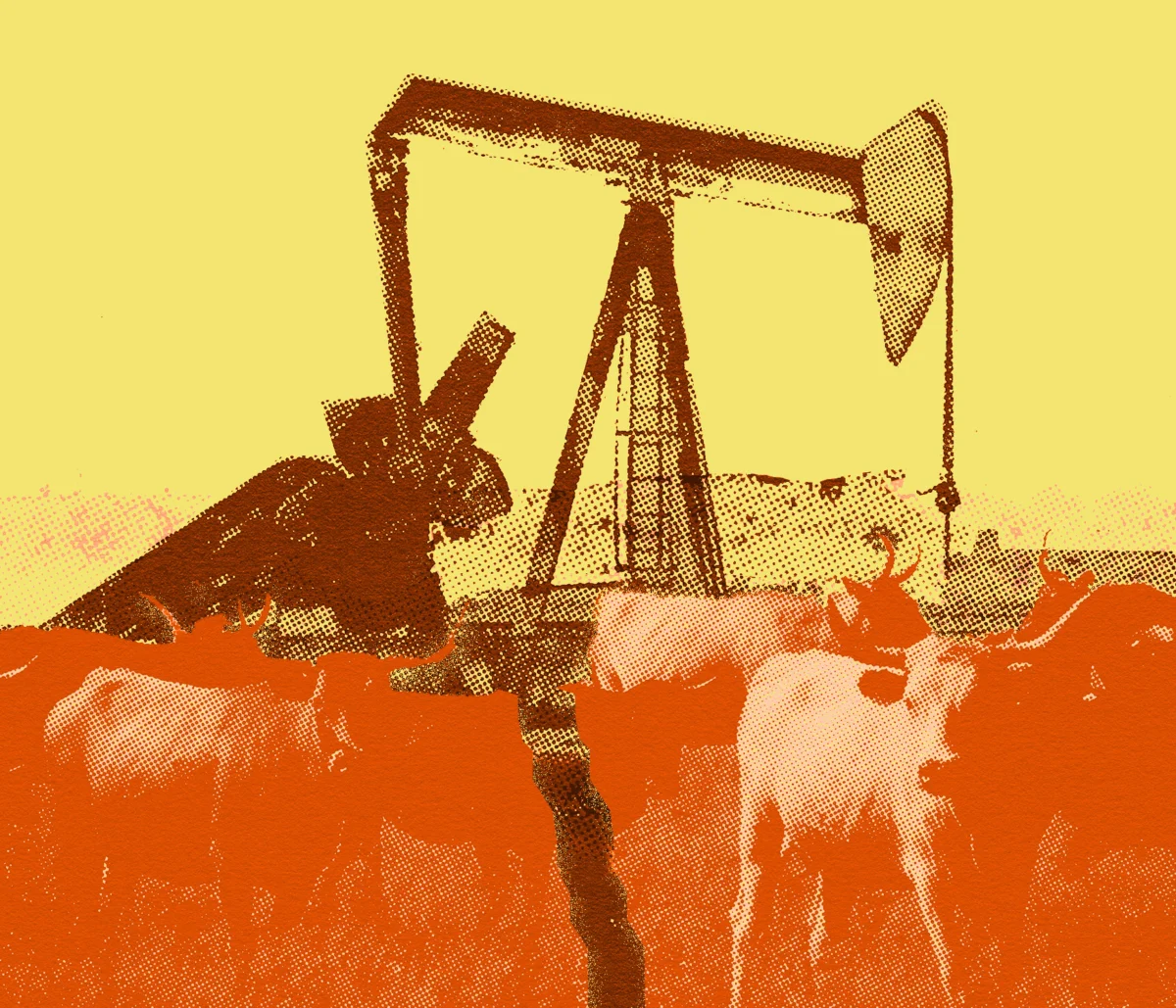
The evidence supporting these claims is stark and alarming. Data compiled by the environmental watchdog group Earthworks reveals a shocking inadequacy in regulatory oversight: in 2023, the New Mexico Environment Department employed a mere two full-time inspectors tasked with investigating complaints across an astounding 56,000 oil and gas facilities statewide. This severe understaffing effectively leaves the vast industry largely to "self-report" its emissions of harmful air pollutants and potent greenhouse gases like methane—a system critics argue is inherently prone to underreporting and non-compliance, allowing significant unchecked pollution to continue. The lawsuit further highlights this regulatory blind spot through the experience of Kendra Pinto, another Diné plaintiff, who personally documented a significant methane leak near her home, even after the Environment Department had assured her that no leaks were found following their own inspection. This anecdote powerfully illustrates the disconnect between official assurances and the lived realities of communities directly impacted by oil and gas operations. Evans further critiques the permitting process, stating, "You can get a permit to frack simply for asking. The state doesn’t do any type of environmental or public health overview or consideration before granting that permit." This permissive regulatory environment contributes directly to alarming statistics, such as ambient air quality readings in the Permian Basin—a vast geological formation stretching across New Mexico and Texas and the nation’s most prolific oilfield—consistently exceeding federal standards, even as new wells are continually permitted, exacerbating pollution levels and posing significant health risks to residents.
The potential ramifications of a favorable ruling in Atencio v. State of New Mexico are immense. New Mexico, currently the country’s second-largest fossil fuel producer, could be legally compelled to undertake substantial reforms, forcing a critical reevaluation of its energy policies and environmental safeguards. Such a decision would not only have profound implications for the state but could also set a powerful precedent for other states grappling with similar constitutional mandates and environmental challenges, particularly those with "green amendments" or explicit environmental protection clauses. However, achieving similar legal victories at the federal level remains a significantly more arduous task, as Margaret Barry notes. The U.S. Constitution is primarily designed to limit governmental power and protect civil liberties, such as free speech, rather than proactively grant rights like a healthy environment, a distinction that fundamentally alters the legal landscape for environmental advocates. This challenge was starkly evident in October, when a federal judge in Montana dismissed Lighthiser v. Trump. In this case, 22 plaintiffs, including several from the successful Held v. Montana state case, argued that the Trump administration’s executive orders, which rolled back climate protections and amplified fossil fuel production, were unconstitutional infringements on their right to a stable and healthy climate. While the judge acknowledged the undeniable harm climate change inflicted upon the plaintiffs, the ruling ultimately concluded that federal courts lacked the authority to compel the government to alter its policy course, highlighting the limitations of federal judicial intervention in such matters and underscoring the vital role of state-level constitutional protections.

For Mario Atencio, the stakes are deeply personal and rooted in the hope for restorative justice and a sustainable future for his people. He envisions a future where a favorable Supreme Court ruling forces the state to meticulously document the adverse effects of oil and gas pollution on the health of Indigenous communities and the integrity of their sacred lands. Crucially, this documentation must then translate into concrete, protective actions. These actions could encompass a range of vital measures: instituting a moratorium on new oil and gas development until demonstrably reduced emissions are achieved; systematically closing the myriad legal loopholes that currently enable operators to pollute with impunity; significantly increasing funding for environmental enforcement agencies to ensure robust oversight and proactive monitoring; and establishing larger, more protective buffer zones between drilling sites and sensitive areas like homes, schools, and cultural sites. Such measures would not only alleviate immediate environmental burdens but also address the systemic issues of environmental justice that disproportionately affect frontline communities.
The industry’s predictable counter-argument, that such regulations would render them economically unviable, elicits a sharp and pertinent response from attorney Gail Evans. “What’s so shocking to me is that the industry will come forward and say, ‘If you do what the plaintiffs are asking for, you’ll put us out of business,’” Evans states. “So you can’t operate in a way that doesn’t harm people’s health and environment? Because that’s what we’re asking for.” This direct challenge encapsulates the fundamental tension at the heart of the Atencio case: the conflict between corporate profit motives and the state’s constitutional obligation to protect its citizens and natural resources. As the New Mexico Supreme Court prepares to hear this pivotal case, the outcome will not only determine the future of environmental regulation in one of the nation’s key energy-producing states but will also send a powerful message about the rights of Indigenous communities and the imperative of governmental accountability in the face of a rapidly changing climate. The world watches as New Mexico’s highest court grapples with questions of profound environmental justice, constitutional duty, and the very definition of a healthy future for its people and land.