Rocky Gerung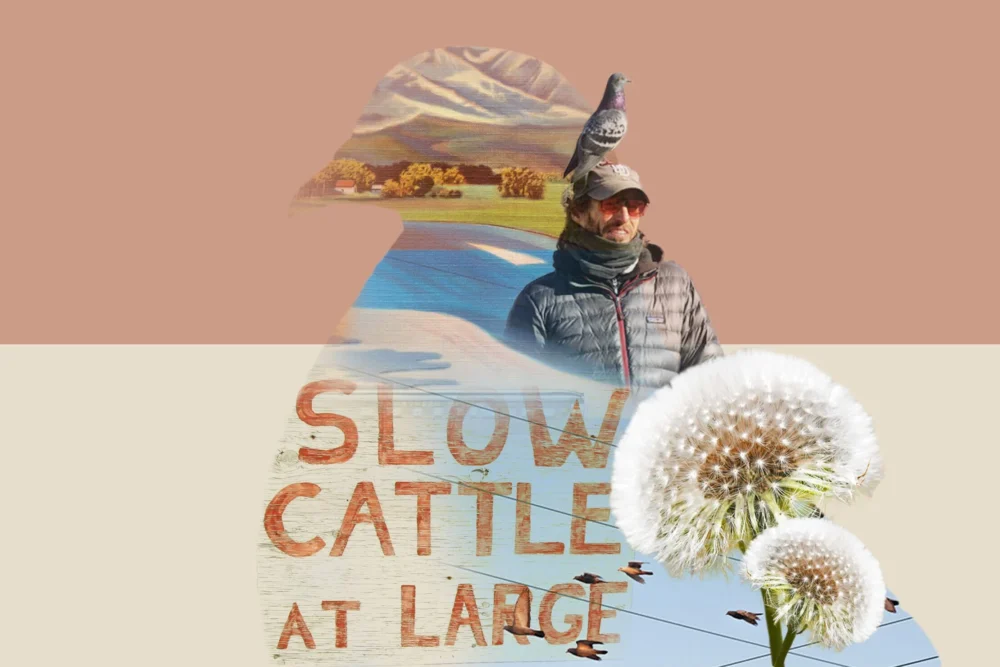
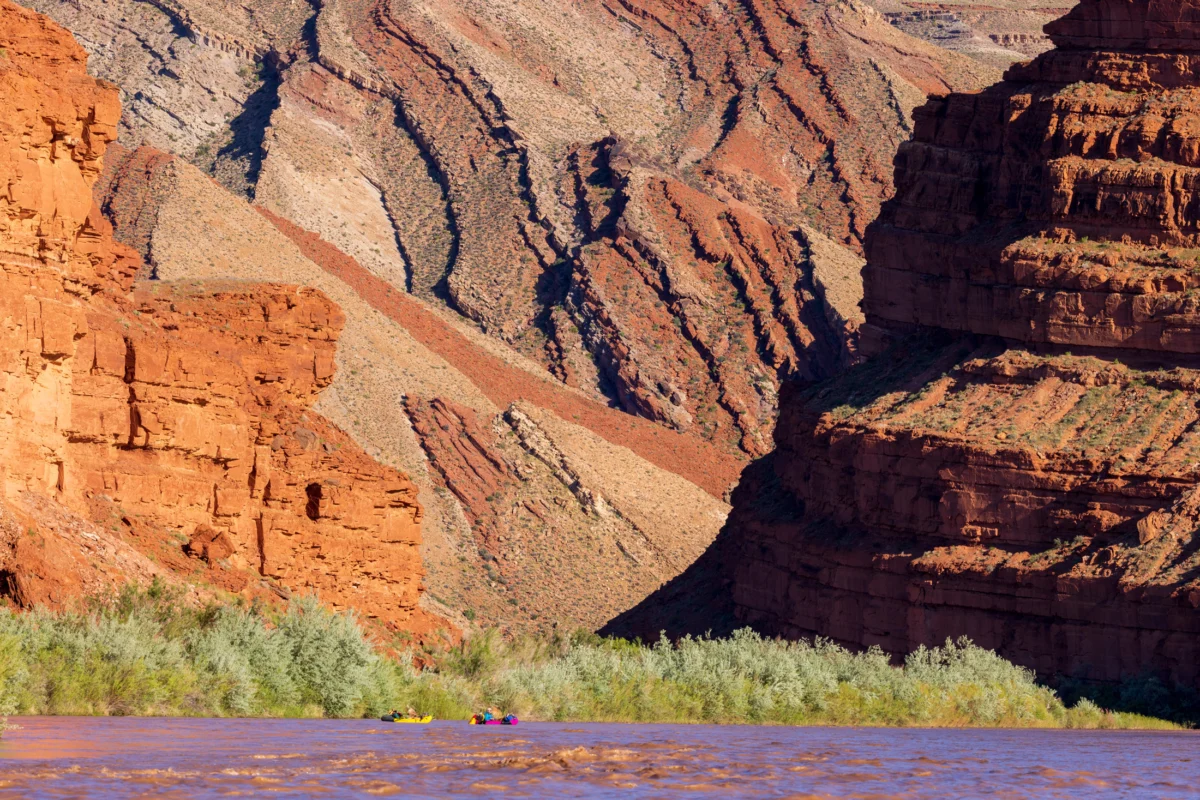
The allure of Montana first captured my imagination during my high school years, embodying a profound sense of remoteness, untamed natural beauty, and boundless adventure. In this vast Western state, I envisioned an escape from the relentless pressures of urban professional life – a place where the expectations of becoming a lawyer or banker would fade, and where I wouldn’t feel the sting of not fitting into those molds. It was a vision of solitude, yet paradoxically, a state of being alone without feeling lonely. This was the mid-1980s, a time when such pristine, unspoiled locales still seemed more accessible within the continental United States.
My first actual encounter with Montana occurred in the summer of 1997, during a road trip from Chicago. I was on a mission to find a rental property in Missoula, where I would be pursuing graduate studies. The midsummer air was remarkably clear, imbuing the sky and water with an extraordinary clarity. With every passing hillside, an irresistible urge would surface – to pull over, stop the car, and simply run up its gentle incline. It was during this period that I began to discover some of Montana’s unique idiosyncrasies. Notably, upon my arrival, there was no statewide daytime speed limit on its highways. Montana had only experienced a speed limit during the energy crisis of the 1970s, a mandate imposed by the federal government, and even then, the state had largely circumvented its strict application. While occasional speed limit signs were posted, drivers rarely adhered to them, and police officers would infrequently issue tickets. However, when a citation was issued, it wasn’t for "speeding" in the conventional sense, but rather for "wasting fuel." These tickets, regardless of the velocity achieved (unless deemed reckless driving), carried a nominal fine of just five dollars.
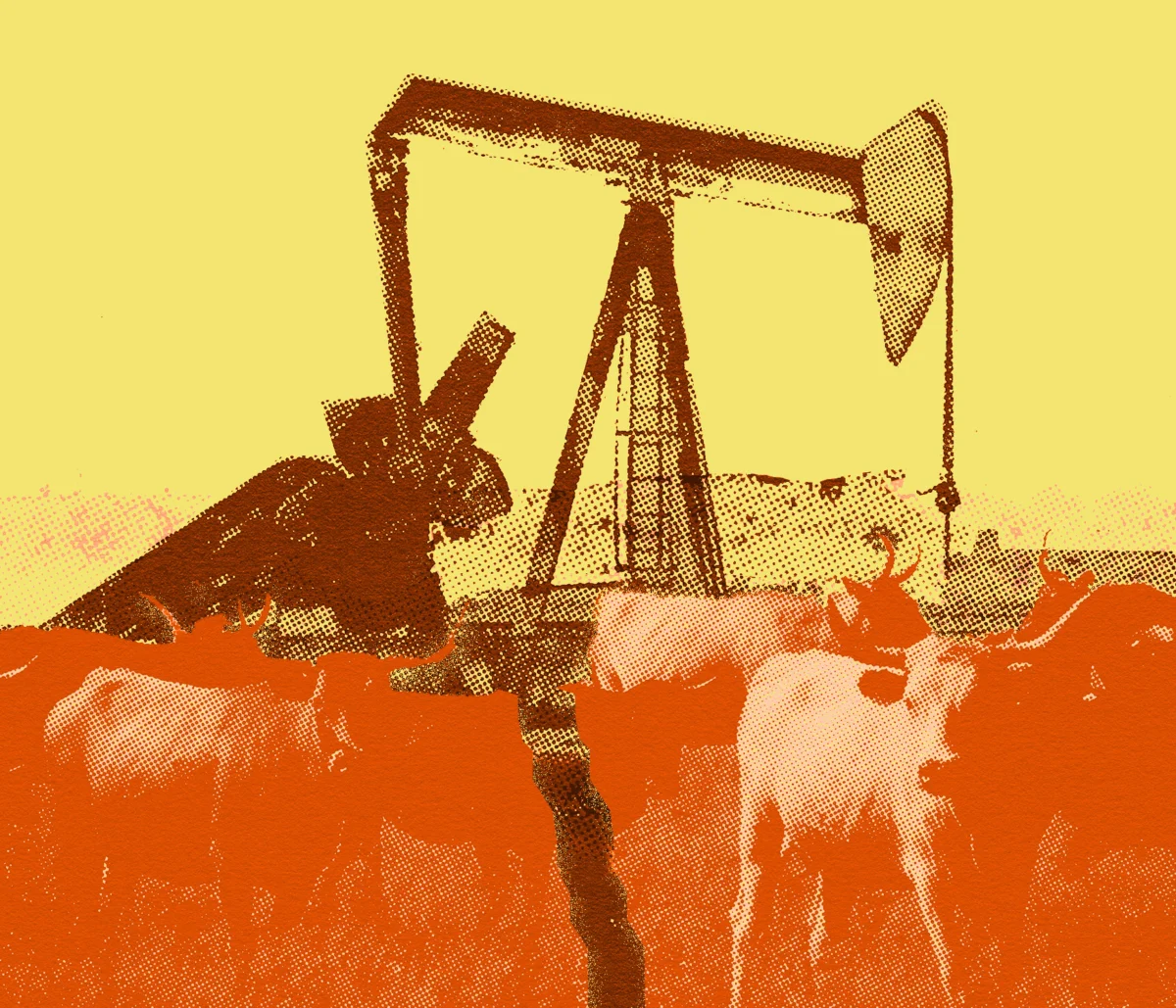
One of the early discoveries that brought a sense of whimsical delight to my experience in Missoula was the ubiquitous presence of "CATTLE AT LARGE" signs. Until that moment, the term "at large" had conjured images solely of criminals and escaped convicts in my mind. These signs, however, prompted a reevaluation of my perception of cattle. Were they merely placidly grazing creatures by the roadside, or were they harboring deeper contemplations and clandestine plans? What lay behind those large, dark, seemingly unexpressive eyes? I vividly recall one instance while driving on a remote backroad at approximately 50 miles per hour. As I rounded a bend, I encountered a "CATTLE AT LARGE" sign, a clear directive to reduce my speed. This warning proved prescient, as a substantial shadow materialized ahead – a shadow that could have easily been missed and potentially driven through had I not been alerted by the sign. The shadow resolved into a sizable cow, peacefully reclining halfway across my lane.
The phrase "at large" fundamentally signifies "with great liberty" or, more colloquially, possessing an expansive domain for roaming. This resonates deeply with the aspirations of the young characters often depicted in Bruce Springsteen’s anthems – a yearning to be unfettered and free. Montana’s "CATTLE AT LARGE" signs are a testament to this state’s vast expanses, characterized by numerous cattle and a distinct lack of fencing. These are places where one can drive for a hundred miles only to suddenly be confronted by a herd of thousand-pound animals, casually milling about the roadway with no apparent urgency to yield. This scene is not entirely dissimilar to the current state of affairs within my own home, which has become a sanctuary for numerous pigeons that are, in essence, "at large." It is a space where the boundaries between my world and the natural world have become remarkably blurred. Although I consciously left the bustling metropolis behind long ago, I now find myself situated squarely within what I have come to affectionately term "Pigeonopolis."

One particular young pigeon among the flock exhibits a distinctive spraddle-legged gait. Even as a fledgling, it was evident that maintaining its leg balance presented a considerable challenge. Its left leg consistently trailed behind, causing its hip joint to rotate backward. Initially, I attempted to tether its legs together, a strategy that proved ultimately ineffective. My subsequent approach involved acquiring specialized tags – plastic cuffs designed to fasten to the bird’s leg just below the knee. I then doubled up some yarn, knotting it to each cuff, thereby limiting the spread of its feet to prevent excessive separation and ensuring the soft yarn wouldn’t cause any discomfort to its underside.
These cuffs remained in place for several weeks, until the bird reached the juvenile stage. Upon their removal, it demonstrated an improved ability to keep both its feet relatively beneath it. However, within a few days, the affected leg reverted to its spraddled position, with the hip joint misaligned once again. Despite its physical limitations, this bird exhibits a remarkable determination to emulate a "normal" bird, a quality that has endeared it to me, making it one of my favorites. It has established its territory on the floor of my living room, strategically positioned in the wide opening that leads to the kitchen. From this vantage point, it observes me. Each time I pass by, it displays a momentary startle, yet this remains its preferred location within the house, and it steadfastly refuses to relinquish its chosen spot.
Within the hearth cabinet resides a juvenile pigeon that was brought to me by neighbors, a bird with a fractured wing. In addition, another juvenile occupies my living room; this one is the offspring of my caged female and the male "bully" pigeon who has claimed residence in a box on the porch. This porch box was initially installed last year for Two-Step, my inaugural pigeon, and his mate, V., though they never fully embraced it. The parentage of this particular juvenile is unequivocally clear, as it bears no resemblance to its mother or her established partner, but it is an exact replica of the bully pigeon. I surmise that a few months ago, I must have moved the cage onto the porch, opened its door to allow the flightless pair some supervised time in the yard, and during that interlude, the female engaged in a brief, yet consequential, liaison with the bully pigeon. Nevertheless, her partner continues to exhibit unwavering affection for her; they remain an inseparable pair, engaging in all activities together. When I release them, they amble side-by-side to the far end of the lawn, mirroring each other’s actions, whether it be pecking at dandelion leaves or simply exploring. Within the confines of their cage, they maintain a close proximity, wing pressed against wing.
This beautiful, albeit illegitimate, offspring is now navigating my living room, very much at large, actively seeking an optimal spot on the floor to settle and rest.
This immersion in avian activity serves as a welcome distraction for me, particularly as I, too, am considered "disabled" – at least according to legal definitions. This engagement also proves to be profoundly meditative and offers a significant degree of relief from my persistent headaches. At certain points throughout the day, all three of these young pigeons commence the ritual of preening their feathers, generating a rhythmic flicking sound that permeates the room. Two-Step and V. are situated in their nesting box adjacent to me, on the opposite side of the window, where they benefit from the gentle warmth radiating from the house. I have just adjusted the rod to close the blinds, which I hope will create a more nocturnal ambiance within their enclosure, encouraging them to adhere to regular avian sleep patterns. Soon, I too will succumb to sleep, and in the shared sanctuary of our dreams, we will all find a sense of safety.

Currently, I provide a home for twelve birds, all of whom are either flying or walking freely within the house. Although I have endeavored to foster a sense of wildness in them, they are gradually becoming more comfortable in my presence. My hope is that when spring arrives and I release them, they will swiftly learn to exercise caution and fear creatures that resemble me.
These birds have incrementally begun to assert their presence within my personal space. At one point last night, two were perched on the back of the couch behind me, one was nestled in a cardboard box beside me, another occupied the top of the diminutive artificial Christmas tree directly in front of me, and – due to my legs being propped on the coffee table – one was standing on my toes and then proceeded to walk up my leg. My appearance at that moment must have evoked the image of a character from a Disney animated film. Had I made a sudden movement, or even a sneeze, they would have all taken flight, precipitating an ensuing cascade of chaos and flying feathers. However, I had no compelling reason to move; I remained as still as a statue in a park, adorned by pigeons. I found myself engrossed in observing the spread of their pink toes and the peculiar, unhurried gait of the bird ascending my leg, coming so close that I could discern the subtle flecks within the golden ring encircling its eye.
Whatever brings happiness to the birds brings happiness to me. I have developed a profound affection for these creatures. I am immensely grateful that they help alleviate my sense of loneliness. I find great purpose in this role as their shepherd. My understanding of them deepens with each passing day, enabling me to behave in a manner that is more attuned to their needs, consequently reducing their apprehension in my vicinity. Most days, my interactions with birds far exceed my interactions with humans. Aside from the occasional hug or fist bump, I have not experienced physical contact with another human being in a considerable duration. Yet, I am touched by the birds when they stand upon my toes, when I gently lift the tiny fledglings to clean their enclosure, or when I offer Two-Step a bath. At times, as I pass the hours on the couch, a thought surfaces from the deeper recesses of my mind: "I am becoming a bird." Perhaps in the near future, I will begin to comprehend the subtle nuances of avian communication. It is conceivable that I will greet each day with contented, pleasant "chukking" sounds directed towards a companion I have somehow found, and later, as the sun reaches its zenith, we will ascend together, soaring above the treetops, gazing out over the undulating green hills of Montana.