Roger Danuarta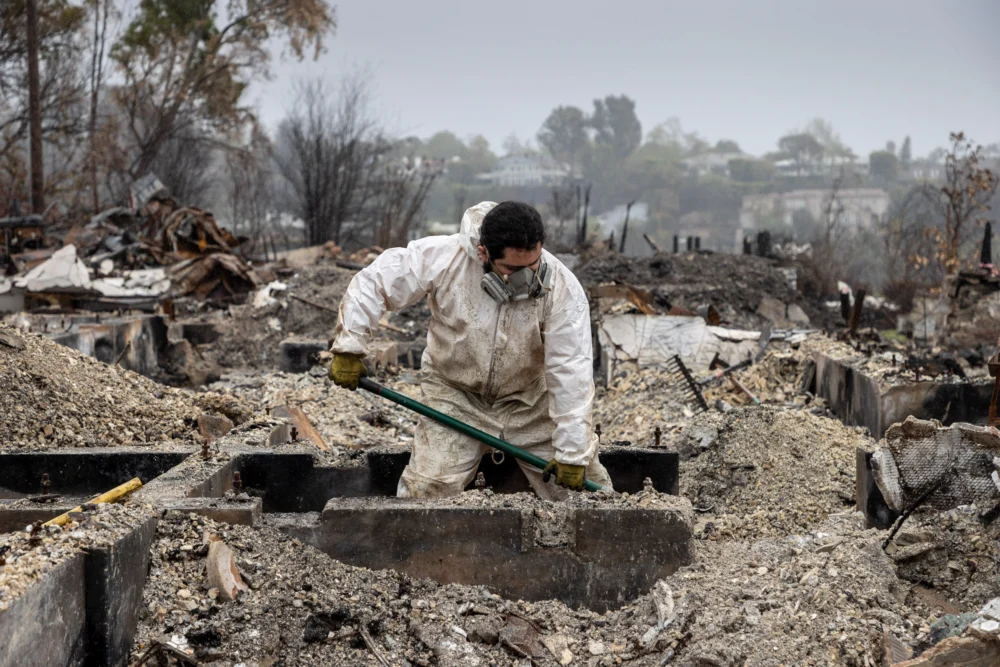
The chill of early March 2025 hung heavy over the Pacific Palisades, a blue-green mist coiling around the chaparral foothills of the Santa Monica Mountains like tendrils of lingering smoke. A month after the last embers of the devastating Palisades Fire had been extinguished, the air still carried the acrid scent of ozone and scorched chemicals, a palpable reminder of the catastrophe that had swept through this affluent Los Angeles community. Navigating the National Guard checkpoint at Amalfi Drive and Sunset Boulevard felt like an eerie passage, a descent into a landscape profoundly altered. The sheer scale of destruction was almost incomprehensible, a grim tableau of former mansions now standing as teetering, abstract sculptures of ash and twisted metal. This local tragedy mirrored a broader, increasingly frequent global crisis, as communities worldwide confront the escalating intensity and destructive power of wildfires fueled by a changing climate.

The Palisades Fire, ignited on January 7, 2025, by an unextinguished arson fire that later rekindled, had raged ferociously for 24 days. Propelled by powerful seasonal Santa Ana winds, it tore through 37 square miles, incinerating or severely damaging an estimated 8,000 structures and claiming 12 lives. Its destructive path stretched from the Santa Monica Mountains’ wildland-urban interface, a zone where human development encroaches on natural areas, all the way to Malibu Beach. Simultaneously, the Eaton Fire ravaged other parts of Los Angeles, including Altadena, leaving behind similar scenes of atom-bomb-like devastation. The immediate aftermath presented a monumental challenge: clearing a million tons of toxic ash and debris, a task spearheaded by the U.S. Army Corps of Engineers’ Phase-2 debris removal operation.

This gargantuan undertaking relied on the tireless efforts of thousands of workers, many of whom were immigrants, forming a critical, yet often unseen, backbone of the recovery. These crews, employed through a complex network of private contractors, descended upon the burn zone, equipped with everything from heavy excavators to consumer-grade gardening tools. Their mission was meticulous: to shovel toxic ash, laden with hazardous materials like asbestos, heavy metals, and various carcinogens from burned plastics and construction materials, out of every crevice of every damaged foundation. Once hand-piled, the debris was then scraped up by excavators and loaded into a continuous stream of haul trucks bound for landfills and salvage yards spread across the vast Los Angeles Basin, including sites in Calabasas, Corona, Granada Hills, Long Beach, Los Angeles, Oxnard, Simi Valley, Sun Valley, and Sylmar.

Among these dedicated workers was Brayan, an excavator operator from Wilmington, a close-knit industrial community near the Port of Los Angeles. Dressed in a white hazmat suit and respirator, a necessary precaution against the insidious airborne toxins, he paused his work on Villa View Drive. "It feels like a responsibility," Brayan shared, pulling aside his respirator. "We’re helping the city heal." When asked about the health risks associated with his work in the burn zone, a place where long-term exposure could lead to serious respiratory illnesses and other chronic conditions, Brayan reflected on "the little things." He spoke not of the physical dangers, but of the profound psychic weight of witnessing and toiling amidst the ruins of lives shattered, homes lost, and futures irrevocably altered. This emotional burden, the lingering grief and anticipatory dread of future climate disasters, often leaves deeper, more invisible scars than the physical landscape itself.

The narrator, a firsthand observer of this immense undertaking, frequently traversed the burn zone in the months that followed, encountering dozens of men like Brayan. These workers, predominantly from immigrant communities, often carried the dual burden of physically demanding and hazardous labor alongside anxieties about their own precarious status. Luis, one of the first demolition workers to arrive, recounted seeing the fire on television and thinking, "This is crazy." But the reality of the devastation, he explained, was far more sickening. "Then I had to get to work," he said, encapsulating the relentless drive of those committed to the cleanup. "It’s hard to see these people lose everything," Luis added, highlighting the empathy felt by those tasked with dismantling the remnants of others’ lives.

The vulnerability of this essential workforce was starkly highlighted by Reynaldo, a job site foreman on Toyopa Drive. In July 2025, Reynaldo was forced to halt work when family members of one of his crew were swept up in a notorious ICE raid at an agricultural operation in Camarillo, an incident that tragically resulted in the death of farmworker Jaime Alanis Garcia and the detention of 200 others. "These guys have been dealing with this for years, bro," Reynaldo emphasized, fiercely defending his crew. "They’re not criminals. They don’t have any probation or parole going on. These guys work, just dedicate to their family, working and providing." This incident underscored the systemic pressures faced by immigrant communities, who often perform critical, dangerous jobs in disaster recovery while simultaneously navigating the constant threat of deportation and persecution.

The risks extended beyond immigration status. Miguel, recently arrived in Los Angeles from Michoacán, was found breaking bricks apart and stacking them for potential reuse on Alma Real Drive. He had been hired directly by a property owner from an informal hiring site like Home Depot, one of the few hundred "opt-out" owners who chose private remediation over the Army Corps’ free program. Unlike the contracted workers who were ostensibly provided with mandated safety equipment and training, men like Miguel often worked without adequate protection from the severe physical and environmental hazards of the burn zone, exposing them to potentially life-threatening conditions. Early in the operation, particularly in areas difficult to access with heavy machinery, workers like Ernesto carried ash and debris by hand, navigating treacherous terrain with only 5-gallon buckets and wheelbarrows, a testament to the sheer physical toll of the work. Angel, working on Berea Place, exemplified the dedication to overtime, often laboring for weeks without a single day off, despite the grueling and hazardous nature of his duties.

By mid-July 2025, approximately six months after the fire’s eruption, most properties that had opted into the Army Corps’ program were cleared. However, the process was not without its challenges; between February and May, the Army Corps received 350 complaints from homeowners regarding the quality or thoroughness of the cleanup work, reflecting the immense logistical complexity and unevenness inherent in such a vast operation. Demolition and cleanup crews, like Isidro’s on Lachman Lane, often moved in seemingly random patterns across the burn zone, adding to residents’ anxieties about equitable recovery.

In the surreal post-fire landscape, certain objects endured: chimneys, swimming pools, charred car frames, resilient tree trunks, scraps of stone walls, barbecue grills, and, remarkably, garden statues, standing like silent sentinels amidst the ash and rubble. These remnants served as poignant markers of what was lost and what, against all odds, survived. The cleanup efforts, while monumental, represent only the initial phase of a protracted recovery. The long-term impacts on the sensitive ecosystems of the Santa Monica Mountains remain unquantified, encompassing soil contamination, water quality issues, and the complex process of ecological restoration. For the residents, the journey to rebuild is fraught with insurance complexities, permitting hurdles, and the profound psychological burden of starting anew.

As the physical debris receded, replaced by tidy piles awaiting final removal, the deeper questions lingered. Had too much been asked of these vulnerable workers in service of one of the city’s wealthiest neighborhoods? What indelible scars, both physical and psychological, would they carry from this arduous labor back into their own lives? The Palisades Fire, much like countless other wildfires ravaging communities globally, served as a stark, undeniable symbol of the intensifying climate crisis. It highlighted not only the catastrophic destruction of natural disasters but also the profound socio-economic disparities woven into the fabric of disaster response and recovery, leaving behind a world that is not just physically scarred, but also grappling with the enduring grief and anticipatory dread of a future defined by environmental uncertainty.