Roger Danuarta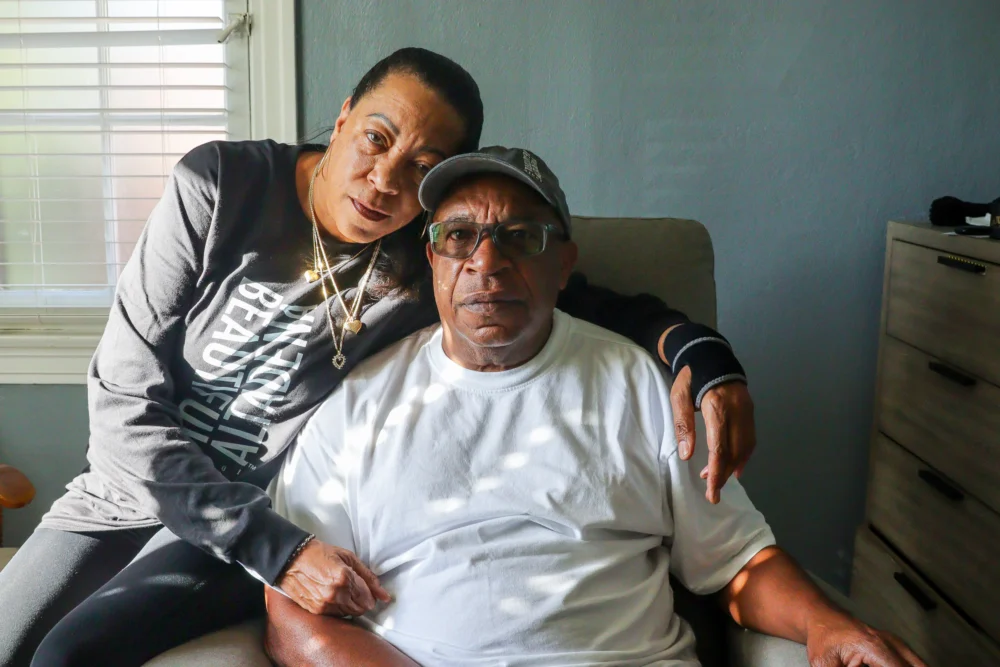
The once-verdant slopes of Altadena, a historic sanctuary nestled beneath the San Gabriel Mountains, now present a stark tableau of loss, where the absence of a once-dense tree canopy exposes not only the Los Angeles skyline but also the enduring inequities embedded within disaster recovery. Adonis Jones, a lifelong resident, recounts a childhood defined by the thick embrace of ancient oaks and towering pines, their shade guarding winding trails that echoed with the legacy of Black cowboys. Today, standing on the barren plot where his future master bedroom will rise, he possesses an unobstructed, yet profoundly unsettling, panoramic view of downtown Los Angeles. "You can look down on the city now because there ain’t no trees," he remarked just days before marking his first New Year’s away from the home that had anchored him for decades, a sentiment heavy with both factual observation and a profound sense of violation.
Before the devastating Eaton Fire, Altadena boasted the fifth-highest tree canopy coverage among Los Angeles County’s 584 ZIP codes, a defining characteristic that drew families seeking respite from urban sprawl. This arboreal abundance was more than aesthetic; it created a unique microclimate, fostering a sense of community and providing essential ecological benefits. The sprawling canopies offered natural cooling, crucial air quality improvement, and a vital habitat for local wildlife, while the shaded streets invited impromptu gatherings and casual conversations among neighbors. Following the blaze, the community has seen at least half of its mature trees vanish, with local arborists expressing grave concerns that the destruction may yet continue, fundamentally altering the environmental fabric of the region for generations.
For many Black families who migrated to Los Angeles from the Jim Crow South, Altadena represented a haven, its leafy, almost-rural atmosphere a comforting echo of their heritage, a stark contrast to the burgeoning, often smog-choked concrete landscape of urban LA. The shaded lanes and abundant greenery fostered an informal social infrastructure, encouraging residents to connect, share news, and build bonds over passing conversations. With the trees gone, this vital, unwritten social contract has eroded, leaving behind not just physical emptiness but a palpable void in community cohesion. "With the trees gone, so is the informal infrastructure that protected the community and bound it together," Jones observed, highlighting the intricate link between natural environment and social capital.
The year following the Eaton Fire has mapped a disquieting pattern of inequity in recovery. Research conducted by UCLA unequivocally demonstrates that Black homeowners in Altadena were not only the most likely demographic to lose their homes in the inferno but also face the steepest uphill battle in the arduous journey of rebuilding. They hold the lowest number of approved permits, their properties disproportionately represented among the empty, charred lots that dot the landscape, awaiting a future that remains frustratingly out of reach. This disparity underscores a global challenge in post-disaster scenarios, where existing socioeconomic inequalities are often exacerbated, making recovery a privilege rather than a universal right.
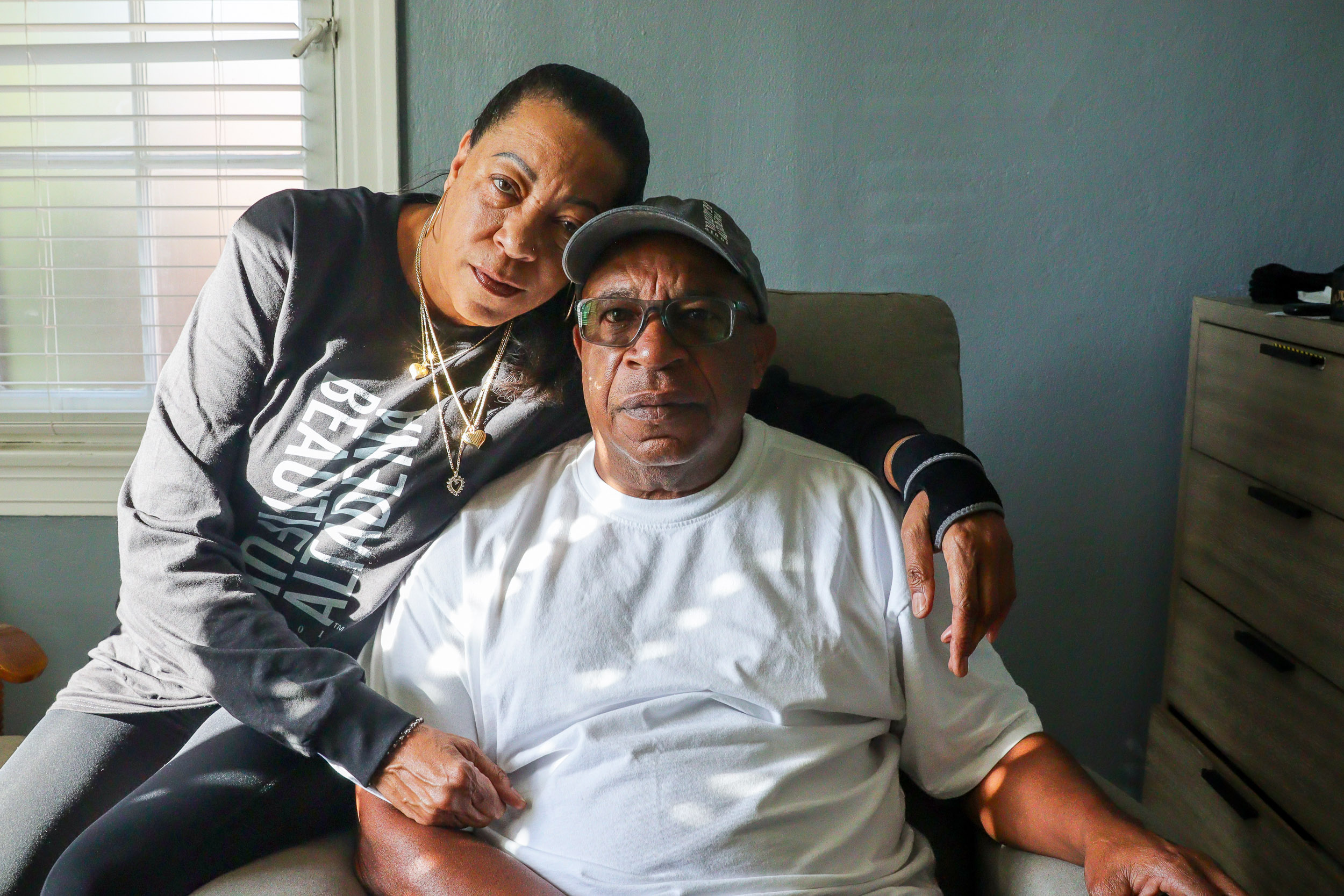
For Adonis Jones, now 67, a stroll through his once-familiar neighborhood now brings a bittersweet pang of envy alongside the enduring hope. Up the street, a neighbor’s roof takes shape with remarkable speed; across the way, a foundation has already been poured. Yet, his own property, where he had built 55 years of memories, remains a chain-link fence enclosing an expanse of dirt, untouched since the debris was cleared. "It is like I’m stuck in a forever Christmas Eve," Jones lamented, describing a daily ritual of waking with the hopeful anticipation of a text confirming permit approval. "You go to sleep, and then hopefully Santa got what you put on the list." But for the Jones family, that much-awaited gift has remained elusive.

After weeks of agonizing waiting, the family discovered the reason for the disheartening silence: their applications had never even reached the correct department, a bureaucratic misstep that cost them precious months. More than half a year after their lot was cleared, the painstaking process had to begin anew, highlighting the systemic inefficiencies and administrative labyrinths that disproportionately impact vulnerable populations in the wake of disaster. "This mix of hope and hurdles shows recovery is still fragile," commented Gabriella Carmona, one of the UCLA researchers studying the Altadena recovery, her words resonating with the precarious situation many residents find themselves in.
This fragility is not merely an abstract concept; it is starkly etched across Altadena’s physical and social landscape. Historical redlining practices, a discriminatory housing policy from the mid-20th century, systematically channeled Black families into specific areas of Altadena that, ironically, proved most vulnerable to the fire’s destructive path. Compounding this historical injustice, a series of critical failures during the fire’s progression led to these very areas receiving evacuation orders last, further endangering residents and their properties. Moreover, data reveals that Black and Latino households were more than twice as likely as their white counterparts to lack adequate insurance coverage, a critical financial buffer against catastrophic loss. These intersecting factors create a perfect storm of vulnerability, making "targeted support… needed to help families return home," as Carmona emphasized.
The very character of Altadena is undergoing a dramatic transformation. The modest, single-story homes that once housed generations of Black history and sustained the community’s unique identity are being systematically replaced by towering, modern two-story structures that loom over the now sterile, sun-baked landscape. While permit applications mandate the planting of new trees, most residents, including the Jones family, are opting for saplings – slender, nascent trees that will require a generation or more to attain the majestic height and cooling shade of the oaks and pines that were lost. Jones, with a wry humor tinged with resignation, joked about not "about to spend money on fully grown trees," before pondering aloud whether he or his neighbors would even live long enough to sit beneath the branches they are now obligated to plant.

This demographic reality is a crucial factor in the uneven recovery. Black homeowners in Altadena tend to skew older, rendering them particularly susceptible to the devastating impacts of underinsurance, the predatory practices of opportunistic buyers seeking to capitalize on misfortune, and the sheer, exhausting multi-year undertaking required to navigate complex rebuilds. The market for fire-damaged properties has, alarmingly, seen a significant influx of investors, further threatening the displacement of long-term residents and accelerating the process of gentrification, often termed "climate gentrification," where climate-induced disasters pave the way for wealthier newcomers. "I don’t know if I’ll be living when that tree happens to grow at full strength," Jones mused, articulating the profound intergenerational disconnect between the immediate necessity of rebuilding and the slow, deliberate pace of ecological restoration.
The loss for the Jones family transcends the tangible destruction of their home; it has profoundly altered their perception of the world. The fire has shattered the deeply held assumption that a lifetime spent in one place guarantees stability or control over one’s destiny. Every brick laid, every permit sought, every decision made in the rebuilding process is shadowed by a haunting question: What if another disaster strikes, and everything resets to zero again? This psychological burden, a form of climate trauma, is a growing concern for communities repeatedly impacted by extreme weather events globally.
Adonis Jones, a beloved figure who spent 42 years coaching football in the community, still frequently encounters former players and neighbors at the local grocery store or gas station. These casual interactions, once lighthearted, now almost invariably pivot back to the fire and the lingering emptiness of his lot, a constant reminder of the collective wound. His wife, Denise, chose to have her diamond ring, mangled by the fire’s intense heat, refurbished. Yet, she deliberately preserved a small, permanent hole in the band, a tangible flaw she carries as a daily reminder. It symbolizes, much like the familiar, questioning glances from Jones’s friends, that they must learn to live with what the fire irrevocably took and did not give back.

Despite the monumental challenges and the ever-present specter of loss, the Jones family persists. They continue to show up for lunch with their daughter, Rochele; they learn new ways to cultivate plants in their rental home, a small act of reclaiming normalcy; they hit golf balls with friends on the fairway, embracing moments of joy. Watching how this devastating fire has landed unevenly, exposing and widening societal fissures, they have arrived at a simple, yet profound, decision, distilled from a year of standing vigil over a dirt lot and a lifetime of witnessing others confront their own disasters: "Don’t take life for granted." The trees will take their time to grow, slowly reclaiming the once-lush landscape. So too, will the family, holding onto the hope that some future generation will one day sit beneath the shade of those newly planted trees, talking about the news, a neighbor’s dog, or simply a bad day, just as people once did when Altadena, a true Black oasis, disappeared beneath the comforting embrace of its magnificent trees.