Roger Danuarta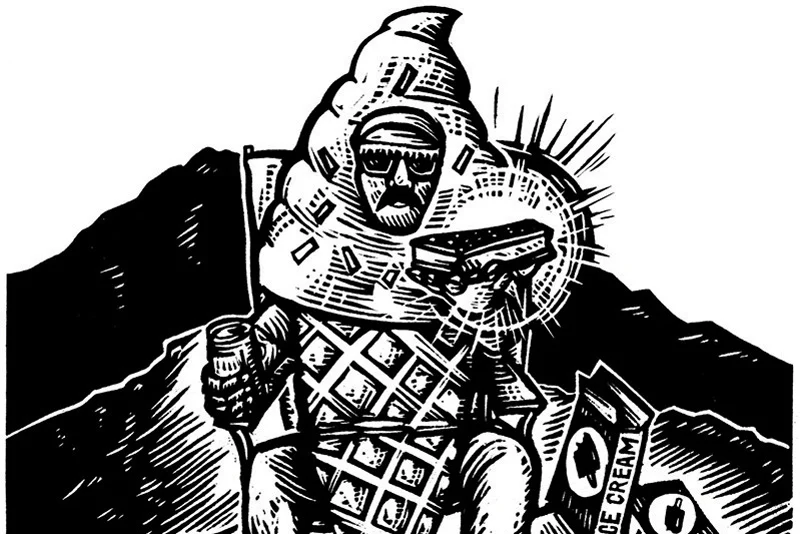
High above the timberline, on the rugged slopes of Colorado’s majestic fourteeners, an anonymous benefactor recently created a legend by delivering an unexpected treat to weary hikers. Labor Day weekend saw adventurers ascending Huron Peak, a formidable 14,000-foot summit in the Sawatch Range, only to discover a cache of ice cream sandwiches awaiting them near the top. This remarkable act of trail magic, involving the arduous ascent of 60 pounds of frozen delights and dry ice, quickly earned the unknown individual the moniker "Legend Dairy" within the tight-knit community of Colorado’s "14er" enthusiasts. The state boasts 58 peaks exceeding 14,000 feet, each presenting a significant physical and mental challenge, attracting thousands of hikers annually seeking both personal accomplishment and the unparalleled vistas offered by these high-altitude environments. The sheer effort required to transport such a load, battling thin air and steep terrain, underscores a profound generosity that resonated deeply with those who benefited. For hikers like Blaine and Katie Griffin, who initially feared the treats would be gone, the discovery of ice cream sandwiches was a delightful surprise, transforming a challenging climb into an even more memorable experience. Christopher Whitestone, who shared the moment with his two children, noted the "lasting impression" it left, illustrating how simple acts of kindness can elevate an outdoor adventure into a cherished memory. This incident highlights a unique facet of outdoor culture, where unexpected gestures of support and camaraderie foster a strong sense of community, reminding participants that shared hardship can often lead to shared joy, echoing similar traditions found on long-distance trails worldwide, where "trail angels" provide crucial sustenance and encouragement.
Further west, in California, an unusual visitor recently made headlines at the Sequoia Park Zoo in Eureka, demonstrating the ever-present interface between human development and the natural world. A wild black bear, exhibiting an extraordinary blend of curiosity and politeness, managed to "break into" the facility and pay a visit to the zoo’s resident black bears. Jim Campbell-Spickler, the zoo’s director, described the interaction as "sweet, calm and curious," noting the wild bear’s apparent interest in its captive counterparts, suggesting it might have simply been "looking for a friend." The American black bear (Ursus americanus) is a highly adaptable and intelligent species, frequently found in forested areas across North America, including those bordering human settlements. Their natural curiosity often leads them to explore new environments, and this particular incident provides a rare glimpse into potential social interactions between wild and captive animals, albeit through a protective fence. Christine Noel, the zoo’s education curator, was the first to spot the ursine intruder, remarking on its generally "polite" demeanor. Local authorities, including the Eureka Police Department and a warden from the California Department of Fish and Wildlife, were called to the scene. After a brief 20-minute attempt to coax the bear away, it independently exited the perimeter gate, disappearing back into the adjacent 67-acre Sequoia Park. While the exact entry method remains a mystery, zoo officials speculate the bear likely climbed a tree and dropped in, a testament to the agility and resourcefulness of these animals. This event serves as a gentle reminder of the delicate balance required for coexistence in areas where urban sprawl meets wildlife habitats, prompting discussions on zoo security protocols and the broader implications of human-wildlife interaction in an increasingly fragmented natural landscape.

North in Washington State, an unexpected roadblock materialized for motorists near Cosmopolis in the form of a sassy sea lion, underscoring the unpredictable movements of marine life. Drivers on Blue Slough Road were startled to find their path obstructed by a sizable pinniped that had journeyed several miles inland from the Pacific Ocean, presumably via a nearby river. Police Chief Heath Layman initially dismissed reports of a sea lion lounging in the middle of the road as a joke, highlighting the sheer improbability of the sighting. Sea lions are marine mammals known for their ability to "haul out" of the water onto land for various reasons, including resting after foraging, regulating body temperature, molting, or avoiding aquatic predators. However, venturing so far inland, away from their typical coastal habitats, is an uncommon occurrence, often signaling disorientation, illness, or an unusually strong current carrying them upstream. The incident quickly drew the attention of officials from the Washington Department of Fish and Wildlife and the National Oceanic and Atmospheric Administration (NOAA), agencies tasked with the welfare and management of marine mammals. Their objective was to safely encourage the animal back to its natural environment without causing it undue stress. Utilizing "hazing" techniques—methods designed to make the creature sufficiently uncomfortable to move without causing harm—they successfully guided the sea lion off the road and back into the river. This encounter illustrates the complex challenges faced by wildlife responders when animals stray into human-dominated areas, requiring careful intervention to ensure both public safety and the animal’s well-being, while also raising questions about environmental factors, such as unusually strong tides or a chase for prey, that might have led the sea lion so far afield.
Meanwhile, in Oregon, a rather pungent piece of history continues to be celebrated, cementing its place in local lore and global internet culture. Florence, Oregon, famously known for its "exploding whale" incident, has doubled down on its unique legacy, dedicating a park and an official holiday to the bizarre event of 1970. The original incident involved a massive sperm whale carcass that washed ashore, quickly becoming an unbearable olfactory nuisance. On November 12, 1970, state highway officials, in a spectacularly misguided attempt at disposal, decided to use a half-ton of dynamite to obliterate the deceased leviathan. The catastrophic miscalculation resulted not in obliteration, but in a grotesque explosion that sent huge chunks of whale blubber and flesh torpedoing in every direction, showering onlookers, vehicles, and even homes up to a quarter-mile away. The infamous event, immortalized by a news report that famously declared, "The blast blasted blubber beyond all believable bounds," became a cautionary tale in wildlife management and a source of enduring dark humor. Decades later, Florence has embraced this peculiar chapter of its history, dedicating the aptly named Exploding Whale Memorial Park. Last year, Mayor Rob Ward officially designated November as a month "to memorialize the exploding whale," transforming a past embarrassment into a unique point of civic pride and an unlikely tourist attraction. This decision reflects a growing trend in communities worldwide to embrace quirky or unusual historical events as part of their identity, leveraging them for tourism and cultural storytelling. The incident remains a powerful, albeit comical, reminder of humanity’s often-futile attempts to control nature and the unintended consequences that can arise from underestimating its raw power, providing a stark contrast to modern, more ecologically informed methods of managing large marine mammal carcasses, which typically involve towing them out to sea for natural decomposition or burying them deeply.