Johny Prima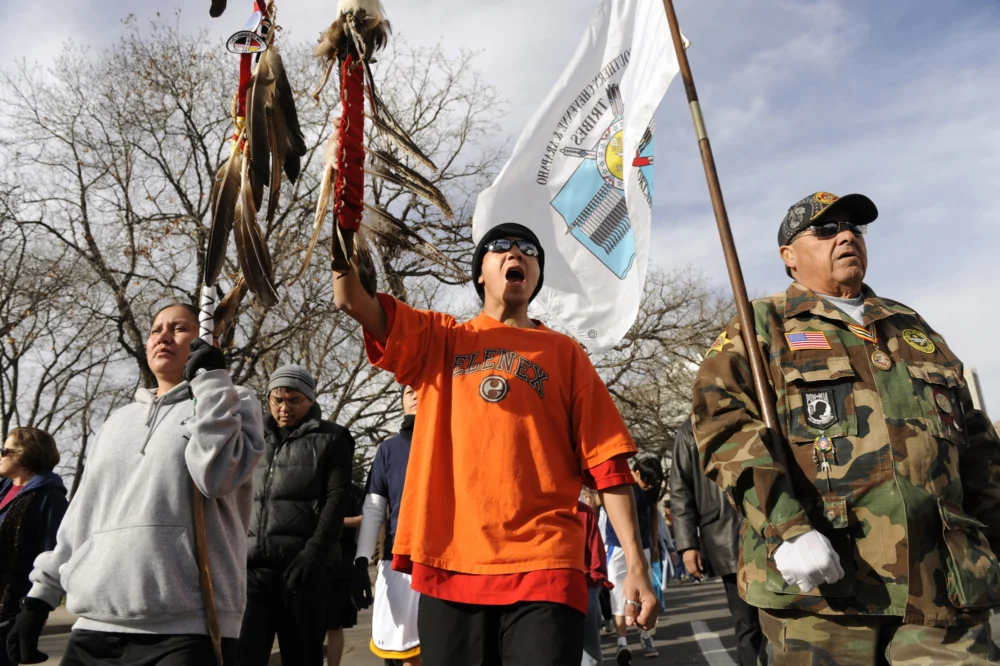
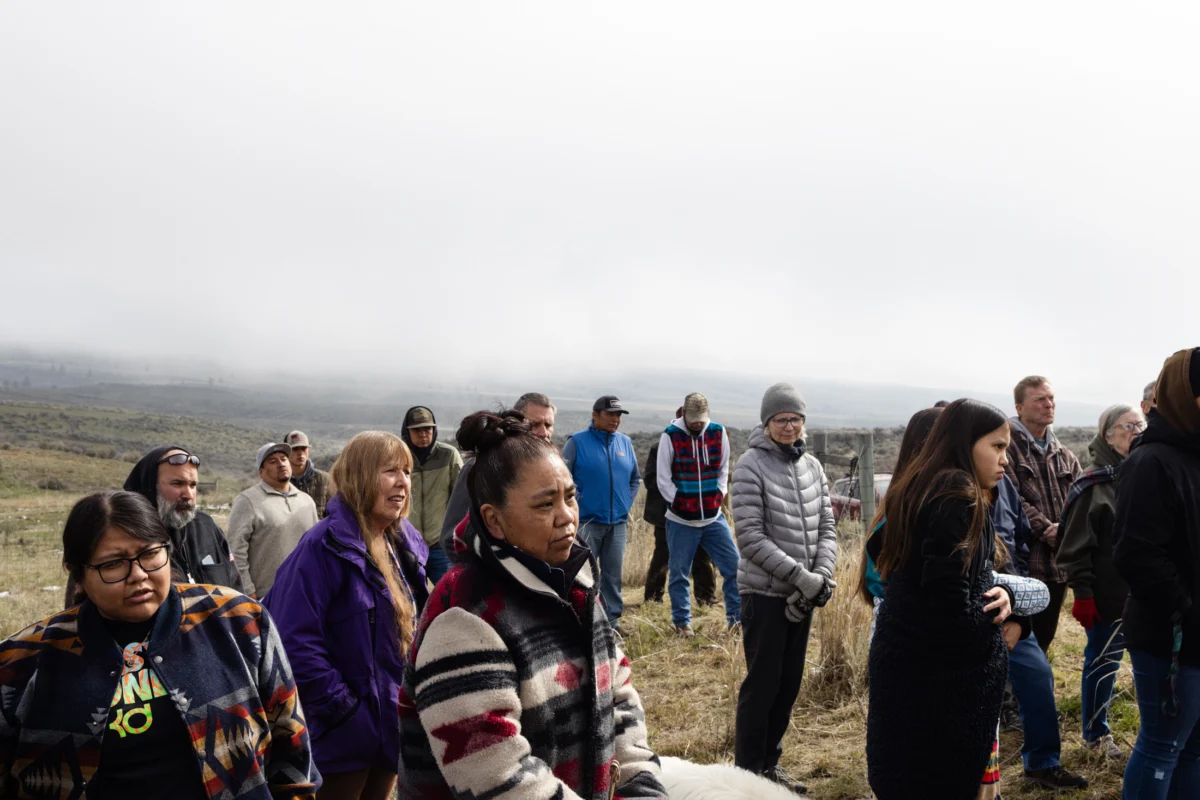
The enduring scars of history, often dismissed or forgotten, demand diligent attention, a truth powerfully embodied by the annual Sand Creek Massacre Spiritual Healing Run, where descendants conclude their poignant journey at the steps of the Colorado State Capitol. This pilgrimage underscores the profound necessity of tending to historical wounds, a sentiment reinforced by the anticipation surrounding the "Peace Keepers" memorial, poised to occupy a once-empty pedestal at the Capitol’s west plaza. For many, this monument represents not merely a historical marker, but the most critical step yet in Colorado’s challenging, yet vital, journey toward genuine reconciliation with its Indigenous past.
The tragedy at the heart of this quest occurred on November 29, 1864, when a peaceful encampment of Cheyenne and Arapaho people, residing under the explicit promise of U.S. military protection, suffered an unimaginable slaughter. Colonel John Chivington’s troops, driven by a virulent mix of expansionist fervor and racial animosity, descended upon the unsuspecting village near Big Sandy Creek. The ensuing massacre claimed over 200 lives, predominantly women, children, and elders, in an act of betrayal so profound it would reverberate through generations, shaping the identity and memory of both the victims’ descendants and the state itself. Despite immediate condemnation from military and congressional investigations, which swiftly labeled the event a massacre, the burgeoning state of Colorado paradoxically celebrated it as a victory for decades, cementing a foundational lie into its collective consciousness.
This deliberate distortion of history was physically manifested by a plaque on the Capitol grounds, which, until recently, incongruously listed Sand Creek among Colorado’s Civil War battles, whitewashing a brutal act of aggression against Indigenous civilians. That space is now reserved for a more truthful and profoundly necessary replacement: the "Peace Keepers" memorial. This bronze sculpture will honor the courageous and visionary Cheyenne and Arapaho leaders, such as Chief Black Kettle and Chief Left Hand, who steadfastly pursued peace even as the tide of violence rose against them. It will also pay tribute to the resilience of survivors like Medicine Woman, who, against all odds, endured the massacre with eight bullet wounds, symbolizing the indomitable spirit of her people.

In a landmark decision in 2025, the Colorado Legislature and Governor Jared Polis unanimously endorsed the "Peace Keepers" monument. This historic legislative act represents a pivotal moment of remembrance, a public acknowledgment of the institutional betrayals of the past, and a clear governmental commitment to honoring the innocent lives lost. It signals a crucial shift from denial to acceptance, laying the groundwork for a more honest and inclusive historical narrative for the state.
Yet, as Indigenous leaders emphasize, the real and most arduous work lies in healing. Healing is not about conveniently forgetting the past or achieving a comfortable, superficial closure. Instead, it demands a profound recognition that trauma, particularly historical trauma, is not confined to the annals of history; it actively shapes the present. The profound soul wound inflicted by the Sand Creek Massacre continues to profoundly impact the lives of Cheyenne and Arapaho people today, manifesting in intergenerational challenges ranging from cultural loss and identity struggles to systemic inequities in health and economic opportunity. The "Peace Keepers" memorial, therefore, transcends its role as a mere statue; it serves as a sacred space for all Coloradans—Indigenous and non-Indigenous alike—to confront this enduring trauma, understand its complex legacy, and collectively begin the arduous process of repairing the foundational trust of this state. This effort mirrors global movements for truth and reconciliation, from Canada’s Truth and Reconciliation Commission addressing residential schools to similar initiatives in South Africa and Australia, all seeking to confront colonial legacies and foster genuine societal healing.
The history of Sand Creek stands as a powerful and immediate cautionary tale for our current global moment. The massacre itself was not an isolated act but the tragic culmination of a toxic mixture of fear, pervasive hysteria, and a willful rejection of moral conscience. Colonel Chivington’s violent campaign was actively fueled by ambitious politicians and a sensationalist press that systematically dehumanized the Indigenous tribes, replacing diplomatic engagement and reasoned dialogue with brute force and treachery. The propaganda of the era painted Indigenous peoples as an existential threat, justifying their extermination in the name of progress and settlement.
Today, across many nations, we observe disturbingly similar dangerous conditions echoing those historical precedents. Rampant political division, the strategic dissemination of fear and disinformation, and the increasing temptation to demonize political opponents as existential enemies rather than fellow citizens deserving of negotiation and respect, all contribute to a volatile environment. When societies replace thoughtful dialogue with inflammatory demagoguery, and diplomacy with outright dismissal, they unwittingly lay the very groundwork that allowed atrocities like the Sand Creek Massacre to occur. This pattern of dehumanization and political polarization, whether directed at Indigenous populations, migrant communities, or political adversaries, remains a potent threat to social cohesion and democratic values worldwide.

The story of the "Peace Keepers" chiefs, who courageously chose peace even in the face of overwhelming violence and dehumanization, offers a timeless and urgent lesson. Their ultimate sacrifice calls upon all of us to actively stand for humanity, truth, and genuine dialogue, especially when the national or global atmosphere tempts us toward anger, division, and the demonization of others. Their legacy serves as a beacon of moral clarity in turbulent times, urging a commitment to ethical leadership and compassionate engagement.
Colorado faces a tangible deadline for this crucial commitment. The "Peace Keepers" memorial is scheduled for dedication on November 29, 2026, a date that poignantly coincides with Colorado’s 150th anniversary of statehood. This confluence of dates presents an unparalleled opportunity for Colorado to declare, at the highest levels of its government and society, what kind of history it chooses to commemorate and, more importantly, what kind of future its citizens aspire to build. It is a moment to decisively pivot from a narrative of conquest to one of truth, reconciliation, and shared humanity.
The Sand Creek Massacre Memorial Committee is diligently working to raise the final funds necessary for the bronze casting and installation of this vital monument. They have secured a generous matching gift, a clear indication that the broader community is ready to stand in solidarity with the descendants and support this historic endeavor. However, the completion is not yet guaranteed.
Should the pedestal remain empty for another year, it would send a disheartening signal that Colorado’s commitment to truth and healing is merely theoretical, a performative gesture rather than a deeply felt imperative. By actively supporting and ensuring the timely completion of the "Peace Keepers" memorial, Coloradans collectively declare that healing is not just a concept but an urgent priority. It is an act of profound historical rectification, choosing to fill the void of a false, violent past with a permanent, visible testament to the courage, unwavering commitment to peace, and the enduring human spirit of the Cheyenne and Arapaho people. This decision is not merely about honoring the past; it is an essential investment in the future health, integrity, and collective healing of the state of Colorado.