

 Joko Susilo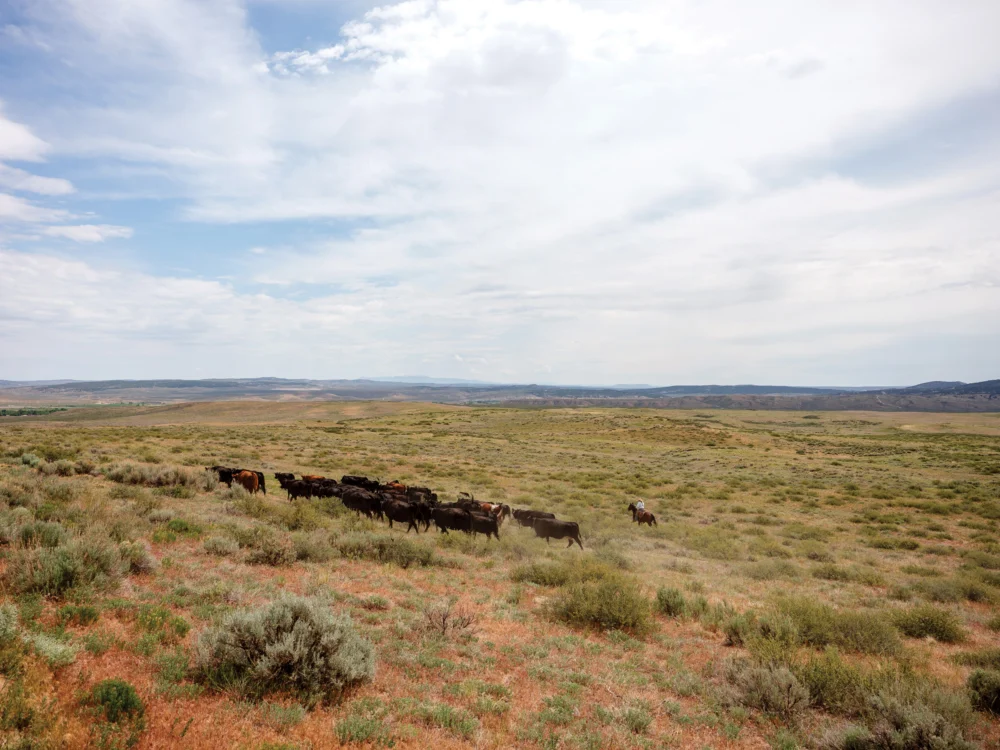
Stan Kroenke, a titan of industry with an estimated $20 billion fortune, controlling vast real estate holdings and iconic sports franchises like the Denver Nuggets and England’s Arsenal soccer club, paradoxically benefits from a federal subsidy program initially designed to support struggling ranchers. As the owner of Nevada’s sprawling Winecup Gamble Ranch, Kroenke accesses public lands to graze his cattle at a mere fraction of the cost he would incur on private property, a discount representing less than 15% of market rates. This public-lands grazing program, originally conceived in the 1930s to curb the ecological devastation of overgrazing that fueled the infamous Dust Bowl, has evolved into a system now serving a diverse array of beneficiaries, from billionaire hobby ranchers and corporate agricultural giants to mining companies and utilities, a far cry from its original intent.

Signed by President Franklin D. Roosevelt in 1934, the Taylor Grazing Act, championed by Colorado Democrat Rep. Edward Taylor, aimed to bring order to the chaotic, destructive overgrazing that had characterized the American West, contributing to the Dust Bowl. Early settlers, spurred by notions of manifest destiny, had allowed unchecked livestock grazing to decimate Indigenous lands, leading to severe degradation. The Act established a permit system for leasing parcels of the public domain, known as allotments, typically for a decade. Subsequent legislation, like the 1976 Federal Land Policy and Management Act, sought to balance various uses of public lands, including grazing, mining







