Rocky Georgio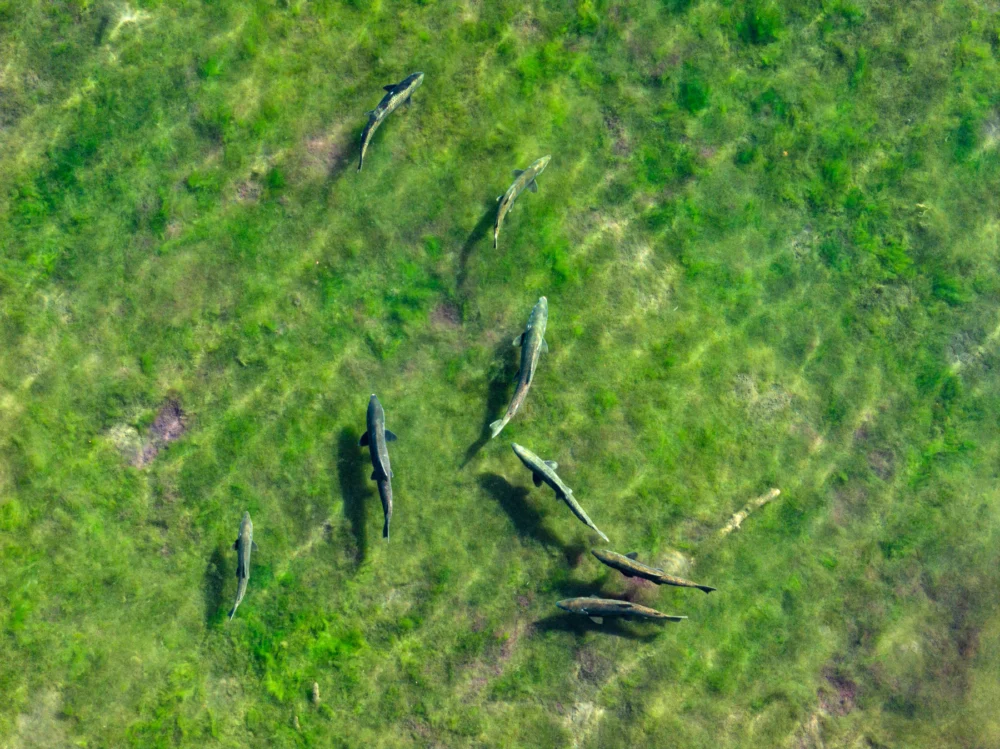
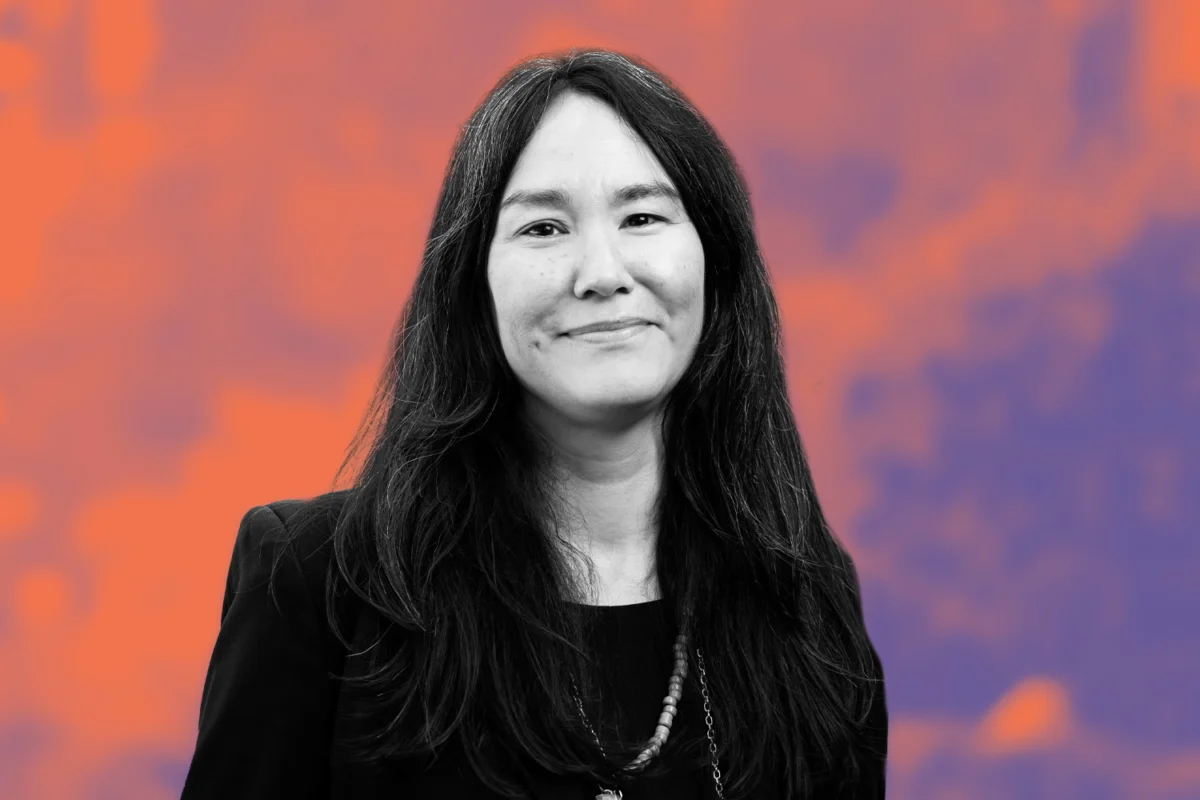
Salmon have successfully navigated their way to the headwaters of the Klamath River, an area that had been inaccessible to them for approximately 115 years, marking a significant ecological milestone one year after the largest dam removal project in history commenced. This remarkable return is detailed in Amy Bowers Cordalis’s new book, The Water Remembers, which chronicles the generational fight to preserve the Klamath River’s ecological health and the Yurok people’s way of life. The book weaves together personal memoir, historical narrative, in-depth legal analysis, and traditional Yurok storytelling to reflect on Cordalis’s own journey, from witnessing a devastating fish kill in 2002 as a tribal fisheries intern to her current role as general counsel for the Yurok Tribe. "I felt really compelled to write this at a time when it could end on such a high note, so that we could show the world how Indigenous resistance, Indigenous resilience, Indigenous knowledge, can lead to these massive victories," Cordalis stated, emphasizing the book’s core message of hope.
Just days before this discussion, Cordalis was actively involved in river conservation efforts, tagging salmon alongside members of her nonprofit, Ridges to Riffles, and staff from the Karuk Tribe to support habitat restoration. These collective endeavors have already resulted in the replanting of an estimated 19 billion native seeds within the former reservoir areas, with ongoing projects aimed at restoring 20,000 acres of vital spawning grounds, a process expected to continue through 2028 and beyond. In a candid conversation, Cordalis shared her reflections on family, environmental stewardship, and the future trajectory of the Klamath River’s recovery.

Reflecting on the extensive research undertaken for The Water Remembers, Cordalis described the process as profoundly emotional, deepening her respect for the efforts of her ancestors and previous generations. She recognized their unwavering dedication and the personal risks they undertook to ensure the continuity of Yurok identity and practices. The successes achieved on the Klamath River, she explained, are a direct legacy of these generations’ persistent advocacy. Cordalis recounted childhood memories of the "fish wars," a period of intense conflict that deeply traumatized the Yurok people and her own family. Despite their ancestral right and practice of fishing, federal marshals, equipped with riot gear and heavy-duty equipment, often confronted Yurok fishermen, leading to violent clashes when they attempted to apprehend them for fishing. While the Yurok ultimately prevailed, reclaiming their fishing traditions, Cordalis highlighted the profound injustice of being criminalized for a way of life that others were permitted to pursue, characterizing it as arbitrary, unjust, and a form of racial profiling.
The book also draws upon the detailed accounts of an oral historian who interviewed Cordalis’s family in the 1980s, with many of these transcripts providing crucial details for the narrative. In the third section of the book, Cordalis shares her personal story, offering a reflective perspective on her own work and how the efforts of preceding generations paved the way for the eventual dam removal. She views the removal of these dams as an extraordinary achievement, representing the largest river restoration project in history, and hopes readers will experience a profound sense of accomplishment by the book’s conclusion, having journeyed through this multi-generational epic.
Cordalis noted striking parallels between her own experiences and those of her Great-grandma Geneva, who, during a time when Yurok land faced extensive destruction from canneries and timber companies, engaged in bootlegging salmon. Cordalis herself bore witness to the devastating fish kill on the river, an event that instilled a sense of powerlessness. She described the act of writing the book as a significant opportunity for introspection, leading her to recognize that injustice had been a profound source of trauma. For her, this trauma catalyzed action, channeling her grief and pain into a relentless pursuit of education, driving her to excel in law school as if the future of her family and people depended on it.

Her primary hope for The Water Remembers is that it serves as an antidote to the current political and environmental crises. She emphasizes that even the most marginalized communities can enact significant change, underscoring the critical importance of building coalitions, identifying common ground, and offering mutual support. Cordalis advocates for embracing failure as a necessary part of the process, recognizing that a single successful strategy can achieve monumental outcomes, as demonstrated by the Klamath dam removals. The dams are now gone, and salmon are returning to Oregon, breathing new life into the river. Cordalis envisions her book as a blueprint, detailing the grassroots movement, legal strategies, and political alliances that led to this victory. More importantly, she hopes it resonates deeply, inspiring readers with the understanding that their actions can indeed make a profound difference, fostering a collective resolve to continue fighting for environmental justice, even in the face of setbacks, until victory is achieved.
Cordalis’s account of her great-uncle, Ray Mattz, winning a Supreme Court case for fishing rights, only to be met with continued federal obstruction, illustrates the enduring nature of the struggle. Even after gaining the right to fish without persecution, the collapsing salmon runs shifted the focus to dam removal, highlighting that the work of environmental advocacy and protection is never truly finished, with each generation facing new challenges and defending hard-won gains. This concept, Cordalis explained, is intrinsically linked to the role of a steward. Being a steward involves a conscious decision to respond to the needs of a particular place, whether it be a river, forest, wetland, or mountain. She draws a parallel to the collective experience of Indigenous peoples globally, who have historically served as stewards, adapting their practices to meet the ecological demands of their environments.
The Yurok worldview, Cordalis elaborated, posits that Yurok Country was created not only for humans but also for the land, water, and creatures, emphasizing a balanced coexistence. This balance, she believes, ensures abundance and well-being, a philosophy of sustainability that carries both responsibility and the privilege of benefiting from the natural world’s generosity. She hopes this perspective will encourage a re-evaluation of humanity’s relationship with nature and inspire a widespread adoption of stewardship values.

With the dams removed, the river’s immediate need is restoration. Through her nonprofit, Ridges to Riffles, Cordalis is actively involved in restoration projects within the former dam areas. She also helps lead an intertribal group that integrates traditional knowledge with modern science to guide this restoration work. The group is also advocating for the re-establishment of a more natural hydrograph for the river, demonstrating a commitment to addressing the river’s evolving needs. This dedication to stewardship, she asserted, is essential for maintaining ecological balance and is a profound honor.
Cordalis vividly recalled a childhood memory of looking at the dams with her siblings and wishing they could simply blow them up. The surreal experience of actually pressing the detonator for the demolition of COPCO 1 Dam on her birthday was a moment she had never dared to imagine. The emotional weight of this act, she explained, was immense. For years, the dams had been a source of deep pain, akin to witnessing a loved one suffer with no apparent recourse. Their removal brought a profound sense of relief and healing, as if generations of her family were finally able to rest more peacefully, knowing their struggles had culminated in such a significant victory. She believes that this kind of hard work and meaningful change is achievable when people collaborate, respect nature, and treat each other with kindness.
The impact of the dam removal on the fish populations is already evident, with ongoing reports of salmon sightings. Cordalis shared that in August, she was able to harvest salmon from her village, Rek-woi, at the river’s mouth. These salmon, she noted, were larger and exhibited greater resilience than any she had seen in years, a testament to their arduous journey. The fish have now successfully migrated past Iron Gate Dam and have reached areas including Keno Dam, Link River Dam, Upper Klamath Lake, and into the Williamson and Sprague Rivers, covering approximately 300 river miles from Rek-woi. This journey, which took a couple of months, signifies a healthier, fiercer, cooler, and cleaner river system. The removal of the dams has also symbolically reunited communities that have been geographically and culturally separated for over a century. The health of the fish, from the mouth of the river to their upstream spawning grounds, now directly connects these communities, offering an opportunity to re-examine and strengthen their relationships. The Klamath River, historically a site of conflict over water resources, now presents an opportunity for collective healing and community rebuilding throughout the Klamath Basin.

Cordalis eloquently described water as an intrinsic element of life, interconnected through the hydrologic cycle, even within human beings. Witnessing the healing of the Klamath River, she believes, facilitates a parallel healing within individuals, rekindling a memory of a healthy planet and satisfying a deep yearning for such an existence. Engaging with nature, dedicating oneself to important causes, and embracing a stewardship ethic, she concluded, fosters internal healing and the capacity to remember what it means to live in harmony with the natural world, a process that feels profoundly restorative.