Roger Danuarta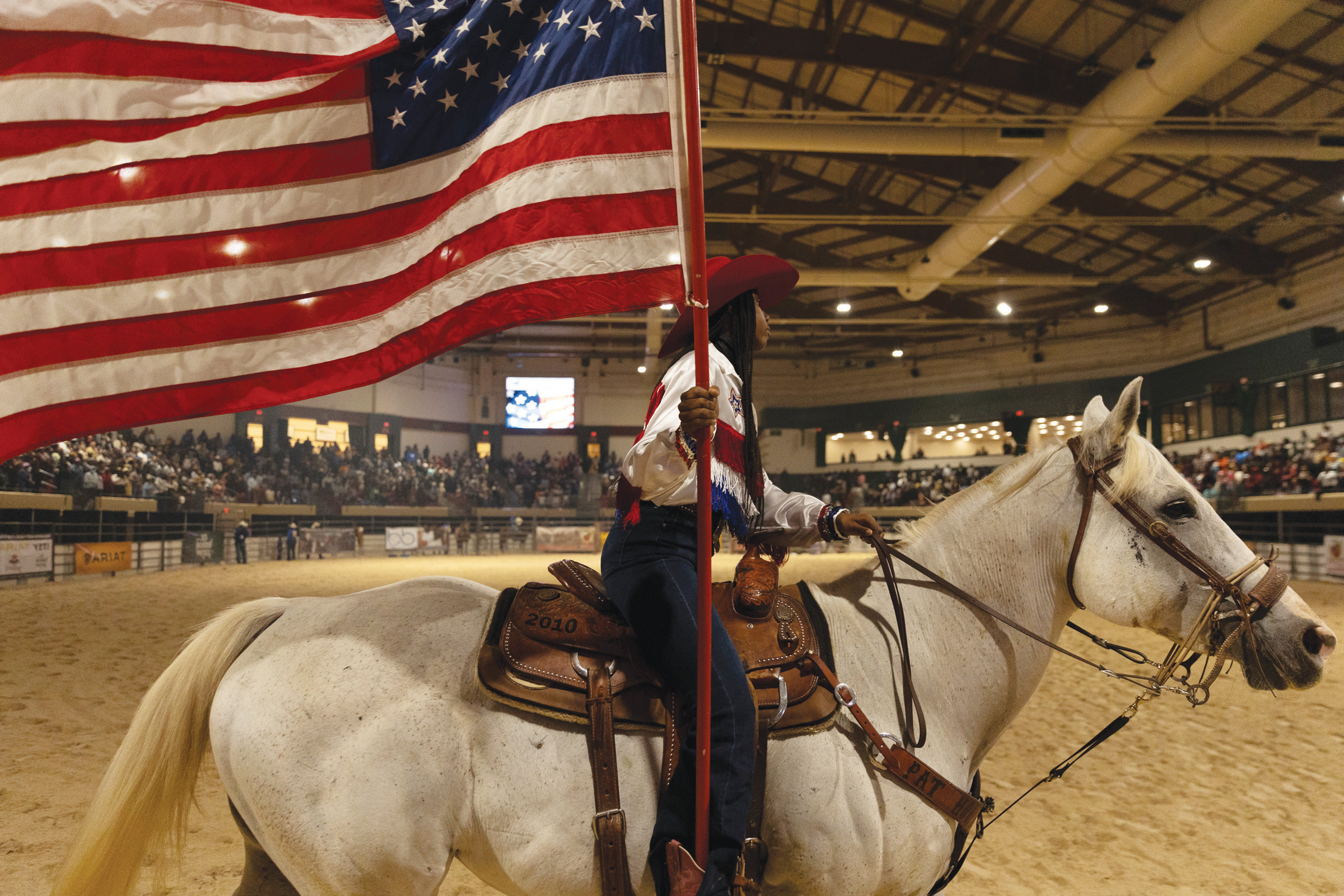
The vast, storied landscapes of the American West have long captivated imaginations, yet the prevailing narrative has often overlooked the foundational contributions of Black cowboys, a historical oversight now powerfully challenged by Peacock’s compelling docuseries, High Horse: The Black Cowboy. This three-part exploration arrives with the raw honesty of dust on boots and the deep understanding that true horsemanship demands an unyielding commitment to truth, a principle that resonates deeply with anyone who has felt the transformative power of working with these magnificent animals. Just as a thousand-pound mustang will instantly call a rider’s bluff, demanding clarity, consistency, and respect, High Horse demands an unflinching look at a past often airbrushed for popular consumption, revealing the vibrant, indispensable role Black hands played in shaping the Western frontier.
Executive produced by Jordan Peele’s Monkeypaw Productions and directed by independent filmmaker Jason Perez, a protégé of Spike Lee, High Horse masterfully weaves together breathtaking archival footage, evocative photographs, and intimate contemporary scenes of Black cowboy life. The series meticulously dissects the historical portrayal of the West, exposing how film, music, and marketing industries systematically narrowed the definition of who could be considered an authentic cowboy. This isn’t merely about adding Black figures to an existing story; it’s about correcting a profound historical distortion and confronting the persistent surprise many Americans exhibit when confronted with the undeniable legacy of Black cowboys.
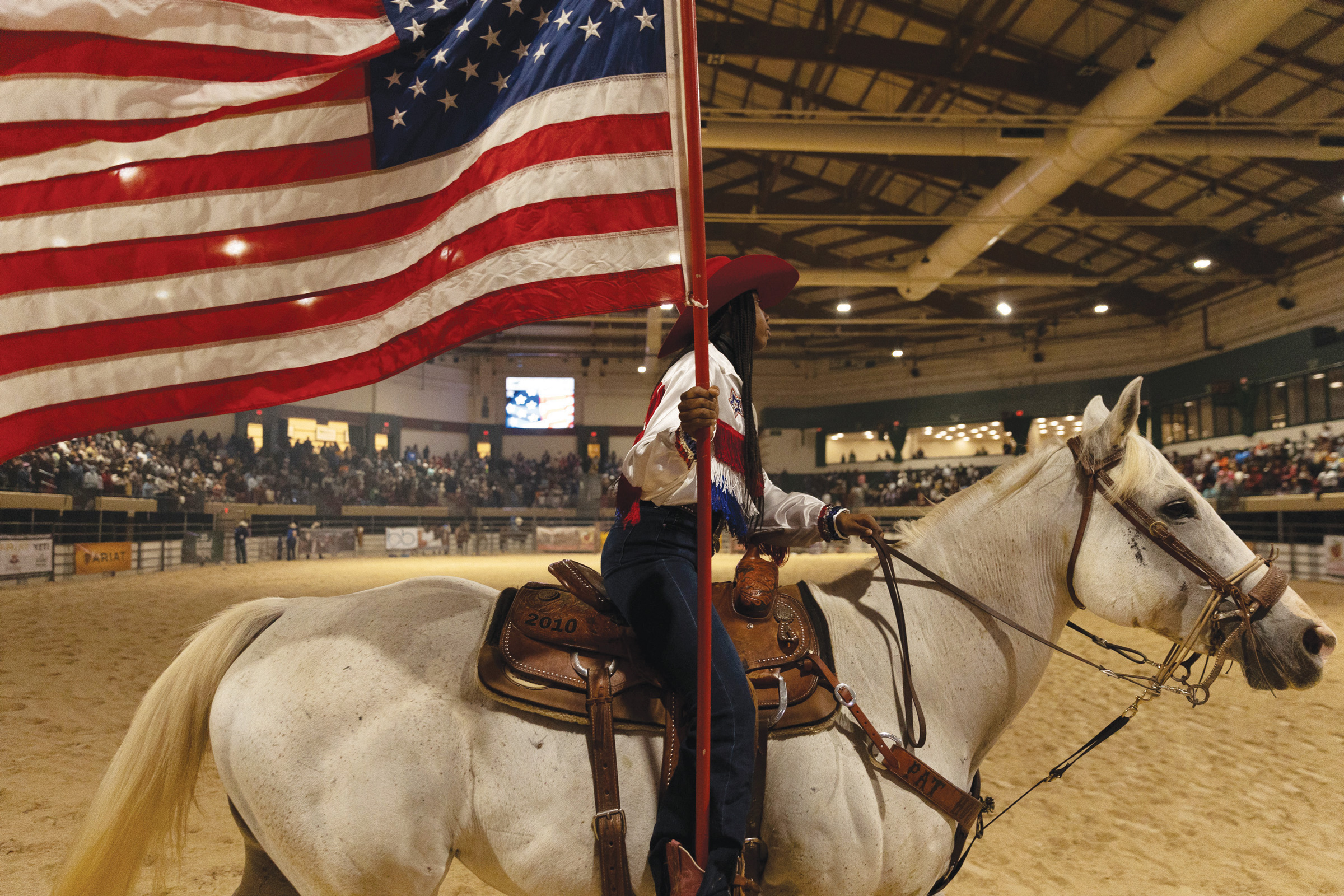
From the immediate aftermath of the Civil War, when newly emancipated Black men, many possessing invaluable skills in horsemanship and animal husbandry honed during slavery, sought opportunities in the burgeoning cattle industry, Black cowboys became an integral, albeit often uncredited, force. Historians estimate that as many as one in four cowboys who rode the trails in the post-Reconstruction era were Black, contributing expertise in breaking horses, herding vast numbers of cattle across challenging terrains, and maintaining the sprawling ranches that defined the West. Their skills were legendary, yet their images were systematically erased from popular culture, replaced by a predominantly white, often romanticized, archetype that solidified in the public consciousness through dime novels, Wild West shows, and, most powerfully, Hollywood films. High Horse refuses to relegate these figures to a historical footnote, instead drawing a clear, unbroken line from the skilled labor of formerly enslaved individuals to the Black jockeys who dominated early American racing, and to today’s vibrant community of Black riders, ranchers, and entrepreneurs who continue to embody the spirit of the West.
The docuseries excels in its dedication to the physical truth of horsemanship, a detail often lost in the stylized imagery of cowboy culture. It lingers on the rider’s deep seat, the steady low hands, the quiet legs—fundamentals that appear undramatic from the bleachers but are transformative in the saddle. A horse, an animal of immense power and sensitivity, responds not to pretense or narrative, but to consistency, fairness, and clear communication. This profound relationship, built on trust and mutual understanding, becomes a powerful metaphor for the historical re-evaluation High Horse undertakes. It underscores how the aesthetic of the cowboy has been celebrated, while the authentic, often arduous, craft and the diverse individuals who perfected it have been largely overlooked.
For Black Americans, the concept of land in the West transcends mere scenery; it is imbued with layers of inheritance and loss, of promises made and subsequently broken. It speaks to the fundamental distinction between being a transient visitor and a dedicated steward. High Horse poignantly captures this through its imagery, often holding on a Black rider silhouetted against open land or navigating urban edges shaped by the same complex history. These quiet, powerful visuals carry a charge, highlighting the enduring connection to the land that is both deeply personal and historically significant. This perspective is deeply personal for those like Rue Mapp, whose Texas-raised father, a lifelong rancher who managed land and livestock in California, sowed the seeds of a profound connection to the outdoors. Inspired by his legacy and a desire to correct the prevailing narrative, Mapp launched Outdoor Afro in 2009. What began as a blog and a personal memory has evolved into a national organization, now empowering thousands of Black families annually to reconnect with nature, not as a fleeting trend, but as a vital reunion with a long-held, though often forgotten, heritage.

Mapp’s own journey back to horsemanship in midlife, with a mustang named True Haven from the Twin Peaks Herd Management Area along the California-Nevada line, further illustrates the docuseries’ core themes. This return to the saddle, demanding patience and unwavering honesty, has deepened her commitment to land stewardship and public lands policy. The daily practice of fairness and consistency required to build trust with a wild horse brings into sharp focus the complex questions surrounding conservation, access, and the human impact on wild places. Abstract slogans and policy debates gain tangible relevance when translated into the immediate needs of a living creature, fostering a profound sense of responsibility for both people and the environment.
High Horse deftly connects the story of Black cowboys to the intricate, often brutal, history of Black land ownership in America. It moves beyond the romanticized ideal of wide-open spaces to confront the "hard math" of acreage, titles, taxes, and the systemic violence—both legal and extralegal—that determined who gained and who lost land in the West. The freedom ostensibly offered by the frontier was never evenly distributed; racial discrimination, economic exploitation, and outright violence were integral to the geography of Black experiences. Yet, crucially, High Horse is not a dirge. It is, at its heart, a profound celebration of resilience and freedom. The series showcases young riders training and competing, elders transmitting invaluable knowledge, and families gathering around horses in ways that echo community bonds forged in churches and family reunions. By presenting Black history through the lens of excellence, craft, humor, pride, discipline, and joy, the docuseries offers a vital counter-narrative to the common tendency to frame Black history predominantly through trauma.
While the series achieves much, its three-episode scope naturally presents limitations. Some viewers may desire a deeper exploration of the experiences of Black women riders, a more detailed look at the everyday economics of horse ownership, and a more explicit acknowledgment of the complex intersections between Black and Indigenous histories on Western lands. Furthermore, while the contributions of well-known celebrities and scholars provide valuable context and reach, there’s a delicate balance to strike, ensuring that the authentic voices and lived experiences of working Black cowboys and ranchers—those who have stewarded the land and horses for generations—are not inadvertently overshadowed. Their stories, often rich with unvarnished truth, stand powerfully on their own, requiring little interpretation.

Ultimately, High Horse achieves its greatest triumph by refusing to portray the Black cowboy as an anomaly or an exception. Instead, it invites audiences to fundamentally reconsider what "Western" truly signifies when the frame is widened beyond the traditional Hollywood narratives. For anyone who cherishes the history and spirit of the American West, this powerful argument arrives at a pivotal moment. The series challenges us to approach our history with the same clarity, consistency, and care that a horse demands, asking us who we will be in relation to it. If the goal is to forge an honest and sturdy future for the West, we must commit to telling the whole story, protecting the ground beneath it, and recognizing that Black riders are not merely visitors, but an indispensable part of the region’s foundation and its ongoing conservation future. High Horse serves as a crucial, compelling step toward this more inclusive and accurate vision, but it is, and should remain, an invitation to further exploration, not the final word.