Rocky Gerung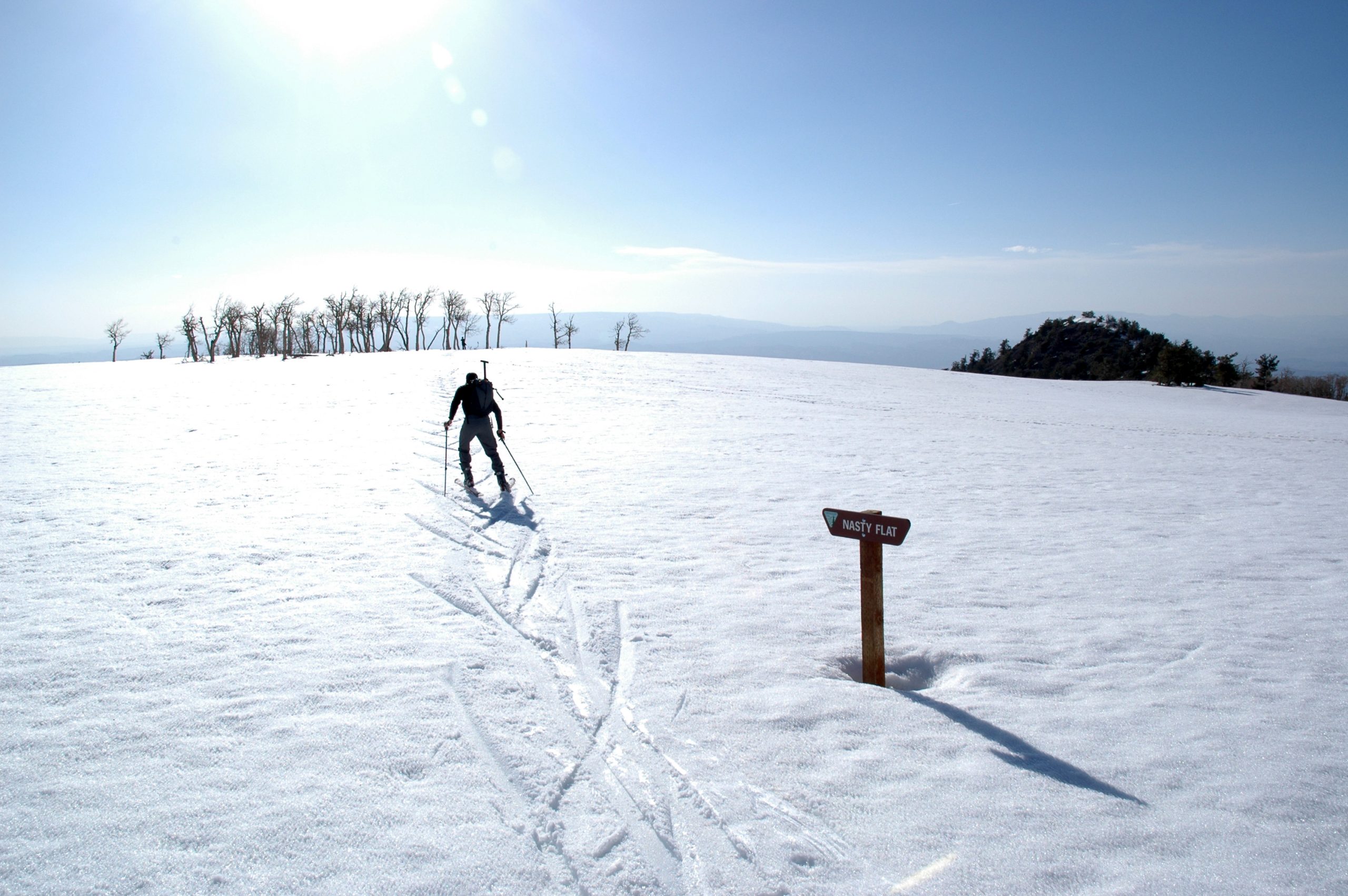
The allure of the untracked slope, once the domain of a dedicated few, is now captivating a wider audience, with backcountry skiing experiencing a significant surge in popularity. This trend is culminating in the sport’s inclusion in the prestigious 2026 Winter Olympic Games in Milan-Cortina, marking the first new discipline added to the Winter Olympics in nearly three decades. Ski mountaineering, or "skimo," as it’s colloquially known, embodies the spirit of earning turns through challenging alpine terrain, a practice that has drawn many away from the crowded confines of ski resorts and into the embrace of nature.
At the Olympics, a select field of 36 athletes will compete in sprint and mixed-gender relay events. These athletes will navigate steep ascents and descents using ultra-lightweight gear, employing skins on their skis for uphill travel before shedding them for rapid descents. This Olympic recognition reflects a broader cultural shift, yet it arrives at a critical juncture as climate change increasingly threatens the very winters that make these pursuits possible.
The personal journey into backcountry skiing often begins with a desire for escape from the commercialized aspects of resort skiing. Factors such as escalating lift ticket prices, notorious holiday weekend crowds, and the sheer logistical hassle of accessing popular resorts have pushed many toward more self-sufficient forms of winter recreation. For some, like the author, the initial gateway was cross-country skiing, offering a quieter, more solitary way to explore snow-covered trails and access roads, often accompanied by friends and dogs. This eventually led to the exploration of more variable terrain, necessitating the adoption of backcountry skiing equipment.

This transition mirrors a nationwide trend, with participation in backcountry skiing, also known as alpine touring, showing robust growth. Industry data from recent seasons reveal a sharper increase in backcountry participation compared to traditional resort skiing and snowboarding. This surge is attributed to a confluence of factors, including more accessible and advanced gear, a burgeoning culture of safety education and skill-sharing, and a collective yearning for open spaces and natural solitude that resorts can struggle to provide. Social media platforms have also played a role in showcasing these experiences, familiarizing a younger generation with the appeal of backcountry exploration, particularly amplified during periods of lockdown that encouraged local discovery.
Backcountry skiing, in essence, involves venturing beyond the patrolled and managed boundaries of ski resorts. It eschews lifts and groomed runs in favor of untamed landscapes, offering the promise of fresh powder and the satisfaction of self-propelled ascents. However, this freedom comes with inherent risks. Unlike resort skiing, the backcountry demands a high degree of personal responsibility for assessing avalanche hazards, understanding snowpack stability, monitoring weather conditions, and making informed decisions in complex environments. Comprehensive avalanche education, including beacon, probe, and shovel training, is not merely recommended but essential for safe backcountry travel. Despite these precautions, avalanches tragically claim dozens of lives annually in North America, a stark reminder of the inherent dangers. The recent avalanche incident in Lake Tahoe, which resulted in multiple fatalities, underscores the persistent risks, even for experienced individuals, and highlights how increased participation, while fostering greater awareness, also broadens exposure to these hazards.
Ski mountaineering, the Olympic discipline, refines this concept into a competitive format. Athletes ascend and descend challenging mountain courses at speed, showcasing both endurance and technical skiing prowess. Its roots trace back to early 20th-century military patrols in alpine regions, evolving into a demanding sport that tests the limits of human athletic achievement. The Olympic sprint and relay formats are designed for maximum spectator engagement, compressing the raw effort of backcountry travel into brief, intense bursts of action. While celebrating this athletic spectacle, there’s an underlying concern that the growing visibility might coincide with the diminishing viability of the very environments that foster this sport.
The paradox of this burgeoning popularity lies in its timing, coinciding with accelerating climate change. Winters are becoming less predictable, impacting not only recreational activities but also vital water resources and entire regional economies. Scientific projections, including those from climate institutes and the International Olympic Committee, indicate a significant reduction in suitable locations for winter sports globally under current emissions trajectories. By the mid-21st century, many existing Winter Olympic venues may no longer meet the necessary climatic requirements, drastically narrowing the pool of potential host cities.

The 2026 Milan-Cortina Games are already heavily reliant on artificial snow, a testament to the diminishing natural snowfall. Extensive networks of snowmaking machines are being deployed, consuming considerable water and energy, a stark illustration of the precariousness of winter conditions. In regions like the Western United States, communities that have historically depended on consistent snowpack for tourism and water management are grappling with record warm winters and prolonged snow droughts. Low snowpack levels in states like Colorado, Utah, and Oregon have far-reaching implications, affecting everything from water availability for agriculture and urban use to increased wildfire risk and the economic stability of outdoor recreation industries.
The ski industry, while still a significant economic force, is adapting to this evolving landscape. North American ski resorts welcomed over 61 million skier visits during the 2024-25 season, with substantial investments being made in summer activities and snowmaking technology. However, these adaptations represent a strategy to mitigate the impacts of an increasingly unpredictable climate rather than a guarantee of traditional winter seasons. Resorts are bolstering their snowmaking capabilities and enhancing guest amenities, but the fundamental reliance on natural snowfall for backcountry operations remains vulnerable.
In the backcountry, the absence of artificial snowmaking and grooming amplifies the raw connection to the environment. The ascent on skins and the descent on natural snow offer a profoundly human-scaled experience, a return to elemental principles. Yet, this purity is inherently susceptible to a warming climate, which shortens snow seasons, increases the frequency of rain-on-snow events that rapidly melt existing snowpack, and disrupts the delicate ecosystems that underpin winter sports.
The personal experience of living in a region like southwestern Colorado, where winters have traditionally been a defining feature, offers a poignant perspective. Even without the immediate pressures of pregnancy, the noticeable reduction in snowpack and the unseasonably warm February days highlight the tangible effects of climate change. The ridgelines that have provided solace and inspiration now appear more exposed, a visual cue of a shifting season. This personal reflection underscores a broader concern for future generations and the winters they will inherit.

While winter may not vanish entirely, each warmer season and each instance of snow scarcity serves as a reminder of the fragility of the winter landscape. As backcountry skiing continues its ascent in popularity and ski mountaineering gains Olympic recognition, this growth should be met with both exhilaration and a profound sense of unease. The future of these beloved winter pursuits hinges not only on human dedication and skill but critically on the environmental conditions that make snow possible. The choices made today regarding climate action will ultimately determine whether future generations can continue to experience the profound joy of ascending to the high country and skiing back down into a world of wonder.