Joko Susilo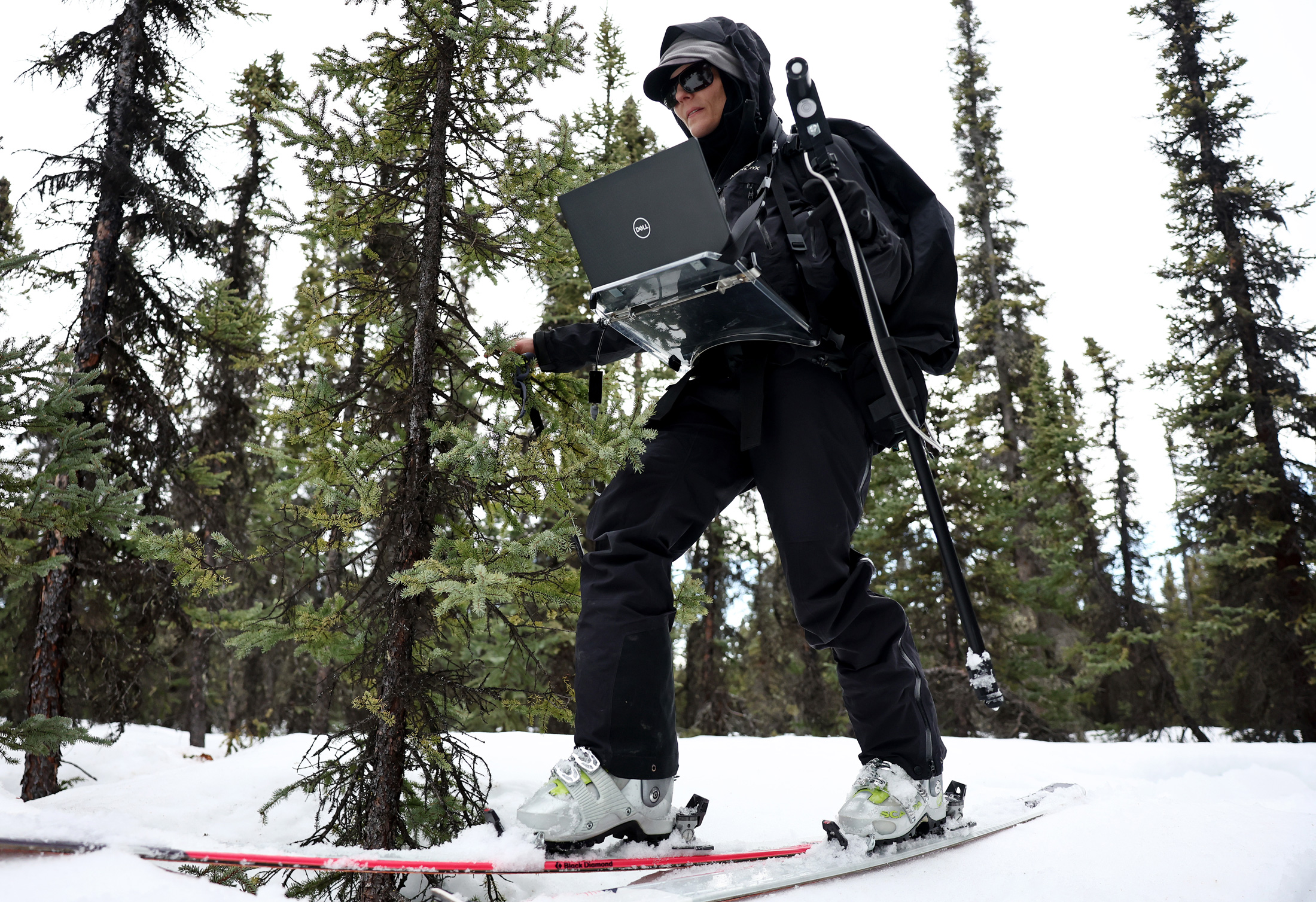
This legislative action represents a significant pushback against the administration’s stated agenda, which has consistently sought to curtail the scope and resources of federal entities responsible for overseeing public lands, safeguarding natural resources, and advancing climate science. Throughout its tenure, the administration had proposed sweeping cuts to agencies like the Department of Interior, the U.S. Forest Service, the National Oceanic and Atmospheric Administration (NOAA), and the U.S. Environmental Protection Agency (EPA), advocating for deregulation and increased resource extraction. The passage of this bill, therefore, signals Congress’s intent to maintain a degree of stability for these critical federal services, albeit through a compromise that leaves some advocates feeling that more robust support is still desperately needed.
"It truly underscores that our public lands are a shared heritage, intended for the benefit of all citizens, not merely as conduits for private industry seeking to maximize profits," stated Miranda Badgett, a senior government relations representative for The Wilderness Society, reflecting on the legislative outcome. Badgett further emphasized, "This bill forcefully rejected some of the reckless budgetary proposals put forth by the administration that would have severely impacted our national public-land agencies and their vital work." Her remarks highlight the underlying philosophical battle over the purpose and management of America’s vast natural estate, which spans hundreds of millions of acres, encompassing national parks, forests, wildlife refuges, and wilderness areas that are crucial for biodiversity, recreation, and essential ecosystem services.
Despite its protective stance, the spending package is viewed by many conservation and science advocates as a difficult compromise between competing Republican and Democratic priorities. The measure includes modest trims to projected fiscal year 2025 budget numbers, with millions of dollars pared from the budgets of institutions such as NASA, the U.S. EPA, and the U.S. Geological Survey (USGS). Crucially, the bill’s funding at "current levels" fails to account for inflation, meaning that in real terms, agencies will face a reduction in purchasing power and operational capacity. Jacob Malcom, executive director of Next Interior, an advocacy group focused on the Department of the Interior, underscored this point, noting that a flat budget in an inflationary environment effectively translates into a cut, eroding the ability of these agencies to meet their expanding mandates.
A significant victory for environmental protection embedded within the Senate’s version of the bill was the rejection of nearly 150 restrictive budget riders that the House had attempted to attach. These riders, often employed by lawmakers to bypass standard legislative processes and impose specific policy directives, would have severely hamstrung federal agencies. Among the most controversial rejected provisions were those that sought to prohibit the Bureau of Land Management (BLM) from enforcing the Public Lands Rule, a regulation finalized in 2024 designed to prioritize conservation and recreation alongside traditional resource uses, which the Trump administration has actively sought to repeal. Other rejected riders would have mandated quarterly oil and gas lease sales across at least nine states, irrespective of market demand or environmental concerns, and blocked the implementation of the BLM’s Onshore Oil and Gas Leasing Rule. This latter rule, among other reforms, notably increased the royalty rates that oil and gas companies must pay the federal government for extraction on public lands, aiming to ensure a fairer return for taxpayers and encourage more responsible development. The Senate’s refusal to include these riders represents a clear endorsement of the agencies’ regulatory authority and a rejection of attempts to force specific resource extraction policies through the appropriations process.
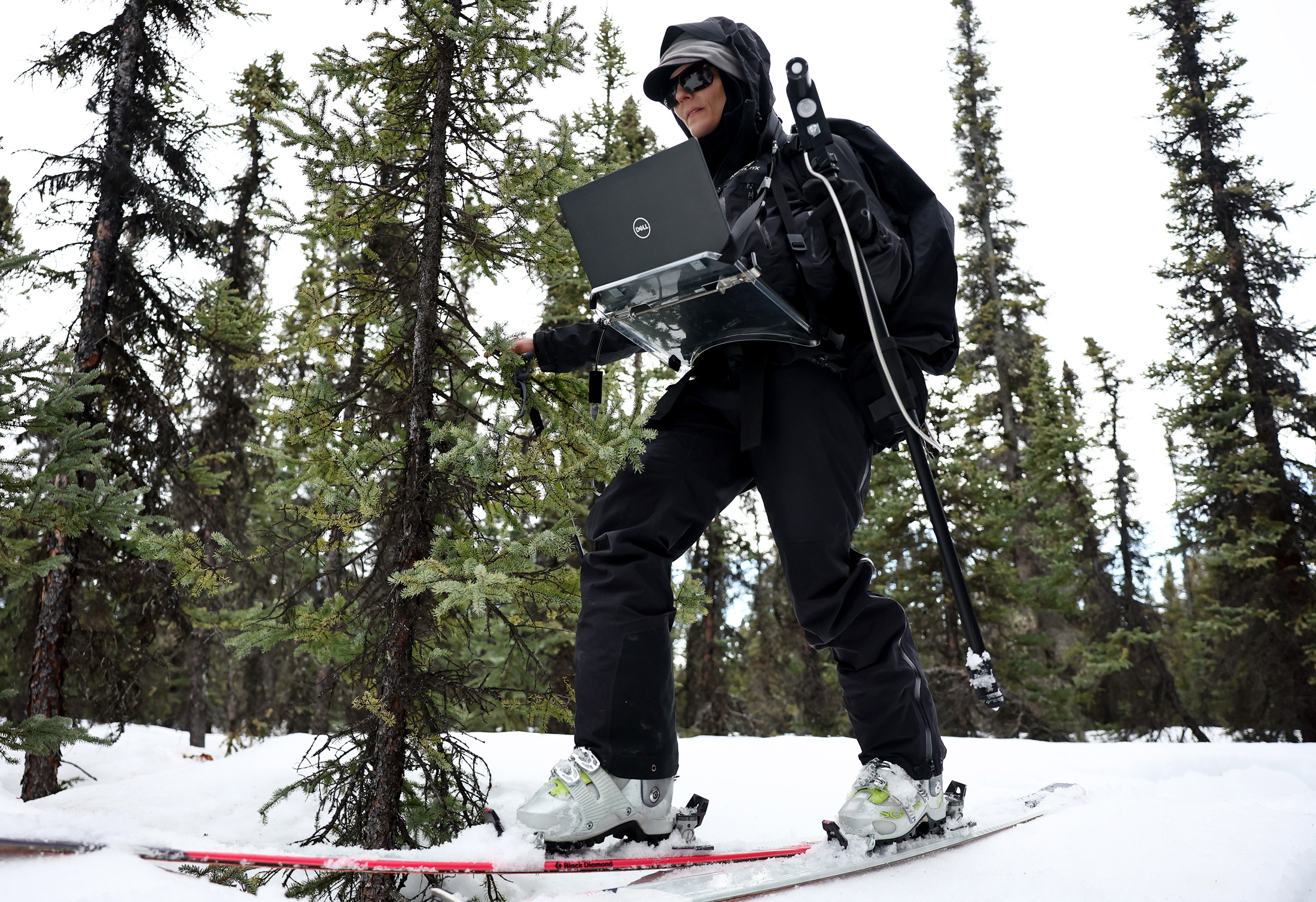
However, the bill contains a significant point of concern for the scientific community, particularly impacting the American West, climate science, and broader national health and safety: the uncertain future of the National Center for Atmospheric Research (NCAR), based in Boulder, Colorado. NCAR is a globally recognized institution, performing groundbreaking research and developing the advanced modeling and analysis tools that underpin the weather forecasting and climate projections relied upon by billions worldwide for daily life, economic planning, and disaster preparedness. Instead of allocating a specific line-item appropriation for NCAR within this budget, the bill merely directs the National Science Foundation (NSF), which oversees the center, to "continue its functions." This ambiguity leaves NCAR in a precarious position, especially in light of the administration’s previously stated desire to potentially dissolve or significantly restructure it. Senators Michael Bennet and John Hickenlooper of Colorado actively campaigned for explicit, dedicated funding for NCAR, but their efforts ultimately proved unsuccessful.
Hannah Safford, associate director of climate and environment for the Federation of American Scientists, warned that without a clear political workaround, the stability of critical climate science at NCAR will be jeopardized. While the immediate manifestation might not be a sudden cessation of specific services, she cautioned that the long-term impact could lead to less reliable weather forecasting and a diminished capacity to understand and predict the accelerating effects of climate change. This vulnerability for NCAR carries significant global implications, as its research contributes directly to international climate models, extreme weather event prediction, and the scientific understanding that informs global policy responses to a changing planet. Disruptions to its operations could have ripple effects on everything from agricultural planning and disaster mitigation in the developing world to aviation safety and energy sector forecasting worldwide.
While Congress has established certain "guardrails" within the legislation, requiring federal agencies to seek approval from House and Senate Appropriations Committees for significant changes to staffing or spending allocations, the extent to which the current administration will faithfully implement the budget as written remains a pressing concern for advocates like Miranda Badgett. "I personally harbor concerns," she admitted, "but I am heartened to see various safeguards in place to protect the agencies, our invaluable public lands, and the dedicated individuals who work tirelessly within these institutions." This sentiment reflects a broader tension in American governance, where the executive branch’s discretion in implementing congressional appropriations can sometimes diverge from legislative intent, particularly on politically charged issues like environmental regulation.

Beyond the immediate budget cycle, many environmental agencies face chronic underfunding, a systemic issue that predates the current administration. Jacob Malcom pointed out that agencies like the U.S. Fish and Wildlife Service (USFWS), tasked with recovering threatened and endangered species, consistently receive only a fraction of the resources required to fulfill their mandates. This long-standing resource deficit creates a cumulative burden, as backlogs grow, infrastructure deteriorates, and the capacity for proactive conservation and research diminishes. When agencies are perpetually under-resourced, the public lands and waters they are charged with protecting inevitably suffer, as does the critical scientific research necessary to prepare communities for the escalating impacts of climate change, from intensifying wildfires and droughts in the West to rising sea levels and more frequent severe storms along coastal regions.
In summing up the compromise, Malcom offered a pragmatic assessment: "The budget is not as bad as it could be, but it’s also not as good as it needs to be." This statement encapsulates the ongoing struggle to adequately fund federal environmental and scientific endeavors in an era of increasing environmental challenges and political polarization. Jonathan Gilmour, cofounder of The Impact Project, a data and research platform focused on the value of public service, voiced concerns about the agencies’ ability to rebuild their workforces after recent layoffs and deferred resignations. He expressed hope that the new budget would enable them to rehire or bring in new employees to fill critical roles, though the actualization of this hope remains uncertain, especially given the existing operational constraints.
Ultimately, observers like Malcom caution that while this bill avoided the most draconian cuts, those who live, work, and recreate in regions like the American West will likely continue to witness a gradual decline in federal services. He articulated a long-running strategic concern, noting, "Watch for things to get worse. This is part of that long-running plan, at least since the Reagan years, of ‘We’ll make services worse and then they won’t have popular support, and then it will make it easier to cut further because there’s not popular support.’" This perspective suggests a cyclical erosion of public support for government services by intentionally under-resourcing them, paving the way for further privatization or dismantling. The current budget, while a temporary reprieve from outright devastation, may simply steer these vital agencies further in that direction, with profound implications for the nation’s environmental health, scientific prowess, and the public trust in its governing institutions.