Rocky Georgio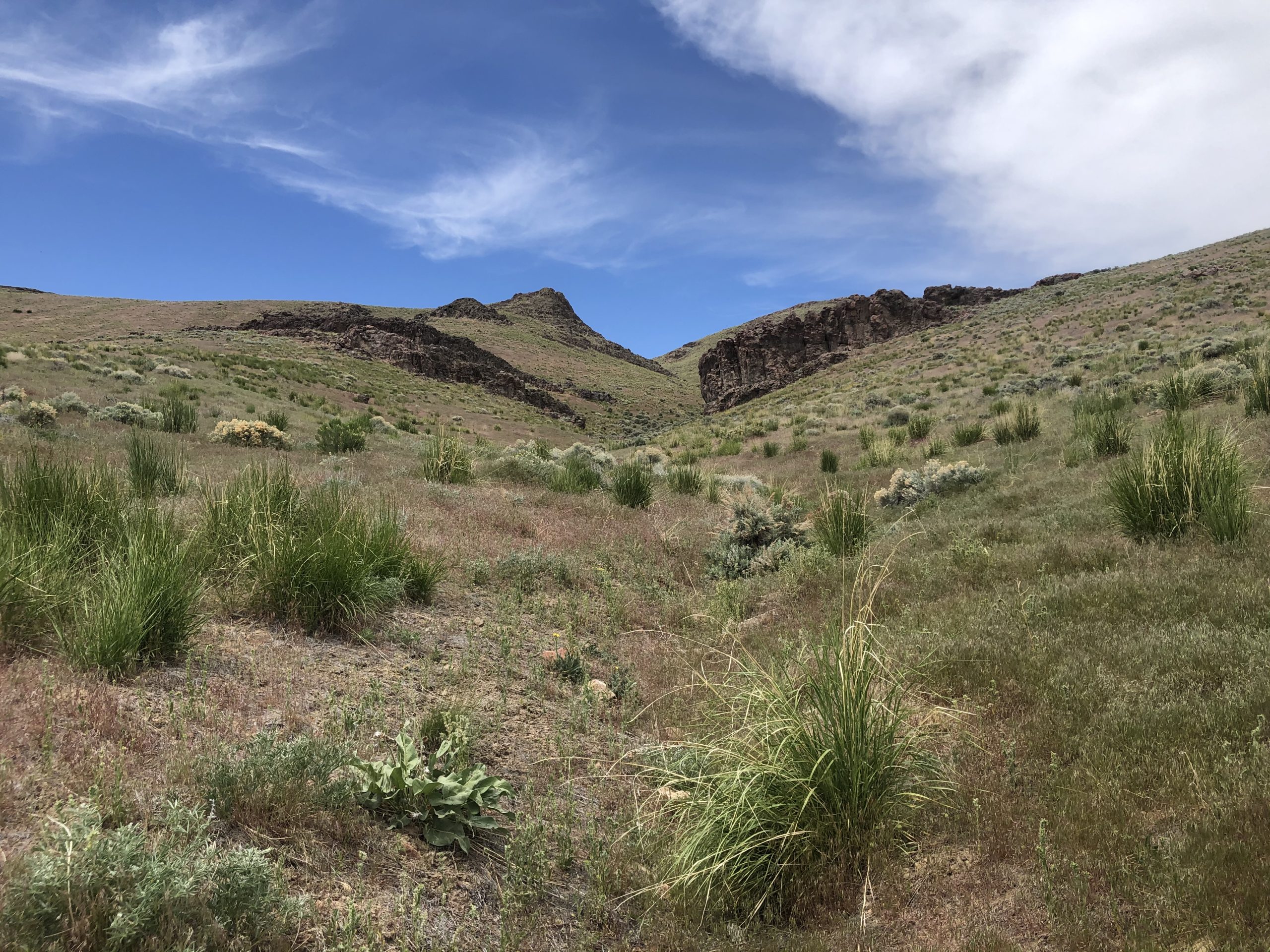
Karen Budd-Falen, a senior official within the Department of the Interior, has undisclosed financial connections to the contentious Thacker Pass lithium mine in northern Nevada, a project that saw accelerated development under the previous Trump administration and to which the current administration has recently taken an equity stake. Investigations have revealed that Budd-Falen’s family business, Home Ranch LLC, a Nevada ranching operation valued at over $1 million, has entered into agreements with Lithium Nevada Corporation, the company spearheading the Thacker Pass development. These financial links have ignited concerns about potential conflicts of interest, particularly given Budd-Falen’s significant role within the Interior Department, an agency overseeing federal lands and resource management.
The financial disclosure for Karen Budd-Falen, obtained through a delay, details her family’s extensive land holdings, including Home Ranch LLC. Public records indicate that Frank Falen, Budd-Falen’s husband, was listed as the manager of Home Ranch LLC in February 2022, further solidifying the familial financial entanglement. This revelation comes at a critical juncture for the Thacker Pass project, which has been a focal point of debate regarding resource extraction, environmental protection, and Indigenous rights.

A crucial element of this financial connection emerged in November 2018, shortly after Budd-Falen joined the Trump administration’s Interior Department. Home Ranch LLC agreed to sell water rights to Lithium Nevada Corporation for an undisclosed sum, as documented in a Securities and Exchange Commission filing. The specific details of this water rights transaction remain opaque, adding another layer of complexity to the burgeoning controversy. Furthermore, Home Ranch LLC’s involvement extends to federal planning documents for the Thacker Pass mine. A monitoring plan submitted by Lithium Nevada to federal regulators in July 2021 explicitly noted the company’s intention to utilize existing stock water wells owned by Home Ranch LLC to assess potential impacts of its mining operations on local water resources. This direct integration of a family-owned entity into the operational framework of the mine raises significant questions about impartiality and regulatory oversight.
Budd-Falen’s current position as associate deputy secretary to Interior Secretary Doug Burgum, to which she was appointed in March, does not require Senate confirmation, a point that has drawn attention in light of her financial entanglements. Her prior tenure as a high-ranking legal official at the Interior Department during President Trump’s first term further amplifies these concerns. During that period, Budd-Falen’s official calendar from November 6, 2019, lists a scheduled "lunch with Lithium Nevada," indicating direct engagement with the company while serving in a governmental capacity.
The Thacker Pass lithium project itself has been a subject of intense scrutiny and opposition. The Bureau of Land Management approved the mine in January 2021, authorizing operations on approximately 5,700 acres of public land. The proposed $2.2 billion open-pit mine aims to extract lithium, a critical component for electric vehicle batteries and renewable energy technologies, a strategic priority for the United States in reducing its reliance on foreign supply chains. However, the project faces staunch opposition from Indigenous communities, particularly the Paiute Shoshone people, for whom the site, known as Peehee Mu’huh, holds profound cultural and historical significance, including a documented massacre of at least 31 Paiute people in 1865. Environmental groups also voice strong concerns about the mine’s potential impacts on water resources, endangered species, and the fragile desert ecosystem of northern Nevada.

Budd-Falen’s past associations with the Bureau of Land Management (BLM) add further context to the current situation. During Trump’s first term, she was considered for the director position of the BLM. However, she reportedly declined the offer after learning that she and her husband would be required to divest their interests in their family ranches to avoid conflicts of interest, as she stated in a 2018 interview with The Fence Post. This previous stance underscores an awareness of potential ethical quandaries related to land and resource management.
The current administration’s renewed efforts to advance the Thacker Pass project align with a broader national strategy to bolster domestic production of critical minerals. In September, the Trump administration finalized an agreement with Lithium Americas, the parent company of Lithium Nevada, to acquire a 5% equity stake in both the Thacker Pass mine and the corporation. This deal, part of a loan arrangement with the Department of Energy, signifies a substantial government investment in the project.
While Budd-Falen’s current role at the Interior Department has largely been behind the scenes, her portfolio and specific areas of focus since her return remain largely undisclosed. Notably, her ethics agreement, which would typically outline any companies or projects she is barred from engaging with due to potential conflicts, has not yet been released by Interior officials. This lack of transparency fuels the concerns of watchdog groups and tribal advocates.

Kyle Roerink, executive director of the Great Basin Water Network, a Nevada-based water conservation organization, articulated these concerns, questioning, "Did she have any oversight of the environmental review process regarding Thacker Pass? It is a big question." He further emphasized, "If she didn’t recuse herself, it would fly in the face of the impartial decisionmaking that Americans expect from government officials." The potential for a conflict of interest, where an official with direct or familial financial ties to a project influences its regulatory path, strikes at the heart of public trust in governmental processes.
The situation at Thacker Pass is emblematic of a broader tension in the United States between the urgent need to develop critical mineral resources for the green energy transition and the imperative to protect environmental integrity, cultural heritage, and the rights of Indigenous peoples. Lithium, essential for batteries powering everything from electric vehicles to grid-scale storage, is a prime example of a mineral where supply chain security is a national priority. However, the extraction of such minerals often occurs in ecologically sensitive areas and on lands with deep historical and cultural significance, creating complex ethical and logistical challenges.
The financial disclosures and past associations of key government officials involved in the oversight of such projects are therefore crucial for ensuring accountability and maintaining public confidence. As the Thacker Pass mine progresses, the scrutiny over Karen Budd-Falen’s financial entanglements is likely to intensify, potentially leading to further investigations and calls for greater transparency from the Department of the Interior. The outcome of these investigations will not only impact the future of the Thacker Pass mine but also set a precedent for how potential conflicts of interest are managed within federal agencies tasked with balancing resource development with environmental stewardship and justice. The global demand for lithium is projected to skyrocket in the coming decades, making the responsible and ethical development of these resources a paramount concern for policymakers, industry, and the public alike.