Rocky Georgio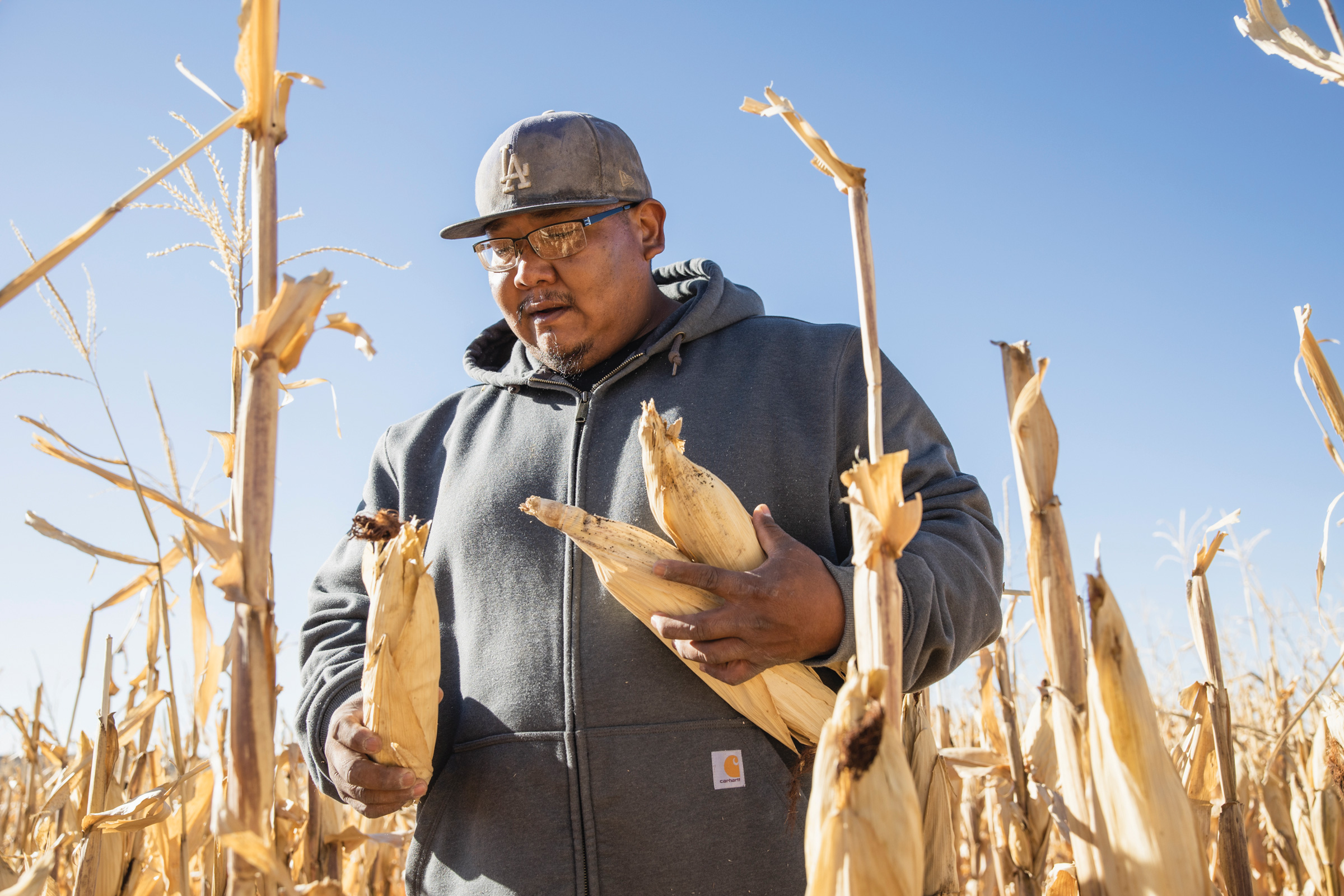
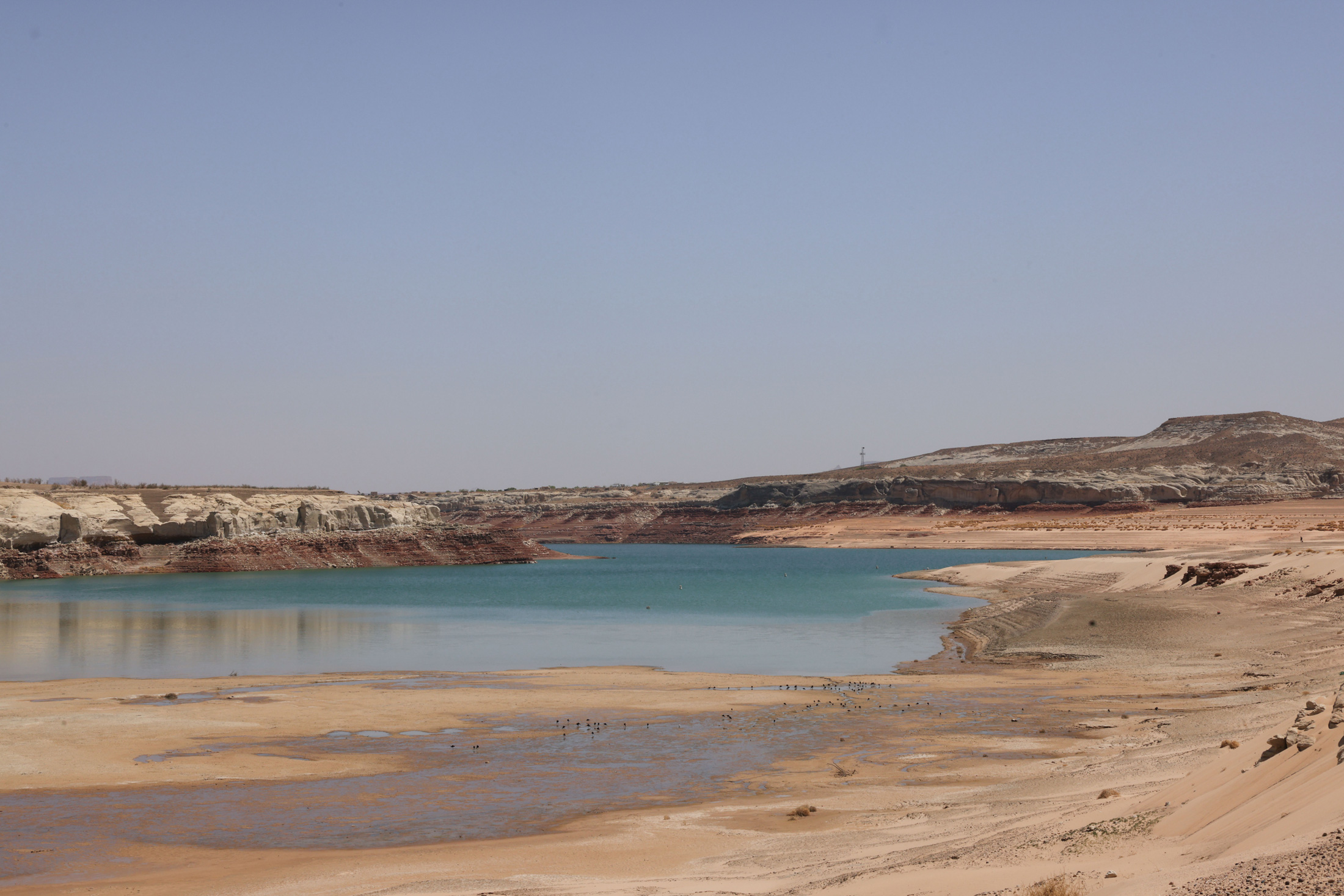
For a century, the Colorado River has been managed in fragmented pieces, with legal and political frameworks dividing it into two basins and prioritizing the water supply of individual states and communities. However, a river operates as a single, interconnected system, its health dependent on the cumulative effects of snowpack in the Rocky Mountains, rainfall, and groundwater across its entire watershed. This vital artery of the American West is now demonstrably fragile, strained by decades of increasing demand and the escalating impacts of a changing climate. As the 21st century progresses, the river that has sustained the modern West is now flowing at approximately 20% less volume than its 20th-century average. The intensifying heat and prolonged drought elevate the stakes considerably: a failure to acknowledge these shifting environmental realities, coupled with a piecemeal management approach that neglects the needs of the whole system and inadequate long-term shortage planning, places the future of the entire basin in peril.

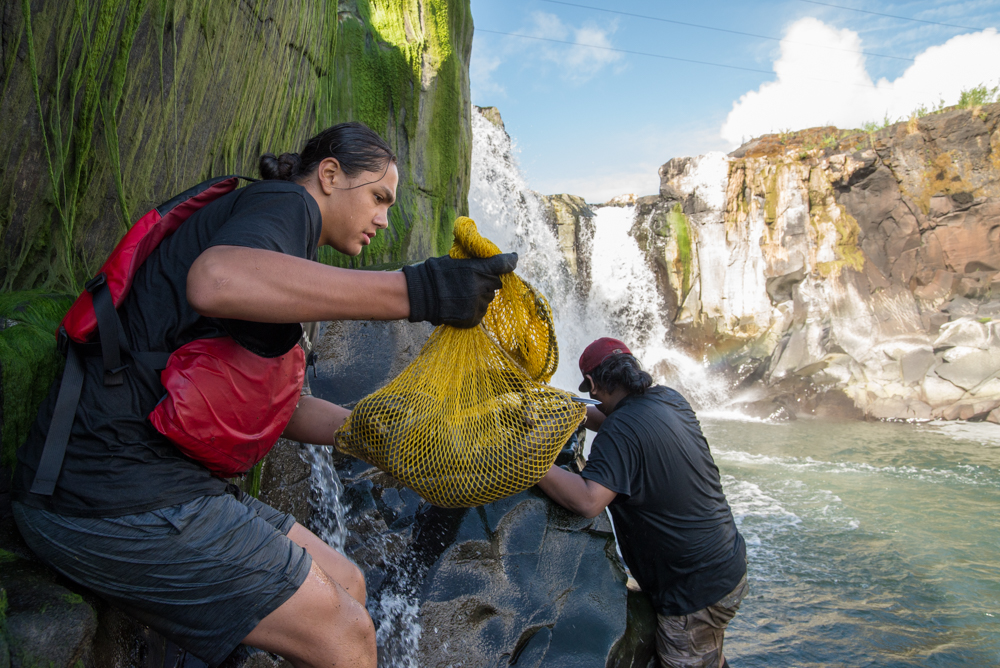
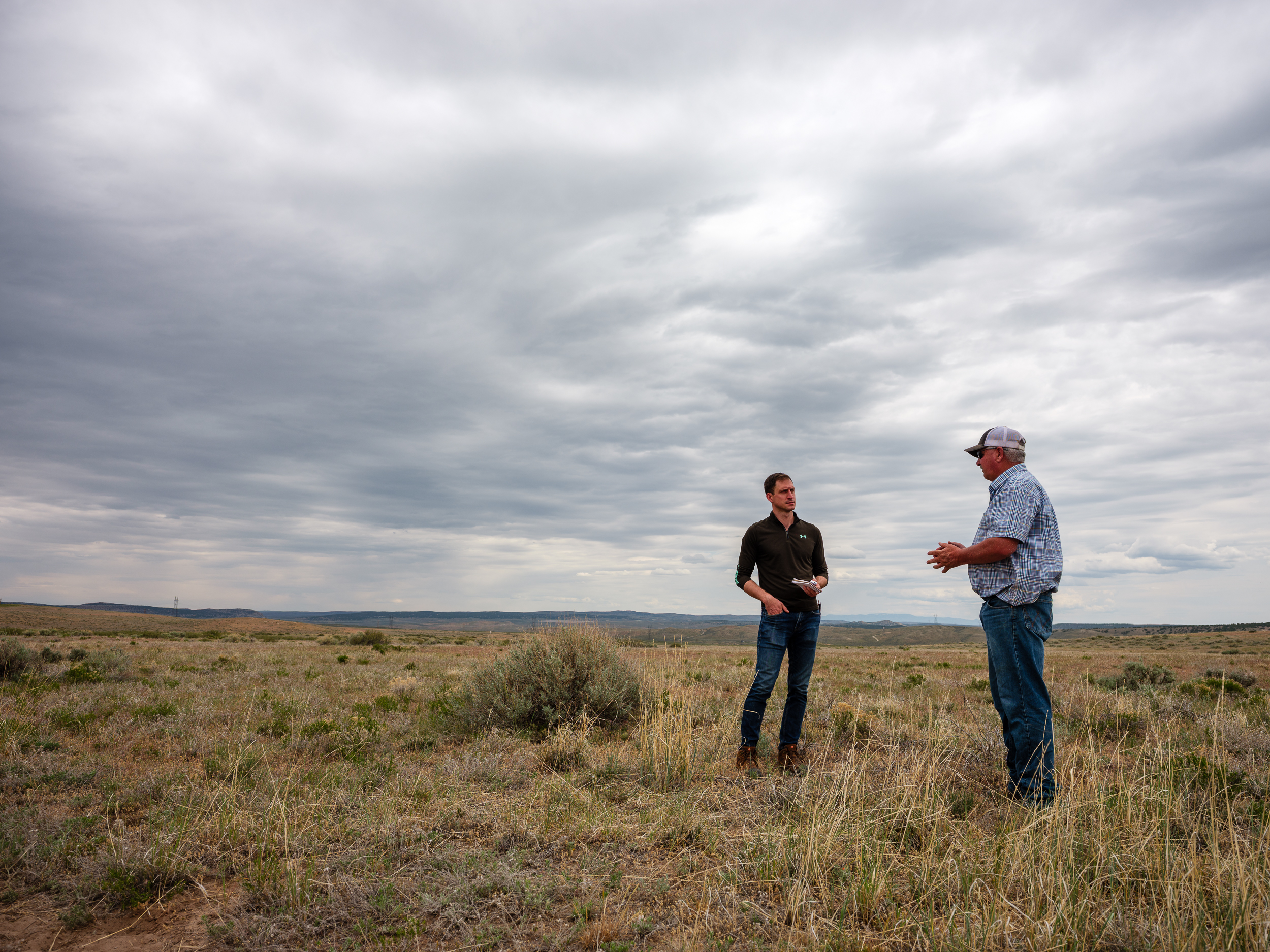
Over the past five years, a comprehensive journalistic project has documented how farmers within the Colorado River Basin are grappling with water scarcity and profound uncertainty, all against a backdrop of deep political divisions concerning the river’s future. This initiative, known as American Adaptation, delves into the experiences of three agricultural communities whose very survival is threatened by the river’s decline. The project examines what happens to people when policies and water management strategies lag behind the accelerating pace of climate change. In one of the river’s northern watersheds, the Ute Mountain Farm and Ranch Enterprise is actively modifying its operations as the water sources it depends on become increasingly unreliable. Further south, in central Arizona, farmers have been compelled to revert to well water after becoming the first communities in the basin to face complete water supply cutoffs due to the widespread shortage. Meanwhile, in California’s Imperial Valley, the agricultural operations that receive the river’s largest water allocation are experiencing mounting pressure to share the burden of these shortages.

Collectively, these diverse stories illuminate the high stakes and escalating tensions surrounding the ongoing negotiations over the river’s future management. States, tribal nations, and the federal government are confronting the legacy of 100 years of water infrastructure development built on the flawed assumption of perpetual abundance and continuous expansion. These long-held beliefs, embedded in legal frameworks and water rights doctrines, are now colliding with the stark reality of a river that delivers significantly less water than anticipated. This situation raises complex and critical questions about the river’s carrying capacity, the equitable allocation of its diminishing resources, and the mechanisms for distributing necessary cuts among all users.

In Towaoc, Colorado, nestled at the foot of Sleeping Ute Mountain, the Ute Mountain Farm and Ranch Enterprise cultivates 7,600 acres of land, meticulously reclaimed from desert brush, producing cattle, alfalfa, corn, and wheat. The enterprise’s operations are spearheaded by Simon Martinez, Eric Whyte, and Michael Vicente, individuals with deep personal ties to its success. Martinez played a role in constructing the dam for the reservoir that supplies the farm, while Whyte was instrumental in clearing desert brush and mapping out the irrigation fields. Vicente, as the lead irrigator, meticulously tracks every drop of water utilized. In years of ample water, the farm’s verdant circular fields are a testament to its productivity. However, the past decade has seen increasingly unpredictable access to water. Each spring, the local irrigation district assesses snowpack runoff and the water reserves in McPhee Reservoir, subsequently announcing potential allocation cuts. In 2021, the farm received a mere 10% of its usual water allocation, forcing the abandonment of 6,000 acres. The following year, it received 30% of its allocation, and in the subsequent year, 34%, a figure the farm managed to increase to 50% by leasing water rights from other users.

To ensure its survival, the farm has embraced adaptation. Annually, its leadership develops contingency plans for a spectrum of water availability scenarios. They actively pursue grant funding, have implemented low-flow nozzles throughout their irrigation systems, and installed small-scale hydropower generators. Furthermore, they have joined a pilot program with the Land Institute to test drought-resistant crop varieties. "We still haven’t thrown the towel in," stated Simon Martinez, expressing a sentiment shared by many facing these challenges. "Nobody ever thought, when the reservoir was built, that there wouldn’t be enough water to supply the farms that have been put out here. It’s not only us; it’s happening all through southwestern Colorado." The impact of low-water years is evident: unplanted fields are quickly overtaken by brush and scrub, and skilled employees laid off during dry spells are difficult to rehire. As the frequency of dry years increases, the long-term sustainability of the Ute Mountain Farm and Ranch Enterprise, despite its resilience, becomes increasingly uncertain.

Hundreds of miles to the south, in Pinal County, Arizona, Will Clemens manages his uncle’s 2,100-acre farm, growing cotton, alfalfa, and Bermuda grass. This region, situated in the Sonoran Desert, experiences a year-round growing season often marked by dust storms and intense summer monsoons. Before the advent of Colorado River water, farmers in this arid landscape relied solely on wells. Until the 1980s, extensive groundwater pumping led to land subsidence, fissures, and the depletion of underground aquifers. The completion of the Central Arizona Project provided a crucial lifeline, delivering imported river water. However, this water was classified as lower priority, making it the first to be curtailed during shortages. Deliveries ceased in 2022 when critically low water levels at Lake Mead triggered federal cutbacks, leaving central Arizona farmers without access to their river allocation. In response, Clemens’ local irrigation district initiated the drilling of a dozen new wells.

"I’ve been asking myself, does America really need to be in the agriculture industry?" posed Arnold Burruel, Clemens’ uncle, reflecting a broader existential question facing the farming community. Without the steady flow from the river, Clemens and his neighbors have witnessed the diminishing water levels in the canals. Their irrigation district sometimes struggles to meet farmers’ water requests, occasionally halting deliveries before fields are fully irrigated. This increased reliance on groundwater raises significant concerns about future sustainability, particularly as large swathes of Arizona lack legal limits on groundwater pumping. Even in areas with groundwater regulations, the objective of balancing annual extraction with natural replenishment, set in the 1980s for achievement by 2025, has proven elusive. Facing this mounting water crisis, some central Arizona farmers are exploring sales or leases of their farmland to solar energy developers, recognizing the growing demand for renewable energy and the diminishing viability of traditional agriculture. Miles from Clemens’ farm, vast fields of solar panels shimmer adjacent to verdant alfalfa fields. For years, Burruel has been in discussions with a solar developer regarding the sale of his land. "America is not totally enamored with agriculture when it comes to pesticides, herbicides, groundwater, GMOs – all of the above," Burruel observed. "We are at a crossroads. Are we going to continue to farm the way we are farming and heavily subsidize growers that can’t make ends meet? Society has to come up with an answer."

In Imperial Valley, California, a region just north of the Mexican border, the All-American Canal forms a striking blue ribbon across the Algodones Dunes. This immense canal, one of the largest globally, diverts up to 6.8 million gallons of Colorado River water per minute via the Imperial Dam. This is the sole water source for the 500,000 acres of farmland in the Imperial Valley. Farms in this area are protected by senior water rights, rendering them at low risk of allocation cuts, and they receive consistent water releases from Lake Mead, the nation’s largest reservoir. Despite decades of drought and a burgeoning water crisis throughout the West, water has flowed uninterrupted to the Imperial Valley. Jack Vessey, a fourth-generation family farmer managing a 10,000-acre produce operation, understands the canal system intimately, recalling childhood days spent seeking relief from the summer heat in its waters. "We take water seriously," Vessey stated, highlighting the farm’s adoption of more efficient sprinkler systems over traditional flood irrigation. In recent years, the Imperial Irrigation District, acknowledging the basin-wide shortage, has voluntarily reduced water usage through 2026 in exchange for federal funding. The district secured compensation at a rate several hundred dollars per acre-foot higher than other participants. However, as federal funds allocated for Western water initiatives are depleted, the availability of future voluntary cutback incentives remains uncertain.

Vessey acknowledges the increasing strain on the Colorado River and the pressure on the valley’s agricultural sector. Yet, he emphasizes the community’s history of cooperating during shortages and its deep-seated commitment to protecting its water resources. "I have a responsibility for the people who work here to make sure we survive," he asserted. "I have to be a little selfish at some point and say, ‘Keep giving us the water we need.’ I know we’ve got to do our part, but I can look in the mirror and say we are not wasting water, we are growing food people need. If it wasn’t for that canal coming off the Colorado River, this would just turn to desert." The vast network of canals, including the High Line Canal, originates from the Colorado River, transforming this arid landscape into fertile farmland, a remarkable feat in one of the driest and hottest regions on Earth.