Rocky Georgio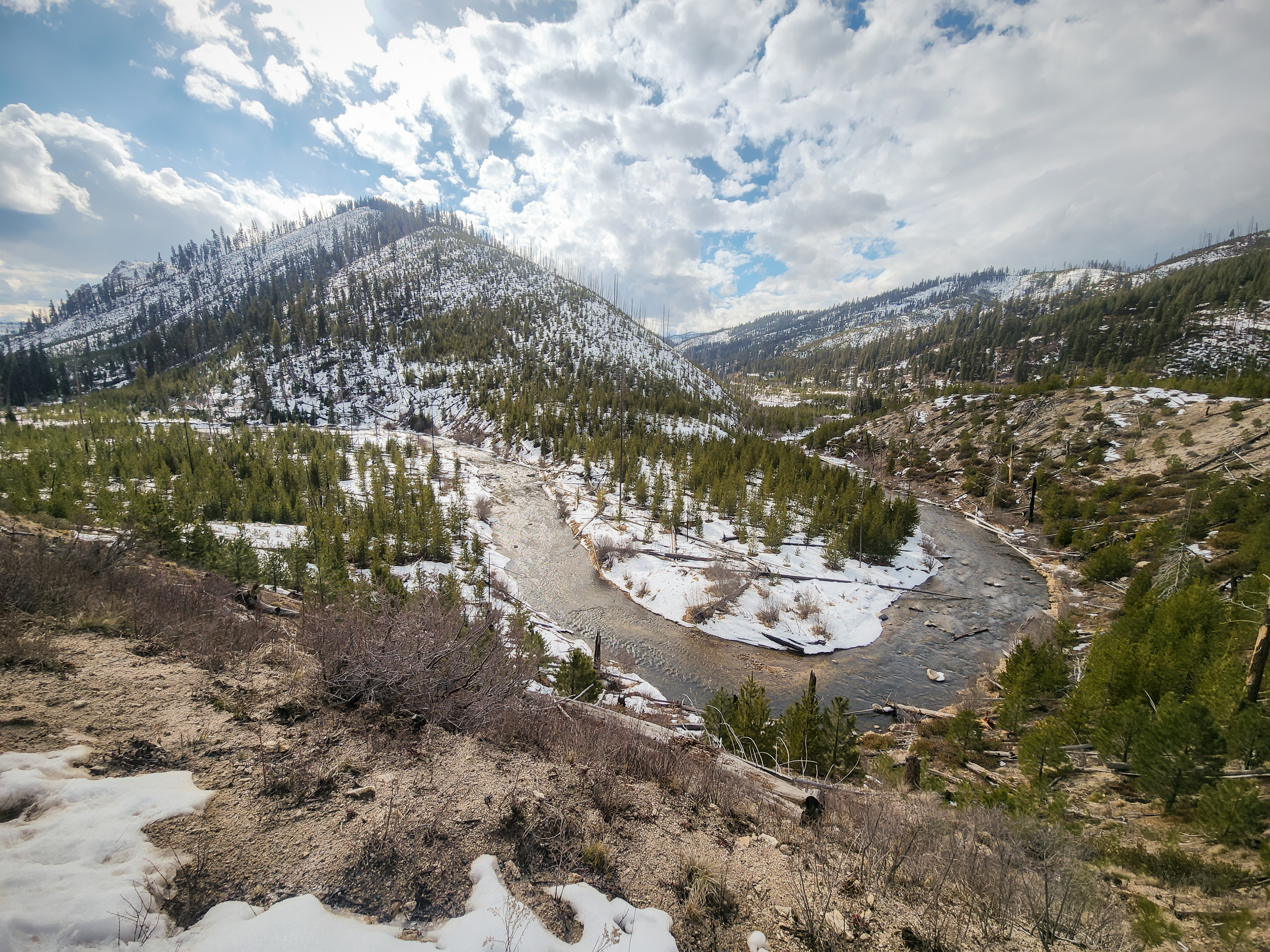
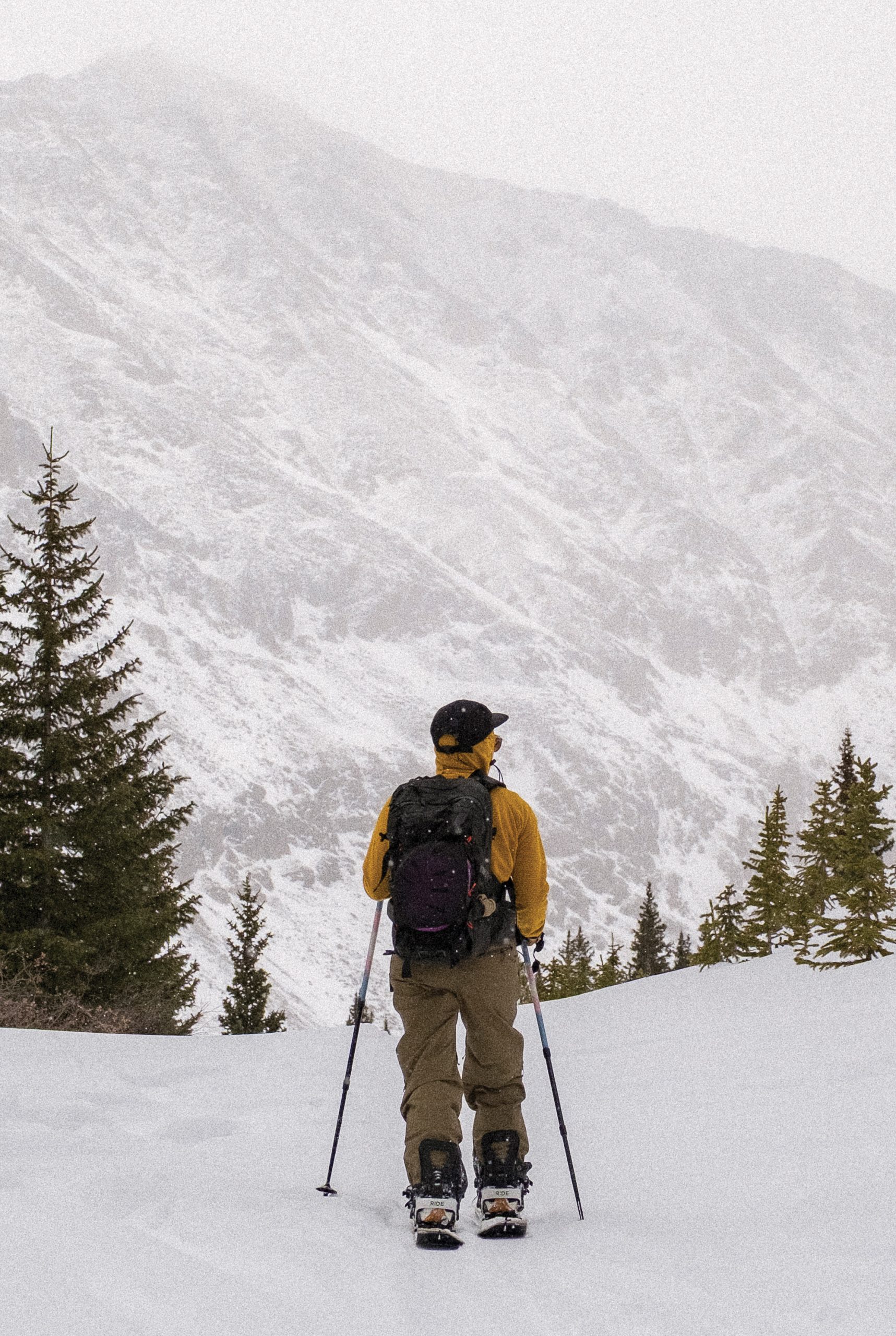
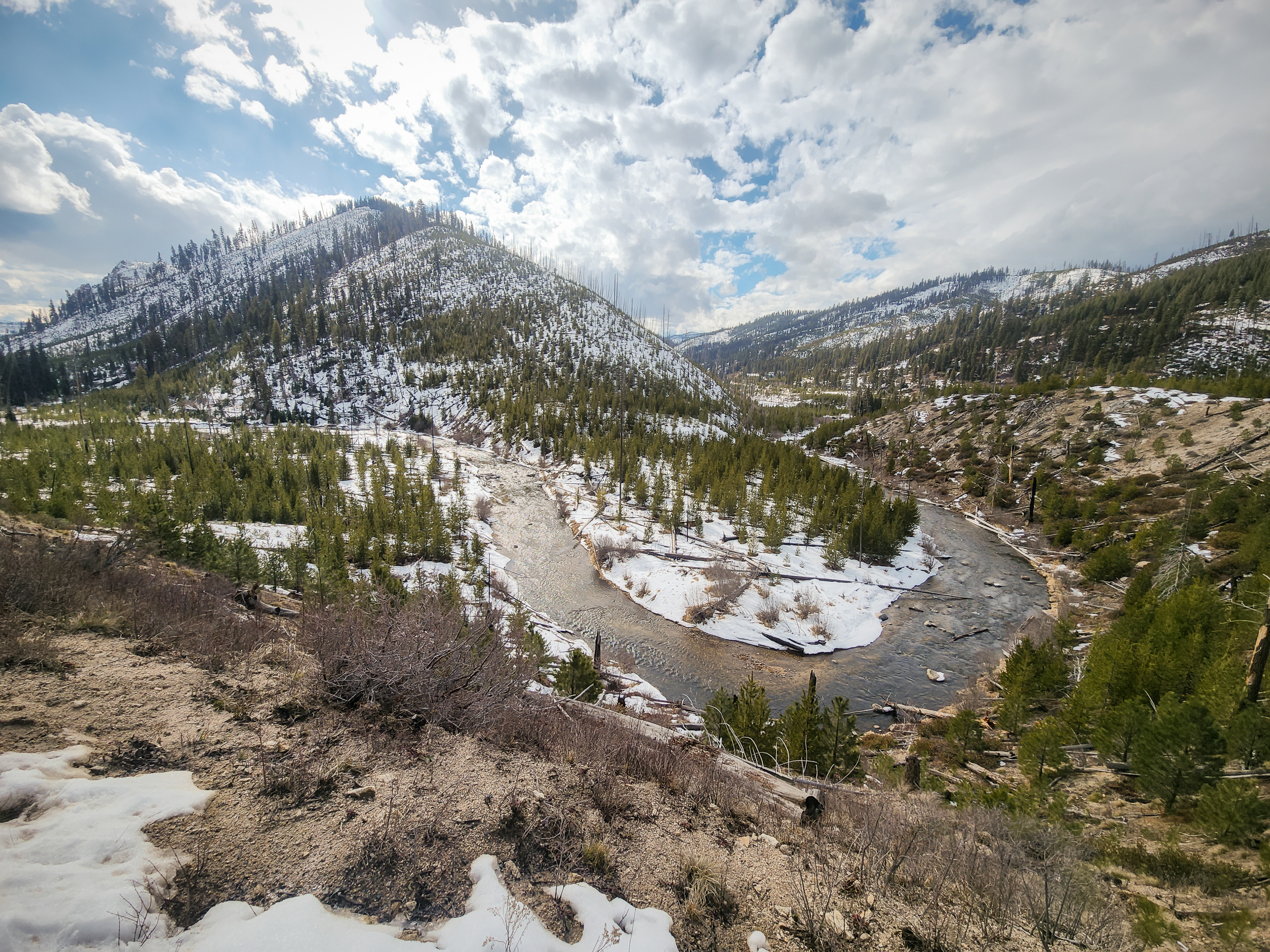
Mid-January winds carried the crunch of old snow underfoot as a dozen individuals traversed the landscape near Molas Pass, nestled within Colorado’s majestic San Juan Mountains. Their interpretive hike, organized by local environmental stewards, offered a poignant outdoor classroom, delving into ecology, the escalating impacts of climate change, and the critical role of snow. Beneath a brilliant azure sky, the exposed ground peeking through sparse stands of spruce and pine served as a stark, local testament to a widespread and devastating snow deficit that gripped much of the Western United States.
The snowpack in the mountainous West functions as the region’s most significant natural reservoir, a vital source of water for an estimated 100 million people and a multitude of diverse ecosystems. Traditionally, the water content held within this snowpack reaches its peak around April 1st, acting as a crucial buffer for the drier months ahead. However, in the current year, many areas found their snowpack either entirely absent or critically depleted by that date, marking the lowest level recorded in the 45 years since automated snow monitoring began.
While a persistent high-pressure ridge played a role in deflecting winter storms northward towards Canada during January, effectively contributing to the snow drought, the primary driver, according to analyses by the nonprofit Climate Central, was exceptional heat. This heat, a direct consequence of climate change, also fueled an unseasonably early spring heatwave that significantly diminished whatever snow had accumulated. This stands in stark contrast to previous dry winters, which sometimes saw late-season "miracle March" snowstorms replenish vital snowpack.
The map from the U.S. Department of Agriculture’s Natural Resources Conservation Service vividly illustrates the snow-water equivalent (SWE) across the Western U.S. as of April 1st, the typical peak of the snow season. The displayed percentages reflect current SWE in relation to the recent historical median, highlighting widespread deficiencies. This data underscores the severity of a winter that presented a complex and often contradictory tapestry of weather events, including record flooding and extreme dryness alongside the unprecedented heat. Examining the snow drought’s manifestation across different regions reveals the nuanced and often severe implications of this climatic anomaly.
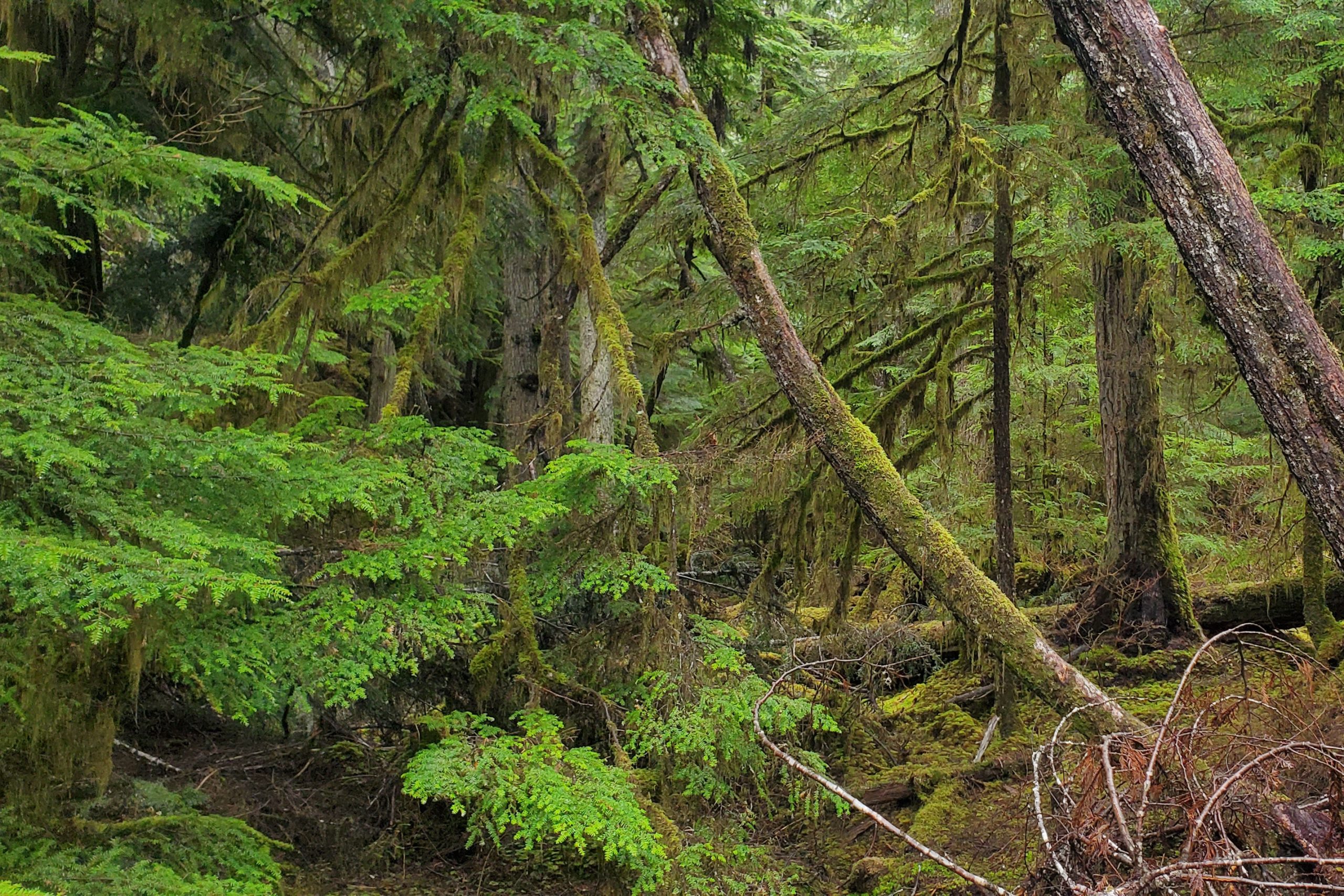
In Washington’s Cascade Range, winter experienced a stark "wet" snow drought at its beginning and end, characterized by precipitation falling as rain rather than snow. In December, some areas received over two feet of rain within a fortnight, leading to significant snowmelt and triggering catastrophic flooding west of the mountains. Paradoxically, this deluge also helped replenish reservoirs in the Yakima Basin on the drier eastern side of the range, which had been critically low, holding only 8% of their capacity in October. January then ushered in a "dry" snow drought, with minimal precipitation falling. Although certain pockets within the Cascades experienced near-normal precipitation in February, much of the higher elevations remained dry, and the overall snowpack continued to lag well below average. Despite several feet of snow accumulating in March, subsequent rain events washed much of it away.

This pattern poses a significant challenge for the Yakima Basin, which lacks the extensive reservoir capacity to store sufficient runoff to meet the region’s escalating demands. Hydrogeologist and geochemist Carey Gazis of Central Washington University in Ellensburg explains that the snowpack traditionally serves as an essential supplementary reservoir, holding water as snow well into the summer. The Yakima Valley, often hailed as the "fruit bowl of the nation," relies heavily on snowmelt for irrigating its diverse crops, including cherries, apples, grapes, hops, and mint. This meltwater is also crucial for the Yakama Nation’s ongoing efforts to restore populations of culturally significant migratory fish. As of March, the Bureau of Reclamation projected that many farmers in the Yakima Valley would receive only 44% of their usual water supply for the upcoming growing season, directly attributed to the severe snow drought.
One promising long-term strategy gaining traction is augmenting water storage by replenishing underground aquifers. Gazis notes the substantial potential capacity beneath the surface to hold additional water. Projects involving the pumping of surface runoff or enhancing natural infiltration into the ground are already underway in various parts of the basin, including on the Yakama Nation reservation, offering a proactive approach to water management in an increasingly unpredictable climate.
Further north, in the Rocky Mountains of Idaho, Montana, and western Wyoming, the winter also presented a dichotomy of wet snow droughts at the season’s start and end, punctuated by a dry January. However, the colder temperatures at higher elevations allowed for a near-normal to above-average snowpack in some areas, which persisted into mid-March. This fortunate circumstance left these regions in a comparatively better water position than much of the West by early April. This resilience provided a much-needed boost to communities reliant on winter tourism, such as Idaho’s Wood River Valley. Ashton Wilson, director of the valley’s Environmental Resource Center, reported in February that the area was experiencing a busy tourist season, partly due to its advantage of having snow when many other winter destinations, including those in Colorado, did not.

Russell Qualls, Idaho’s state climatologist, expressed optimism that the Wood River Basin and surrounding areas might fare "fairly well" through the summer, providing adequate water for both urban centers and agricultural needs. However, the scarcity of snow at middle and lower elevations across Idaho, Wyoming, and Montana, coupled with persistent unseasonable warmth, signals a potential for an extended wildfire season. This threat looms unless significant rainfall arrives in the spring and summer. Indeed, both Montana and Wyoming experienced wildfires exceeding 1,000 acres in March, months before the typical start of their fire seasons in May or June.
Colorado, meanwhile, grappled with similar mid-sized wildfires, but these ignited much earlier, in December. Both December and January were marked by abnormally dry conditions, and one of the few storms to reach the state delivered rain at elevations as high as 11,000 feet—an unusually high altitude for winter precipitation and unprecedented across much of Colorado. This stark reality was palpable during the January snowshoe hike near Molas Pass, led by the San Juan Mountains Association and the Mountain Studies Institute. Outdoor educator Colin Courtney demonstrated the use of avalanche shovels to excavate a snow pit, measuring the snowpack’s depth and water content. With a dull thunk, shovel blades encountered dirt just two feet down. As he melted snow samples over a camp stove, Courtney highlighted that the snowpack at the pass held only 23% of the water equivalent found in an average year. The snow water equivalent, a more accurate metric than depth alone, is critical for planning annual water needs and assessing wildfire risk. "It’s a very real thing to be concerned about this year," Courtney stated, underscoring the gravity of the situation.
Beyond immediate water and fire concerns, ecological threats are also mounting. Research conducted in New Hampshire and Finland has illuminated the complex impacts on tree health when root systems are deprived of the insulating layer of snow during winter. The specific consequences for trees in the West, already weakened by the most severe megadrought in 1,200 years, remain largely unknown, adding another layer of environmental uncertainty.

Climatologist Allie Mazurek of the Colorado Climate Center characterized the current snowpack as "our worst on record" in an early April email. She attributed the state’s unprecedented low to the West’s record-breaking March heatwave, which pushed Colorado beyond its previous historic low recorded in 1981. The implications extend far beyond Colorado’s borders, as the state’s snowpack is a crucial water source for 18 other states, numerous tribal nations, and parts of Mexico. The Colorado River Basin alone provides drinking water for one in ten Americans, irrigates over five million acres of farmland, and generates substantial hydroelectric power. This year’s snow drought intensifies the already contentious negotiations among the seven Colorado Basin states regarding the management of the river’s dwindling supply.
Mazurek offered a note of caution, mentioning the potential influence of El Niño, a climate pattern expected to bring significant rainfall to Colorado in the early fall. However, she emphasized that "rain tends to do much less for our water supply than snow," tempering optimism about potential precipitation. Looking ahead, snow is projected to become an increasingly scarce resource in the Western United States. Researchers anticipate that climate change could reduce snow-supplied water by approximately a quarter by mid-century. Mazurek’s concluding assessment encapsulates the region’s precarious situation: "We should probably be preparing for less water to be coming down from the mountain snowpack than usual."